

ADHD Treatment in Ayurveda
Experience holistic Ayurvedic approach to restoring natural vitality.
Request an Appointment
Table of Contents
Need personalized advice?
Introduction
Attention-Deficit/Hyperactivity Disorder (ADHD) is a neurodevelopmental condition that affects attention, impulse control, activity levels, organization, and emotional regulation. ADHD can impact children, adolescents, and adults, influencing academic performance, workplace productivity, relationships, and daily functioning.
Modern treatment approaches for ADHD may include behavioral therapy, educational support, parent training, counseling, lifestyle modifications, and medications when prescribed by a qualified healthcare professional.
Ayurveda, the traditional system of holistic healthcare, views health through the balance of body, mind, and lifestyle. While Ayurveda cannot cure ADHD or replace evidence-based medical treatment, Ayurvedic supportive care may help promote relaxation, healthy sleep, emotional balance, concentration, and overall well-being when used as part of an integrative care plan.
Important Medical Disclaimer: ADHD requires proper diagnosis and management by qualified healthcare professionals. Ayurvedic therapies should be used as complementary support and not as a substitute for medical care, behavioral interventions, educational support, or prescribed medications.
ADHD at a Glance
Can Ayurveda Help ADHD?
Yes, Ayurveda may help support attention, focus, sleep quality, emotional regulation, and overall well-being in individuals with ADHD. However, Ayurveda cannot cure ADHD or replace behavioral therapy, educational interventions, or prescribed medications. Ayurvedic care is best used as a complementary approach under professional medical supervision.
What is ADHD?
Understanding Attention-Deficit/Hyperactivity Disorder
ADHD is a neurodevelopmental disorder characterized by persistent patterns of inattention, hyperactivity, and impulsivity that interfere with daily functioning and development.
ADHD Facts and Statistics
According to international health organizations:
- ADHD is one of the most common neurodevelopmental disorders in children.
- Symptoms may continue into adolescence and adulthood.
- Millions of children and adults worldwide live with ADHD.
- Early diagnosis and intervention can improve long-term outcomes.
- ADHD affects academic performance, social relationships, emotional health, and workplace productivity.
Types of ADHD
Predominantly Inattentive Type
Individuals may:
- Have difficulty concentrating
- Frequently lose items
- Forget instructions
- Struggle with organization
- Become easily distracted
Predominantly Hyperactive-Impulsive Type
Individuals may:
- Be constantly restless
- Have difficulty sitting still
- Talk excessively
- Interrupt conversations
- Act without thinking
Combined Type
A combination of inattentive and hyperactive-impulsive symptoms.
Common Signs and Symptoms of ADHD
Symptoms vary among individuals but may include:
Attention Difficulties
- Short attention span
- Easily distracted
- Difficulty completing tasks
- Frequent mistakes due to inattention
- Poor time management
Hyperactivity
- Constant movement
- Fidgeting
- Excessive talking
- Difficulty remaining seated
Impulsivity
- Interrupting others
- Difficulty waiting for turns
- Acting without considering consequences
Emotional and Behavioral Challenges
- Frustration intolerance
- Mood fluctuations
- Emotional outbursts
- Difficulty regulating emotions
How ADHD Can Affect Daily Life
ADHD can affect multiple areas of daily functioning, including:
- Academic performance and learning
- Workplace productivity
- Time management and organization
- Social relationships
- Emotional well-being
- Self-esteem and confidence
The impact varies from person to person and may change over time.
ADHD in Children and Adults
ADHD in Children
Children may experience:
- Academic difficulties
- Behavioral concerns at school
- Challenges following instructions
- Social interaction difficulties
ADHD in Adults
Adults may experience:
- Difficulty managing responsibilities
- Workplace challenges
- Relationship difficulties
- Poor organization and planning
- Emotional stress
ADHD Symptoms Across Different Age Groups
ADHD Symptoms in Preschool Children
- Excessive running or climbing
- Difficulty sitting still
- Frequent interruptions
- Short attention span
ADHD Symptoms in School-Age Children
- Difficulty following instructions
- Poor academic performance
- Forgetfulness
- Easily distracted
ADHD Symptoms in Teenagers
- Difficulty organizing tasks
- Impulsivity
- Emotional challenges
- Academic stress
ADHD Symptoms in Adults
- Time management difficulties
- Workplace challenges
- Forgetfulness
- Relationship difficulties
How is ADHD Diagnosed?
ADHD is diagnosed through a comprehensive evaluation conducted by qualified healthcare professionals.
Assessment may include:
- Medical history
- Behavioral observations
- Parent and teacher feedback
- Psychological evaluation
- Developmental assessment
There is no single laboratory test that can diagnose ADHD. Accurate diagnosis helps guide appropriate treatment and support.
Causes and Risk Factors of ADHD
Modern Medical Perspective
The exact cause of ADHD is not fully understood. Research suggests multiple contributing factors, including:
- Genetic influences
- Differences in brain development and function
- Premature birth
- Low birth weight
- Prenatal exposures to certain environmental factors
- Family history of ADHD
ADHD is not caused by poor parenting, lack of discipline, or excessive screen use alone.
Conditions Commonly Associated with ADHD
Some individuals with ADHD may also experience:
- Learning difficulties
- Anxiety disorders
- Depression
- Sleep disorders
- Sensory processing challenges
- Oppositional behaviors
Not everyone with ADHD experiences these conditions. Proper evaluation by healthcare professionals is essential for accurate diagnosis and management.
Ayurvedic Perspective on ADHD
Ayurveda does not describe ADHD using modern diagnostic terminology. However, many ADHD-related symptoms may be understood through concepts involving:
Vata Dosha Imbalance
Vata governs movement, communication, nervous system activity, and mental functions. Excess or aggravated Vata may be associated with:
- Restlessness
- Hyperactivity
- Distractibility
- Irregular routines
- Difficulty focusing
Mental Gunas
Ayurveda describes the mind through three qualities:
- Sattva: Clarity and balance
- Rajas: Activity and stimulation
- Tamas: Inertia and dullness
An imbalance in Rajas and Tamas may contribute to behavioral and emotional disturbances.
Manovaha Srotas
These channels are associated with mental and emotional functioning. Ayurvedic management aims to support mental balance and overall well-being.
Can Ayurveda Help in ADHD?
Short Answer
Ayurveda cannot cure ADHD. However, Ayurvedic supportive care may help improve overall well-being, sleep quality, emotional balance, sensory regulation, relaxation, and attention support when integrated with conventional ADHD management.
Potential supportive benefits may include:
- Improved daily routine
- Better sleep quality
- Enhanced relaxation
- Emotional well-being support
- Improved overall quality of life
- Support for healthy cognitive functioning
Results vary among individuals, and treatment should always be personalized.
Ayurvedic Understanding of ADHD
Ayurveda emphasizes the connection between body, mind, lifestyle, digestion, and environment.
Role of Mind and Cognitive Functions
Ayurveda describes:
- Manas (Mind): Mental processing
- Buddhi (Intellect): Decision-making ability
- Smriti (Memory): Memory and recall
- Dhi and Dhriti: Understanding and self-control
Supportive Ayurvedic care aims to nurture these functions through individualized therapies and lifestyle modifications.
Importance of Individualized Assessment
Every individual is unique. Ayurvedic evaluation may consider:
- Prakriti (constitutional type)
- Dosha balance
- Sleep habits
- Digestion
- Lifestyle
- Emotional well-being
- Age and developmental stage
Goals of ADHD Management
The primary goals of ADHD management include:
- Improving attention and concentration
- Enhancing academic or workplace performance
- Supporting emotional regulation
- Strengthening social skills
- Improving daily functioning
- Enhancing overall quality of life
Both conventional medicine and complementary approaches aim to support these outcomes.
Why Personalized Treatment is Important in ADHD
ADHD affects individuals differently. Symptoms, severity, lifestyle factors, age, and coexisting conditions can vary significantly from one person to another.
Both conventional medicine and Ayurveda emphasize individualized care plans that address each person's unique needs, strengths, and challenges.
Ayurvedic Treatment Approaches for ADHD
Personalized Ayurvedic Consultation
Ayurvedic care begins with a detailed assessment to understand the individual's physical, mental, and emotional health.
Treatment plans may include:
- Dietary recommendations
- Lifestyle guidance
- Herbal support
- Panchakarma therapies when appropriate
- Stress management techniques
Quick Answer
ADHD is a neurodevelopmental disorder that affects attention, impulse control, and behavior. Ayurveda cannot cure ADHD, but it may provide supportive care that helps promote relaxation, healthy sleep, emotional balance, and overall well-being when used alongside conventional treatment and professional medical guidance.
Ayurvedic Herbal Support
Certain herbs have traditionally been used in Ayurveda to support cognitive wellness.
Brahmi (Bacopa monnieri)
Traditionally used to:
- Support memory
- Promote mental clarity
- Support concentration
Mandukaparni (Gotu Kola)
Traditionally used for:
- Cognitive support
- Mental calmness
- Nervous system wellness
Shankhapushpi
Traditionally used to:
- Support concentration
- Promote mental relaxation
- Support cognitive health
Yashtimadhu (Licorice)
Traditionally included in formulations aimed at supporting mental well-being.
Ashwagandha
Traditionally used to:
- Support stress management
- Promote relaxation
- Support overall wellness
Important: Herbal medicines should only be taken under the supervision of a qualified Ayurvedic physician. Scientific evidence for ADHD-specific benefits remains limited, and treatment should be individualized.
Safety Considerations for Ayurvedic Treatment
Before starting Ayurvedic treatment:
- Consult a qualified Ayurvedic physician.
- Inform your doctor about all medications and supplements being used.
- Avoid self-medication.
- Children should only receive Ayurvedic medicines under professional supervision.
- Herbal products may interact with medications in some cases.
Safety should always be prioritized when combining therapies.
Panchakarma Therapies in Supportive ADHD Care
Panchakarma therapies may be recommended based on age, health status, and physician evaluation.
Shirodhara
A continuous stream of medicated liquid is gently poured over the forehead.
Potential supportive benefits:
- Relaxation
- Stress reduction
- Improved sleep quality
- Sense of calmness
Abhyanga
A therapeutic Ayurvedic oil massage that may help:
- Promote relaxation
- Support sensory regulation
- Improve overall well-being
Takradhara
A therapy involving medicated buttermilk applied in a controlled stream over the forehead.
May help support:
- Mental calmness
- Relaxation
- Stress management
Nasya
Administration of prescribed herbal preparations through the nasal route under professional supervision.
Traditionally used as part of Ayurvedic neurological and head-region care.
Note: Not all therapies are suitable for every individual. Treatment decisions should be made by qualified Ayurvedic professionals.
Diet Recommendations for ADHD in Ayurveda
Ayurveda emphasizes the importance of healthy digestion and balanced nutrition.
Foods Commonly Recommended
- Fresh fruits
- Seasonal vegetables
- Whole grains
- Healthy fats
- Freshly prepared meals
- Warm and nourishing foods
Foods Often Limited
- Highly processed foods
- Excess refined sugar
- Artificial additives
- Excessively fried foods
- Irregular meal patterns
Importance of Hydration
Adequate hydration supports overall physical and cognitive health.
Dietary recommendations should always be personalized according to age, nutritional requirements, allergies, and medical conditions.
Lifestyle and Behavioral Support for ADHD
Structured Daily Routine (Dinacharya)
Maintaining consistency may help improve:
- Time management
- Sleep quality
- Daily functioning
ADHD and Sleep: Why Sleep Matters
Sleep difficulties are common among individuals with ADHD.
Poor sleep may contribute to:
- Increased inattentiveness
- Irritability
- Emotional dysregulation
- Learning difficulties
- Daytime fatigue
Supportive measures may include:
- Consistent sleep schedules
- Reduced screen exposure before bedtime
- Relaxation practices
- Physician-guided treatment plans
Healthy Sleep Habits
Adequate sleep is essential for:
- Attention
- Learning
- Emotional regulation
- Overall health
Physical Activity
Regular physical activity may help:
- Improve focus
- Support emotional well-being
- Reduce excess restlessness
Limiting Excess Screen Time
Balanced screen usage may support:
- Better sleep quality
- Improved concentration
- Healthy daily routines
Yoga and Mindfulness for ADHD Support
Yoga and mindfulness practices may complement conventional ADHD management.
Yoga Practices
Appropriately supervised yoga may help:
- Improve body awareness
- Support relaxation
- Enhance balance and coordination
Pranayama (Breathing Practices)
Gentle breathing exercises may:
- Promote calmness
- Support emotional regulation
- Improve relaxation
Mindfulness Practices
Mindfulness techniques may help individuals develop:
- Better self-awareness
- Improved emotional regulation
- Enhanced focus
Children should always practice under qualified supervision.
Integrative Care for ADHD
Effective ADHD management often requires a multidisciplinary approach.
Healthcare Professionals Involved
- Pediatricians
- Psychiatrists
- Psychologists
- Occupational therapists
- Speech therapists
- Behavioral therapists
- Special educators
Ayurveda may be integrated as a complementary system to support overall wellness and quality of life.
Tips for Parents Supporting a Child with ADHD
Parents play an important role in helping children manage ADHD symptoms.
Helpful strategies include:
- Establishing structured routines
- Giving clear instructions
- Using positive reinforcement
- Encouraging physical activity
- Maintaining regular sleep schedules
- Collaborating with teachers and therapists
- Supporting emotional well-being
Family involvement is often an important component of comprehensive ADHD management.
Supporting Children with ADHD at School
School-based support may include:
- Structured classroom routines
- Clear instructions
- Positive reinforcement strategies
- Individualized educational support
- Regular communication between parents and teachers
Collaboration among educators, parents, and healthcare professionals can help improve learning outcomes.
Benefits of Ayurvedic Supportive Care in ADHD
Potential benefits may include:
- Support for healthy sleep
- Promotion of relaxation
- Improved daily routine adherence
- Emotional well-being support
- Better stress management
- Enhanced overall quality of life
- Support for cognitive wellness
Individual outcomes vary significantly.
Common Questions About ADHD and Ayurveda
Can Ayurveda cure ADHD?
No. Ayurveda cannot cure ADHD but may provide supportive care that complements conventional treatment.
Which Ayurvedic herb is commonly used for ADHD support?
Brahmi, Shankhapushpi, Mandukaparni, and Ashwagandha are traditionally used to support cognitive wellness.
Can adults with ADHD benefit from Ayurveda?
Adults may benefit from personalized Ayurvedic lifestyle recommendations, stress management strategies, sleep support, and overall wellness care.
Is ADHD related to Vata imbalance?
From an Ayurvedic perspective, certain ADHD-related symptoms may resemble features of aggravated Vata, although ADHD is medically classified as a neurodevelopmental disorder.
Limitations of Ayurveda in ADHD
It is important to maintain realistic expectations.
Ayurveda Cannot:
- Cure ADHD
- Replace medical diagnosis
- Replace behavioral therapy
- Replace educational support
- Replace prescribed medications when medically indicated
Ayurveda May:
- Complement conventional treatment
- Support overall wellness
- Promote healthy lifestyle habits
- Help improve quality of life
Who May Benefit from Ayurvedic Supportive Care?
Ayurvedic supportive care may be considered by:
- Children with ADHD
- Adolescents with ADHD
- Adults with ADHD
- Individuals experiencing sleep difficulties
- Families seeking integrative wellness approaches
All care plans should be supervised by qualified healthcare professionals.
When Should You Consider an ADHD Assessment?
Consider professional evaluation if a child experiences:
- Persistent difficulty concentrating
- Frequent forgetfulness
- Excessive restlessness
- Difficulty completing schoolwork
- Trouble following instructions
- Impulsive behavior affecting daily life
- Social interaction difficulties
- Academic underperformance
Early assessment can help identify appropriate interventions and support strategies.
When to Seek Immediate Medical Attention
Consult a healthcare professional promptly if an individual experiences:
- Severe behavioral difficulties
- Significant emotional distress
- Self-harm thoughts or behaviors
- Severe academic decline
- Anxiety or depression symptoms
- Sudden worsening of symptoms
Emergency situations require immediate medical attention.
Why Early Intervention is Important in ADHD
Early intervention can help:
- Improve academic performance
- Enhance social development
- Build self-confidence
- Strengthen communication skills
- Support emotional regulation
- Reduce long-term functional challenges
The earlier appropriate support is introduced, the greater the opportunity for positive developmental outcomes.
ADHD in Adults: Challenges and Support
Many individuals continue to experience ADHD symptoms into adulthood.
Common challenges include:
- Difficulty organizing tasks
- Missed deadlines
- Workplace stress
- Emotional dysregulation
- Relationship difficulties
A comprehensive management plan may include behavioral strategies, counseling, lifestyle modifications, and supportive Ayurvedic care.
Evidence-Based and Integrative Approach
At Adyant Ayurveda, ADHD supportive care is guided by classical Ayurvedic principles while respecting modern medical understanding of neurodevelopmental disorders.
We encourage collaboration between Ayurvedic practitioners, pediatricians, psychologists, psychiatrists, therapists, educators, and families to provide comprehensive support for individuals living with ADHD.
Medical Review and Professional Guidance
This article is intended for educational purposes only and does not provide medical advice, diagnosis, or treatment.
ADHD should always be diagnosed and managed by qualified healthcare professionals. Ayurvedic therapies should be recommended and supervised by licensed Ayurvedic practitioners and integrated appropriately with conventional medical care.
Individuals should never discontinue prescribed medications or therapies without consulting their healthcare provider.
Key Takeaways
- ADHD is a neurodevelopmental disorder affecting attention, impulse control, and behavior.
- Early diagnosis and intervention are important.
- Ayurveda cannot cure ADHD.
- Ayurvedic care may support sleep, emotional balance, relaxation, and overall well-being.
- Treatment should be individualized and supervised by qualified professionals.
- Ayurveda works best as a complementary approach alongside conventional ADHD management.
ADHD Supportive Ayurvedic Care in Bangalore
Individuals looking for Ayurvedic support for ADHD in Bangalore may benefit from personalized consultations, lifestyle guidance, Panchakarma therapies when appropriate, and holistic wellness planning.
Adyant Ayurveda offers supportive Ayurvedic care through its centers in Bangalore, including:
- Jayanagar
- Indiranagar
- Rajarajeshwari Nagar
- Kalyan Nagar
- Bannerghatta Road
Treatment plans are individualized and designed to complement conventional ADHD management
When to Consider Ayurvedic Supportive Care for ADHD
You may consider consulting an Ayurvedic physician if you are looking for:
- Holistic lifestyle guidance
- Support for sleep difficulties
- Stress management strategies
- Complementary wellness approaches
- Personalized dietary recommendations
- Integrative care alongside conventional treatment
An individualized assessment can help determine appropriate supportive therapies based on age, symptoms, and overall health status.
Book a Consultation for Personalized ADHD Supportive Care
Every individual with ADHD has unique strengths, challenges, and support needs. A personalized consultation can help identify appropriate Ayurvedic supportive measures tailored to overall health and wellness goals.
Our team of experienced Ayurvedic doctors can guide you with individualized recommendations on diet, lifestyle, therapies, and holistic wellness strategies designed to support attention, emotional balance, and quality of life.
Disclaimer: Results vary from person to person. Ayurvedic treatment should be undertaken under professional supervision and used as a complementary approach alongside appropriate medical care.
Frequently Asked Questions
No. Ayurveda cannot cure ADHD. It may provide supportive care that complements conventional treatment and helps improve overall well-being.
From an Ayurvedic perspective, certain ADHD-related symptoms may be associated with Vata imbalance. However, ADHD is recognized medically as a neurodevelopmental disorder.
Brahmi, Shankhapushpi, Mandukaparni, Yashtimadhu, and Ashwagandha are among the herbs traditionally used to support cognitive wellness.
There is no single best Ayurvedic treatment for ADHD. Ayurvedic care is individualized and may include dietary guidance, lifestyle modifications, herbal support, and therapies such as Abhyanga or Shirodhara when appropriate. Treatment plans should be designed by qualified Ayurvedic practitioners.
Ayurvedic supportive care may help promote mental calmness, healthy sleep, emotional balance, and overall cognitive wellness. Some individuals report improvements in concentration and daily functioning when Ayurvedic care is combined with conventional ADHD management.
Panchakarma therapies should only be performed after a thorough assessment by a qualified Ayurvedic physician. Not all therapies are suitable for children, and treatment recommendations depend on age, health status, and individual needs.
Some Panchakarma therapies may support relaxation, sleep, and emotional well-being. Suitability depends on individual assessment.
In many cases, Ayurveda may be used alongside conventional treatment under the guidance of both medical and Ayurvedic professionals.
Fresh, balanced, nutritious foods with minimal processed ingredients are generally encouraged. Dietary recommendations should be individualized.
ADHD is generally considered a lifelong neurodevelopmental condition, although symptoms and their impact may change over time.
Some symptoms may change over time, but ADHD is generally considered a lifelong condition. Early intervention and ongoing support can help individuals manage symptoms effectively.
Some individuals may benefit from reducing highly processed foods, excessive sugar, and artificial additives. Dietary recommendations should always be individualized.
Ayurvedic care may be used in children under the supervision of qualified healthcare professionals. Treatment plans should be tailored to the child's age, health status, and individual needs.
Current scientific evidence regarding Ayurvedic therapies for ADHD remains limited and evolving. Some preliminary studies have explored: * Brahmi (Bacopa monnieri) and cognitive function * Mind-body interventions and behavioral regulation * Yoga and mindfulness for attention support * Stress reduction techniques for emotional well-being However: * Larger clinical studies are needed. * Results are not conclusive. * Ayurvedic treatments should not be considered a replacement for evidence-based ADHD care. Important: Always consult qualified healthcare professionals before starting any herbal or Ayurvedic treatment.
At Adyant Ayurveda, we believe in a personalized and holistic approach to wellness. Our experienced Ayurvedic doctors evaluate each individual comprehensively and create customized treatment plans based on their unique needs. Our approach focuses on: * Individualized Ayurvedic assessment * Personalized treatment recommendations * Traditional Ayurvedic therapies when appropriate * Diet and lifestyle guidance * Holistic support for overall well-being * Complementary care alongside conventional treatment
Medical Disclaimer
This content is for educational purposes only and should not be considered medical advice. Always consult a qualified Ayurvedic doctor before undergoing any treatments.
Specialists

Dr. Srilakshmi
Bangalore
Panchakarma & Detoxification Therapies, Women’s Health & Gynaecological Disorders, Infertility & Reproductive Health, Skin Disorders & Ayurvedic Cosmetology, Hair & Scalp Disorders, Weight Management & Metabolic Disorders, Diabetes & Lifestyle Disorders, Bone, Joint & Musculoskeletal Disorders, Ayurvedic Proctology, Ayurvedic Surgery & Kshara Sutra, ENT & Head-Neck Disorders, Digestive & Gastrointestinal Disorders, Neurological Disorders, Stress, Anxiety & Sleep Disorders, Chronic Health Conditions, Ayurvedic Diet & Nutrition
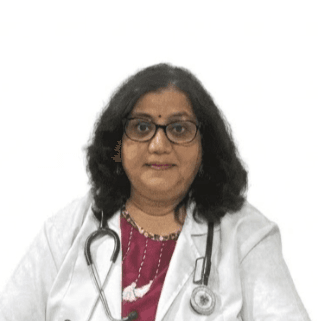
Dr.Sumana Patavardhan.K.S.
Bangalore
Panchakarma & Detoxification Therapies, Women’s Health & Gynaecological Disorders, Infertility & Reproductive Health, Skin Disorders & Ayurvedic Cosmetology, Hair & Scalp Disorders, Weight Management & Metabolic Disorders, Diabetes & Lifestyle Disorders, Bone, Joint & Musculoskeletal Disorders, Ayurvedic Proctology, Ayurvedic Surgery & Kshara Sutra, ENT & Head-Neck Disorders, Digestive & Gastrointestinal Disorders, Neurological Disorders, Stress, Anxiety & Sleep Disorders, Chronic Health Conditions, Ayurvedic Diet & Nutrition