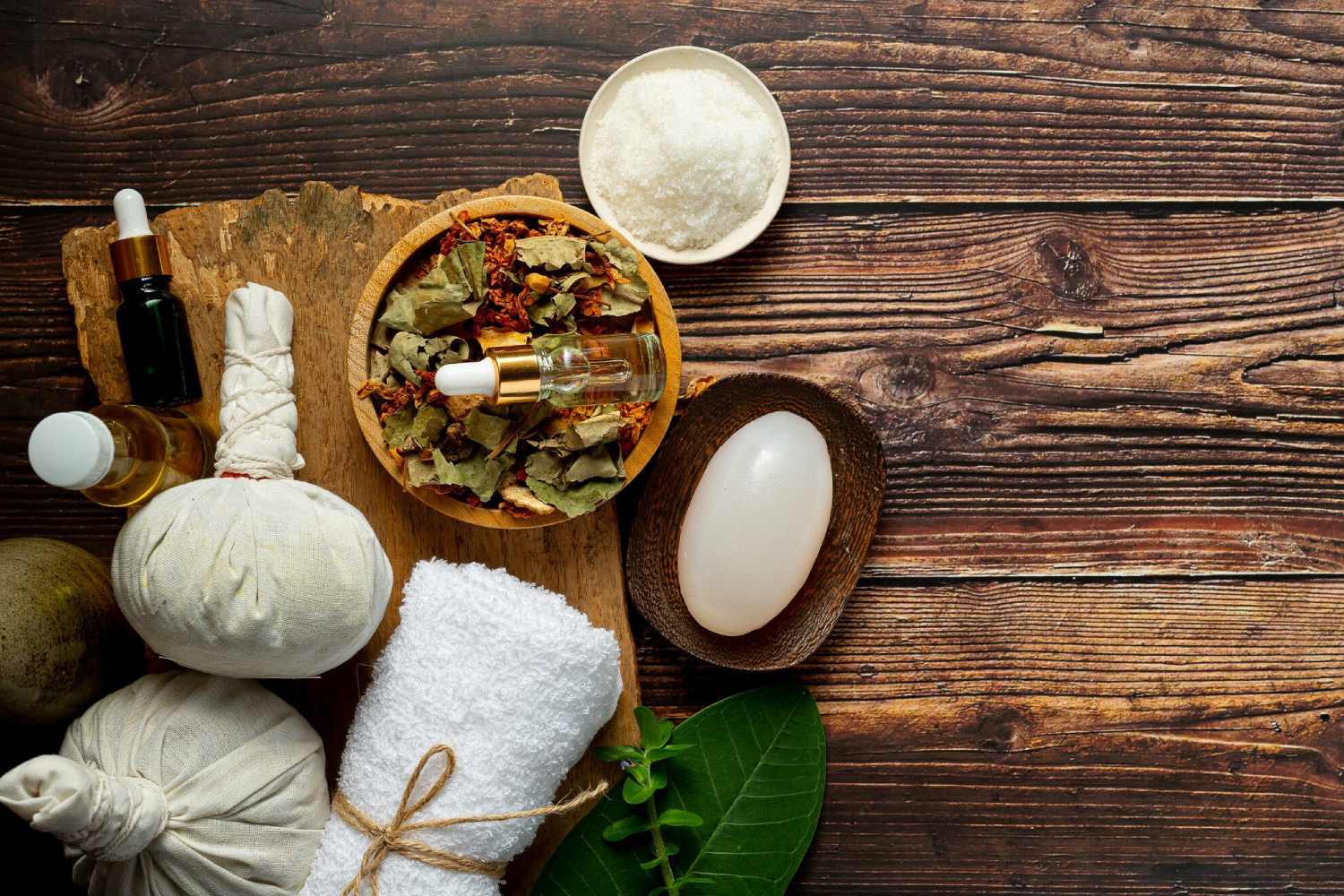
Udwartana Treatment in Ayurveda
Experience holistic Ayurvedic approach to restoring natural vitality.
Request an Appointment
Table of Contents
Need personalized advice?
Introduction
Have you been looking for a natural way to support healthy weight management, improve skin texture, reduce excess body fat, and feel more energetic? Udwartana is one of Ayurveda's most effective external therapies for balancing Kapha Dosha and supporting metabolism. Unlike an oil massage, Udwartana uses specially selected herbal powders that are rubbed over the body using firm upward strokes.
This traditional therapy is widely recommended as part of Panchakarma and Ayurvedic wellness programs for individuals with obesity, sluggish metabolism, excess Kapha, cellulite, and certain skin concerns. While Udwartana can support weight management and improve overall well-being, it should always be performed under the guidance of a qualified Ayurvedic doctor after an individual health assessment.
At Adyant Ayurveda, our experienced Ayurvedic doctors recommend Udwartana only after evaluating your Prakriti (body constitution), Dosha imbalance, medical history, and treatment goals. This personalized approach helps ensure that the therapy is both safe and suitable for your specific health condition.
What is Udwartana? (Quick Answer)
Udwartana is a traditional Ayurvedic therapy in which warm herbal powders are massaged over the body using firm upward strokes. The treatment is primarily recommended to reduce Kapha Dosha, improve circulation, support healthy metabolism, exfoliate the skin, and assist in Ayurvedic weight management programs. Depending on an individual's health condition, it may also be combined with other Panchakarma therapies for better results.
What is Udwartana?
Udwartana is a classical Ayurvedic therapy that involves massaging the body with herbal powders instead of oils. The massage is performed in an upward direction, opposite to the direction of hair growth. This unique technique distinguishes Udwartana from Abhyanga, the traditional Ayurvedic oil massage.
The herbal powders used during the therapy are selected based on the patient's health condition and Ayurvedic diagnosis. These powders may contain herbs known for their Kapha-reducing, cleansing, and skin-supporting properties.
The primary objective of Udwartana is to:
- Reduce excess Kapha Dosha
- Support healthy metabolism
- Improve circulation
- Enhance lymphatic flow
- Exfoliate dead skin cells
- Promote healthier-looking skin
- Support Ayurvedic weight management programs
Although many people associate Udwartana with weight loss, Ayurveda considers it much more than a cosmetic therapy. It is designed to help restore balance within the body while supporting overall health and wellness.
Meaning of Udwartana in Ayurveda
The word Udwartana comes from the Sanskrit terms:
- Ud – Upward
- Vartana – To move or rub
Together, Udwartana refers to a massage performed with upward rubbing movements using herbal powders.
Classical Ayurvedic texts describe Udwartana as a therapy that helps reduce Kapha Dosha and Meda Dhatu (fat tissue) while improving skin health and body lightness. According to Ayurveda, excess Kapha and the accumulation of Ama (metabolic toxins) can contribute to sluggish metabolism, heaviness, weight gain, and reduced energy levels.
The upward massage technique, combined with specific herbal formulations, is believed to stimulate the body's channels (Srotas), improve circulation, and support the natural elimination of waste products.
Why is Udwartana Important in Ayurveda?
Ayurveda focuses on maintaining harmony between the body's three Doshas:
- Vata
- Pitta
- Kapha
When Kapha becomes excessive due to unhealthy eating habits, lack of physical activity, poor digestion, or a sedentary lifestyle, it may contribute to symptoms such as:
- Weight gain
- Body heaviness
- Sluggish metabolism
- Oily skin
- Excess sweating
- Lethargy
- Water retention
Udwartana is one of the therapies traditionally recommended to help manage these Kapha-related imbalances. When combined with an appropriate Ayurvedic diet, lifestyle modifications, exercise, and other therapies as advised by an Ayurvedic doctor, Udwartana may support better metabolic health and overall well-being.
It is important to note that Udwartana is not a standalone treatment for obesity or metabolic disorders. People with chronic medical conditions should continue their prescribed medical care and consult both their physician and Ayurvedic doctor before starting Panchakarma therapies.
How Does Udwartana Work?
From an Ayurvedic perspective, Udwartana works by combining the therapeutic effects of herbal powders with rhythmic upward massage techniques.
1. Helps Balance Kapha Dosha
The dry nature of herbal powders helps counter the heaviness and oiliness associated with excess Kapha. This makes Udwartana particularly suitable for individuals with Kapha dominance or Kapha-related imbalances.
2. Supports Healthy Metabolism
According to Ayurveda, improved circulation and stimulation of body channels may support metabolic function. Udwartana is often included in comprehensive Ayurvedic weight management programs that also emphasize diet, exercise, and lifestyle changes.
3. Encourages Better Circulation
The firm massage strokes stimulate the skin and underlying tissues, which may improve local blood circulation. Better circulation helps nourish tissues and contributes to healthier-looking skin.
4. Promotes Skin Exfoliation
The herbal powders gently remove dead skin cells, helping the skin feel smoother and fresher after therapy. Regular sessions may improve skin texture as part of an overall skincare routine.
5. Supports Lymphatic Drainage
The massage movements may encourage healthy lymphatic circulation, which plays an important role in maintaining tissue health and fluid balance.
6. Helps Reduce Body Heaviness
Many people report feeling lighter and more energetic after completing a series of Udwartana sessions. These effects are usually achieved when the therapy is combined with healthy dietary habits and regular physical activity.
Types of Udwartana
Ayurvedic doctors recommend different types of Udwartana depending on an individual's Dosha imbalance, skin condition, and treatment goals.
Ruksha Udwartana (Dry Powder Massage)
Ruksha means dry.
This is the most commonly performed form of Udwartana. Dry herbal powders are applied directly to the body without mixing them with oil.
It is commonly recommended for:
- Excess body weight
- Kapha imbalance
- Sluggish metabolism
- Oily skin
- Cellulite
- Water retention
Because it has a drying effect, this therapy is generally selected for people with excess Kapha rather than those with predominant Vata.
Snigdha Udwartana (Powder Massage with Oil)
In Snigdha Udwartana, herbal powders are mixed with medicated oils before application.
This variation may be considered for individuals who have:
- Dry skin
- Vata-Kapha imbalance
- Mild stiffness
- Sensitive skin requiring a gentler approach
The medicated oil helps reduce excessive dryness while still providing the benefits of herbal powders.
Utsadana
Utsadana is a gentler herbal paste massage primarily performed for skin nourishment and rejuvenation.
It may be recommended for:
- Improving skin texture
- Bridal wellness programs
- Dry skin
- Cosmetic Ayurvedic care
Unlike Ruksha Udwartana, Utsadana focuses more on enhancing skin health than on Kapha reduction or weight management.
Step-by-Step Udwartana Procedure
Udwartana is not just a massage—it is a therapeutic Ayurvedic procedure performed according to classical principles. At Adyant Ayurveda, every patient undergoes a detailed consultation before the therapy is recommended. The selection of herbs, treatment duration, and number of sessions depend on the individual's body constitution (Prakriti), Dosha imbalance, age, lifestyle, and overall health.
Important: Udwartana should always be performed by trained Panchakarma therapists under the supervision of a qualified Ayurvedic doctor.
1. Ayurvedic Consultation and Assessment
Before starting treatment, the Ayurvedic doctor evaluates:
- Prakriti (body constitution)
- Dosha imbalance (Vata, Pitta, Kapha)
- Digestive strength (Agni)
- Presence of Ama (metabolic toxins)
- Medical history
- Current medications
- Body weight and lifestyle
- Skin condition
- Treatment goals
Based on this assessment, the doctor decides whether Udwartana is appropriate or whether another Panchakarma therapy would be more beneficial.
2. Selection of Herbal Powders
There is no single herbal powder suitable for everyone. The formulation is customized according to the patient's health condition.
The herbs are selected to help:
- Reduce excess Kapha
- Support healthy metabolism
- Improve skin health
- Enhance circulation
- Promote detoxification
- Reduce body heaviness
Freshly prepared herbal powders are generally preferred to maintain their therapeutic properties.
3. Preparation Before Therapy
Before the massage begins:
- The therapy room is kept warm and comfortable.
- The patient changes into appropriate treatment clothing.
- The procedure is explained.
- The herbal powders are prepared.
Unlike Abhyanga, little or no oil may be used, depending on the type of Udwartana prescribed.
4. Herbal Powder Massage
The therapist applies the herbal powder over the entire body using firm, rhythmic strokes directed upward, opposite the direction of hair growth.
Special attention is given to areas such as:
- Arms
- Legs
- Abdomen
- Back
- Buttocks
- Thighs
- Hips
The upward massage technique is believed to stimulate circulation, reduce Kapha, and support the movement of lymphatic fluid.
A typical session lasts 30 to 45 minutes, although the duration may vary based on the treatment plan.
5. Swedana (Herbal Steam Therapy)
After Udwartana, many patients undergo Swedana, a therapeutic herbal steam treatment.
Steam therapy may help:
- Relax muscles
- Open skin pores
- Improve circulation
- Support sweating
- Enhance the benefits of Udwartana
The decision to include Swedana depends on the patient's condition and the doctor's recommendation.
6. Post-Treatment Care
Following the therapy:
- The herbal powder is gently removed.
- The patient may take a warm water bath after the advised waiting period.
- Plenty of warm water is recommended.
- Light meals are preferred.
- Adequate rest is encouraged.
Following the doctor's dietary and lifestyle advice helps maximize the benefits of the therapy.
Herbs Commonly Used in Udwartana
Ayurveda uses different herbs depending on the individual's condition. The following herbs are commonly included in Udwartana formulations.
Triphala
Triphala is one of Ayurveda's most respected herbal combinations.
It is traditionally used to:
- Support detoxification
- Promote healthy skin
- Help maintain metabolic balance
- Improve tissue health
Kulattha (Horse Gram)
Horse Gram is widely used in Ayurvedic weight management therapies.
Traditionally, it is believed to help:
- Reduce Kapha
- Support fat metabolism
- Decrease body heaviness
Musta (Cyperus rotundus)
Musta is known for its balancing effects on Kapha and Pitta.
It may support:
- Healthy digestion
- Skin health
- Metabolic function
Vacha (Acorus calamus)
Vacha is traditionally valued for stimulating circulation and reducing Kapha-related sluggishness.
Haridra (Turmeric)
Turmeric is well known for its antioxidant and skin-supporting properties.
It is commonly included to help:
- Promote healthy skin
- Support the body's natural inflammatory response
- Improve complexion
Lodhra
Lodhra has long been used in Ayurveda for skin care.
It may help:
- Improve skin texture
- Reduce excessive oiliness
- Support healthy skin tone
Neem
Neem is traditionally used for maintaining healthy skin.
Its inclusion may be beneficial for individuals with oily or acne-prone skin.
Barley (Yava)
Barley is considered one of the best grains for balancing Kapha.
Its powder is often included in Udwartana to:
- Provide gentle exfoliation
- Support healthy skin
- Help reduce body heaviness
Nagarmotha
Nagarmotha is another herb commonly used in Kapha-balancing therapies.
It supports:
- Healthy digestion
- Metabolism
- Skin cleansing
Benefits of Udwartana
Udwartana offers multiple health and wellness benefits when prescribed appropriately as part of a comprehensive Ayurvedic treatment plan.
Supports Healthy Weight Management
One of the primary reasons people undergo Udwartana is to support weight management.
When combined with:
- A personalized Ayurvedic diet
- Regular exercise
- Lifestyle modifications
- Panchakarma therapies
Udwartana may help improve body composition over time.
It should not be viewed as a quick weight-loss solution.
May Help Reduce Body Measurements
Some individuals notice gradual reductions in body measurements as part of a medically supervised Ayurvedic wellness program.
Results vary depending on:
- Diet
- Physical activity
- Hormonal health
- Existing medical conditions
- Consistency of treatment
Improves Blood Circulation
The firm upward massage stimulates local blood flow, helping nourish tissues and improve oxygen delivery.
Better circulation also contributes to healthier skin.
Supports Healthy Lymphatic Drainage
Healthy lymphatic circulation is essential for maintaining fluid balance and tissue health.
Udwartana massage techniques may encourage normal lymphatic movement and reduce the feeling of heaviness.
Naturally Exfoliates the Skin
The herbal powders gently remove dead skin cells without harsh chemicals.
Benefits include:
- Smoother skin
- Softer texture
- Improved appearance
- Better absorption of skincare products
Improves Skin Texture
Regular sessions may help the skin appear:
- Brighter
- Cleaner
- Smoother
- More even in texture
Individual results vary depending on skin type and overall health.
Supports Healthy Metabolism
According to Ayurveda, Udwartana stimulates body channels (Srotas) and helps balance Kapha, supporting healthy metabolic function when combined with appropriate diet and lifestyle.
May Help Reduce Cellulite Appearance
Although scientific evidence is limited, many people notice smoother skin after repeated sessions.
The massage improves local circulation and skin texture, which may reduce the visible appearance of cellulite in some individuals.
Helps Reduce Body Heaviness
People with Kapha imbalance often experience:
- Lethargy
- Excess sleep
- Sluggishness
- Feeling heavy
Udwartana may help them feel lighter and more energetic after completing the recommended treatment course.
Medical Conditions Where Udwartana May Be Recommended
Ayurvedic doctors may recommend Udwartana as part of a comprehensive treatment plan for selected individuals with:
- Overweight and obesity
- Kapha imbalance
- Sluggish metabolism
- Cellulite
- Water retention
- Oily skin
- Excessive sweating
- Sedentary lifestyle
- Mild musculoskeletal stiffness
- Metabolic syndrome (supportive care)
- PCOS associated with weight gain (where clinically appropriate)
- Elevated cholesterol as part of an Ayurvedic wellness plan
Medical Disclaimer: Udwartana is a supportive Ayurvedic therapy. It is not a cure for obesity, diabetes, PCOS, high cholesterol, or any chronic medical condition. Patients should continue prescribed medical treatment and seek guidance from qualified healthcare professionals.
Udwartana for Weight Management
One of the most common questions patients ask is whether Udwartana can help with weight loss.
The answer is that Udwartana supports weight management, but it is not a standalone solution.
The therapy works best when combined with:
- A personalized Ayurvedic diet
- Regular physical activity
- Adequate sleep
- Stress management
- Panchakarma therapies when indicated
- Ongoing medical supervision
Ayurveda emphasizes that sustainable weight management depends on correcting the root causes of imbalance rather than relying on a single therapy. Udwartana is therefore used as one component of a holistic treatment plan tailored to the individual.
Udwartana for Skin Care
Although Udwartana is widely known as an Ayurvedic therapy for supporting weight management, it is equally valued for promoting healthy skin. The herbal powders used during the treatment gently exfoliate the skin, remove accumulated dead skin cells, and stimulate circulation, leaving the skin feeling refreshed and rejuvenated.
Regular sessions, when recommended by an Ayurvedic doctor, may help improve skin texture and enhance the natural glow of the skin.
1. Natural Skin Exfoliation
The fine herbal powders act as a natural exfoliant by removing dead skin cells without the use of harsh chemicals.
Benefits include:
- Smooth and soft skin
- Cleaner skin surface
- Reduced roughness
- Improved skin texture
2. Supports Healthy Skin Tone
By improving local blood circulation, Udwartana may contribute to healthier-looking skin and a more even complexion.
It is often included in Ayurvedic wellness and bridal care programs for individuals seeking naturally radiant skin.
3. Helps Manage Oily Skin
According to Ayurveda, excess Kapha can contribute to oily skin. The dry herbal powders used in Udwartana help absorb excess oil and leave the skin feeling fresh.
4. Promotes Healthy Sweat Gland Function
People with excessive sweating and body odour related to Kapha imbalance may benefit from Udwartana as part of a personalized Ayurvedic treatment plan.
5. Skin Rejuvenation
The combination of herbal powders and therapeutic massage supports skin nourishment and may improve the overall appearance of the skin over time.
Who Can Benefit from Udwartana?
Udwartana is recommended only after an Ayurvedic consultation. It is not suitable for everyone, and the decision depends on your health condition, Dosha imbalance, and treatment goals.
Your Ayurvedic doctor may recommend Udwartana if you have:
- Kapha-dominant body constitution
- Overweight or obesity
- Sedentary lifestyle
- Sluggish metabolism
- Water retention
- Cellulite
- Oily skin
- Excessive sweating
- Feeling of body heaviness
- Mild stiffness due to inactivity
- Individuals enrolled in Ayurvedic wellness or detoxification programs
People who maintain an active lifestyle may also undergo Udwartana periodically as part of preventive Ayurvedic healthcare.
Who Should Avoid Udwartana?
Although Udwartana is generally considered safe when performed correctly, it may not be appropriate for everyone.
The therapy may be postponed or avoided in situations such as:
- Pregnancy (unless specifically advised by an Ayurvedic doctor)
- High fever
- Acute infections
- Open wounds
- Burns
- Active skin infections
- Severe dehydration
- Immediately after surgery
- Severe weakness or extreme fatigue
- Certain Vata-dominant conditions requiring nourishing therapies
- Uncontrolled chronic illnesses unless cleared by the treating physician
A detailed consultation helps determine whether Udwartana is the right therapy or if another Panchakarma procedure would be more appropriate.
Duration and Number of Sessions
The duration of Udwartana depends on the individual's health condition and treatment objectives.
Typical Session Duration
- 30–45 minutes for the herbal powder massage
- Additional time if Swedana (herbal steam therapy) is included
Recommended Course
Many patients are advised to undergo:
- 7 sessions
- 14 sessions
- 21 sessions
The exact number varies depending on factors such as:
- Body constitution
- Degree of Kapha imbalance
- Weight management goals
- Skin condition
- Overall health
Your Ayurvedic doctor will create a personalized treatment schedule based on your clinical assessment.
Diet During Udwartana Therapy
Diet plays an important role in achieving the desired outcomes of Udwartana. Ayurveda considers food to be one of the most powerful tools for balancing Doshas and supporting metabolism.
Foods Commonly Recommended
- Warm water throughout the day
- Freshly prepared home-cooked meals
- Green leafy vegetables
- Seasonal vegetables
- Whole grains such as barley and millets
- Moong dal
- Horse gram (where appropriate)
- Fresh fruits suitable for your body constitution
- Light soups
Foods to Limit or Avoid
- Deep-fried foods
- Bakery products
- Sugary beverages
- Processed foods
- Ice creams
- Excess dairy products
- Carbonated drinks
- Excess sweets
- Heavy meals late at night
Diet recommendations should always be individualized based on your Prakriti and medical condition.
Aftercare Following Udwartana
Proper aftercare helps enhance the benefits of the therapy.
After the session, patients are generally advised to:
- Drink warm water to stay hydrated.
- Eat light, freshly prepared meals.
- Avoid heavy or oily foods on the day of treatment.
- Rest if needed, but avoid sleeping immediately after therapy.
- Wear comfortable clothing.
- Follow the medicines and dietary recommendations prescribed by the Ayurvedic doctor.
- Continue regular physical activity if advised.
Maintaining healthy lifestyle habits between sessions contributes significantly to long-term results.
Are There Any Side Effects of Udwartana?
When performed by trained Panchakarma therapists under medical supervision, Udwartana is generally well tolerated.
Some individuals may experience temporary effects such as:
- Mild skin redness
- Slight dryness
- Temporary muscle soreness
- Increased thirst
These effects usually resolve naturally within a short period.
If you notice persistent skin irritation, severe discomfort, allergic reactions, or any unusual symptoms, contact your Ayurvedic doctor promptly.
Udwartana vs Abhyanga
Many patients confuse Udwartana with Abhyanga. Although both are Ayurvedic massage therapies, they have different purposes.
Feature | Udwartana | Abhyanga |
Massage Medium | Herbal powders | Medicated herbal oils |
Direction of Massage | Upward strokes | Downward and circular strokes |
Primary Dosha | Kapha | Vata |
Main Purpose | Weight management, exfoliation, metabolism support | Relaxation, nourishment, stress relief |
Skin Effect | Cleansing and exfoliating | Moisturizing and nourishing |
Ideal For | Kapha imbalance, obesity, oily skin | Dry skin, Vata disorders, fatigue |
Both therapies have unique benefits, and your Ayurvedic doctor will recommend the most suitable option based on your individual needs.
Book Your Udwartana Consultation
If you are looking for a natural Ayurvedic approach to support healthy weight management, improve skin health, enhance circulation, and balance Kapha Dosha, consult the experienced team at Adyant Ayurveda.
After evaluating your body constitution, medical history, and wellness goals, our Ayurvedic doctors will recommend a personalized treatment plan that may include Udwartana along with dietary guidance, lifestyle modifications, and other Panchakarma therapies where appropriate.
Take the first step toward better health with expert Ayurvedic care. Schedule your consultation at your nearest Adyant Ayurveda clinic today.
Frequently Asked Questions
<p>Udwartana is a traditional Ayurvedic therapy in which herbal powders are massaged over the body using upward strokes to help balance Kapha Dosha, support healthy metabolism, improve circulation, and promote skin health.</p>
<p>Udwartana can support weight management as part of a comprehensive Ayurvedic treatment plan that includes a balanced diet, regular exercise, and healthy lifestyle habits. It should not be considered a standalone weight-loss treatment.</p>
<p>There is no evidence that Udwartana specifically targets belly fat. However, it may support overall body weight management when combined with appropriate dietary and lifestyle measures.</p>
<p>No. The therapy involves firm massage strokes but should not be painful. The pressure is adjusted according to the individual's comfort and health condition.</p>
<p>The number of sessions varies depending on your health goals. Many treatment plans include 7, 14, or 21 sessions, but the exact duration is decided after an Ayurvedic consultation.</p>
<p>Individuals with diabetes may be able to undergo Udwartana after medical evaluation. The therapy should only be performed under the supervision of a qualified Ayurvedic doctor and should not replace prescribed diabetes treatment.</p>
<p>Udwartana may improve skin texture and local circulation, which can reduce the appearance of cellulite in some individuals. Results vary from person to person.</p>
<p>Yes. Udwartana can be recommended for both men and women after a proper Ayurvedic assessment, provided there are no medical contraindications.</p>
<p>At Adyant Ayurveda, we combine authentic Ayurvedic principles with personalized patient care to deliver safe and effective Panchakarma therapies.</p>
<ul><li>28+ years of expertise in Ayurveda and Panchakarma </li><li>Experienced Ayurvedic doctors for comprehensive consultations </li><li>Individualized treatment plans based on Prakriti and Dosha assessment </li><li>Skilled Panchakarma therapists trained in classical Ayurvedic procedures </li><li>Authentic herbal powders prepared according to Ayurvedic principles </li><li>Hygienic and patient-friendly treatment facilities </li><li>Multiple clinics across Bengaluru for convenient access </li><li>Personalized dietary and lifestyle guidance to support long-term wellness </li><li>Focus on holistic health rather than symptom-based care </li></ul><p>Every Udwartana treatment at Adyant Ayurveda begins with a detailed consultation to ensure that the therapy is appropriate for your specific health needs.</p>
Medical Disclaimer
This content is for educational purposes only and should not be considered medical advice. Always consult a qualified Ayurvedic doctor before undergoing any treatments.
Specialists
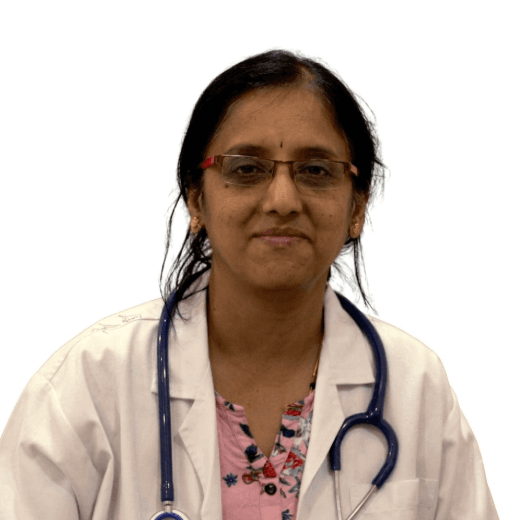
Dr. Srilakshmi
Bangalore
Panchakarma & Detoxification Therapies, Women’s Health & Gynaecological Disorders, Infertility & Reproductive Health, Skin Disorders & Ayurvedic Cosmetology, Hair & Scalp Disorders, Weight Management & Metabolic Disorders, Diabetes & Lifestyle Disorders, Bone, Joint & Musculoskeletal Disorders, Ayurvedic Proctology, Ayurvedic Surgery & Kshara Sutra, ENT & Head-Neck Disorders, Digestive & Gastrointestinal Disorders, Neurological Disorders, Stress, Anxiety & Sleep Disorders, Chronic Health Conditions, Ayurvedic Diet & Nutrition
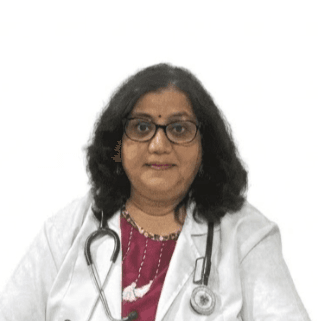
Dr.Sumana Patavardhan.K.S.
Bangalore
Panchakarma & Detoxification Therapies, Women’s Health & Gynaecological Disorders, Infertility & Reproductive Health, Skin Disorders & Ayurvedic Cosmetology, Hair & Scalp Disorders, Weight Management & Metabolic Disorders, Diabetes & Lifestyle Disorders, Bone, Joint & Musculoskeletal Disorders, Ayurvedic Proctology, Ayurvedic Surgery & Kshara Sutra, ENT & Head-Neck Disorders, Digestive & Gastrointestinal Disorders, Neurological Disorders, Stress, Anxiety & Sleep Disorders, Chronic Health Conditions, Ayurvedic Diet & Nutrition