Swedana Therapy in Ayurveda
Experience holistic Ayurvedic approach to restoring natural vitality.
Request an Appointment
Table of Contents
Need personalized advice?
Introduction
Swedana therapy, also known as Swedana Karma or Ayurvedic sudation therapy, is an important therapy in Ayurveda. It involves inducing controlled sweating in the body using heat, steam, herbal preparations or other traditional methods.
In Ayurveda, Swedana is commonly used to support muscle relaxation, joint flexibility, circulation and the removal of accumulated doshas from the body. It is also an important preparatory procedure before certain Panchakarma treatments.
At Adyant Ayurveda, Swedana therapy is selected based on the person's health condition, body constitution, age, strength and treatment requirement. The method and duration may vary from person to person.
What Is Swedana Therapy?
The word Swedana comes from the Sanskrit word Sweda, which means sweat.
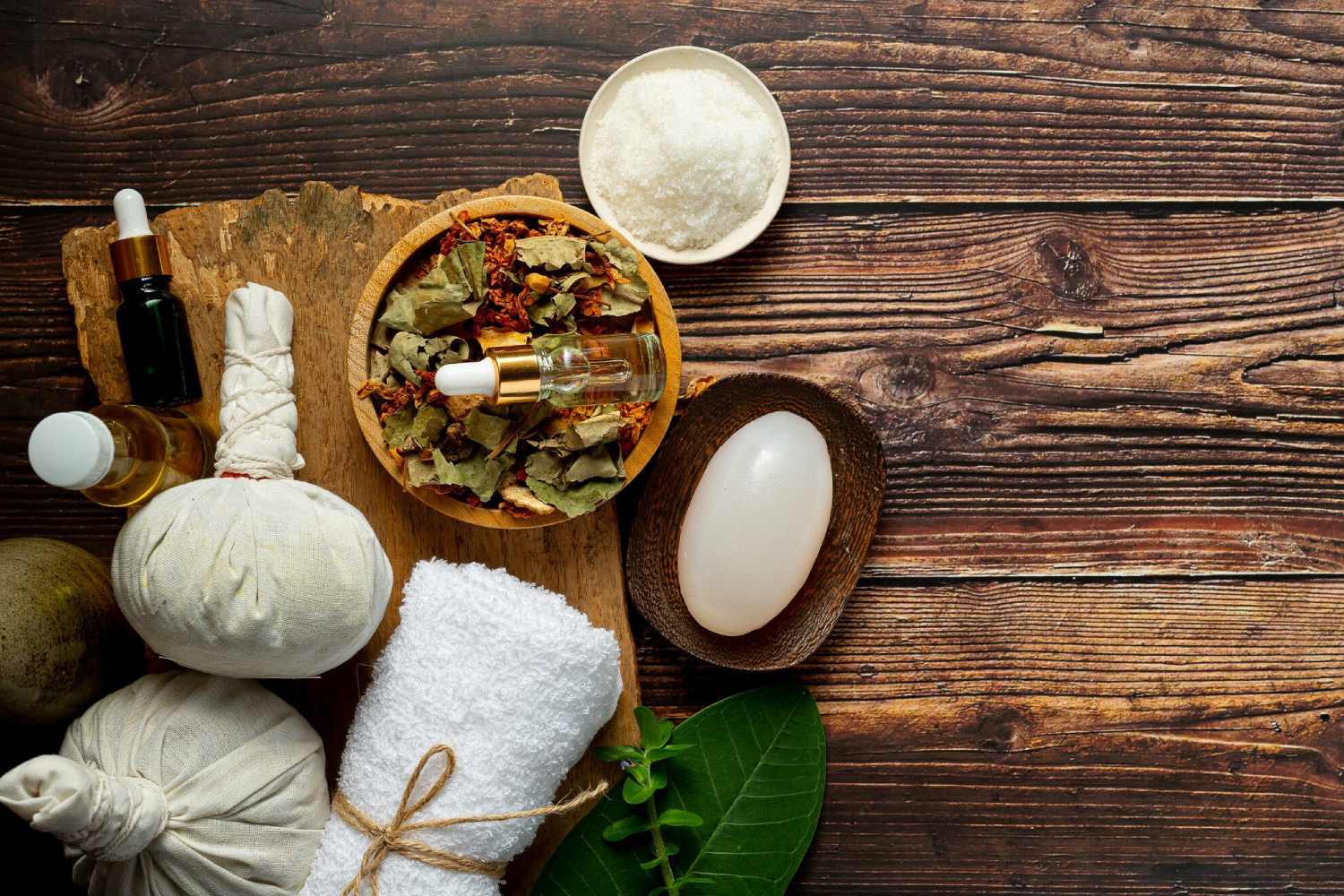
Swedana is a therapeutic process in which the body is exposed to controlled heat to induce sweating. The heat may be provided through:
- Herbal steam
- Warm herbal poultices
- Heated medicinal substances
- Localised heat therapy
- Special Ayurvedic steam chambers
The aim is not simply to make a person sweat. In Ayurveda, the therapy is carefully planned according to the individual's condition and treatment objective.
Swedana is often performed after Snehana, or oleation therapy. External oil application followed by therapeutic sweating is a commonly used Ayurvedic approach in many treatment protocols.
Why Is Swedana Done in Ayurveda?
According to Ayurveda, Swedana is traditionally used to help:
- Relax stiff muscles
- Support joint mobility
- Reduce the feeling of heaviness and stiffness
- Improve flexibility
- Prepare the body for certain Panchakarma procedures
- Support the movement of aggravated doshas towards the gastrointestinal tract before elimination therapies
The therapy is generally customised according to the person's condition. A person with stiffness may require a different type of Swedana compared to someone undergoing a Panchakarma procedure.
How Does Swedana Therapy Work?
During Swedana, controlled heat increases warmth in the body and induces sweating.
From an Ayurvedic perspective, this process helps reduce stiffness, heaviness and coldness, which are commonly associated with aggravated Vata and Kapha doshas.
In clinical practice, the type of Swedana is selected depending on:
- The condition being treated
- The affected body area
- The person's strength
- Age and general health
- Dosha predominance
- The main treatment plan
For this reason, Swedana should not be considered a one-size-fits-all therapy.
Common Types of Swedana Therapy
Ayurveda describes different types of Swedana. Some are applied to the whole body, while others are performed only on specific areas.
1. Bashpa Swedana
Bashpa Swedana is a traditional herbal steam therapy.
The person is exposed to steam prepared using selected medicinal herbs. The head is generally kept outside the steam chamber, depending on the treatment method and the patient's condition.
It may be used as part of Ayurvedic treatment protocols for:
- Muscle stiffness
- Joint stiffness
- Body heaviness
- Certain musculoskeletal conditions
- Panchakarma preparation
The herbs used may vary according to the treatment requirement.
2. Nadi Swedana
Nadi Swedana is a localised steam therapy.
Medicinal steam is directed towards a particular part of the body using a special apparatus. This allows the therapy to focus on areas such as:
- The back
- Neck
- Shoulder
- Knee
- Other joints
Nadi Swedana is commonly selected when localised heat is required.
3. Pinda Swedana
Pinda Swedana involves the use of warm medicinal boluses or pottalis.
Depending on the treatment, the bolus may contain:
- Herbal powders
- Rice preparations
- Medicinal leaves
- Other Ayurvedic ingredients
The warm bolus is gently applied or massaged over the body or affected area. Different forms include therapies such as Patra Pinda Sweda and Shashtika Shali Pinda Sweda.
4. Patra Pinda Sweda
Patra Pinda Sweda is a form of herbal leaf bolus therapy.
Medicinal leaves and herbs are prepared into warm boluses and applied over the body. The treatment is usually performed along with suitable oils selected according to the person's condition.
It is commonly considered in Ayurvedic treatment plans for conditions associated with:
- Stiffness
- Musculoskeletal discomfort
- Restricted movement
- Certain joint and soft tissue problems
5. Shashtika Shali Pinda Sweda
Shashtika Shali Pinda Sweda is a specialised Ayurvedic therapy using medicinal rice prepared in a nourishing herbal decoction and milk.
The warm rice boluses are gently applied over the body in a rhythmic manner.
This therapy is generally considered more nourishing and strengthening compared to some other forms of Swedana. It may be selected in specific treatment plans where both warmth and nourishment are required.
6. Kuti Sweda
Kuti Sweda is a traditional form of whole-body sweating therapy performed in a specially prepared enclosure.
The person is exposed to controlled heat, usually under the supervision of an Ayurvedic physician.
This type of therapy requires proper monitoring and is not suitable for everyone.
7. Localised Swedana
In some cases, Swedana may be performed only on a particular body part.
For example:
- Knee Swedana
- Shoulder Swedana
- Lower back Swedana
- Neck Swedana
- Hand or foot Swedana
The type of heat and method used depends on the condition and treatment plan.
What Happens During a Swedana Therapy Session?
The exact procedure may vary depending on the type of Swedana being performed.
Generally, the process may include:
Step 1: Ayurvedic Consultation
Before the treatment, the Ayurvedic physician evaluates the person's:
- Main health concern
- Medical history
- Body constitution
- Dosha imbalance
- Age
- Strength
- Current medicines or treatments
This helps determine whether Swedana is appropriate.
Step 2: Preparation
The person is prepared for the therapy. In some cases, Abhyanga, or Ayurvedic oil massage, may be performed before Swedana.
This combination is commonly used as part of several Ayurvedic treatment protocols.
Step 3: Swedana Therapy
The selected form of Swedana is performed under the supervision of trained Ayurvedic therapists.
The heat is carefully controlled. The duration depends on the individual's condition and tolerance.
Step 4: Rest and Hydration
After the therapy, the person is usually allowed to rest.
Adequate fluids may be advised depending on the individual's condition. The Ayurvedic doctor may also provide specific dietary or lifestyle instructions.
What Are the Benefits of Swedana Therapy?
The benefits of Swedana depend on the type of therapy and the individual's health condition.
Potential therapeutic benefits may include:
Supports Muscle Relaxation
Controlled warmth may help relax tight and stiff muscles.
This can be useful as part of treatment plans where muscle stiffness and restricted movement are present.
May Support Joint Flexibility
Warmth and sweating may help reduce the feeling of stiffness around certain joints.
Swedana is often combined with other Ayurvedic therapies depending on the condition.
Helps Reduce the Feeling of Heaviness
Ayurveda traditionally uses Swedana in conditions associated with heaviness, stiffness and coldness.
Supports Panchakarma Preparation
Swedana is an important preparatory therapy in several Panchakarma protocols.
After appropriate oleation therapy, Swedana may be used to prepare the body for certain procedures. However, the exact sequence depends on the individual's condition and the Panchakarma treatment being planned.
May Support Localised Treatment
Local Swedana allows heat to be directed towards a specific body area.
This can be useful when the treatment plan focuses on a particular joint, muscle group or region of the body.
Swedana Therapy for Joint and Muscle Problems
Swedana is commonly included in Ayurvedic treatment plans for people experiencing stiffness and restricted movement.
Depending on the condition, it may be combined with:
- Abhyanga
- Basti therapy
- Pinda Sweda
- Janu Basti
- Kati Basti
- Greeva Basti
- Ayurvedic medicines
- Exercise and lifestyle guidance
The treatment plan depends on the diagnosis. Swedana alone may not be suitable for every joint or muscle condition.
Swedana Therapy Before Panchakarma
Swedana is often used as part of the preparatory stage of Panchakarma.
In a typical Ayurvedic treatment plan, the doctor may first recommend Snehana, followed by Swedana, depending on the individual's condition and the Panchakarma procedure being planned.
This process is intended to prepare the body for the next stage of treatment.
The exact Panchakarma protocol should always be decided by a qualified Ayurvedic physician.
Who May Benefit from Swedana Therapy?
Swedana may be considered as part of treatment plans for people experiencing:
- Muscle stiffness
- Joint stiffness
- Reduced flexibility
- Body heaviness
- Certain musculoskeletal conditions
- Selected Vata-Kapha-related conditions
- Conditions requiring Panchakarma preparation
However, suitability depends on the individual's complete health condition.
Who Should Avoid or Take Caution with Swedana?
Swedana is not suitable for everyone.
Special caution may be required for people with:
- High fever
- Severe dehydration
- Significant weakness
- Certain heart conditions
- Certain uncontrolled blood pressure conditions
- Pregnancy, depending on the type of therapy
- Severe acute illness
- Conditions where excessive heat or sweating may be unsafe
People with medical conditions should consult a qualified Ayurvedic physician before undergoing Swedana therapy.
The treatment should be performed under professional supervision, particularly when intense heat or full-body sweating is involved.
How Long Does a Swedana Therapy Session Take?
The duration depends on:
- The type of Swedana
- The area being treated
- The person's health condition
- The treatment protocol
- The person's tolerance
A localised Swedana session may take less time than a full-body therapy. The Ayurvedic physician and therapist decide the duration based on the treatment plan.
Is Swedana the Same as a Sauna?
No. Although both involve heat and sweating, Ayurvedic Swedana is not simply a general sauna session.
Swedana is selected and administered as part of an Ayurvedic treatment plan. The type of therapy, herbs, method, duration and treatment area may be decided according to the person's condition.
Some Swedana therapies are localised, while others involve herbal steam or medicinal boluses.
Can Swedana Be Done Every Day?
The frequency of Swedana depends on the individual's condition and treatment requirement.
Some treatment protocols may involve repeated sessions, while others may require only a few sessions.
Daily Swedana should not be started without proper medical advice, especially if the therapy involves intense heat or whole-body sweating.
Final Thoughts
Swedana is an important therapy in Ayurveda that uses controlled heat and sweating as part of a personalised treatment approach.
From herbal steam therapies to medicinal bolus treatments, different forms of Swedana are selected for different purposes. It may be used to support flexibility, reduce stiffness, promote relaxation and prepare the body for selected Panchakarma procedures.
However, Swedana should not be treated as a general heat therapy for everyone. A qualified Ayurvedic physician should assess the person's condition before deciding the appropriate method, duration and frequency.
At Adyant Ayurveda, Swedana therapy is planned according to the individual's health condition and overall Ayurvedic treatment requirement. The therapy may be recommended independently or combined with other Ayurvedic therapies as part of a personalised treatment plan.
Book a consultation with an experienced Ayurvedic physician to understand whether Swedana therapy is suitable for your health condition.
Frequently Asked Questions
<p>Swedana is an Ayurvedic therapeutic procedure that uses controlled heat to induce sweating. It may be used for relaxation, stiffness, flexibility and as part of preparation for certain Panchakarma procedures.</p>
<p>Swedana may be included in Ayurvedic treatment plans for joint stiffness and restricted movement. The appropriate type of Swedana depends on the underlying condition.</p>
<p>Swedana is generally not painful when performed correctly. The temperature and duration should be carefully controlled according to the individual's tolerance.</p>
<p>Yes. In some cases, Swedana may be performed without Abhyanga. In other treatment protocols, Abhyanga may be performed before Swedana. The decision depends on the treatment plan.</p>
<p>Swedana is an important Ayurvedic therapy and may be used as a preparatory procedure before certain Panchakarma treatments. It is not the same as every Panchakarma procedure.</p>
<p>There is no fixed number of sessions for everyone. The number depends on the individual's condition, treatment objective and response to therapy.</p>
Medical Disclaimer
This content is for educational purposes only and should not be considered medical advice. Always consult a qualified Ayurvedic doctor before undergoing any treatments.
Specialists
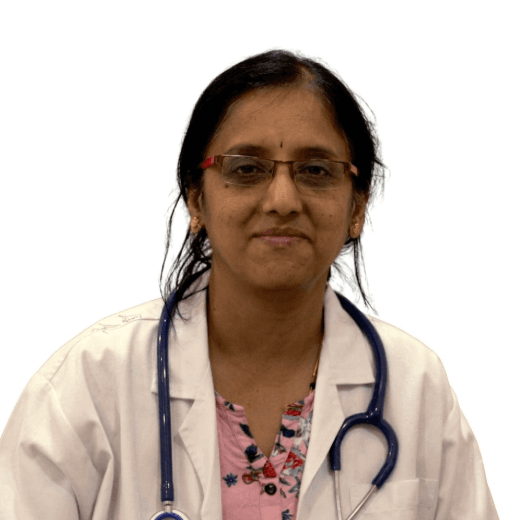
Dr. Srilakshmi
Bangalore
Panchakarma & Detoxification Therapies, Women’s Health & Gynaecological Disorders, Infertility & Reproductive Health, Skin Disorders & Ayurvedic Cosmetology, Hair & Scalp Disorders, Weight Management & Metabolic Disorders, Diabetes & Lifestyle Disorders, Bone, Joint & Musculoskeletal Disorders, Ayurvedic Proctology, Ayurvedic Surgery & Kshara Sutra, ENT & Head-Neck Disorders, Digestive & Gastrointestinal Disorders, Neurological Disorders, Stress, Anxiety & Sleep Disorders, Chronic Health Conditions, Ayurvedic Diet & Nutrition
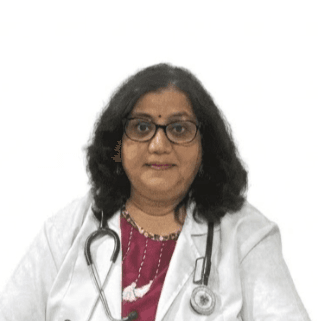
Dr.Sumana Patavardhan.K.S.
Bangalore
Panchakarma & Detoxification Therapies, Women’s Health & Gynaecological Disorders, Infertility & Reproductive Health, Skin Disorders & Ayurvedic Cosmetology, Hair & Scalp Disorders, Weight Management & Metabolic Disorders, Diabetes & Lifestyle Disorders, Bone, Joint & Musculoskeletal Disorders, Ayurvedic Proctology, Ayurvedic Surgery & Kshara Sutra, ENT & Head-Neck Disorders, Digestive & Gastrointestinal Disorders, Neurological Disorders, Stress, Anxiety & Sleep Disorders, Chronic Health Conditions, Ayurvedic Diet & Nutrition