
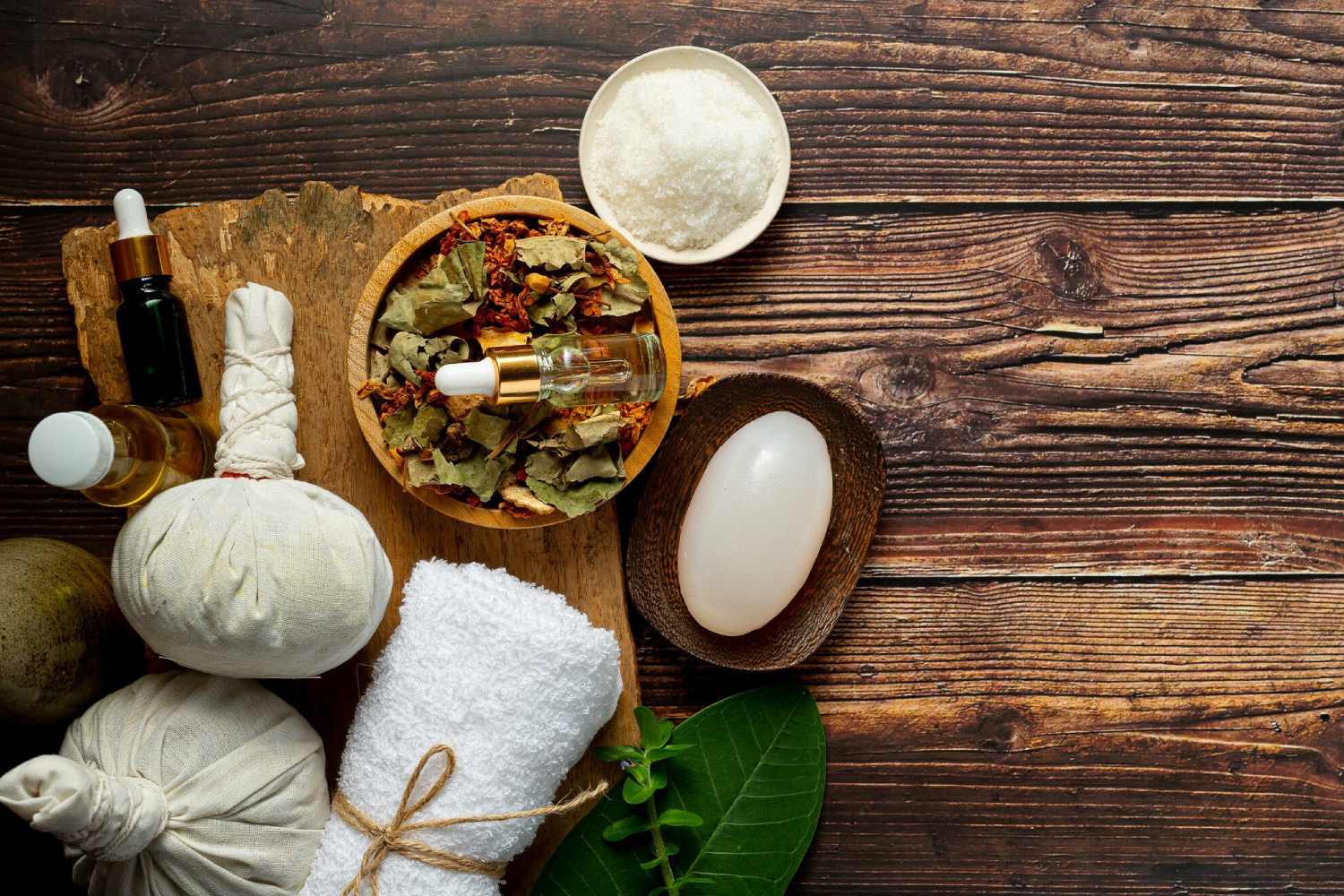
Autism Supportive Ayurvedic Care
Experience holistic Ayurvedic approach to restoring natural vitality.
Request an Appointment
Table of Contents
Need personalized advice?
Introduction
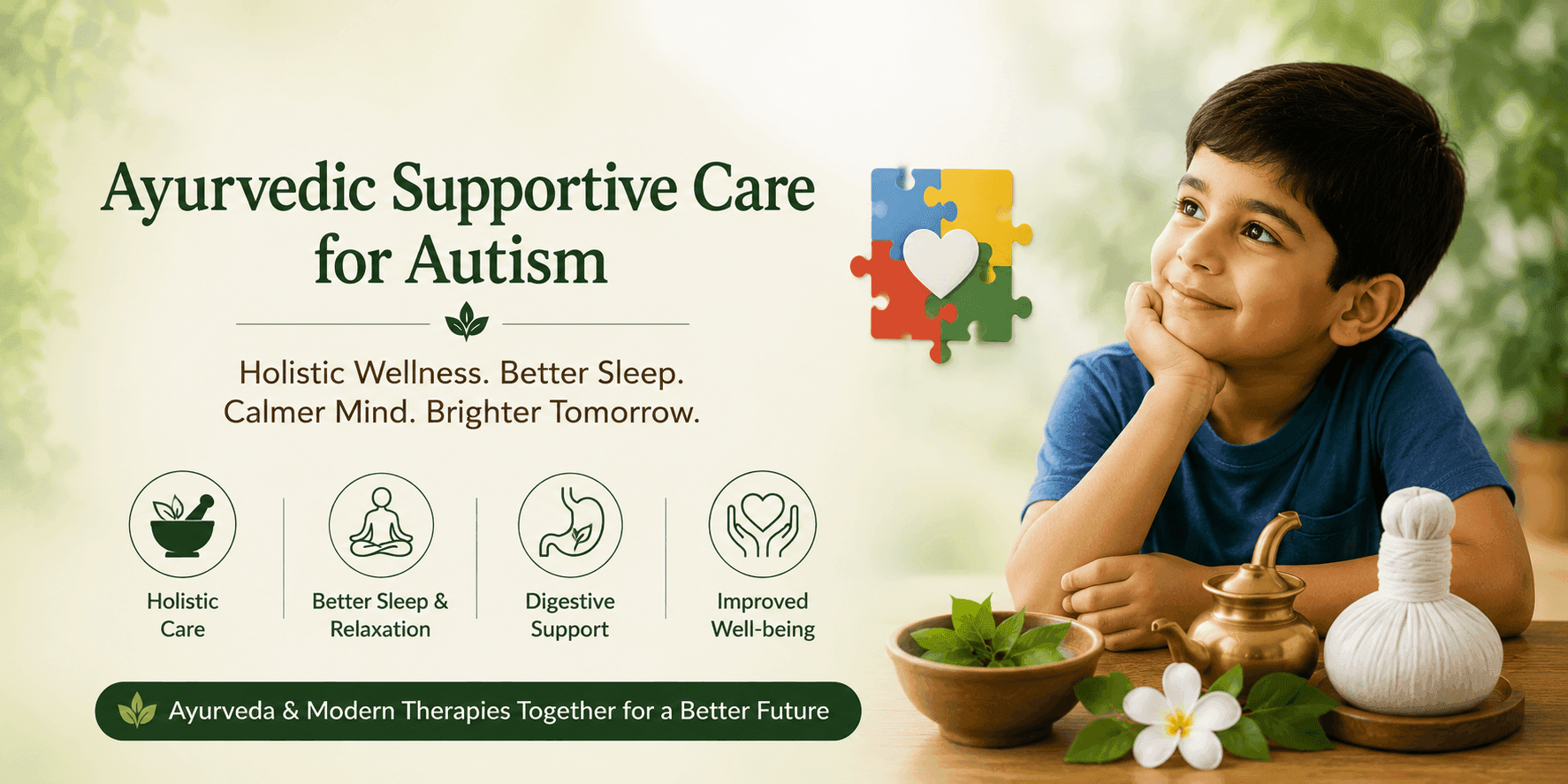
Autism Spectrum Disorder (ASD) is a neurodevelopmental condition that affects communication, social interaction, behavior, sensory processing, and learning. Every individual with autism is unique, with varying strengths, challenges, and support needs.
Early intervention, educational support, speech therapy, occupational therapy, behavioral therapies, and family involvement play an essential role in helping individuals with autism achieve their fullest potential.
Ayurveda may offer supportive care for Autism Spectrum Disorder (ASD) through individualized therapies, lifestyle guidance, Panchakarma procedures when appropriate, and holistic wellness practices that support overall health and quality of life.
Important Medical Disclaimer: Autism Spectrum Disorder is a lifelong neurodevelopmental condition. Ayurveda cannot cure autism, reverse neurological differences, or replace evidence-based therapies. Ayurvedic care should be considered a complementary approach and used alongside appropriate medical, developmental, and educational interventions.
Why Trust Adyant Ayurveda for Autism Supportive Care?
At Adyant Ayurveda, our experienced Ayurvedic physicians provide individualized supportive care plans based on a detailed assessment of the child's health, digestion, sleep patterns, developmental concerns, and overall well-being.
Adyant Ayurveda has over 28 years of experience in Ayurvedic healthcare, Panchakarma therapies, and holistic wellness management. Our physicians evaluate each individual through detailed consultation, health assessment, and personalized treatment planning.
Quick Answer: Can Ayurveda Help Autism?
Ayurveda cannot cure Autism Spectrum Disorder or alter its underlying neurological basis. However, individualized Ayurvedic supportive care may help promote relaxation, improve sleep quality, support digestive health, encourage emotional well-being, and enhance overall quality of life when used alongside conventional therapies.
What is Autism Spectrum Disorder (ASD)?
Autism Spectrum Disorder is a lifelong developmental condition that influences how a person communicates, interacts socially, learns, behaves, and processes sensory information.
The term "spectrum" reflects the wide variation in symptoms, abilities, and support requirements among individuals with autism.
Common Signs and Symptoms of Autism
Symptoms may vary from person to person and can include:
- Delayed speech or language development
- Difficulty with social communication
- Limited eye contact
- Repetitive behaviors or movements
- Preference for routines and predictability
- Sensory sensitivities to sound, light, touch, taste, or smell
- Challenges with emotional regulation
- Difficulty adapting to changes
Causes and Risk Factors
Current scientific research suggests that autism develops due to a combination of genetic and environmental factors affecting early brain development. There is no single known cause.
Importance of Early Diagnosis and Intervention
Early identification allows children to access therapies and educational support during critical developmental years, often improving long-term outcomes and independence.
Can Ayurveda Help in Autism?
Ayurveda approaches health through the balance of body, mind, diet, lifestyle, and environment. While Ayurveda does not treat autism as a curable disease, it may provide supportive measures aimed at improving overall wellness.
Areas Where Ayurvedic Supportive Care May Help
Some individuals may experience benefits in areas such as:
- Better sleep quality
- Improved relaxation and comfort
- Enhanced digestive function
- Improved appetite and nutritional support
- Reduction in restlessness
- Better adaptation to daily routines
- General emotional well-being
Responses vary significantly among individuals, and no specific outcome can be guaranteed.
What Ayurveda Cannot Do
Ayurveda cannot:
- Cure Autism Spectrum Disorder
- Reverse neurological differences associated with autism
- Replace speech therapy, occupational therapy, behavioral therapy, or medical care
- Guarantee developmental outcomes
Quick Answer: Is Autism Curable?
No. Autism Spectrum Disorder is a lifelong neurodevelopmental condition. There is currently no cure for autism. Evidence-based therapies and supportive interventions help individuals develop skills, improve independence, and enhance quality of life.
Autism Myths vs Facts
Understanding Autism from an Ayurvedic Perspective
Classical Ayurvedic texts do not describe Autism Spectrum Disorder exactly as understood in modern medicine. However, some associated symptoms may be interpreted through imbalances in bodily functions governing cognition, behavior, communication, and sensory processing.
The Concept of Body-Mind Balance
Ayurveda emphasizes maintaining harmony between physical health, mental well-being, digestion, lifestyle habits, and environmental influences.
Dosha Considerations
Vata Dosha
Vata governs movement, nervous system activity, sensory perception, and communication. Certain autism-related challenges may be viewed through this framework.
Pitta Dosha
Pitta is associated with metabolism, attention, emotional responses, and cognitive functions.
Kapha Dosha
Kapha contributes to stability, growth, structure, and emotional grounding.
An Ayurvedic physician evaluates each individual's unique constitution (Prakriti) and current imbalances (Vikriti) before designing a personalized care plan.
Quick Answer: What is the Role of Ayurveda in Autism?
Ayurveda may provide supportive care for individuals with autism by focusing on overall well-being, sleep quality, digestion, relaxation, and healthy routines. It should be used alongside conventional therapies and not as a replacement for evidence-based interventions.
Ayurvedic Supportive Therapies for Autism
Therapies are selected only after professional assessment and may vary depending on age, health status, and individual needs.
Abhyanga (Therapeutic Oil Massage)
Abhyanga involves the application of warm herbal oils using gentle massage techniques.
Potential supportive benefits may include:
- Relaxation
- Improved body awareness
- Better sleep quality
- Enhanced comfort
- Reduced muscle stiffness
Shiro Abhyanga (Head Massage)
This gentle therapy focuses on the scalp, neck, and head.
Potential benefits include:
- Relaxation
- Calmness
- Emotional comfort
- Better sleep support
Shirodhara
Shirodhara involves a continuous stream of warm herbal oil applied to the forehead under professional supervision.
Potential supportive effects include:
- Deep relaxation
- Stress reduction
- Improved sleep quality
- Enhanced emotional well-being
Nasya
Nasya involves administering medicated oils through the nasal passages when appropriate.
This therapy should only be performed under the supervision of a qualified Ayurvedic physician.
Panchakarma in Autism Support
Panchakarma therapies may be considered in selected cases based on the individual's age, health condition, and physician assessment.
Not all children or adults with autism are suitable candidates for Panchakarma procedures. Treatment decisions should always be individualized.
Quick Answer: Best Ayurvedic Therapies for Autism Support
Commonly recommended supportive Ayurvedic therapies may include Abhyanga, Shiro Abhyanga, Shirodhara, lifestyle modifications, dietary guidance, and selected Panchakarma procedures when appropriate. Therapy plans should always be personalized by a qualified Ayurvedic physician.
Autism and Gut Health
Digestive concerns are frequently reported among individuals with autism.
Common issues may include:
- Poor appetite
- Constipation
- Bloating
- Irregular digestion
- Food sensitivities
Ayurveda places significant importance on digestive health and may recommend individualized dietary and lifestyle modifications to support healthy digestion and nutritional well-being.
Ayurvedic Diet Recommendations for Autism Support
Why Digestive Health Matters
According to Ayurveda, optimal digestion contributes to overall health, comfort, energy, and well-being.
Dietary Principles
Recommendations may include:
- Freshly prepared meals
- Easily digestible foods
- Regular meal timings
- Adequate hydration
- Balanced nutrition
- Personalized dietary planning
Individualized Dietary Guidance
Food recommendations vary based on:
- Age
- Digestive capacity
- Appetite
- Food preferences
- Existing health conditions
- Individual constitution
Parents should avoid restrictive diets without professional guidance.
Quick Answers About Autism and Ayurveda
Can Ayurveda cure autism?
No. Autism Spectrum Disorder is a lifelong neurodevelopmental condition and Ayurveda cannot cure or reverse autism.
Can Ayurveda help with autism symptoms?
Ayurveda may support sleep quality, digestion, emotional well-being, relaxation, and routine regulation when used alongside evidence-based therapies.
Is Panchakarma useful for autism?
Panchakarma may be considered in selected individuals after professional assessment. It is not appropriate for everyone.
Sleep Disturbances in Autism
Sleep difficulties are common among individuals with autism and may affect behavior, learning, and family well-being.
Supportive Ayurvedic Approaches for Sleep
Ayurvedic recommendations may include:
- Consistent bedtime routines
- Relaxation therapies
- Gentle massage
- Appropriate dietary habits
- Lifestyle modifications
- Personalized physician-guided interventions
Quick Answer: Can Ayurveda Improve Sleep in Autism?
Ayurvedic supportive care may help promote relaxation and healthy sleep habits through therapies such as Abhyanga, Shiro Abhyanga, lifestyle modifications, and individualized treatment plans. Results vary between individuals.
Sensory Processing Challenges and Ayurveda
Many individuals with autism experience heightened or reduced sensitivity to sensory stimuli.
Ayurvedic supportive care focuses on creating predictable routines, promoting relaxation, and supporting overall comfort through individualized therapies and lifestyle recommendations.
Daily Lifestyle Recommendations in Ayurveda
Importance of Structured Routine
Consistent routines may help individuals feel more secure and comfortable.
Helpful Practices
- Regular sleep schedules
- Consistent meal timings
- Daily physical activity
- Outdoor play
- Family involvement
- Reduced overstimulation when needed
Physical Activity and Movement
Appropriate movement activities may support:
- Physical fitness
- Coordination
- Body awareness
- Emotional well-being
Caregiver Stress and Family Support
Caring for a child with autism can be rewarding but also demanding.
Families may benefit from:
- Education and awareness
- Professional guidance
- Emotional support systems
- Parent training programs
- Self-care practices
Supporting caregivers ultimately supports the child as well.
Integrating Ayurveda with Modern Autism Therapies
The most effective autism support often involves a multidisciplinary approach.
Essential Evidence-Based Interventions
Speech Therapy
Supports communication and language development.
Occupational Therapy
Helps improve daily living skills and sensory integration.
Behavioral Therapy
Supports learning, social skills, and adaptive behaviors.
Educational Interventions
Provide individualized learning support.
Medical and Developmental Care
Ensures comprehensive health monitoring.
Ayurvedic care should complement—not replace—these interventions.
Quick Answer: Can Ayurveda Be Combined with Occupational Therapy?
Yes. Ayurvedic supportive care can be used alongside occupational therapy, speech therapy, behavioral therapy, and conventional medical care under professional supervision.
Potential Benefits of Ayurvedic Supportive Care
Some individuals may experience improvements in:
- Sleep quality
- Relaxation and calmness
- Daily routine adaptation
- Digestive comfort
- Appetite support
- Overall quality of life
Outcomes vary and should not be considered guaranteed.
Safety Considerations and Medical Guidance
Consult Qualified Professionals
Always seek guidance from qualified healthcare providers before beginning any treatment.
Continue Existing Therapies
Children and adults with autism should continue recommended:
- Medical care
- Developmental therapies
- Educational support
- Behavioral interventions
Avoid Self-Medication
Herbal products and therapies should only be used under professional supervision.
Why Choose Adyant Ayurveda for Autism Supportive Care?
At Adyant Ayurveda, supportive care plans are designed based on each individual's unique needs and health profile.
Our Approach Includes:
- Experienced Ayurvedic doctors
- Personalized treatment planning
- Child-friendly care environment
- Holistic wellness focus
- Integration with ongoing therapies
- Family-centered guidance
Research and Evidence
Current evidence regarding Ayurveda and Autism Spectrum Disorder remains limited. Available studies are generally small and require further validation through larger randomized controlled trials. Families are encouraged to rely on evidence-based developmental interventions while considering Ayurveda as a complementary supportive approach.
Quick Answer: Is Ayurveda Safe for Children with Autism?
When prescribed and supervised by a qualified Ayurvedic physician, many therapies can be adapted according to the child's age, health status, and individual needs. Professional evaluation is essential.
Autism Supportive Care at Adyant Ayurveda Bangalore
At Adyant Ayurveda, we provide individualized Autism supportive Ayurvedic care at our Bangalore centers. Our approach focuses on overall well-being, digestive health, sleep support, relaxation therapies, lifestyle guidance, and family-centered care while encouraging continuation of evidence-based developmental therapies.
Our centers are located in:
- Jayanagar
- Indiranagar
- Rajarajeshwari Nagar
- Kalyan Nagar
- Bannerghatta Road
Emergency Medical Guidance
Seek immediate medical attention if an individual experiences:
- Seizures
- Sudden behavioral changes
- Severe sleep disturbances
- Self-injurious behavior
- Difficulty eating or drinking
- Medical emergencies
Ayurvedic care should never delay emergency medical treatment.
Key Takeaways
- Autism Spectrum Disorder is a lifelong neurodevelopmental condition.
- Ayurveda cannot cure autism or reverse neurological differences.
- Ayurvedic care may support sleep, digestion, relaxation, and overall well-being.
- Speech therapy, occupational therapy, and behavioral interventions remain essential.
- Treatment plans should always be individualized.
- Parents should consult qualified healthcare professionals before starting any therapy.
- Integrative care often provides the best support for individuals with autism.
Medical Review and Clinical Oversight
This content has been prepared for educational purposes and reviewed by experienced Ayurvedic physicians at Adyant Ayurveda. The information is based on classical Ayurvedic principles, current understanding of Autism Spectrum Disorder, and integrative healthcare practices. Individual treatment recommendations should always be obtained through consultation with qualified healthcare professionals.
Conclusion
Autism Spectrum Disorder is a lifelong condition that requires individualized support and understanding. While Ayurveda cannot cure autism, it may serve as a complementary approach that supports sleep, digestion, emotional well-being, relaxation, and overall quality of life. The best outcomes are often achieved through a collaborative approach that combines evidence-based therapies, medical care, family involvement, educational support, and personalized Ayurvedic guidance.
Medical Disclaimer
This content is intended for educational purposes only and should not be considered medical advice. Autism Spectrum Disorder requires professional diagnosis and management. Ayurvedic treatments should be undertaken only under the supervision of qualified healthcare professionals and should complement—not replace—conventional medical care, developmental therapies, or educational interventions
Frequently Asked Questions
No. Autism is a lifelong neurodevelopmental condition. Ayurveda cannot cure autism or reverse neurological differences.
Speech development primarily depends on developmental interventions such as speech therapy. Ayurveda may be used as supportive care but should not replace speech therapy.
Suitability depends on age, health condition, and physician assessment. Not every child is a candidate for Panchakarma.
The appropriate age depends on the child's health status and should be determined through consultation with a qualified Ayurvedic physician.
Supportive Ayurvedic therapies and lifestyle modifications may help promote relaxation and healthier sleep patterns in some individuals.
Duration varies depending on individual needs, goals, and response to therapy.
Ayurvedic supportive care may help promote relaxation and routine regulation in some individuals. Outcomes vary and should not be considered guaranteed.
Ayurveda places significant emphasis on digestive health and may recommend individualized dietary and lifestyle approaches to support digestive comfort.
Yes. Autism Spectrum Disorder is a lifelong neurodevelopmental condition. Early intervention and supportive therapies can help individuals develop skills and improve quality of life.
Adults may also seek supportive Ayurvedic care aimed at promoting relaxation, sleep quality, digestive health, and overall wellness.
Ayurvedic supportive care may help promote relaxation, comfort, and routine regulation. Results vary among individuals.
Adults may seek supportive Ayurvedic care for sleep, digestion, relaxation, and overall wellness under professional supervision.
Depending on individual assessment, therapies such as Abhyanga, Shiro Abhyanga, Shirodhara, dietary guidance, lifestyle modifications, and selected Panchakarma procedures may be considered. * * *
Consult a healthcare professional if a child demonstrates: * Delayed speech * Poor eye contact * Limited social interaction * Repetitive behaviors * Developmental delays * Sensory sensitivities * Concerns about communication or learning Early intervention can significantly improve developmental outcomes.
When prescribed and supervised by a qualified Ayurvedic physician, many therapies can be adapted according to the child's age, health status, and individual needs. Professional evaluation is essential.
Medical Disclaimer
This content is for educational purposes only and should not be considered medical advice. Always consult a qualified Ayurvedic doctor before undergoing any treatments.
Specialists
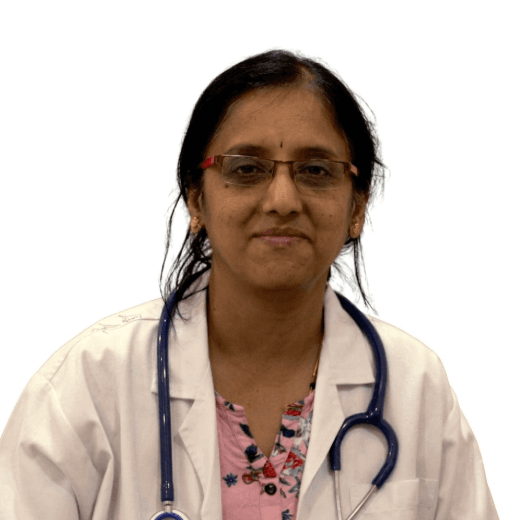
Dr. Srilakshmi
Bangalore
Panchakarma & Detoxification Therapies, Women’s Health & Gynaecological Disorders, Infertility & Reproductive Health, Skin Disorders & Ayurvedic Cosmetology, Hair & Scalp Disorders, Weight Management & Metabolic Disorders, Diabetes & Lifestyle Disorders, Bone, Joint & Musculoskeletal Disorders, Ayurvedic Proctology, Ayurvedic Surgery & Kshara Sutra, ENT & Head-Neck Disorders, Digestive & Gastrointestinal Disorders, Neurological Disorders, Stress, Anxiety & Sleep Disorders, Chronic Health Conditions, Ayurvedic Diet & Nutrition
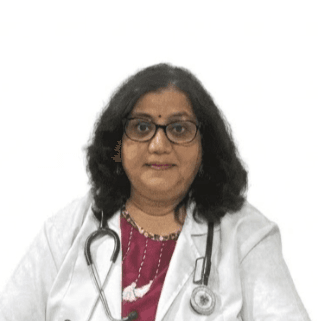
Dr.Sumana Patavardhan.K.S.
Bangalore
Panchakarma & Detoxification Therapies, Women’s Health & Gynaecological Disorders, Infertility & Reproductive Health, Skin Disorders & Ayurvedic Cosmetology, Hair & Scalp Disorders, Weight Management & Metabolic Disorders, Diabetes & Lifestyle Disorders, Bone, Joint & Musculoskeletal Disorders, Ayurvedic Proctology, Ayurvedic Surgery & Kshara Sutra, ENT & Head-Neck Disorders, Digestive & Gastrointestinal Disorders, Neurological Disorders, Stress, Anxiety & Sleep Disorders, Chronic Health Conditions, Ayurvedic Diet & Nutrition