

Ayurvedic Treatment for Deviated Nasal Septum (DNS)
Experience holistic Ayurvedic approach to restoring natural vitality.
Request an Appointment
Table of Contents
Need personalized advice?
Introduction
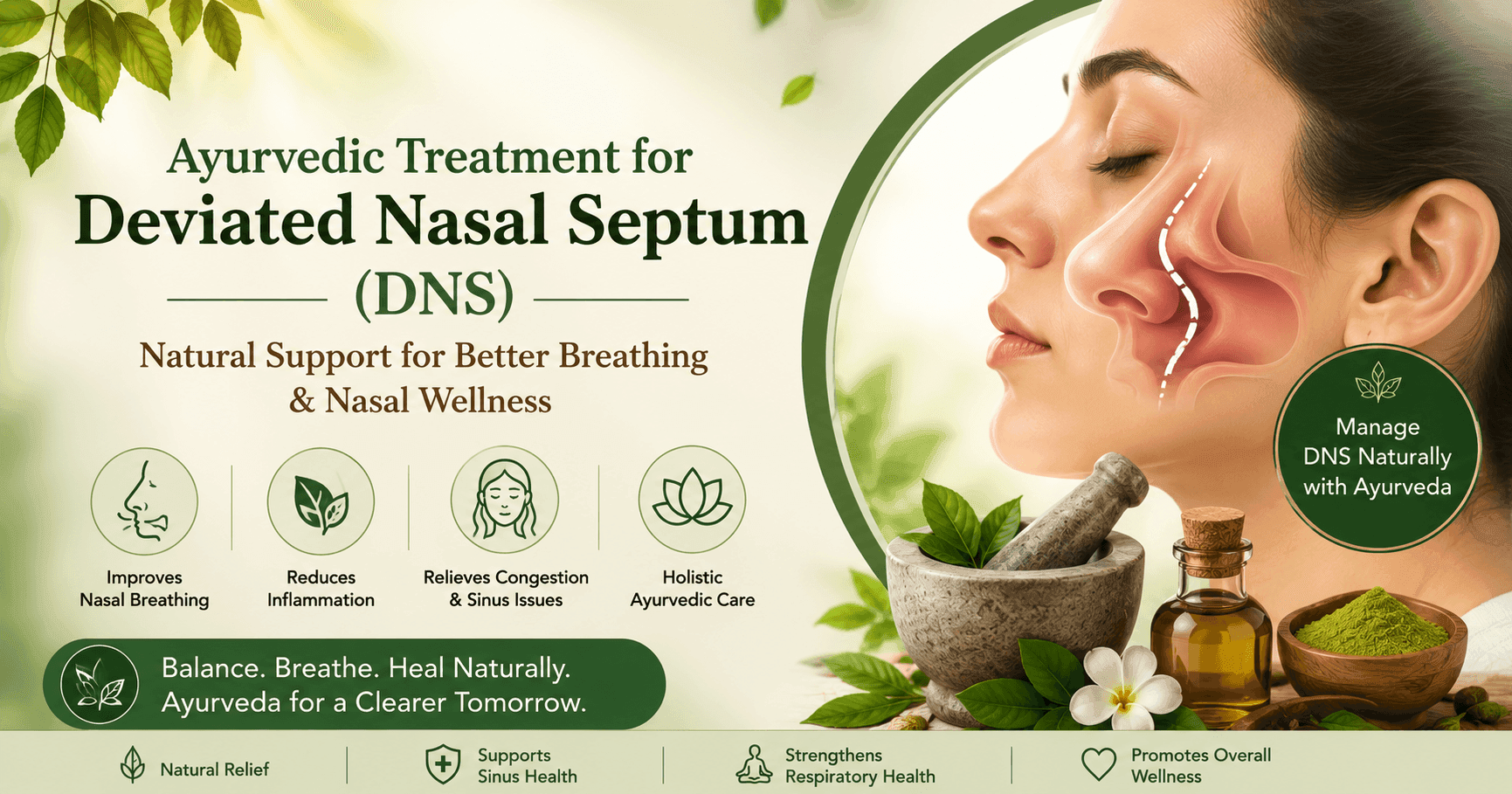
Can Ayurveda Help Improve Symptoms Naturally?
Meta Title (60 characters)Ayurvedic Treatment for Deviated Nasal Septum (DNS)
Meta Description (155 characters)
Learn how Ayurvedic treatment may help manage symptoms of a deviated nasal septum (DNS). Discover causes, symptoms, therapies, diet, and when surgery may be necessary.
Ayurvedic Treatment for Deviated Nasal Septum (DNS): A Holistic Approach to Symptom Management
A deviated nasal septum (DNS) is a common structural condition in which the thin wall (nasal septum) separating the two nasal passages is displaced to one side. While many people have a mild deviation without symptoms, others may experience persistent nasal blockage, difficulty breathing, snoring, recurrent sinus infections, headaches, or disturbed sleep.
The severity of symptoms depends on the degree of deviation and whether it contributes to chronic inflammation, allergies, or sinus problems. Although medications may temporarily relieve congestion, they do not correct the underlying structural deviation.
From an Ayurvedic perspective, treatment focuses on restoring balance within the body, improving nasal health, reducing inflammation, supporting healthy sinus drainage, and enhancing overall respiratory well-being. It is important to understand that Ayurveda cannot physically straighten or reposition a deviated nasal septum, as it is a structural abnormality involving cartilage and bone. However, individualized Ayurvedic treatment may help manage associated symptoms, improve quality of life, and reduce the frequency of recurrent nasal and sinus complaints in suitable patients.
For individuals with severe breathing difficulty, frequent sinus infections, or significant obstruction, consultation with an ENT specialist remains essential. In some cases, surgical correction (septoplasty) may be the most appropriate treatment, while Ayurveda can serve as supportive care before or after surgery under professional guidance.
Question | Quick Answer |
Can Ayurveda cure DNS? | No |
Can it reduce symptoms? | Yes |
Is surgery always needed? | No |
Can Nasya help? | Sometimes |
Should I see ENT? | Yes if severe |
Quick Answer: Can Ayurveda Treat a Deviated Nasal Septum?
Yes—but with an important limitation.
Ayurveda cannot physically correct or straighten a deviated nasal septum, because it is a structural condition involving the cartilage and bone of the nose. However, Ayurvedic treatment may help reduce associated symptoms such as nasal congestion, recurrent sinusitis, allergic rhinitis, inflammation, excessive mucus production, and breathing discomfort through personalized therapies, dietary guidance, lifestyle modifications, and appropriate Ayurvedic medicines. Individuals with severe obstruction may still require evaluation by an ENT specialist for possible septoplasty.
If you are experiencing persistent nasal blockage, recurrent sinus infections, or breathing difficulties, schedule a consultation with a qualified Ayurvedic physician and an ENT specialist to determine the most appropriate treatment plan for your condition.
Quick Facts About Deviated Nasal Septum
Feature | Details |
Condition | Structural deviation of the nasal septum |
Common Symptoms | Nasal blockage, difficulty breathing, snoring, sinus infections |
Causes | Congenital, injury, trauma, nasal fracture |
Common Age | Can occur at birth or after injury at any age |
Ayurvedic Goal | Reduce congestion, inflammation, and recurrent symptoms |
Structural Correction | Requires septoplasty if clinically indicated |
Surgery Always Needed? | No. Only when symptoms are severe or persistent |
Prognosis | Excellent with appropriate management |
When Should You See a Doctor for a Deviated Nasal Septum?
While a mild deviated nasal septum may not require immediate treatment, persistent or severe symptoms should be evaluated by a healthcare professional. An accurate diagnosis by an ENT specialist is important to determine whether your symptoms are caused by a deviated septum, allergies, sinus disease, or another underlying condition.
Seek medical attention if you experience:
- Persistent or severe difficulty breathing through one or both nostrils that affects your daily activities or sleep.
- High fever accompanied by facial pain, nasal discharge, or sinus pressure, as this may indicate a serious sinus infection.
- Facial swelling or severe facial pain, which could be a sign of infection or another condition requiring prompt treatment.
- A recent injury or trauma to the nose, especially if it results in deformity, significant pain, or difficulty breathing.
- Frequent or persistent nosebleeds that are difficult to control or recur regularly.
- Loud snoring, pauses in breathing during sleep, excessive daytime sleepiness, or other symptoms of sleep apnea, which require medical evaluation.
- Recurrent sinus infections that do not improve with appropriate treatment or continue to return.
Early evaluation can help identify the underlying cause of your symptoms and ensure timely treatment. Depending on the severity of the condition, your doctor may recommend conservative management, medical therapy, or referral for septoplasty. Ayurvedic treatment may also be considered as supportive care for symptom management under the guidance of a qualified Ayurvedic physician.
What Is a Deviated Nasal Septum?
The nasal septum is a wall made of cartilage and bone that divides the nose into two passages. Ideally, it sits near the center, allowing air to flow evenly through both nostrils.
A deviated nasal septum (DNS) occurs when this wall is displaced to one side. As a result, one nasal passage may become narrower than the other, making it harder for air to pass through. While many people have a slight deviation without noticing any problems, a significant deviation can interfere with normal breathing and increase the risk of recurrent nasal and sinus conditions.
A deviated septum may be:
- Present from birth (congenital)
- Develop after injury or trauma to the nose
- Result from previous nasal fractures
- Become more noticeable with age due to changes in nasal structures
The condition itself is not dangerous in most cases, but it can contribute to chronic nasal obstruction, disturbed sleep, snoring, mouth breathing, and recurrent sinus infections if left unmanaged.
What Causes a Deviated Nasal Septum?
Several factors can contribute to a deviated nasal septum.
Congenital Causes
Some individuals are born with a septum that is slightly off-center due to developmental changes before or during birth.
Nasal Injury
A fall, sports injury, road traffic accident, or direct blow to the nose can displace the nasal septum.
Previous Nasal Fracture
Improper healing after a broken nose may result in permanent septal deviation.
Age-Related Changes
Natural changes in cartilage and surrounding tissues over time may make an existing deviation more noticeable.
Who Is More Likely to Experience Symptoms from a Deviated Nasal Septum?
Not everyone with a deviated nasal septum develops noticeable symptoms. Many people have a mild deviation without any breathing difficulties. However, certain factors can worsen nasal obstruction, inflammation, or irritation, making symptoms more likely to occur.
You may be more likely to experience symptoms if you:
- Have allergies (allergic rhinitis): Allergies can cause swelling of the nasal lining, further narrowing the already restricted nasal passage and increasing congestion.
- Smoke or are exposed to secondhand smoke: Tobacco smoke irritates the nasal tissues, leading to inflammation, excess mucus production, and worsening breathing problems.
- Are frequently exposed to dust: Dust, pollen, and other airborne allergens can trigger nasal irritation and congestion, especially in sensitive individuals.
- Live or work in polluted environments: Air pollution and chemical irritants may inflame the nasal passages, making symptoms more persistent.
- Have chronic sinusitis: Ongoing sinus inflammation can impair sinus drainage and increase the risk of recurrent infections, facial pressure, and nasal blockage.
- Participate in contact sports or have a history of nasal injuries: Repeated trauma to the nose may worsen an existing deviation or increase the likelihood of developing symptoms.
Identifying and managing these contributing factors, along with appropriate medical or Ayurvedic care, can help improve breathing comfort and reduce the frequency of recurrent nasal and sinus symptoms.
Common Symptoms of a Deviated Nasal Septum
Symptoms vary depending on how severe the deviation is. Some individuals have no symptoms, while others experience persistent discomfort.
Common symptoms include:
- Difficulty breathing through one or both nostrils
- Persistent nasal blockage
- Frequent sinus infections
- Mouth breathing, especially during sleep
- Snoring
- Disturbed sleep or poor sleep quality
- Facial pressure or headaches
- Recurrent nosebleeds
- Postnasal drip
- Reduced sense of smell
- Dry mouth due to mouth breathing
- Worsening allergy symptoms
Symptoms may become more noticeable during colds, allergies, or sinus infections because additional swelling further narrows the nasal passages.
How Does a Deviated Nasal Septum Cause Breathing Problems?
A deviated nasal septum can affect breathing by reducing the space available for air to pass through one or both nostrils. When the septum is significantly displaced, it creates a narrow airway, making it harder for air to flow freely. This reduced airflow often causes a feeling of persistent nasal blockage, especially during colds, allergies, or while sleeping.
The narrowed nasal passage can also interfere with the normal clearance of mucus. As a result, mucus may accumulate within the nasal cavity and sinuses, increasing the likelihood of congestion and recurrent sinus infections. Poor sinus drainage can further lead to facial pressure, headaches, postnasal drip, and discomfort.
Over time, the ongoing obstruction may contribute to chronic inflammation of the nasal lining, particularly in people with allergic rhinitis or recurrent infections. Because breathing through the nose becomes difficult, many individuals begin mouth breathing, especially at night. Mouth breathing may cause dry mouth, snoring, disturbed sleep, bad breath, and daytime fatigue. While Ayurvedic treatment may help manage inflammation and improve nasal comfort, severe structural obstruction may require evaluation by an ENT specialist for appropriate treatment.
How Is a Deviated Nasal Septum Diagnosed?
Diagnosing a deviated nasal septum begins with a thorough evaluation by an Ear, Nose, and Throat (ENT) specialist. The doctor will assess your symptoms, medical history, and examine your nasal passages to determine the severity of the deviation and identify any associated conditions, such as allergies or chronic sinusitis.
Medical History
Your doctor will ask about your symptoms, including nasal blockage, difficulty breathing, snoring, recurrent sinus infections, nosebleeds, allergies, previous nasal injuries, and any history of facial trauma or nasal surgery.
Physical Examination
A physical examination of the nose is performed to evaluate the shape of the nasal septum, airflow through each nostril, and signs of inflammation, swelling, or infection.
Nasal Endoscopy
A nasal endoscopy may be recommended for a more detailed examination. During this procedure, a thin, flexible tube with a small camera is gently inserted into the nose, allowing the ENT specialist to closely inspect the nasal passages, septum, turbinates, and sinus openings. This helps identify the extent of the deviation and detect conditions such as nasal polyps, chronic inflammation, or sinus disease.
CT Scan (When Required)
If chronic sinusitis, recurrent infections, or complex nasal anatomy is suspected, a CT scan of the paranasal sinuses may be advised. This imaging test provides detailed views of the nasal structures and surrounding sinuses, helping guide treatment decisions or surgical planning when necessary.
Allergy Testing
If symptoms are triggered or worsened by sneezing, itching, watery eyes, or seasonal nasal congestion, your doctor may recommend allergy testing. Identifying allergic triggers can help distinguish symptoms caused by allergic rhinitis from those related to the structural deviation and support a more effective treatment plan.
Ayurvedic Assessment
In Ayurveda, the physician evaluates your Prakriti (body constitution), dosha imbalances, digestive health (Agni), lifestyle, and associated symptoms to develop a personalized treatment plan. However, Ayurvedic diagnosis complements—but does not replace—diagnosis by an ENT specialist. An accurate medical diagnosis is essential to determine the severity of the deviated nasal septum and to identify conditions that may require conventional medical or surgical treatment.
Deviated Nasal Septum in Ayurveda
Although classical Ayurvedic texts do not describe a condition that exactly matches a deviated nasal septum, its associated symptoms can be understood through the concepts of Nasa Roga (nasal disorders), Pratishyaya (rhinitis), and Dushta Pratishyaya (chronic nasal disorders).
From an Ayurvedic perspective:
- Vata Dosha may be associated with structural irregularities and altered airflow.
- Kapha Dosha may contribute to mucus accumulation, nasal blockage, and heaviness.
- Pitta Dosha may become involved when inflammation, irritation, recurrent infections, or burning sensations are present.
Rather than attempting to correct the structural deviation, Ayurvedic management aims to restore doshic balance, support healthy nasal function, improve sinus drainage, strengthen immunity, and reduce recurrent inflammation.
Can Ayurveda Correct a Deviated Nasal Septum?
This is one of the most common questions people ask before considering Ayurvedic treatment.
The short answer is no.
A deviated nasal septum is a structural condition involving the cartilage and bone that divide the nasal passages. Ayurveda cannot physically reposition or straighten these structures, and no authentic Ayurvedic treatment should claim to permanently "cure" or correct the deviation.
However, many of the symptoms associated with a deviated septum are caused not only by the structural deviation itself but also by nasal inflammation, excess mucus, allergies, recurrent sinus infections, and swelling of the nasal tissues. These are areas where Ayurvedic management may provide supportive benefits in appropriate patients.
The goals of Ayurvedic treatment include:
- Reducing nasal congestion
- Supporting healthy sinus drainage
- Managing allergic rhinitis
- Reducing recurrent sinus infections
- Improving breathing comfort
- Promoting better sleep quality
- Supporting overall respiratory health
- Enhancing quality of life
Individuals with severe nasal obstruction, persistent breathing difficulty, frequent infections, or sleep-disordered breathing should consult an ENT specialist. When indicated, septoplasty remains the standard treatment to correct the structural deviation. Ayurveda may complement conventional care before or after surgery under the guidance of qualified healthcare professionals.
Ayurvedic Treatment for Deviated Nasal Septum
Ayurvedic treatment is personalized and based on factors such as an individual's Prakriti (body constitution), dosha imbalance, digestive health, symptom severity, and associated conditions like allergies or chronic sinusitis.
Instead of focusing solely on the nose, Ayurveda aims to improve overall health while addressing the underlying factors contributing to recurring symptoms.
Treatment plans may include:
- Nasya therapy
- Selected Panchakarma procedures
- Individually prescribed Ayurvedic medicines
- Dietary modifications
- Lifestyle changes
- Breathing practices and supportive yoga
- Stress management and sleep optimization
The exact treatment approach varies from person to person and should always be planned by a qualified Ayurvedic physician.
Nasya Therapy
Nasya is one of the classical Ayurvedic therapies for supporting nasal and sinus health. It involves the careful administration of medicated oils or herbal preparations into the nostrils under professional guidance.
In suitable patients, Nasya may help:
- Lubricate the nasal passages
- Reduce dryness and irritation
- Support natural mucus clearance
- Relieve mild nasal congestion
- Improve comfort during breathing
- Support sinus health
Nasya is not intended to straighten a deviated septum, but it may help improve symptoms caused by inflammation or excess mucus.
Because the choice of oil, dosage, and treatment schedule varies according to the individual's condition, Nasya should only be performed after evaluation by a qualified Ayurvedic practitioner.
Panchakarma for Symptom Management
For selected patients, Ayurvedic physicians may recommend Panchakarma as part of a comprehensive treatment plan.
The objective is to reduce dosha imbalance, support natural cleansing processes, and improve overall respiratory health.
Depending on the individual's condition, therapies may include:
Nasya
To support nasal health and help manage congestion.
Virechana
May be recommended in selected individuals when Pitta-related symptoms such as recurrent inflammation are prominent.
Basti
In certain cases, Basti may be advised as part of a broader plan to help balance Vata dosha.
Not every patient requires Panchakarma. The decision depends on age, overall health, symptom severity, and the physician's assessment.
Ayurvedic Medicines
Ayurvedic medicines should always be individualized rather than selected based only on the diagnosis of a deviated septum.
A qualified Ayurvedic physician considers several factors before prescribing treatment, including:
- Prakriti (body constitution)
- Dosha imbalance
- Digestive strength (Agni)
- Presence of allergies
- Recurrent sinus infections
- General health status
- Existing medical conditions
Depending on the assessment, treatment may include herbal formulations that aim to:
- Support healthy respiratory function
- Help manage nasal congestion
- Promote sinus drainage
- Reduce inflammation
- Support immune health
- Improve overall well-being
Do not self-medicate with Ayurvedic herbs or formulations. Some preparations may not be appropriate for children, pregnant women, older adults, or individuals taking other medications. Always seek advice from a qualified Ayurvedic physician.
Diet Recommendations
Diet plays an important supportive role in Ayurvedic care by promoting healthy digestion and helping reduce factors that may aggravate congestion.
Foods to Include
A balanced diet may include:
- Warm, freshly prepared meals
- Vegetable soups
- Warm water throughout the day
- Ginger
- Turmeric
- Tulsi (Holy Basil)
- Black pepper in moderation
- Seasonal fruits
- Cooked vegetables
- Whole grains
Staying well hydrated may also help maintain healthy mucus consistency and support nasal comfort.
Foods to Limit
Some individuals may benefit from reducing foods that seem to worsen congestion, such as:
- Ice-cold beverages
- Ice cream
- Highly processed foods
- Deep-fried foods
- Excessively oily meals
- Sugary snacks
- Heavy meals late at night
Dietary advice should always be individualized, as food tolerances vary from person to person.
Lifestyle Recommendations
Healthy daily habits can complement medical and Ayurvedic treatment by supporting better respiratory function.
Helpful lifestyle measures include:
- Get adequate sleep every night.
- Drink sufficient water throughout the day.
- Exercise regularly according to your fitness level.
- Avoid exposure to cigarette smoke and environmental pollutants.
- Maintain good indoor humidity if the air is excessively dry.
- Manage seasonal allergies appropriately.
- Avoid unnecessary nose picking or repeated nasal trauma.
- Practice stress-management techniques such as meditation or relaxation exercises.
People involved in contact sports should also use appropriate protective equipment to reduce the risk of nasal injuries.
Yoga and Breathing Practices
Gentle yoga and breathing exercises may support respiratory well-being and relaxation. Although they cannot correct a deviated septum, they may improve breathing awareness and overall quality of life.
Practices commonly recommended include:
Anulom Vilom
May promote relaxed breathing when nasal passages are reasonably clear.
Nadi Shodhana
Traditionally practiced to encourage balanced breathing and mental calmness.
Bhramari Pranayama
May help promote relaxation and reduce stress.
Gentle Yoga Postures
Suitable practices may include:
- Bhujangasana
- Matsyasana
- Setu Bandhasana
These practices should be learned from a qualified instructor and avoided during acute nasal infections or severe blockage unless advised otherwise by a healthcare professional.
Home Care Tips for Better Nasal Comfort
Simple self-care measures may help reduce discomfort associated with a deviated septum:
- Inhale warm steam carefully to help loosen mucus.
- Stay well hydrated.
- Use saline nasal irrigation if recommended by your healthcare provider.
- Sleep with your head slightly elevated to promote easier breathing.
- Avoid known allergy triggers whenever possible.
- Maintain good indoor air quality.
Avoid inserting herbal oils, home remedies, or other substances into the nose without professional advice, as inappropriate use may worsen irritation or increase the risk of complications.
When Is Septoplasty Necessary?
While many people with a deviated nasal septum can manage mild symptoms through lifestyle changes and medical treatment, surgery may be recommended when the structural deviation significantly affects breathing or quality of life.
An ENT specialist may advise septoplasty if you have:
- Persistent nasal blockage that affects daily activities
- Difficulty breathing through one or both nostrils
- Recurrent or chronic sinus infections
- Frequent nosebleeds caused by septal deviation
- Snoring or sleep-disordered breathing related to nasal obstruction
- Symptoms that do not improve with appropriate medical treatment
Septoplasty is a surgical procedure that straightens the nasal septum to improve airflow. Whether surgery is appropriate depends on the severity of the deviation, associated conditions, and your overall health.
Ayurveda may complement conventional care by supporting recovery, improving general well-being, and helping manage associated symptoms under the guidance of qualified healthcare professionals.
Ayurveda vs Septoplasty
Feature | Ayurvedic Treatment | Septoplasty |
Corrects structural deviation | ❌ No | ✅ Yes |
Helps reduce nasal congestion | ✅ May help | ✅ Yes |
Supports sinus health | ✅ Yes | ✅ May improve |
Helps manage allergies | ✅ May help | ❌ No |
Improves breathing | ✅ In selected patients | ✅ Often |
Hospital stay | Usually not required | Usually required |
Recovery | Gradual, individualized | Surgical recovery period |
Best suited for | Mild to moderate symptom management | Significant structural obstruction |
Key Takeaway:
Ayurveda focuses on managing symptoms and improving nasal health, while septoplasty is the treatment that corrects the structural deviation. In some cases, an integrated approach may offer the greatest benefit.
Scientific Evidence
Research on Ayurveda for deviated nasal septum itself is limited, as DNS is a structural condition. However, some studies suggest that Ayurvedic therapies may help improve symptoms associated with conditions such as allergic rhinitis and chronic sinusitis, which frequently occur alongside a deviated septum.
Evidence indicates that selected Ayurvedic interventions may help:
- Reduce nasal congestion in some individuals
- Support sinus drainage
- Improve comfort in chronic rhinitis
- Enhance overall quality of life when used appropriately
More high-quality clinical studies are needed to determine the effectiveness of Ayurvedic treatment specifically for deviated nasal septum.
Patients should seek treatment from qualified practitioners and continue any recommended conventional care when appropriate.
Prognosis
The outlook for people with a deviated nasal septum is generally good.
- Mild deviations may never require treatment.
- Moderate cases often improve with appropriate symptom management.
- Severe structural deviations may require septoplasty to restore normal airflow.
With proper medical care, healthy lifestyle habits, and individualized Ayurvedic support where appropriate, many people are able to manage symptoms effectively and maintain a good quality of life.
Why Choose Our Ayurvedic Clinic?
Managing a deviated nasal septum requires an individualized approach rather than a one-size-fits-all solution.
At our clinic, we focus on comprehensive Ayurvedic care that supports nasal and sinus health while working alongside modern medical principles when needed.
Our approach includes:
- Consultation with qualified Ayurvedic physicians
- Personalized treatment plans based on your body constitution (Prakriti)
- Evidence-informed Ayurvedic therapies
- Dietary and lifestyle counseling
- Panchakarma therapies where appropriate
- Long-term follow-up and progress monitoring
- Integrated care with ENT referral when clinically indicated
Our goal is to help you manage symptoms safely, improve respiratory comfort, and enhance your overall well-being.
Key Takeaways
✓ DNS is a structural condition.
✓ Ayurveda cannot straighten the septum.
✓ It may help relieve congestion and sinus symptoms.
✓ Severe obstruction may require septoplasty.
✓ Individualized treatment offers the best outcomes.
Looking for Ayurvedic Treatment for Deviated Nasal Septum in [City Name]?
If you are looking for personalized Ayurvedic care for nasal congestion, recurrent sinus discomfort, or breathing difficulties associated with a deviated nasal septum, our experienced Ayurvedic doctors provide individualized treatment plans tailored to your health needs.
Our services include:
- Comprehensive Ayurvedic consultation
- Personalized herbal treatment plans
- Nasya therapy (when appropriate)
- Panchakarma therapies
- Diet and lifestyle guidance
- Follow-up consultations
- Online and in-clinic appointments (if available)
Book a consultation to discuss the most suitable treatment options based on your symptoms and overall health.
Replace [City Name] with your clinic's location and mention nearby service areas naturally to strengthen local SEO.
Frequently Asked Questions
<p>No. Ayurveda cannot physically straighten the nasal septum. It may help manage symptoms such as congestion, allergic rhinitis, and recurrent sinus discomfort.</p>
<p>A structural deviation usually does not correct itself. Mild cases may not require treatment if symptoms are minimal.</p>
<p>No. Surgery is generally recommended only when symptoms are severe or significantly affect breathing and quality of life.</p>
<p>Nasya may help reduce nasal dryness and congestion in selected individuals. However, it does not correct the structural deviation.</p>
<p>Yes. Some people experience facial pressure or headaches, particularly if recurrent sinus inflammation is present.</p>
<p>Yes. Nasal obstruction from a deviated septum may contribute to snoring and disturbed sleep.</p>
<p>It can. Reduced airflow and impaired sinus drainage may increase the likelihood of recurrent sinus infections in some individuals.</p>
<p>Ayurvedic treatment may help manage symptoms of chronic sinusitis in appropriate patients as part of a personalized treatment plan.</p>
<p>Some people find that cold beverages, ice cream, fried foods, and heavily processed foods aggravate congestion, although individual responses vary.</p>
<p>Yes. A deviated septum may be present at birth or result from childhood injury. Evaluation by a qualified healthcare professional is recommended if symptoms occur.</p>
<p>Many Ayurvedic treatments can be integrated with conventional care, but you should always inform both your Ayurvedic physician and your medical doctor about all medicines and supplements you are taking.</p>
<p>The structural deviation itself usually does not become significantly worse with age. However, age-related changes in the nasal tissues, along with conditions such as allergies or chronic inflammation, may make symptoms like nasal blockage and breathing difficulty more noticeable over time.</p>
<p>Yes. A significantly deviated septum can reduce airflow through the nose, making it more difficult to breathe comfortably during physical activity. This may lead to mouth breathing, reduced exercise tolerance, or a feeling of breathlessness, particularly during strenuous exercise. If breathing problems interfere with your daily activities or fitness routine, consult an ENT specialist for evaluation.</p>
<p>Yes, in some cases. A deviated septum may contribute to mouth breathing, postnasal drip, or recurrent sinus infections, all of which can increase the risk of bad breath (halitosis). Maintaining good oral hygiene and treating the underlying nasal condition may help improve symptoms.</p>
<p>Yes. A deviated septum usually narrows one nasal passage more than the other, so symptoms such as blockage or difficulty breathing are often more noticeable on one side. The affected side may vary depending on the direction and severity of the deviation.</p>
<p>Yes. Hormonal changes during pregnancy can cause swelling of the nasal lining, making existing nasal obstruction from a deviated septum feel worse. Many pregnant women experience increased nasal congestion, even without an infection. Speak with your healthcare provider before using any medication or herbal treatment during pregnancy.</p>
<p>Yes. Allergies can cause inflammation and swelling of the nasal passages, further narrowing the airway in people with a deviated septum. This may increase congestion, sneezing, sinus pressure, and difficulty breathing. Managing allergies can help reduce symptom severity.</p>
<p>No. Nasya therapy is not suitable for everyone and should only be performed after evaluation by a qualified Ayurvedic physician. It may not be recommended during acute nasal infections, severe nasal bleeding, certain ear conditions, or for individuals with specific medical concerns. The type of medicated oil and treatment plan should always be individualized.</p>
<p>Many people with mild symptoms can manage their condition without surgery. Lifestyle modifications, treatment for allergies, appropriate medical care, and individualized Ayurvedic therapies may help improve comfort. However, if symptoms become severe or significantly affect breathing and quality of life, an ENT specialist may recommend septoplasty.</p>
<p>A mild deviated septum may not cause any problems. However, untreated symptomatic cases can lead to persistent nasal blockage, recurrent sinus infections, snoring, mouth breathing, poor sleep quality, recurrent nosebleeds, and reduced quality of life. Early evaluation helps determine the most appropriate treatment approach.</p>
<p>Yes. Nasal obstruction caused by a deviated septum can make it difficult to breathe comfortably during sleep, leading to snoring, mouth breathing, frequent awakenings, and poor-quality sleep. In some individuals, severe nasal obstruction may contribute to sleep-disordered breathing. If you experience loud snoring, pauses in breathing, or excessive daytime sleepiness, seek evaluation by an ENT specialist.</p>
<p>The duration varies depending on symptom severity, overall health, associated conditions, and individual response to treatment.</p>
Medical Disclaimer
This content is for educational purposes only and should not be considered medical advice. Always consult a qualified Ayurvedic doctor before undergoing any treatments.
Specialists

Dr. Srilakshmi
Bangalore
Panchakarma & Detoxification Therapies, Women’s Health & Gynaecological Disorders, Infertility & Reproductive Health, Skin Disorders & Ayurvedic Cosmetology, Hair & Scalp Disorders, Weight Management & Metabolic Disorders, Diabetes & Lifestyle Disorders, Bone, Joint & Musculoskeletal Disorders, Ayurvedic Proctology, Ayurvedic Surgery & Kshara Sutra, ENT & Head-Neck Disorders, Digestive & Gastrointestinal Disorders, Neurological Disorders, Stress, Anxiety & Sleep Disorders, Chronic Health Conditions, Ayurvedic Diet & Nutrition

Dr.Sumana Patavardhan.K.S.
Bangalore
Panchakarma & Detoxification Therapies, Women’s Health & Gynaecological Disorders, Infertility & Reproductive Health, Skin Disorders & Ayurvedic Cosmetology, Hair & Scalp Disorders, Weight Management & Metabolic Disorders, Diabetes & Lifestyle Disorders, Bone, Joint & Musculoskeletal Disorders, Ayurvedic Proctology, Ayurvedic Surgery & Kshara Sutra, ENT & Head-Neck Disorders, Digestive & Gastrointestinal Disorders, Neurological Disorders, Stress, Anxiety & Sleep Disorders, Chronic Health Conditions, Ayurvedic Diet & Nutrition