
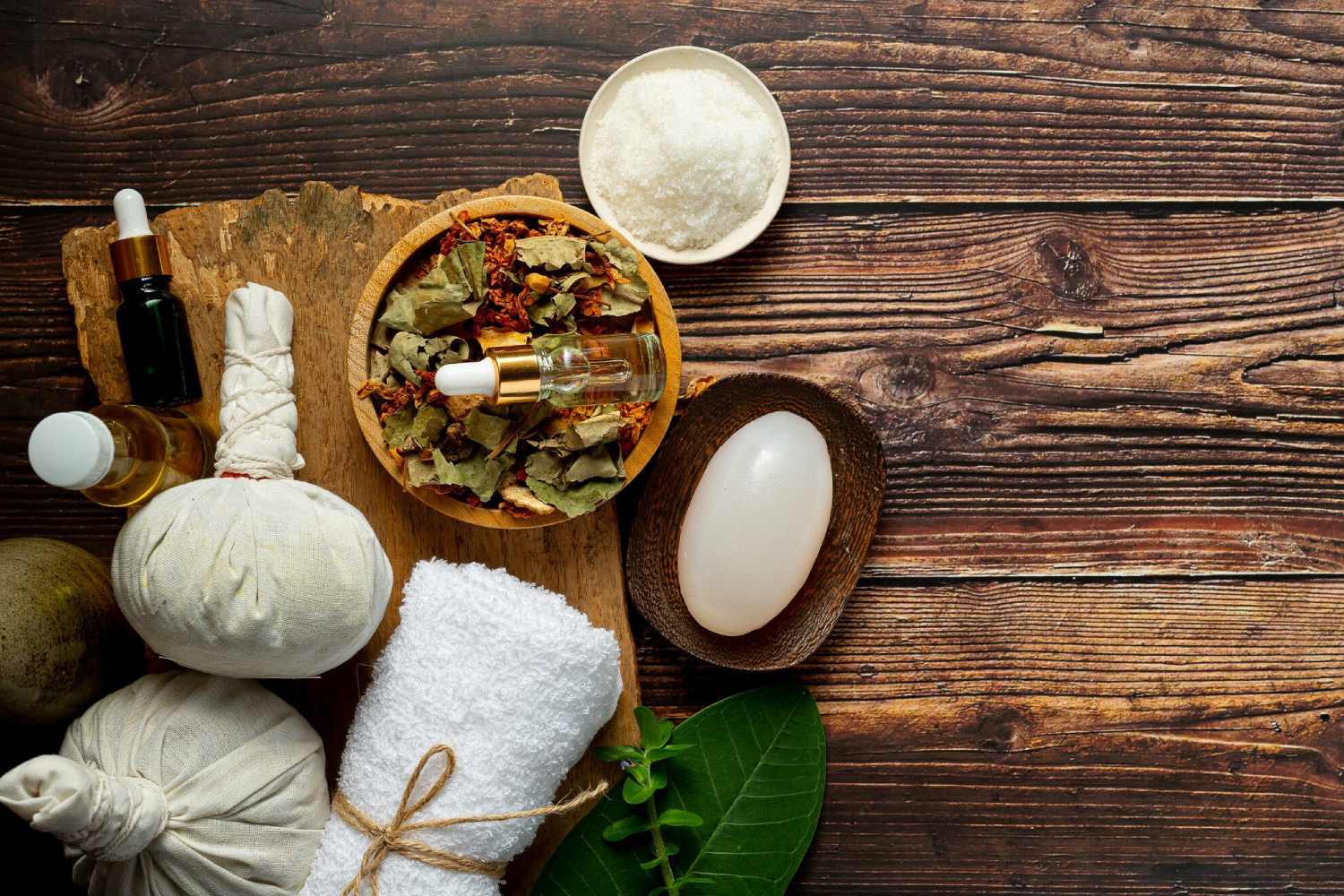
Ayurvedic Treatment for Fatty Liver Diet Plan
Request an Appointment
Table of Contents
Need personalized advice?
Introduction
Fatty liver disease is one of the most common lifestyle-related liver disorders worldwide. It occurs when excess fat accumulates within liver cells, impairing liver function and increasing the risk of inflammation, fibrosis, cirrhosis, and metabolic complications.
The good news is that dietary changes can significantly reduce liver fat and improve liver health. Research shows that weight management, healthy eating habits, physical activity, and proper medical supervision can help reverse early-stage fatty liver in many individuals.
According to Ayurveda, fatty liver is associated with Kapha aggravation, impaired Agni (digestive fire), accumulation of Ama (metabolic toxins), and dysfunction of Yakrit (liver). Dietary management focuses on improving digestion, reducing fat accumulation, enhancing metabolism, and supporting natural liver function.
Quick Overview: Fatty Liver Diet at a Glance
Why Diet Matters in Fatty Liver Disease
The liver performs over 500 vital functions in the body.
When fat accumulates excessively in liver cells, these functions become compromised.
A healthy diet can:
- Reduce liver fat
- Improve insulin sensitivity
- Lower inflammation
- Improve liver enzyme levels
- Support healthy weight loss
- Prevent disease progression
- Improve overall metabolic health
Best Vegetables for Fatty Liver
Table: Liver-Friendly Vegetables
Why Vegetables Matter
Vegetables provide:
- Dietary fiber
- Antioxidants
- Phytochemicals
- Vitamins and minerals
These nutrients help reduce inflammation and support liver recovery.
Best Whole Grains for Fatty Liver
Table: Healthy Grain Choices
Whole grains improve satiety and reduce insulin resistance.
Best Fruits for Fatty Liver
Table: Recommended Fruits
Fruits to Consume Carefully
Best Protein Sources for Fatty Liver
Table: Protein-Rich Foods
Benefits:
- Maintains muscle mass
- Supports metabolism
- Promotes satiety
- Assists healthy weight loss
Healthy Fats for Fatty Liver
Table: Good Fats vs Bad Fats
Ayurvedic Foods That Support Liver Health
Table: Ayurvedic Liver-Supportive Foods
Best Drinks for Fatty Liver
Table: Healthy Beverage Choices
Daily Fluid Intake
Unless restricted by a physician.
Table: Foods That Can Worsen Fatty Liver
Fatty Liver Superfoods vs Harmful Foods
7-Day Fatty Liver Diet Chart
Day 1
Day 2
(Continue Days 3–7 similarly in a separate detailed diet chart section.)
Ideal Daily Meal Timing for Fatty Liver
Avoid eating within 2–3 hours of bedtime.
Lifestyle Habits That Improve Fatty Liver
Table: Daily Lifestyle Recommendations
Red Flag Symptoms Requiring Medical Attention
Conclusion
A structured fatty liver diet is one of the most effective non-pharmacological strategies for improving liver health. Emphasizing vegetables, whole grains, lean proteins, healthy fats, and Ayurvedic liver-supportive foods while avoiding sugar, processed foods, alcohol, and excess calories can help reduce liver fat accumulation and support long-term liver function. Combined with regular exercise, healthy weight management, and medical supervision, dietary intervention can play a crucial role in preventing disease progression and improving overall metabolic health.
Frequently Asked Questions
Vegetable oats, millet upma, moong chilla, vegetable poha, and high-fiber breakfasts are excellent choices.
Many patients with early-stage fatty liver experience significant improvement through weight loss, exercise, and dietary modification under medical supervision.
Apple, guava, papaya, pomegranate, berries, and citrus fruits are among the best options.
Yes. Portion-controlled brown rice, red rice, or hand-pounded rice can be included.
Small quantities may be acceptable depending on body weight, lipid profile, and physician advice.
Some studies suggest benefits, but fasting should be individualized and medically supervised, especially in people with diabetes or other metabolic conditions.
Medical Disclaimer
This content is for educational purposes only and should not be considered medical advice. Always consult a qualified Ayurvedic doctor before undergoing any treatments.
Specialists

Dr. Srilakshmi
Bangalore
Panchakarma & Detoxification Therapies, Women’s Health & Gynaecological Disorders, Infertility & Reproductive Health, Skin Disorders & Ayurvedic Cosmetology, Hair & Scalp Disorders, Weight Management & Metabolic Disorders, Diabetes & Lifestyle Disorders, Bone, Joint & Musculoskeletal Disorders, Ayurvedic Proctology, Ayurvedic Surgery & Kshara Sutra, ENT & Head-Neck Disorders, Digestive & Gastrointestinal Disorders, Neurological Disorders, Stress, Anxiety & Sleep Disorders, Chronic Health Conditions, Ayurvedic Diet & Nutrition
Dr.Sumana Patavardhan.K.S.
Bangalore
Panchakarma & Detoxification Therapies, Women’s Health & Gynaecological Disorders, Infertility & Reproductive Health, Skin Disorders & Ayurvedic Cosmetology, Hair & Scalp Disorders, Weight Management & Metabolic Disorders, Diabetes & Lifestyle Disorders, Bone, Joint & Musculoskeletal Disorders, Ayurvedic Proctology, Ayurvedic Surgery & Kshara Sutra, ENT & Head-Neck Disorders, Digestive & Gastrointestinal Disorders, Neurological Disorders, Stress, Anxiety & Sleep Disorders, Chronic Health Conditions, Ayurvedic Diet & Nutrition