
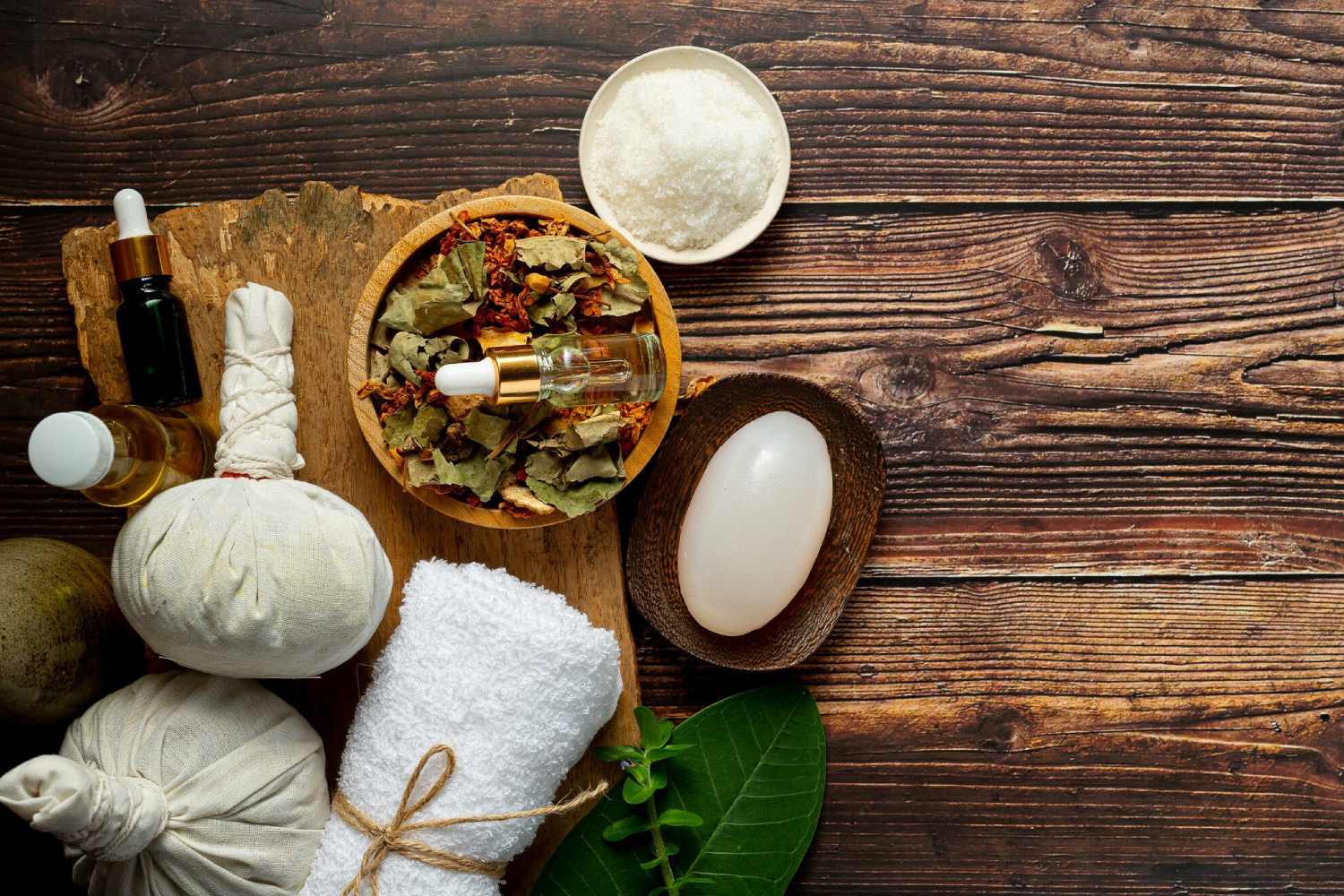
Ayurvedic Treatment to Boost Immunity
Experience holistic Ayurvedic approach to restoring natural vitality.
Request an Appointment
Table of Contents
Need personalized advice?
Introduction
A strong immune system plays a vital role in protecting the body against infections, supporting recovery from illness, and maintaining overall health. While no treatment can guarantee complete protection from disease, healthy daily habits, balanced nutrition, adequate sleep, stress management, and appropriate medical care all contribute to normal immune function.
Ayurveda, India's traditional system of medicine, describes immunity through concepts such as Vyadhikshamatva, Ojas, Agni, and Dosha balance. Rather than focusing on a single medicine or remedy, Ayurveda emphasizes improving the body's natural resilience through personalized diet, lifestyle modifications, herbal preparations, rejuvenation therapies, and digestive health.
Many people seek Ayurvedic treatment to boost immunity because they experience frequent seasonal illnesses, prolonged fatigue, recurrent infections, or poor recovery after illness. A qualified Ayurvedic practitioner evaluates the individual's constitution (Prakriti), current imbalances (Vikriti), digestive strength (Agni), accumulation of metabolic waste (Ama), and overall vitality (Ojas) before recommending a personalized treatment plan.
Quick Answer
Ayurveda may help support healthy immune function by promoting balanced digestion, nutritious eating, restorative sleep, stress management, and individualized herbal and lifestyle interventions. However, it should complement—not replace—vaccinations, evidence-based medical treatment, or emergency care for infections and immune-related diseases.
Important Medical Disclaimer
Ayurveda supports overall wellness and healthy immune function. It does not replace vaccinations, antibiotics, antiviral medications, emergency medical treatment, or specialist care for infections, autoimmune diseases, cancer, or immunodeficiency disorders.
If you experience persistent fever, recurrent severe infections, unexplained weight loss, or other concerning symptoms, seek evaluation from a qualified healthcare professional promptly.
What Is Immunity?
Immunity is the body's complex defense system that helps identify and respond to harmful microorganisms such as bacteria, viruses, fungi, and parasites. It also helps remove damaged cells and contributes to tissue repair.
The immune system consists of specialized organs, cells, proteins, and signaling molecules that work together to protect the body while maintaining normal physiological balance.
Broadly, immunity can be divided into two interconnected components.
Innate Immunity
Innate immunity is the body's first line of defense. It responds rapidly whenever potentially harmful organisms enter the body.
Key components include:
- Healthy skin
- Mucous membranes of the nose, mouth, and respiratory tract
- Stomach acid
- Natural antimicrobial substances
- White blood cells such as neutrophils and macrophages
- Natural killer (NK) cells
These defenses act immediately to limit infection before it spreads.
Quick Summary
Innate immunity provides immediate, non-specific protection against invading microorganisms and forms the body's first barrier against infection.
Adaptive Immunity
Adaptive immunity develops after exposure to infections or vaccination.
Unlike innate immunity, adaptive immunity is highly specific and creates immune memory, enabling the body to respond more efficiently if the same pathogen is encountered again.
Its key components include:
- B lymphocytes
- T lymphocytes
- Antibodies
- Immune memory cells
Vaccines work by training adaptive immunity to recognize specific infectious agents before natural exposure.
Quick Summary
Adaptive immunity develops over time and helps the body remember previous infections, allowing faster and more effective responses during future exposure.
Common Signs of Reduced Immunity
No single symptom confirms a weakened immune system. However, recurring health issues may indicate that immune function or overall health should be evaluated.
Possible signs include:
- Frequent colds or respiratory infections
- Recurrent sinus infections
- Slow wound healing
- Persistent fatigue
- Poor recovery after illness
- Recurrent digestive disturbances
- Frequent mouth ulcers
- Low energy levels
- Recurrent skin infections
- Increased susceptibility to seasonal illnesses
Some individuals with allergies may also notice recurring inflammatory symptoms, although allergies do not necessarily indicate poor immunity.
It is important to remember that these symptoms may have many different causes, including nutritional deficiencies, chronic illnesses, hormonal disorders, sleep deprivation, stress, or underlying medical conditions. Persistent or severe symptoms should always be assessed by a healthcare professional.
Causes of Weak Immunity
Immune health is influenced by genetics, age, nutrition, environment, medical conditions, and lifestyle habits. While some factors cannot be changed, many are modifiable.
Poor Nutrition
The immune system depends on adequate intake of proteins, vitamins, minerals, healthy fats, and antioxidants.
Diets high in processed foods and low in fruits, vegetables, legumes, and whole grains may contribute to nutritional deficiencies that affect normal immune function.
Important nutrients include:
- Protein
- Vitamin C
- Vitamin D
- Zinc
- Iron
- Selenium
- Vitamin A
- Vitamin E
- B-complex vitamins
Chronic Stress
Long-term psychological stress may influence immune regulation through increased production of stress hormones such as cortisol.
People experiencing chronic stress often report:
- Poor sleep
- Digestive disturbances
- Frequent illnesses
- Fatigue
- Reduced concentration
Ayurveda has long emphasized the connection between mental well-being and physical health, recommending practices such as meditation, yoga, and Dinacharya (daily routine) to promote balance.
Lack of Sleep
Sleep is essential for immune regulation and tissue repair.
Insufficient or poor-quality sleep may reduce the body's ability to respond effectively to infections and recover from illness.
Adults generally benefit from 7–9 hours of quality sleep each night.
Sedentary Lifestyle
Regular physical activity supports cardiovascular health, metabolism, mood, and immune regulation.
Moderate exercise is associated with improved overall health, whereas excessive overtraining without adequate recovery may temporarily affect immune function.
Smoking and Excessive Alcohol
Smoking damages respiratory defenses and increases susceptibility to respiratory infections.
Excessive alcohol consumption may impair immune responses, disrupt gut health, and contribute to nutritional deficiencies.
Chronic Medical Conditions
Certain health conditions may influence immune function, including:
- Diabetes
- Chronic kidney disease
- Liver disease
- HIV infection
- Autoimmune disorders
- Cancer
- Chronic lung disease
People with these conditions should consult both their physician and Ayurvedic practitioner before starting herbal medicines or detoxification therapies.
Age-Related Immune Changes
Immune function naturally changes with age.
Older adults may experience:
- Reduced immune responsiveness
- Slower recovery
- Increased susceptibility to infections
- Greater need for balanced nutrition and physical activity
Healthy lifestyle practices remain beneficial throughout life.
Gut Health Imbalance
A significant portion of immune activity is associated with the gastrointestinal tract.
Digestive disturbances, poor dietary habits, or alterations in the gut microbiome may influence immune regulation and overall well-being.
Ayurveda similarly places great emphasis on maintaining healthy digestion as the foundation of good health.
How Ayurveda Understands Immunity
Unlike modern immunology, Ayurveda does not define immunity through antibodies or immune cells. Instead, it describes the body's resistance to disease using interconnected concepts that together promote health and resilience.
Vyadhikshamatva (Natural Disease Resistance)
In Ayurveda, Vyadhikshamatva refers to the body's natural ability to resist disease and recover from illness.
It encompasses:
- Resistance to disease
- Strength of body tissues
- Ability to recover after illness
- Maintenance of physiological balance
According to Ayurvedic principles, healthy immunity depends on balanced digestion, proper nourishment, mental well-being, and healthy lifestyle practices.
Quick Answer
Vyadhikshamatva is the Ayurvedic concept of natural disease resistance. It reflects the body's ability to prevent illness, tolerate disease, and recover efficiently through balanced physiology and healthy living.
Ojas: The Essence of Vitality
Among all Ayurvedic concepts related to immunity, Ojas is considered one of the most important.
Ojas is described as the refined essence of well-nourished body tissues. It represents vitality, strength, endurance, mental stability, and overall resilience.
Individuals with healthy Ojas are traditionally described as having:
- Good energy
- Healthy complexion
- Emotional stability
- Better endurance
- Sound sleep
- Positive outlook
- Balanced physiological function
Ayurveda suggests that poor digestion, chronic illness, prolonged stress, inadequate nutrition, and insufficient rest may gradually diminish Ojas.
Although Ojas does not have a direct equivalent in modern medicine, it broadly reflects the body's overall vitality and capacity to maintain health.
Featured Snippet Answer
Ojas is an Ayurvedic concept representing vitality, resilience, and overall well-being. Healthy Ojas is believed to support the body's natural ability to maintain health through proper nutrition, digestion, rest, and balanced lifestyle practices.
Agni: The Foundation of Health
Agni, or digestive fire, is central to Ayurvedic medicine.
Agni governs:
- Digestion
- Absorption
- Assimilation
- Metabolism
- Tissue nourishment
When Agni functions optimally, nutrients from food are efficiently converted into healthy body tissues.
Weak or irregular digestion may lead to incomplete metabolism and reduced nourishment.
Ayurveda therefore considers healthy digestion to be one of the primary foundations of strong immunity.
Ama: Metabolic Waste
Ayurveda describes Ama as improperly digested metabolic by-products that accumulate when digestion is impaired.
Traditional Ayurvedic texts associate Ama with:
- Heaviness
- Fatigue
- Digestive discomfort
- Reduced vitality
Treatment often focuses on improving digestion and eliminating Ama through personalized dietary and lifestyle interventions.
It is important to understand that Ama is an Ayurvedic concept and should not be interpreted as a measurable toxin in modern medical science.
Dosha Balance and Immune Health
Ayurveda describes health as a balance between the three Doshas:
Vata
Associated with movement, nervous system function, and communication.
When imbalanced, Vata may contribute to dryness, irregular digestion, anxiety, and disturbed sleep.
Pitta
Associated with metabolism, transformation, and heat.
Excess Pitta may present with inflammatory tendencies, acidity, irritability, or excessive heat.
Kapha
Associated with stability, nourishment, lubrication, and structure.
Excess Kapha may contribute to sluggish digestion, congestion, heaviness, or lethargy.
Ayurvedic treatment aims to restore Dosha balance through individualized recommendations rather than using identical treatments for everyone.
Can Ayurveda Help Boost Immunity?
Many people wonder whether Ayurveda can genuinely improve immunity.
The answer requires a balanced perspective.
Current scientific evidence suggests that certain Ayurvedic lifestyle practices, stress-reduction techniques, yoga, meditation, and some traditionally used herbs may support aspects of immune function and overall health. However, evidence varies considerably depending on the intervention, and more high-quality clinical research is needed.
Ayurveda approaches immune health holistically by addressing factors that influence the body's natural resilience rather than targeting the immune system alone.
A personalized Ayurvedic care plan may help support immune health by:
- Promoting healthy digestion (Agni)
- Encouraging balanced nutrition
- Supporting restorative sleep
- Helping manage chronic stress
- Recommending appropriate physical activity
- Improving daily lifestyle habits (Dinacharya)
- Supporting recovery and overall wellness through individualized Rasayana therapies when appropriate
It is important to avoid exaggerated claims such as:
- "Ayurveda prevents all diseases."
- "Ayurvedic medicines cure viral infections."
- "One herb can instantly boost immunity."
- "Natural treatments replace vaccines or antibiotics."
Instead, Ayurveda is best viewed as a complementary system of care that may support healthy immune function alongside evidence-based medical practices, vaccination, infection prevention measures, and timely treatment when illness occurs.
Key Takeaway
Ayurveda does not offer a single "immunity-boosting" medicine. Rather, it focuses on strengthening the body's natural defenses through personalized diet, lifestyle, digestive health, stress management, rejuvenation therapies, and carefully selected herbal formulations under professional supervision.
Ayurvedic Treatment for Immunity
Ayurveda does not recommend a universal treatment to improve immunity. Instead, it follows a personalized approach that considers each individual's unique constitution, current health status, digestive capacity, lifestyle, age, and existing medical conditions. According to Ayurvedic principles, strengthening immunity involves restoring balance within the body rather than simply stimulating the immune system.
An Ayurvedic treatment plan may include dietary modifications, herbal medicines, lifestyle recommendations, stress management, Panchakarma therapies (when appropriate), and Rasayana (rejuvenation) therapies. The primary objective is to support healthy digestion, nourish body tissues, promote restorative sleep, reduce stress, and enhance overall well-being.
Quick Answer
Ayurvedic treatment for immunity focuses on personalized care. It may include dietary guidance, herbal medicines, Panchakarma therapies, Rasayana rejuvenation, yoga, and lifestyle modifications to support the body's natural defence mechanisms and overall health.
Comprehensive Ayurvedic Assessment
Before recommending treatment, an Ayurvedic physician performs a detailed assessment to identify the individual's health status and underlying imbalances.
Prakriti (Body Constitution)
Prakriti refers to an individual's natural constitution determined by the balance of Vata, Pitta, and Kapha doshas. Understanding Prakriti helps guide dietary choices, daily routines, and herbal recommendations.
Vikriti (Current Imbalance)
Vikriti represents the current imbalance in the doshas caused by factors such as stress, poor diet, illness, seasonal changes, or lifestyle habits. Treatment focuses on restoring this balance.
Agni (Digestive Capacity)
Digestive strength plays a central role in Ayurveda. Poor digestion may reduce nutrient absorption and contribute to the formation of Ama (metabolic waste), which Ayurveda associates with impaired health.
Ama Assessment
The practitioner evaluates signs of Ama, including digestive discomfort, heaviness, coated tongue, sluggishness, and poor appetite. Reducing Ama is often an early treatment goal.
Ojas Evaluation
The physician also assesses indicators of Ojas, such as vitality, energy, sleep quality, emotional stability, skin health, and recovery from illness.
Lifestyle Assessment
Additional factors considered include:
- Sleep quality
- Physical activity
- Mental stress
- Occupation
- Eating habits
- Existing illnesses
- Current medications
- Family medical history
A comprehensive assessment ensures that treatment recommendations are individualized rather than based solely on symptoms.
Panchakarma Therapies for Supporting Overall Wellness
Panchakarma is a group of cleansing and rejuvenation therapies described in Ayurveda. These therapies are not intended for everyone and should only be performed after evaluation by a qualified Ayurvedic physician.
Scientific evidence regarding Panchakarma and immunity is still evolving. While some individuals report improvements in well-being, digestion, stress levels, and quality of life, more high-quality clinical studies are needed to establish definitive effects on immune function.
Abhyanga (Ayurvedic Oil Massage)
Abhyanga involves the application of warm medicated oils over the body using specific massage techniques.
Traditionally believed benefits
- Promotes relaxation
- Supports circulation
- Helps reduce muscle stiffness
- Nourishes the skin
- Supports healthy sleep
- Helps manage stress
Stress reduction and improved sleep may indirectly contribute to overall immune health.
Swedana (Herbal Steam Therapy)
Swedana is often performed after Abhyanga to encourage sweating.
Traditional Ayurvedic texts describe Swedana as helping:
- Relieve stiffness
- Reduce heaviness
- Promote relaxation
- Support circulation
- Prepare the body for other Panchakarma procedures
Swedana should always be performed under professional supervision, particularly in older adults or individuals with chronic medical conditions.
Nasya
Nasya involves administering herbal oils or preparations into the nasal passages under appropriate clinical supervision.
Traditionally, it is recommended for selected conditions affecting the head and neck.
It should not be used indiscriminately or during acute respiratory infections unless advised by a qualified practitioner.
Virechana
Virechana is a therapeutic purgation procedure performed after careful preparation.
Ayurvedic physicians may recommend it for selected individuals depending on their dosha imbalance and clinical condition.
Because Virechana involves intensive cleansing, it should never be self-administered.
Basti
Basti is considered one of Ayurveda's principal therapies for balancing Vata dosha.
It involves the administration of medicated oils or herbal decoctions into the rectum under medical supervision.
Ayurvedic literature describes Basti as supporting digestive health, tissue nourishment, and overall balance. However, treatment decisions depend entirely on individual assessment.
Rasayana Therapy
Rasayana is one of Ayurveda's most important branches focusing on rejuvenation and healthy ageing.
Rather than acting as an "immunity booster" in the modern sense, Rasayana aims to improve overall vitality, tissue nourishment, resilience, and quality of life.
Rasayana therapy may include:
- Personalized herbal formulations
- Nutritious diet
- Daily routines
- Adequate sleep
- Stress reduction
- Yoga and meditation
- Seasonal health practices
Ayurvedic physicians generally recommend Rasayana after optimizing digestion (Agni) and reducing Ama.
Quick Answer
Rasayana therapy is an Ayurvedic rejuvenation approach that focuses on promoting vitality, healthy ageing, tissue nourishment, and overall wellness. It is individualized and usually combined with diet and lifestyle modifications.
Ayurvedic Herbs Traditionally Used to Support Immunity
Several herbs are traditionally used in Ayurveda to promote health and resilience. Scientific evidence varies, and more high-quality clinical trials are needed to confirm many of their proposed benefits.
These herbs should always be taken under the guidance of a qualified healthcare professional, particularly if you are pregnant, breastfeeding, have chronic illnesses, or take prescription medications.
Guduchi (Tinospora cordifolia)
Guduchi is one of Ayurveda's most respected Rasayana herbs.
Traditional Uses
- Supports vitality
- Promotes healthy digestion
- Traditionally used for fever recovery
- Supports overall wellness
Modern Research
Preliminary studies suggest Guduchi may possess antioxidant, immunomodulatory, and anti-inflammatory properties. However, clinical evidence remains limited and more robust research is required.
Safety
Rare cases of liver injury associated with certain Guduchi products have been reported. Use only high-quality preparations prescribed by qualified practitioners.
Ashwagandha (Withania somnifera)
Ashwagandha is classified as an adaptogenic herb in modern herbal medicine.
Traditional Uses
- Supports strength
- Improves vitality
- Helps manage stress
- Promotes restful sleep
Modern Evidence
Research suggests Ashwagandha may help reduce stress, improve sleep quality, and support general well-being. Because chronic stress can influence immune regulation, these indirect effects may contribute to overall health.
Safety
Not suitable for everyone. Individuals with thyroid disorders, autoimmune diseases, pregnancy, or those taking sedatives should consult their physician before use.
Amalaki (Indian Gooseberry)
Amalaki is considered an important Rasayana herb.
Traditional Uses
- Supports digestion
- Promotes longevity
- Nourishes body tissues
- Supports healthy skin
Modern Evidence
Amalaki is naturally rich in vitamin C and antioxidants. Research suggests antioxidant activity, although immune-specific clinical evidence remains limited.
Safety
Generally well tolerated when consumed as food. Herbal preparations should be used according to professional guidance.
Tulsi (Holy Basil)
Tulsi has been widely used in Ayurveda for respiratory and seasonal wellness.
Traditional Uses
- Supports respiratory health
- Promotes resilience
- Traditionally used during seasonal illnesses
Modern Research
Studies suggest Tulsi contains antioxidant and anti-inflammatory compounds. Additional high-quality human studies are still needed.
Safety
May interact with anticoagulants or diabetes medications.
Yashtimadhu (Licorice)
Traditional Uses
- Supports respiratory comfort
- Soothes the throat
- Promotes digestive balance
Modern Evidence
Some studies indicate anti-inflammatory and antimicrobial properties.
Safety
Long-term or excessive intake may increase blood pressure, reduce potassium levels, and interact with several medications.
Pippali (Long Pepper)
Traditional Uses
- Supports digestion
- Traditionally used in respiratory conditions
- Helps improve Agni
Modern Research
Early laboratory studies suggest antioxidant and anti-inflammatory properties, but clinical evidence is limited.
Safety
Use cautiously in individuals with gastritis or acid reflux.
Haritaki
Traditional Uses
- Supports bowel regularity
- Promotes digestion
- Considered a rejuvenative herb
Modern Research
Contains antioxidant compounds, though evidence regarding immunity remains limited.
Safety
Avoid self-medication during pregnancy unless advised.
Turmeric (Curcuma longa)
Traditional Uses
- Supports digestion
- Traditionally used for wound care
- Promotes overall health
Modern Research
Curcumin, turmeric's active compound, has been extensively studied for anti-inflammatory and antioxidant effects. However, absorption varies, and clinical outcomes differ across studies.
Safety
High doses may interact with blood thinners and increase bleeding risk.
Shatavari
Traditional Uses
- Supports nourishment
- Promotes women's health
- Considered a Rasayana herb
Modern Research
Some laboratory evidence suggests antioxidant properties, though immune-related clinical research remains limited.
Safety
Use under supervision, especially in hormone-sensitive conditions.
Ginger
Traditional Uses
- Improves digestion
- Supports Agni
- Traditionally used during seasonal illnesses
Modern Research
Studies suggest antioxidant and anti-inflammatory effects. Ginger may also help relieve nausea and improve digestive comfort.
Safety
Large doses may increase bleeding risk when combined with anticoagulant medications.
Ayurvedic Formulations Commonly Recommended
The choice of formulation depends entirely on the individual's constitution, digestive strength, age, and medical history.
Chyawanprash
Chyawanprash is a traditional Ayurvedic herbal jam containing Amalaki and numerous herbs.
Traditionally, it is used as a Rasayana to promote vitality and general wellness. Limited research suggests potential antioxidant benefits, but evidence for immune enhancement remains insufficient.
Guduchi Formulations
Guduchi may be prescribed in tablet, decoction, or powder form depending on clinical assessment.
Ashwagandha Formulations
Available as powders, tablets, capsules, and medicated preparations. Selection depends on the individual's constitution and treatment goals.
Triphala
Triphala combines Haritaki, Bibhitaki, and Amalaki.
Traditionally used to support digestion and bowel regularity, it may be recommended in selected individuals rather than as a universal immunity remedy.
Important Treatment Disclaimer
No single Ayurvedic herb, formulation, or Panchakarma therapy is suitable for everyone.
Treatment should always be individualized after consultation with a qualified Ayurvedic physician who considers:
- Your constitution (Prakriti)
- Current health condition (Vikriti)
- Digestive strength (Agni)
- Existing medical conditions
- Current medications
- Pregnancy or breastfeeding status
- Age
- Laboratory investigations, when relevant
Self-medicating with herbal supplements, especially in high doses or in combination with prescription medicines, may increase the risk of adverse effects or herb–drug interactions.
Internal Linking Opportunities
To strengthen topical authority and improve user experience, link this article to related pages on:
- Rasayana Therapy
- Panchakarma
- Abhyanga
- Guduchi Benefits
- Ashwagandha in Ayurveda
- Chyawanprash Benefits
- Stress Management in Ayurveda
- Healthy Digestion (Agni)
- Ayurvedic Diet Guide
- Dinacharya (Daily Routine)
Ayurvedic Diet for Better Immunity
Diet plays a central role in Ayurveda's approach to maintaining health and supporting the body's natural defence mechanisms. Rather than emphasizing a single "superfood" or herbal supplement, Ayurveda encourages a balanced, nourishing diet that supports healthy digestion (Agni), tissue nourishment, and overall vitality.
From a modern perspective, a nutrient-rich diet provides essential vitamins, minerals, proteins, healthy fats, fibre, and antioxidants that contribute to normal immune function. Ayurveda complements this understanding by recommending foods that are fresh, seasonal, and appropriate for an individual's constitution and digestive capacity.
Eat Freshly Prepared Meals
Ayurveda recommends consuming freshly cooked foods whenever possible. Fresh meals are traditionally believed to be easier to digest and more nourishing than heavily processed or stale foods.
Choose:
- Fresh vegetables
- Whole grains
- Legumes
- Fresh fruits
- Home-cooked meals
- Healthy fats in moderation
Limit frequent consumption of:
- Highly processed foods
- Excess refined sugar
- Deep-fried foods
- Excessively packaged snacks
- Sugar-sweetened beverages
Follow Seasonal Eating
Ayurveda encourages eating foods that naturally grow during each season.
Seasonal eating may provide:
- Better nutritional diversity
- Fresh ingredients
- Improved dietary variety
- Better adaptation to environmental changes
Prefer Warm, Easily Digestible Foods
Warm meals are traditionally recommended because they are believed to support healthy digestion.
Examples include:
- Vegetable soups
- Lentil soups
- Khichdi
- Steamed vegetables
- Light curries
- Whole grains
People with digestive disorders should discuss individualized dietary recommendations with their healthcare provider.
Ensure Adequate Protein Intake
Protein is essential for tissue repair, enzyme production, and immune cell function.
Healthy protein sources include:
- Lentils
- Beans
- Chickpeas
- Dairy products (when tolerated)
- Eggs
- Fish
- Lean poultry
- Soy products
- Nuts and seeds
Include Healthy Fats
Healthy fats support cell membranes and nutrient absorption.
Examples include:
- Ghee (in moderation)
- Sesame oil
- Olive oil
- Nuts
- Seeds
- Avocados
Eat Plenty of Fruits and Vegetables
A colourful variety of fruits and vegetables supplies vitamins, minerals, antioxidants, and dietary fibre.
Aim to include:
- Leafy greens
- Carrots
- Pumpkin
- Citrus fruits
- Berries
- Apples
- Pomegranate
- Indian gooseberry (Amla)
Traditional Ayurvedic Spices
Several culinary spices are traditionally valued in Ayurveda.
Turmeric
Traditionally used to support digestion and overall health. Curcumin has been studied for antioxidant and anti-inflammatory properties.
Ginger
Traditionally supports digestion and may help relieve nausea.
Cumin
Widely used to promote digestive comfort.
Black Pepper
Traditionally believed to support digestion and improve the bioavailability of certain herbal compounds.
Cinnamon
Traditionally used in digestive and seasonal wellness preparations.
These spices should complement a balanced diet rather than replace medical treatment.
Stay Well Hydrated
Adequate hydration supports normal physiological functions, including circulation, digestion, and temperature regulation.
Water requirements vary depending on age, climate, activity level, and health status.
Daily Lifestyle Practices That May Support Immunity
Ayurveda emphasizes that healthy routines practiced consistently are often more beneficial than occasional interventions.
Follow Dinacharya (Daily Routine)
Dinacharya refers to healthy daily habits designed to maintain physical and mental balance.
A typical routine may include:
- Waking up at a regular time
- Oral hygiene
- Gentle exercise
- Meditation or prayer
- Regular meal timings
- Adequate sleep
Consistency may support better metabolic health and overall well-being.
Prioritize Quality Sleep
Sleep is one of the body's most important restorative processes.
Poor sleep has been associated with changes in immune regulation, mood, metabolism, and cognitive performance.
Adults should generally aim for 7–9 hours of restful sleep each night.
Manage Stress Effectively
Chronic stress may influence immune function through hormonal and inflammatory pathways.
Ayurveda recommends:
- Meditation
- Yoga
- Mindfulness
- Deep breathing
- Spending time in nature
- Maintaining healthy social relationships
Exercise Regularly
Moderate physical activity supports cardiovascular health, muscle strength, metabolic health, and overall wellness.
Examples include:
- Walking
- Cycling
- Swimming
- Yoga
- Strength training
- Stretching
Aim for at least 150 minutes of moderate physical activity each week unless otherwise advised by your physician.
Safe Sun Exposure
Limited sunlight exposure contributes to vitamin D production, which plays an important role in bone health and immune function.
Avoid prolonged sun exposure without appropriate protection.
Practice Good Hygiene
Healthy habits remain one of the most effective ways to reduce the spread of infectious diseases.
These include:
- Regular handwashing
- Safe food preparation
- Covering coughs and sneezes
- Staying home when ill
- Receiving recommended vaccinations
Ayurveda complements these public health measures rather than replacing them.
Yoga and Breathing Practices That May Support Overall Wellness
Yoga is an integral part of Ayurvedic wellness.
Although yoga is not a treatment for infections, research suggests regular practice may improve flexibility, stress management, sleep quality, and overall quality of life.
Anulom Vilom
Alternate nostril breathing may promote relaxation and improve breathing awareness.
Bhramari Pranayama
The humming bee breathing technique may help reduce stress and promote mental calmness.
Nadi Shodhana
Traditionally practiced to balance the nervous system and encourage mindful breathing.
Gentle Surya Namaskar
A modified Sun Salutation sequence may help improve flexibility, circulation, and overall fitness.
Meditation
Regular meditation has been associated with reduced perceived stress and improved emotional well-being.
Importance of Gut Health in Immunity
Modern research highlights the important relationship between the gut microbiome and immune regulation.
The digestive tract contains trillions of microorganisms that help:
- Digest food
- Produce certain vitamins
- Support immune function
- Maintain intestinal barrier integrity
Ayurveda similarly considers healthy digestion (Agni) fundamental to good health.
Ways to support gut health include:
- Eating fibre-rich foods
- Including whole grains
- Consuming legumes
- Eating fruits and vegetables
- Staying hydrated
- Managing stress
- Sleeping adequately
Fermented foods such as yogurt may be beneficial for some individuals, although dietary needs vary.
Who May Benefit from Ayurvedic Immune Support?
Some individuals may choose to consult an Ayurvedic physician for personalized wellness guidance, including:
- Individuals who frequently experience seasonal illnesses
- Older adults seeking healthy ageing strategies
- Busy professionals with chronic stress
- Students experiencing lifestyle imbalance
- People recovering from illness after medical clearance
- Individuals seeking preventive lifestyle guidance
- People wishing to improve digestion, sleep, or overall well-being
Ayurvedic care should always complement—not replace—appropriate medical diagnosis and treatment.
When Should You Consult a Doctor?
Prompt medical evaluation is essential if you experience:
- High fever
- Difficulty breathing
- Chest pain
- Persistent cough with blood
- Severe or recurrent infections
- Unexplained weight loss
- Persistent severe fatigue
- Swollen lymph nodes
- Frequent infections requiring antibiotics
- Signs of autoimmune disease
- Blood disorders
- Cancer-related symptoms
Do not delay seeking medical care while relying solely on herbal remedies.
When to Seek Emergency Medical Care
Although Ayurveda may support overall wellness and immune health, some symptoms require immediate medical attention.
Seek emergency medical care immediately if you experience:
- Difficulty breathing
- Persistent high fever
- Chest pain
- Confusion or altered consciousness
- Severe dehydration
- Persistent vomiting
- Loss of consciousness
- Rapidly worsening infection
- Seizures
- Signs of sepsis
Do not delay emergency medical treatment while relying on herbal remedies or home treatments
Safety and Precautions
Although many Ayurvedic herbs have long histories of traditional use, they are not appropriate for everyone.
Consult a qualified physician before starting Ayurvedic treatment if you are:
- Pregnant
- Breastfeeding
- Treating a child
- An older adult with multiple medical conditions
- Taking prescription medicines
- Living with autoimmune diseases
- Receiving chemotherapy
- Taking immunosuppressive medications
- Living with liver disease
- Living with kidney disease
- An organ transplant recipient
Herb–drug interactions can occur, making professional supervision essential.
Scientific Evidence on Ayurveda and Immunity
Scientific research exploring Ayurveda and immune health continues to expand, although the quality of evidence varies.
Current research suggests potential benefits of several Ayurvedic interventions, including:
Lifestyle Modification
Healthy dietary patterns, adequate sleep, and regular physical activity consistently support immune health according to modern medical research.
Stress Reduction
Meditation, mindfulness, and yoga have demonstrated benefits for stress management, mental well-being, and quality of life. Since chronic stress may influence immune regulation, these interventions may indirectly support overall health.
Selected Herbal Medicines
Preliminary studies have investigated herbs such as Guduchi, Ashwagandha, Tulsi, Turmeric, and Amalaki for their antioxidant, anti-inflammatory, and immunomodulatory properties. However, many studies are small, vary in quality, or use different formulations, making it difficult to draw definitive conclusions.
Panchakarma
Research on Panchakarma remains limited. Some studies report improvements in subjective well-being and metabolic parameters, but more rigorous clinical trials are needed.
Overall Evidence
Current evidence is promising for certain Ayurvedic lifestyle practices and selected herbal preparations. Nevertheless, more large-scale, high-quality randomized controlled trials are required before definitive clinical recommendations can be made.
Why Choose Individualized Ayurvedic Care?
Ayurveda recognizes that no two individuals are exactly alike. A personalized treatment plan considers your unique constitution, current health concerns, digestive capacity, lifestyle, age, and medical history.
An individualized plan may include:
- Personalized dietary recommendations
- Lifestyle modifications
- Herbal medicines when appropriate
- Stress management techniques
- Yoga and breathing exercises
- Panchakarma therapies (if indicated)
- Rasayana therapies
- Regular follow-up consultations to monitor progress
This individualized approach aims to support overall health, improve quality of life, and encourage sustainable lifestyle changes.
Research Snapshot
Current evidence suggests:
• Ashwagandha may reduce stress.
• Turmeric has anti-inflammatory properties.
• Guduchi shows immunomodulatory potential.
• More high-quality clinical trials are needed.
Key Takeaways
- Immunity depends on a combination of healthy nutrition, quality sleep, regular physical activity, stress management, and appropriate medical care.
- Ayurveda describes immune resilience through concepts such as Vyadhikshamatva, Ojas, Agni, and balanced Doshas.
- Ayurvedic treatment is personalized and may include diet, lifestyle modifications, herbal medicines, Rasayana therapy, and Panchakarma when clinically appropriate.
- Herbs such as Guduchi, Ashwagandha, Amalaki, Tulsi, Turmeric, and Ginger are traditionally used to support overall wellness, but scientific evidence varies and they should be used under professional supervision.
- Ayurveda complements modern medicine and should not replace vaccinations, infection prevention measures, antibiotics, antiviral medications, or emergency care.
- Individuals with chronic illnesses, autoimmune diseases, pregnancy, or those taking prescription medications should consult both their physician and a qualified Ayurvedic practitioner before starting any herbal treatment.
Frequently Asked Questions
Ayurveda may help support healthy immune function naturally by promoting balanced digestion (Agni), nourishing Ojas, managing stress, improving sleep, and encouraging a healthy lifestyle. It complements—but does not replace—vaccinations, medical treatment, or infection prevention measures.
There is no single "best" herb for everyone. Herbs such as Guduchi, Ashwagandha, Amalaki (Amla), Tulsi, and Turmeric are traditionally used to support overall wellness and immune health. The right herb depends on your constitution, health condition, and medical history.
Chyawanprash is a traditional Ayurvedic Rasayana formulation that may support overall vitality and well-being when used as part of a healthy lifestyle. While some studies suggest antioxidant benefits, more high-quality research is needed to confirm its effects on immune function.
No. Ayurveda cannot guarantee the prevention of infections. It may help support overall health and natural immune function, but it should not replace vaccinations, hygiene practices, or evidence-based medical care.
The duration of Ayurvedic treatment varies depending on your health condition, constitution, and treatment goals. Some people notice improvements in general well-being within a few weeks, while chronic conditions may require longer-term, individualized care.
Panchakarma may support overall wellness, digestion, and stress management in selected individuals. However, scientific evidence regarding its direct effects on immunity is still limited, and it should only be performed under the supervision of a qualified Ayurvedic physician.
Ayurveda can often be used alongside conventional medicine, but some herbs may interact with prescription medications. Always consult both your physician and a qualified Ayurvedic practitioner before combining treatments.
A diet high in processed foods, refined sugars, sugary drinks, excessive alcohol, and unhealthy fats may negatively affect overall health and immune function. A balanced, nutrient-rich diet is important for maintaining normal immunity.
Yes. Chronic stress can affect immune regulation by increasing stress hormones such as cortisol. Managing stress through meditation, yoga, exercise, adequate sleep, and relaxation techniques may help support overall immune health.
Some Ayurvedic herbs and formulations may be suitable for children, but they should only be given under the guidance of a qualified Ayurvedic physician or pediatrician. Dosage and suitability vary by age and health condition.
Pregnant or breastfeeding women should not take Ayurvedic herbs or medicines without medical supervision. Some herbal preparations may not be safe during pregnancy and should only be used if recommended by a qualified healthcare professional.
According to Ayurveda, **all three doshas—Vata, Pitta, and Kapha—**influence overall health and immunity. Balanced doshas, healthy digestion (Agni), and strong Ojas together contribute to the body's natural resistance to illness.
Ojas is an Ayurvedic concept that represents vitality, strength, resilience, and overall well-being. Healthy Ojas is believed to support the body's natural ability to maintain health through proper nutrition, digestion, rest, and a balanced lifestyle.
According to Ayurveda, yes. Weak digestion (Agni) may lead to poor nutrient absorption and the formation of Ama (metabolic waste), which is believed to affect overall health. Supporting healthy digestion is considered an important part of maintaining wellness.
A healthy lifestyle that includes a balanced diet, regular exercise, quality sleep, stress management, good hygiene, adequate hydration, and consistent daily routines (Dinacharya) can help support normal immune function and overall well-being.
Medical Disclaimer
This content is for educational purposes only and should not be considered medical advice. Always consult a qualified Ayurvedic doctor before undergoing any treatments.
Specialists

Dr. Srilakshmi
Bangalore
Panchakarma & Detoxification Therapies, Women’s Health & Gynaecological Disorders, Infertility & Reproductive Health, Skin Disorders & Ayurvedic Cosmetology, Hair & Scalp Disorders, Weight Management & Metabolic Disorders, Diabetes & Lifestyle Disorders, Bone, Joint & Musculoskeletal Disorders, Ayurvedic Proctology, Ayurvedic Surgery & Kshara Sutra, ENT & Head-Neck Disorders, Digestive & Gastrointestinal Disorders, Neurological Disorders, Stress, Anxiety & Sleep Disorders, Chronic Health Conditions, Ayurvedic Diet & Nutrition

Dr.Sumana Patavardhan.K.S.
Bangalore
Panchakarma & Detoxification Therapies, Women’s Health & Gynaecological Disorders, Infertility & Reproductive Health, Skin Disorders & Ayurvedic Cosmetology, Hair & Scalp Disorders, Weight Management & Metabolic Disorders, Diabetes & Lifestyle Disorders, Bone, Joint & Musculoskeletal Disorders, Ayurvedic Proctology, Ayurvedic Surgery & Kshara Sutra, ENT & Head-Neck Disorders, Digestive & Gastrointestinal Disorders, Neurological Disorders, Stress, Anxiety & Sleep Disorders, Chronic Health Conditions, Ayurvedic Diet & Nutrition