
Best Ayurvedic Therapies for Brain and Nerve Disorders
Experience holistic Ayurvedic approach to restoring natural vitality.
Request an Appointment
Table of Contents
Need personalized advice?
Introduction
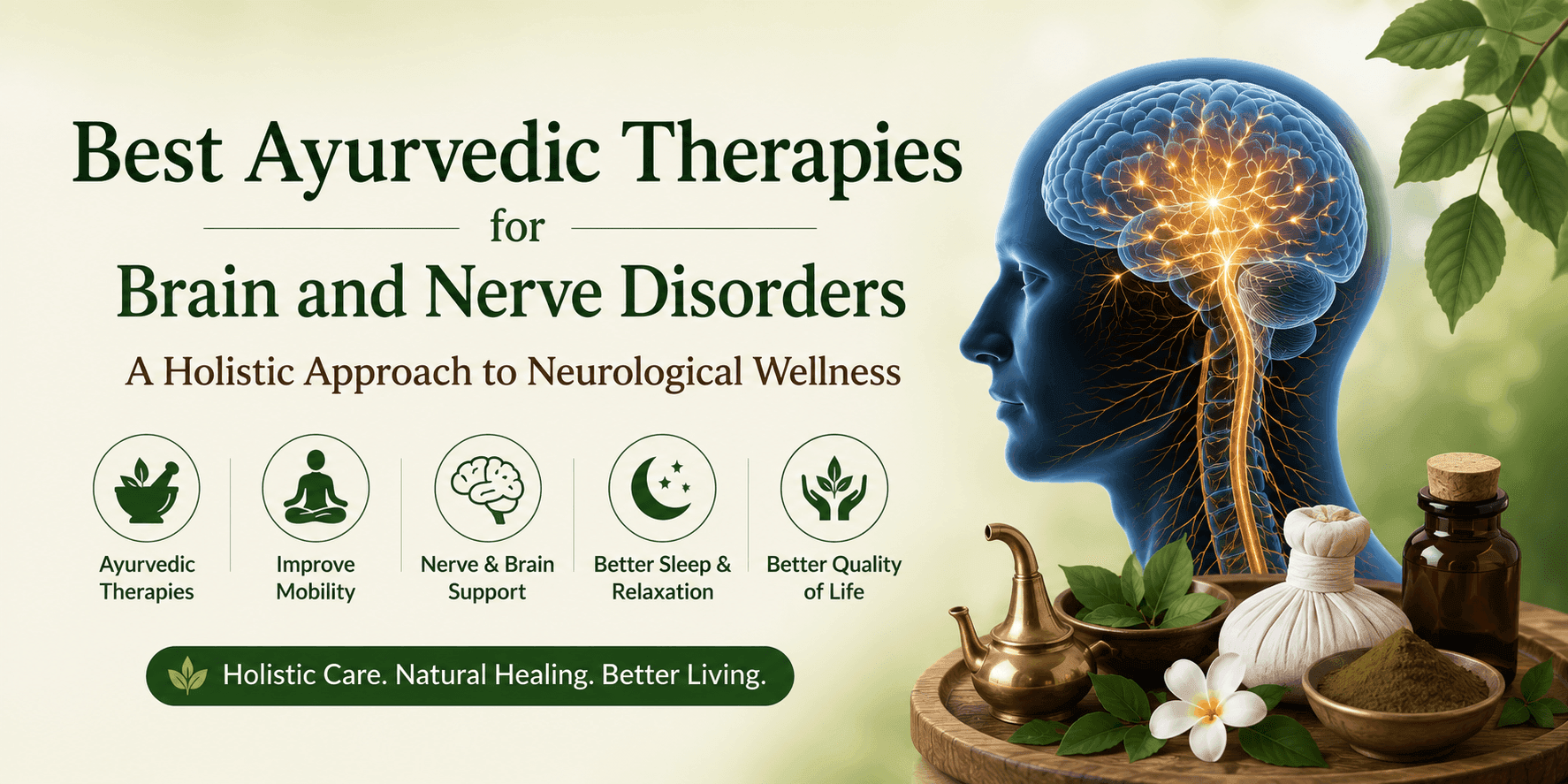
Brain and nerve disorders can affect movement, memory, coordination, sensation, speech, mood, and overall quality of life. Conditions such as Parkinson’s disease, stroke, neuropathy, multiple sclerosis, motor neuron disease, cerebral palsy, dementia, and chronic neurological disorders often require long-term care and multidisciplinary management.
Ayurveda, the traditional system of medicine originating in India, offers a holistic approach that focuses on supporting overall well-being, improving quality of life, and promoting balance within the body and mind. Ayurvedic therapies may help support mobility, relaxation, sleep quality, muscle function, and emotional well-being when used alongside appropriate conventional medical care.
Important Medical Disclaimer: Ayurveda should not be considered a cure for neurological disorders or a replacement for medical treatment prescribed by neurologists and other healthcare professionals. Individuals should consult qualified healthcare providers before starting any new treatment program.
Brain and Nerve Disorders: Quick Definition
Brain and nerve disorders are conditions that affect the brain, spinal cord, peripheral nerves, or neuromuscular system. They can influence movement, sensation, memory, speech, coordination, behavior, and overall daily functioning.
Quick Summary
What Are the Best Ayurvedic Therapies for Brain and Nerve Disorders?
Common Ayurvedic therapies used in supportive neurological care include:
- Basti – traditionally used for Vata balance
- Shirodhara – promotes relaxation and sleep quality
- Abhyanga – supports muscle comfort and circulation
- Nasya – supports head and neck wellness
- Pizhichil – promotes flexibility and relaxation
- Kizhi – helps support muscle comfort and mobility
- Panchakarma – individualized cleansing and rejuvenation therapies
The most suitable therapy depends on the individual's condition, symptoms, medical history, and Ayurvedic assessment.
When Should You Consider Ayurvedic Supportive Care?
You may consider consulting an Ayurvedic practitioner if you experience:
- Persistent muscle stiffness
- Tremors or involuntary movements
- Numbness or tingling sensations
- Chronic stress affecting neurological symptoms
- Sleep disturbances
- Fatigue related to neurological conditions
- Reduced mobility or flexibility
- Need for supportive rehabilitation after stroke
Early consultation allows for personalized lifestyle recommendations and supportive therapies that may improve overall well-being.
Who Can Benefit from Ayurvedic Neurological Support?
Ayurvedic supportive care may be considered by individuals experiencing:
- Parkinson's disease
- Stroke recovery challenges
- Peripheral neuropathy
- Multiple sclerosis
- Motor neuron disease
- Cerebral palsy
- Dementia and Alzheimer's disease
- Migraine and chronic headaches
- Stress-related neurological symptoms
- Sleep disturbances associated with neurological conditions
A qualified Ayurvedic physician can determine whether specific therapies may be appropriate based on the individual's health condition and medical history.
What Are Brain and Nerve Disorders?
Brain and nerve disorders, also known as neurological disorders, affect the brain, spinal cord, peripheral nerves, or neuromuscular system.
Common Neurological Conditions
- Parkinson’s disease
- Stroke and stroke recovery
- Motor Neuron Disease (MND)
- Multiple Sclerosis (MS)
- Peripheral neuropathy
- Cerebral Palsy
- Migraine and chronic headaches
- Epilepsy
- Alzheimer’s disease and dementia
- Attention-Deficit/Hyperactivity Disorder (ADHD)
- Autism Spectrum Disorder (ASD)
Common Symptoms
Depending on the condition, symptoms may include:
- Muscle weakness
- Tremors
- Numbness or tingling sensations
- Difficulty walking or maintaining balance
- Poor coordination
- Memory problems
- Speech difficulties
- Muscle stiffness
- Sleep disturbances
- Emotional and behavioral changes
When Should You Seek Medical Evaluation?
Neurological symptoms should never be ignored. Consult a qualified healthcare professional promptly if you experience:
- Persistent numbness or tingling
- Progressive muscle weakness
- Tremors affecting daily activities
- Memory changes
- Speech difficulties
- Loss of balance or coordination
- Frequent headaches
- New neurological symptoms
Early diagnosis and appropriate medical management can significantly improve long-term outcomes
How Does Ayurveda View Brain and Nerve Disorders?
According to Ayurveda, neurological health is closely associated with Vata Dosha, which governs movement, communication, sensory functions, and nervous system activities.
Role of Vata Dosha
When Vata becomes imbalanced, it may contribute to symptoms such as:
- Tremors
- Muscle stiffness
- Weakness
- Sleep disturbances
- Anxiety
- Impaired movement and coordination
Majja Dhatu and Nervous System Health
Ayurveda describes Majja Dhatu as the tissue responsible for supporting the nervous system and neurological functions. Maintaining healthy Majja Dhatu is considered important for mental clarity, memory, and nerve function.
Individualized Treatment Approach
Ayurvedic treatment is personalized based on:
- Prakriti (body constitution)
- Dosha imbalances
- Age
- Medical history
- Present symptoms
- Overall health status
Ayurvedic Therapies and Their Traditional Applications
Detailed Overview of Ayurvedic Therapies for Neurological Wellness
Panchakarma Therapy
Panchakarma is a group of traditional Ayurvedic cleansing and rejuvenation procedures designed to help restore dosha balance.
Potential Benefits
- Supports overall wellness
- Promotes relaxation
- May help reduce stress
- Supports healthy circulation
- Can be incorporated into individualized neurological care plans
The specific Panchakarma procedures recommended vary depending on the patient's condition and health status.
Shirodhara Therapy
What Is Shirodhara?
Shirodhara involves the continuous pouring of warm herbal oil or medicated liquids over the forehead under professional supervision.
Potential Benefits
- Deep relaxation
- Stress management
- Improved sleep quality
- Enhanced mental calmness
- Support for emotional well-being
Many individuals find Shirodhara beneficial as part of comprehensive wellness programs.
Shiro Abhyanga (Ayurvedic Head Massage)
Shiro Abhyanga is a therapeutic head massage performed using medicated oils.
Potential Benefits
- Promotes relaxation
- Supports scalp and head circulation
- Helps reduce stress
- May support mental clarity
- Encourages restful sleep
Abhyanga (Full-Body Ayurvedic Massage)
Abhyanga involves the application of warm herbal oils through rhythmic massage techniques.
Potential Benefits
- Muscle relaxation
- Reduced stiffness
- Improved circulation
- Enhanced flexibility
- Better overall comfort
Abhyanga is commonly recommended in supportive care programs for neurological conditions.
Pizhichil Therapy
Pizhichil combines gentle massage with the continuous application of warm medicated oils over the body.
Potential Benefits
- Supports muscle comfort
- Promotes flexibility
- Encourages relaxation
- Helps maintain joint mobility
- Supports overall physical well-being
Kizhi Therapy (Herbal Poultice Therapy)
Kizhi involves the application of warm herbal poultices to specific areas of the body.
Types of Kizhi
Ela Kizhi
Uses medicinal leaves to support muscle comfort and flexibility.
Podikizhi
Uses herbal powders that may help reduce stiffness and improve mobility.
Njavarakizhi
Uses medicated rice preparations to provide nourishment and rejuvenation.
Potential Benefits
- Improved muscle comfort
- Enhanced flexibility
- Reduced stiffness
- Better physical functioning
Nasya Therapy
What Is Nasya?
Nasya involves the administration of specially prepared herbal oils through the nasal passages under professional supervision.
Potential Benefits
- Supports head and neck wellness
- May help promote mental clarity
- Supports relaxation
- Complements other Ayurvedic therapies
Basti Therapy
Basti is considered one of Ayurveda's primary therapies for balancing Vata Dosha.
Why Is Basti Important?
Since many neurological conditions are associated with Vata imbalance in Ayurvedic theory, Basti may be recommended as part of a personalized treatment plan.
Potential Benefits
- Supports dosha balance
- Promotes overall wellness
- May complement neurological rehabilitation programs
Basti should only be performed under qualified Ayurvedic supervision.
Takradhara Therapy
Takradhara involves the continuous pouring of medicated buttermilk over the forehead.
Potential Benefits
- Promotes mental relaxation
- Supports emotional well-being
- Helps manage stress
- Encourages better sleep quality
Njavarakizhi Therapy
Njavarakizhi is a specialized rejuvenative therapy using medicinal rice processed with herbal decoctions and milk.
Potential Benefits
- Supports muscle nourishment
- Promotes physical strength
- Supports rehabilitation programs
- Enhances overall vitality
Ayurvedic Herbs Commonly Used for Brain and Nerve Health
Several herbs are traditionally used in Ayurveda to support neurological wellness.
Brahmi (Bacopa monnieri)
Traditionally used to support:
- Memory
- Concentration
- Cognitive function
Ashwagandha (Withania somnifera)
Traditionally used for:
- Stress management
- Physical vitality
- Overall well-being
Shankhapushpi
Traditionally used to support:
- Mental clarity
- Cognitive health
- Emotional balance
Jatamansi
Traditionally used for:
- Relaxation
- Sleep support
- Mental wellness
Guduchi
Traditionally valued for:
- General wellness support
- Immune health
- Rejuvenation
Yashtimadhu (Licorice)
Traditionally used in formulations that support neurological and respiratory health.
Important: Herbal medicines should only be prescribed by qualified Ayurvedic practitioners. Self-medication is not recommended.
Potential Benefits of Ayurvedic Therapies for Neurological Conditions
Physical Benefits
- Improved mobility
- Better flexibility
- Enhanced muscle comfort
- Reduced stiffness
- Improved physical functioning
Mental and Emotional Benefits
- Better sleep quality
- Stress reduction
- Relaxation
- Improved emotional well-being
Quality of Life Benefits
- Enhanced comfort
- Greater independence in daily activities
- Better overall wellness
- Improved sense of well-being
Individual results vary depending on the condition, severity, and overall health status.
Ayurveda as Part of Neurological Rehabilitation
Ayurvedic therapies are often incorporated into comprehensive rehabilitation programs. They may complement:
- Physiotherapy
- Occupational therapy
- Speech therapy
- Neurological rehabilitation
- Exercise programs
- Mental health support
A multidisciplinary approach often provides the best outcomes for individuals living with neurological disorders.
Conditions That May Benefit from Ayurvedic Supportive Care
Ayurvedic therapies may be integrated into supportive care programs for:
Parkinson’s Disease
May help support mobility, flexibility, and overall comfort.
Stroke Recovery
May complement rehabilitation programs under medical supervision.
Peripheral Neuropathy
May help support comfort and circulation.
Multiple Sclerosis (MS)
May assist with relaxation and overall wellness.
Motor Neuron Disease (MND)
May support quality of life and comfort measures.
Cerebral Palsy
May help improve flexibility and support physical functioning.
Dementia and Alzheimer's Disease
May support cognitive wellness and emotional well-being.
Migraine
May help reduce stress-related triggers and promote relaxation.
Important: Ayurveda does not cure these conditions and should be viewed as a complementary approach.
Personalized Treatment Approach in Ayurveda
Comprehensive Assessment
Before recommending treatment, Ayurvedic practitioners typically evaluate:
- Medical history
- Present symptoms
- Lifestyle factors
- Sleep patterns
- Digestive health
- Dosha imbalances
Customized Care Plan
Treatment plans may include:
- Ayurvedic therapies
- Herbal formulations
- Dietary recommendations
- Lifestyle guidance
- Yoga and meditation practices
What Happens During an Ayurvedic Consultation?
A typical consultation may include:
- Detailed medical history review
- Assessment of current symptoms
- Evaluation of digestion, sleep, and lifestyle habits
- Dosha and Prakriti assessment
- Discussion of treatment goals
- Development of a personalized care plan
The treatment plan may be adjusted periodically based on progress and individual needs.
Diet and Lifestyle Recommendations for Brain and Nerve Health
Ayurvedic Dietary Guidelines
A nourishing diet may include:
- Freshly prepared meals
- Adequate hydration
- Healthy fats
- Fruits and vegetables
- Easily digestible foods
Daily Lifestyle Practices
- Maintain a regular sleep schedule
- Practice stress management techniques
- Engage in gentle physical activity
- Follow consistent daily routines
Yoga and Meditation
Under professional guidance, yoga and meditation may help:
- Improve balance
- Enhance flexibility
- Reduce stress
- Support emotional wellness
Scientific Research on Ayurveda and Neurological Health
Research into Ayurvedic therapies for neurological conditions is ongoing. Some studies suggest potential benefits for relaxation, quality of life, stress reduction, and symptom management. However, more large-scale, high-quality clinical research is needed to establish effectiveness for specific neurological disorders.
Patients should rely on evidence-based medical care and discuss integrative approaches with their healthcare providers.
Areas Being Studied
Researchers are currently exploring Ayurvedic interventions for:
- Parkinson's disease symptom management
- Stroke rehabilitation support
- Neuropathy-related discomfort
- Cognitive health and memory support
- Stress reduction and sleep improvement
While preliminary findings are encouraging in some areas, larger and more rigorous clinical studies are required.
Commitment to Evidence-Informed Care
Ayurvedic therapies are recommended as complementary wellness interventions and not as substitutes for evidence-based medical treatments. Patients are encouraged to continue prescribed medications and consult their neurologist before making changes to their healthcare plan.
Emergency Symptoms Require Immediate Medical Care
Seek urgent medical attention immediately if you experience:
- Sudden facial drooping
- Sudden weakness or paralysis
- Difficulty speaking
- Sudden vision loss
- New seizures
- Loss of consciousness
- Severe headache occurring suddenly
- Difficulty breathing
Do not delay emergency medical treatment while seeking alternative or complementary therapies.
Safety Considerations Before Starting Ayurvedic Therapy
Consult a Healthcare Professional If You Have:
- Stroke
- Epilepsy
- Severe neurological disorders
- Serious medical conditions
- Pregnancy-related concerns
Choose Qualified Practitioners
Seek treatment from experienced Ayurvedic professionals who:
- Conduct thorough assessments
- Maintain appropriate hygiene standards
- Coordinate care with other healthcare providers when needed
Seek Immediate Medical Attention If You Experience
- Sudden weakness on one side of the body
- Sudden speech difficulties
- Sudden loss of vision
- New seizures
- Severe headaches with neurological symptoms
- Sudden loss of consciousness
- Difficulty breathing
These symptoms require urgent medical evaluation and should not be treated solely with Ayurvedic therapies.
Why Choose Professional Ayurvedic Care for Neurological Disorders?
Professional Ayurvedic care offers:
- Personalized treatment plans
- Holistic assessment
- Individualized therapies
- Lifestyle guidance
- Long-term wellness support
- Integrative care approaches
The goal is to support comfort, function, and overall quality of life while working alongside conventional medical care.
Ayurvedic Therapies for Brain and Nerve Disorders in Bangalore
Patients in Bangalore seeking integrative neurological care often explore Ayurvedic therapies alongside conventional treatment and rehabilitation programs.
Comprehensive Ayurvedic neurological care programs may include:
- Detailed Ayurvedic consultation
- Panchakarma therapies
- Neurological rehabilitation support
- Physiotherapy integration
- Diet and lifestyle counseling
- Stress management programs
- Long-term wellness monitoring
A personalized treatment plan is developed based on the individual's diagnosis, symptoms, age, overall health condition, and treatment goals.
Key Takeaways
- Ayurveda offers supportive therapies for brain and nerve health.
- Many neurological conditions are associated with Vata imbalance in Ayurvedic theory.
- Therapies such as Panchakarma, Basti, Shirodhara, Abhyanga, Nasya, and Kizhi are commonly used in Ayurvedic practice.
- Treatment should always be individualized and supervised by qualified practitioners.
- Ayurveda works best as a complementary approach alongside conventional neurological care.
- Early intervention, rehabilitation, healthy lifestyle practices, and multidisciplinary care remain essential for optimal outcomes.
Our Approach to Neurological Ayurvedic Care
Our Ayurvedic team follows an individualized, evidence-informed approach that combines classical Ayurvedic principles with modern understanding of neurological health. Treatment recommendations are tailored based on the patient's symptoms, medical history, treatment goals, and overall health status.
Last Medical Review
This article is periodically reviewed to ensure accuracy, safety, and alignment with current Ayurvedic principles and integrative healthcare practices.
Frequently Asked Questions
No. Ayurveda does not claim to cure most neurological disorders. It may provide supportive care that helps improve comfort, relaxation, sleep quality, mobility, and overall well-being.
The most suitable therapy depends on the individual's condition, symptoms, medical history, and Ayurvedic assessment.
Panchakarma may be recommended as part of a personalized treatment plan under qualified supervision.
Ayurvedic therapies may support symptom management, comfort, and quality of life alongside conventional medical treatment.
Brahmi, Ashwagandha, Shankhapushpi, Jatamansi, Guduchi, and Yashtimadhu are commonly used under professional supervision.
The duration varies depending on the condition, severity, treatment goals, and individual response.
The choice depends on the individual's condition. Therapies such as Basti, Shirodhara, Abhyanga, Nasya, and Panchakarma may be recommended as part of a personalized treatment plan.
Yes. Many individuals use Ayurvedic therapies alongside physiotherapy, occupational therapy, speech therapy, and conventional medical care under professional supervision.
Many therapies can be adapted for older adults; however, treatment should always be individualized and supervised by qualified healthcare professionals.
Frequency depends on the condition, treatment goals, and practitioner recommendations
Yes. Ayurvedic therapies are often integrated with physiotherapy, occupational therapy, speech therapy, and conventional neurological rehabilitation under professional supervision.
Many Ayurvedic therapies are used as part of long-term supportive care plans aimed at improving comfort, mobility, relaxation, sleep quality, and overall well-being. Treatment should always be individualized.
Ayurvedic therapies may help support relaxation, mobility, flexibility, sleep quality, emotional well-being, and overall comfort when used as part of a comprehensive care plan.
Therapy selection depends on the patient's condition and medical evaluation. Basti, Abhyanga, Pizhichil, and rehabilitation-focused therapies may be considered under professional supervision.
Many Ayurvedic therapies can be integrated with conventional medical care; however, patients should inform both their neurologist and Ayurvedic physician about all treatments and medications they are receiving.
Medical Disclaimer
This content is for educational purposes only and should not be considered medical advice. Always consult a qualified Ayurvedic doctor before undergoing any treatments.
Specialists
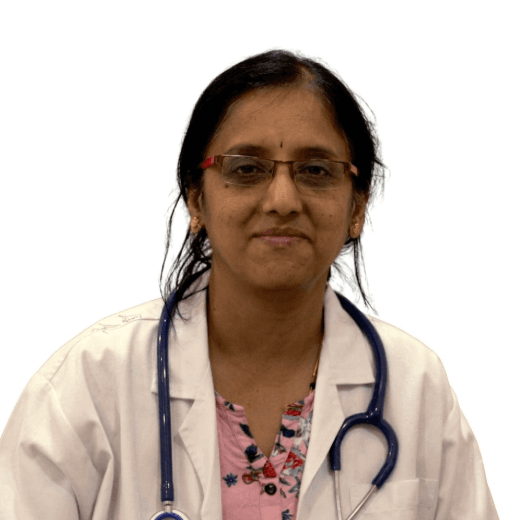
Dr. Srilakshmi
Bangalore
Panchakarma & Detoxification Therapies, Women’s Health & Gynaecological Disorders, Infertility & Reproductive Health, Skin Disorders & Ayurvedic Cosmetology, Hair & Scalp Disorders, Weight Management & Metabolic Disorders, Diabetes & Lifestyle Disorders, Bone, Joint & Musculoskeletal Disorders, Ayurvedic Proctology, Ayurvedic Surgery & Kshara Sutra, ENT & Head-Neck Disorders, Digestive & Gastrointestinal Disorders, Neurological Disorders, Stress, Anxiety & Sleep Disorders, Chronic Health Conditions, Ayurvedic Diet & Nutrition
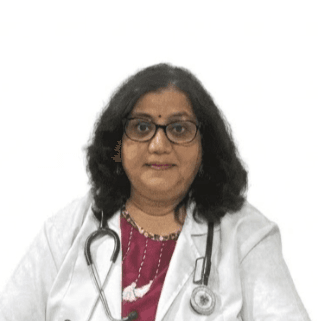
Dr.Sumana Patavardhan.K.S.
Bangalore
Panchakarma & Detoxification Therapies, Women’s Health & Gynaecological Disorders, Infertility & Reproductive Health, Skin Disorders & Ayurvedic Cosmetology, Hair & Scalp Disorders, Weight Management & Metabolic Disorders, Diabetes & Lifestyle Disorders, Bone, Joint & Musculoskeletal Disorders, Ayurvedic Proctology, Ayurvedic Surgery & Kshara Sutra, ENT & Head-Neck Disorders, Digestive & Gastrointestinal Disorders, Neurological Disorders, Stress, Anxiety & Sleep Disorders, Chronic Health Conditions, Ayurvedic Diet & Nutrition