
Blocked Arteries in Ayurveda
Experience holistic Ayurvedic approach to restoring natural vitality.
Request an Appointment
Table of Contents
Need personalized advice?
Introduction
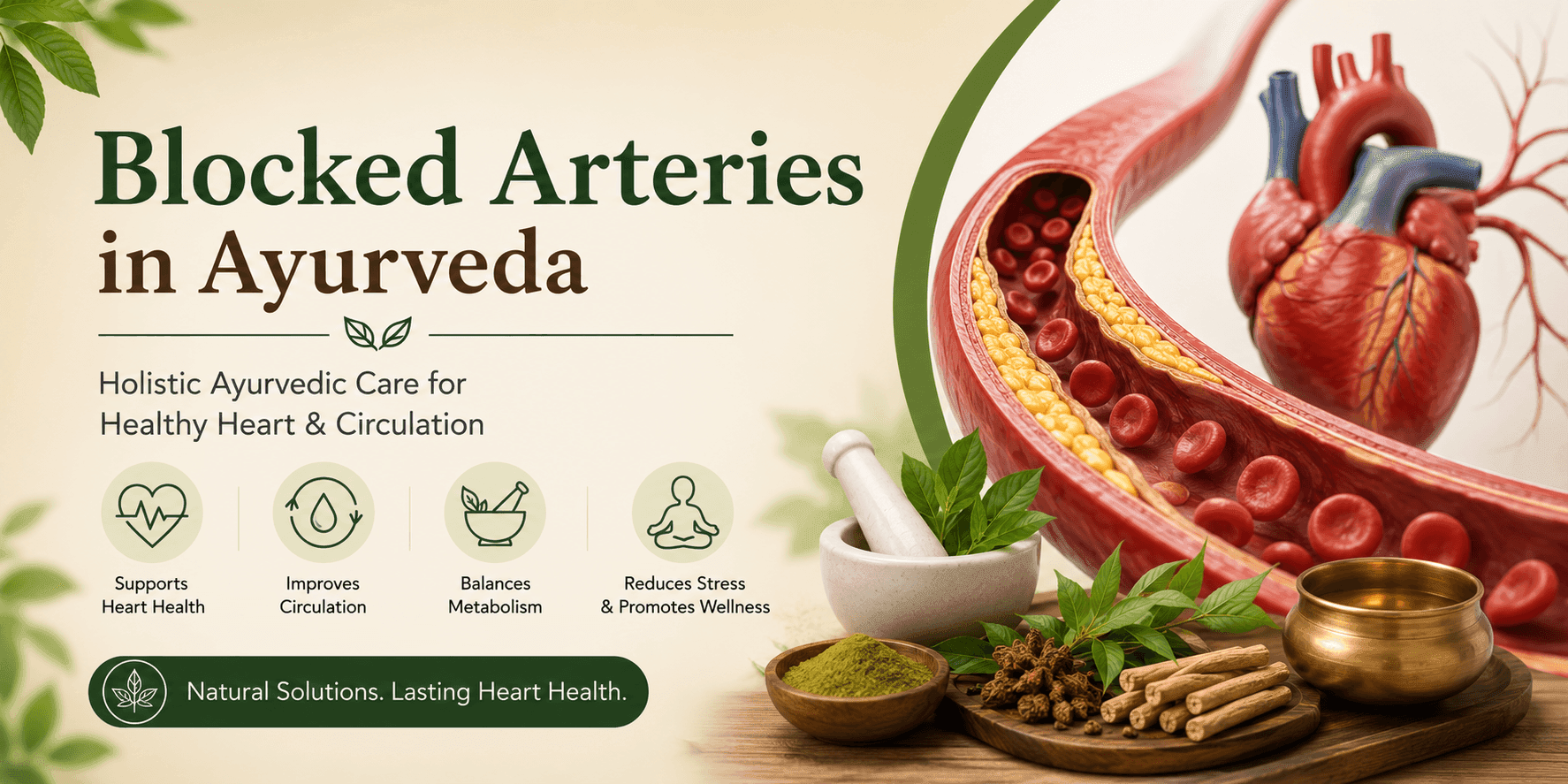
Blocked arteries, medically known as atherosclerosis or arterial plaque buildup, are among the leading contributors to heart attacks, strokes, and other cardiovascular diseases worldwide. The condition develops gradually when fatty deposits, cholesterol, inflammatory substances, and calcium accumulate inside artery walls, narrowing blood vessels and restricting blood flow.
In many cases, blocked arteries develop silently over several years before symptoms appear. As plaque buildup progresses, individuals may experience chest pain, shortness of breath, fatigue, reduced exercise tolerance, or circulation-related complications.
Many individuals explore Ayurveda for blocked arteries because Ayurveda emphasizes preventive healthcare, metabolic balance, healthy circulation, digestive wellness, weight management, and long-term lifestyle modification as part of cardiovascular care.
At Adyant Ayurveda, arterial health programs are personalized according to body constitution (Prakriti), dosha imbalance, metabolic status, cardiovascular risk factors, digestion, stress levels, and overall health condition.
This article explains:
- What blocked arteries are
- Causes and symptoms
- How Ayurveda understands arterial health
- Ayurvedic treatment approaches
- Panchakarma therapies
- Adyant Ayurveda treatment protocol
- Diet and lifestyle recommendations
- Scientific evidence and limitations
- When emergency medical care is necessary
Important Medical Disclaimer: Blocked arteries are a serious medical condition. Ayurveda should be used as a complementary approach alongside appropriate cardiology care. Ayurveda does not claim to dissolve arterial blockages or replace emergency treatment, angioplasty, bypass surgery, cholesterol-lowering medications, or physician-supervised care.
Quick Answer: Can Ayurveda Help Support Arterial Health?
Ayurveda for blocked arteries focuses on supporting cardiovascular wellness, healthy circulation, metabolic balance, digestive function, weight management, stress reduction, and lifestyle improvement through personalized herbal support, Panchakarma therapies, dietary guidance, and long-term preventive care under qualified supervision.
Key Highlights
- Blocked arteries often develop silently over time
- Lifestyle modification remains the foundation of management
- Ayurveda focuses on cardiovascular wellness and metabolic balance
- Panchakarma may be recommended in selected individuals
- Weight management and healthy digestion are important
- Stress management may support heart health
- Regular cardiology monitoring remains essential
What Are Blocked Arteries?
Arteries are blood vessels that carry oxygen-rich blood from the heart to the body's tissues.
Blocked arteries occur when plaque accumulates within artery walls.
Plaque may contain:
- Cholesterol
- Fatty substances
- Calcium
- Cellular waste products
- Inflammatory materials
Over time, plaque buildup can reduce blood flow and increase cardiovascular risk.
How Do Arteries Become Blocked?
The process usually develops gradually.
Stage 1: Arterial Injury
Damage to artery walls may occur due to:
- High cholesterol
- Smoking
- High blood pressure
- Diabetes
Stage 2: Plaque Formation
Fatty substances accumulate within vessel walls.
Stage 3: Narrowing of Arteries
Blood flow becomes restricted.
Stage 4: Cardiovascular Complications
Severe narrowing may increase the risk of:
- Heart attack
- Stroke
- Circulation problems
Symptoms of Blocked Arteries
Many people experience no symptoms during early stages.
Common Symptoms
- Chest discomfort
- Fatigue
- Reduced exercise tolerance
- Shortness of breath
Heart Arteries
- Angina
- Chest pressure
- Breathlessness
Brain Arteries
- Dizziness
- Weakness
- Stroke symptoms
Leg Arteries
- Leg pain while walking
- Cold feet
- Reduced circulation
High Cholesterol
Elevated LDL cholesterol contributes to plaque formation.
High Blood Pressure
Can damage artery walls over time.
Diabetes
Increases risk of vascular damage.
Smoking
Accelerates arterial injury and plaque formation.
Obesity
Associated with metabolic dysfunction and cardiovascular risk.
Chronic Inflammation
May contribute to plaque progression.
Risk Factors
- High cholesterol
- High blood pressure
- Diabetes
- Smoking
- Obesity
- Physical inactivity
- Family history
- Chronic stress
- Advancing age
Possible Complications
If left unmanaged, blocked arteries may contribute to:
- Coronary artery disease
- Heart attack
- Stroke
- Peripheral artery disease
- Reduced circulation
- Heart failure
Early intervention is essential.
How Are Blocked Arteries Diagnosed?
Diagnosis may involve:
Physical Examination
Review of symptoms and risk factors.
Blood Tests
- Lipid profile
- Blood sugar testing
Cardiac Testing
- ECG
- Echocardiography
- Stress testing
Imaging Studies
- CT angiography
- Coronary angiography
- Doppler ultrasound
Treatment decisions depend on the degree of blockage and cardiovascular risk.
Conventional Treatment Overview
Management may include:
- Cholesterol-lowering medications
- Blood pressure control
- Diabetes management
- Lifestyle modification
- Angioplasty
- Stent placement
- Coronary artery bypass surgery
Treatment is individualized based on severity.
How Ayurveda Understands Blocked Arteries
Ayurveda does not describe arterial blockage using modern cardiovascular terminology. However, the condition may be interpreted through concepts involving:
- Kapha imbalance
- Meda Dhatu dysfunction
- Ama accumulation
- Impaired circulation
- Metabolic imbalance
Kapha Dosha
Excess Kapha may be associated with:
- Weight gain
- Sluggish metabolism
- Fat accumulation
Meda Dhatu
Represents fat tissue metabolism in Ayurvedic theory.
Ama
Refers to improperly processed metabolic byproducts that may contribute to imbalance according to Ayurvedic principles.
Ayurveda for Blocked Arteries
The Ayurvedic approach focuses on:
- Supporting healthy metabolism
- Maintaining healthy circulation
- Encouraging weight management
- Supporting digestive function
- Promoting cardiovascular wellness
- Encouraging long-term lifestyle changes
Treatment is individualized rather than disease-centered.
1\. Comprehensive Assessment
Each patient undergoes:
- Prakriti assessment
- Dosha analysis
- Metabolic evaluation
- Lifestyle review
- Cardiovascular risk assessment
- Stress evaluation
- Dietary assessment
2\. Digestive and Metabolic Evaluation
At Adyant Ayurveda, digestive health is considered an important component of overall wellness.
Assessment includes:
- Appetite
- Digestion
- Energy levels
- Weight patterns
- Bowel habits
3\. Personalized Herbal Support
Protocols may include Ayurvedic formulations traditionally used for:
- Cardiovascular wellness
- Metabolic support
- Healthy circulation
- Weight management
- General vitality
4\. Panchakarma Planning
Selected individuals may benefit from supervised Panchakarma therapies depending on:
- Age
- Medical history
- Cardiovascular status
- Body constitution
5\. Lifestyle Optimization
Patients receive guidance regarding:
- Physical activity
- Weight management
- Stress reduction
- Sleep improvement
- Healthy eating habits
6\. Long-Term Maintenance Program
Follow-up care focuses on:
- Sustainable lifestyle habits
- Metabolic wellness
- Cardiovascular risk reduction
- Overall wellbeing
Panchakarma for Cardiovascular Wellness
Panchakarma therapies are selected according to individual assessment.
Abhyanga
Traditional therapeutic oil massage used for relaxation and wellness support.
Swedana
Controlled sweating therapies may support circulation and relaxation.
Basti
May be recommended in selected individuals for dosha balance.
Hridaya Basti
Traditional localized Ayurvedic therapy sometimes used in heart wellness programs under professional supervision.
Shirodhara
Traditionally used for stress reduction and nervous system relaxation.
Arjuna
Traditionally used for cardiovascular wellness support.
Guggulu
Traditionally used for metabolic balance and wellness support.
Garlic (Lashuna)
Used in Ayurvedic wellness programs supporting cardiovascular health.
Ashwagandha
Supports stress resilience and overall wellbeing.
Guduchi
Promotes general wellness and vitality.
Herbal supplements should only be used under professional supervision, especially in patients taking heart medications.
Foods to Include
- Fresh vegetables
- Fruits
- Whole grains
- Legumes
- Fiber-rich foods
- Healthy fats in moderation
- Adequate hydration
Foods to Limit
- Deep-fried foods
- Processed foods
- Trans fats
- Excess sugar
- Excess salt
- Tobacco products
Helpful Habits
- Regular exercise
- Weight management
- Smoking cessation
- Stress management
- Adequate sleep
- Routine health screenings
Exercise and Heart Health
Physical activity is one of the most effective lifestyle interventions for cardiovascular wellness.
Recommended Activities
- Walking
- Yoga
- Swimming
- Cycling
- Light strength training
Exercise should be tailored according to cardiovascular status and physician recommendations.
Stress Management
Chronic stress may negatively affect cardiovascular health.
Helpful practices include:
- Meditation
- Yoga
- Deep breathing exercises
- Mindfulness practices
- Relaxation techniques
Scientific Research and Evidence
Research suggests that lifestyle modification, dietary interventions, physical activity, stress reduction, and selected Ayurvedic practices may support cardiovascular wellness.
However:
- No Ayurvedic therapy has been conclusively proven to remove established arterial blockages.
- Larger clinical studies are needed.
- Ayurveda should complement evidence-based cardiovascular care.
Potential Benefits
- Holistic wellness approach
- Personalized treatment plans
- Focus on prevention
- Lifestyle improvement
- Stress reduction support
Limitations
- Severe arterial blockage requires medical supervision
- Results vary between individuals
- Emergency conditions require immediate medical treatment
- Surgical intervention may still be necessary in advanced cases
When to Seek Emergency Medical Care
Call emergency services immediately if you experience:
- Chest pain
- Sudden shortness of breath
- Severe dizziness
- Loss of consciousness
- Stroke symptoms
- Sudden weakness on one side of the body
These symptoms may indicate a life-threatening emergency.
Frequently Asked Questions
Ayurveda does not claim to remove or reverse arterial blockages. The focus is on supporting cardiovascular wellness, healthy metabolism, and lifestyle modification.
Arjuna is one of the most widely used Ayurvedic herbs traditionally associated with cardiovascular wellness.
Panchakarma may be recommended as part of a broader wellness plan under professional supervision, but it should not replace medical treatment.
No. Treatment decisions regarding angioplasty or surgery should only be made by qualified cardiologists.
Yes. Chronic stress is considered a significant cardiovascular risk factor.
Some herbs may interact with medications. Always consult qualified healthcare professionals before combining treatments.
At Adyant Ayurveda, cardiovascular wellness programs are individualized using classical Ayurvedic principles combined with modern health awareness. Our approach includes: * Detailed Ayurvedic consultations * Personalized herbal support * Panchakarma therapies when appropriate * Diet and lifestyle counseling * Weight management support * Stress management guidance * Long-term wellness planning Our goal is to support overall cardiovascular wellness while encouraging evidence-based medical care and preventive lifestyle practices.
Medical Disclaimer
This content is for educational purposes only and should not be considered medical advice. Always consult a qualified Ayurvedic doctor before undergoing any treatments.
Specialists
Dr. Srilakshmi
Bangalore
Panchakarma & Detoxification Therapies, Women’s Health & Gynaecological Disorders, Infertility & Reproductive Health, Skin Disorders & Ayurvedic Cosmetology, Hair & Scalp Disorders, Weight Management & Metabolic Disorders, Diabetes & Lifestyle Disorders, Bone, Joint & Musculoskeletal Disorders, Ayurvedic Proctology, Ayurvedic Surgery & Kshara Sutra, ENT & Head-Neck Disorders, Digestive & Gastrointestinal Disorders, Neurological Disorders, Stress, Anxiety & Sleep Disorders, Chronic Health Conditions, Ayurvedic Diet & Nutrition
Dr.Sumana Patavardhan.K.S.
Bangalore
Panchakarma & Detoxification Therapies, Women’s Health & Gynaecological Disorders, Infertility & Reproductive Health, Skin Disorders & Ayurvedic Cosmetology, Hair & Scalp Disorders, Weight Management & Metabolic Disorders, Diabetes & Lifestyle Disorders, Bone, Joint & Musculoskeletal Disorders, Ayurvedic Proctology, Ayurvedic Surgery & Kshara Sutra, ENT & Head-Neck Disorders, Digestive & Gastrointestinal Disorders, Neurological Disorders, Stress, Anxiety & Sleep Disorders, Chronic Health Conditions, Ayurvedic Diet & Nutrition