
Cerebral Palsy Ayurvedic Management
Experience holistic Ayurvedic approach to restoring natural vitality.
Request an Appointment
Table of Contents
Need personalized advice?
Quick Answer
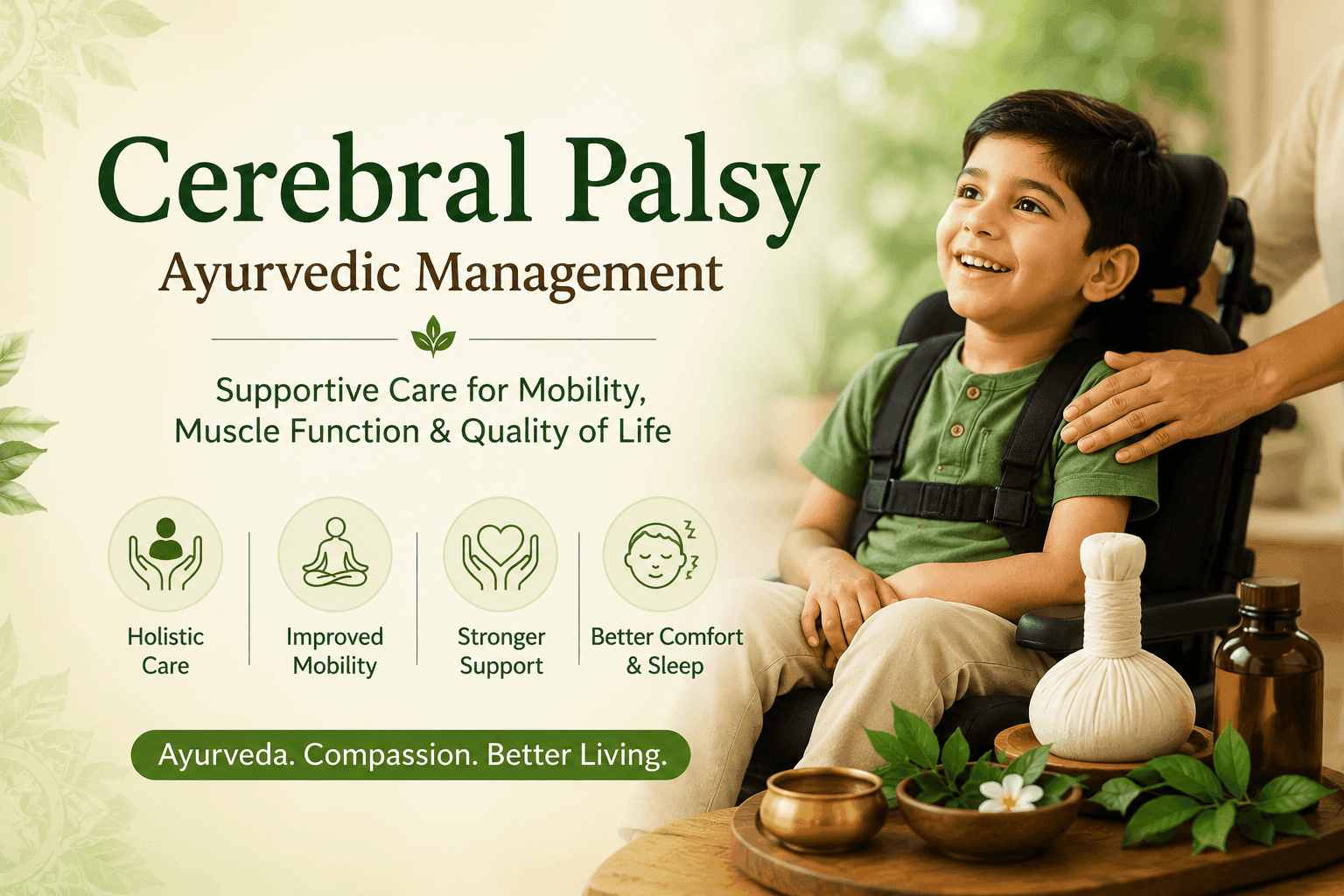
Cerebral Palsy is a neurological condition that affects movement, posture, balance, and muscle coordination. Ayurveda cannot cure Cerebral Palsy or reverse brain injury, but supportive Ayurvedic therapies may help improve flexibility, comfort, sleep quality, mobility, and overall quality of life when integrated with physiotherapy and conventional medical care.
Can Ayurveda Help in Cerebral Palsy?
Cerebral Palsy (CP) is a lifelong neurological condition caused by injury or abnormal development of the brain during early life. While Ayurveda cannot cure Cerebral Palsy or reverse the underlying brain injury, it may provide supportive care that helps improve mobility, muscle flexibility, comfort, sleep quality, digestion, and overall quality of life.
Ayurvedic management is individualized and is best used alongside conventional medical care, physiotherapy, occupational therapy, speech therapy, and rehabilitation programs. The primary goal is to support functional abilities, enhance comfort, and improve overall well-being.
Medical Disclaimer: Cerebral Palsy requires evaluation and management by qualified healthcare professionals. Ayurvedic therapies should complement—not replace—evidence-based medical care and rehabilitation.
Key Takeaways
- Cerebral Palsy is a lifelong neurological condition that affects movement, posture, balance, and coordination.
- Ayurveda cannot cure Cerebral Palsy or reverse brain injury.
- Ayurvedic therapies may support mobility, flexibility, comfort, sleep, digestion, and overall quality of life.
- Panchakarma therapies are individualized based on the child's condition and health status.
- Physiotherapy, occupational therapy, and speech therapy remain essential components of care.
- Integrated management often provides the best outcomes.
What is Cerebral Palsy?
Cerebral Palsy is a group of neurological disorders that affect movement, posture, balance, and muscle coordination. It occurs due to damage or abnormal development of the developing brain, usually before birth, during delivery, or shortly after birth.
The condition affects each individual differently. Some children may experience mild movement difficulties, while others may require significant support with daily activities. Although Cerebral Palsy is a lifelong condition, early intervention and comprehensive rehabilitation can help maximize functional independence and quality of life.
Why Early Intervention Matters
Early intervention plays a vital role in helping children with Cerebral Palsy achieve their developmental potential. Timely physiotherapy, occupational therapy, speech therapy, nutritional support, and appropriate supportive Ayurvedic care may help improve functional abilities, mobility, communication skills, and participation in daily activities.
Benefits of Early Rehabilitation
Early rehabilitation can play a significant role in helping children with Cerebral Palsy reach their developmental potential. Timely intervention may help:
• Improve motor skills and movement patterns
• Enhance muscle strength and flexibility
• Support communication and social interaction
• Improve balance and coordination
• Encourage greater independence in daily activities
• Reduce the risk of secondary complications
A multidisciplinary approach involving physiotherapy, occupational therapy, speech therapy, nutritional support, and appropriate medical care is often recommended.
Understanding Cerebral Palsy: Causes and Risk Factors
Causes of Cerebral Palsy
Several factors can contribute to the development of Cerebral Palsy, including:
- Abnormal brain development during pregnancy
- Premature birth
- Low birth weight
- Reduced oxygen supply to the brain during birth
- Infections affecting the mother or baby
- Brain injury during infancy
- Severe neonatal jaundice
- Stroke occurring before or shortly after birth
Risk Factors
The risk of Cerebral Palsy may be higher in:
- Premature babies
- Multiple pregnancies (twins or triplets)
- Infants with low birth weight
- Babies who experience birth complications
- Infants with certain infections affecting the brain
Common Signs and Symptoms of Cerebral Palsy
Symptoms vary depending on the type and severity of the condition.
Movement and Motor Symptoms
- Muscle stiffness (spasticity)
- Muscle weakness
- Poor balance and coordination
- Delayed developmental milestones
- Difficulty walking
- Abnormal posture
- Involuntary movements
Associated Symptoms
Some individuals may also experience:
- Speech difficulties
- Swallowing and feeding problems
- Learning difficulties
- Seizures
- Vision or hearing impairments
- Sleep disturbances
- Behavioral challenges
Possible Complications of Cerebral Palsy
In addition to movement and coordination difficulties, some individuals with Cerebral Palsy may develop complications over time, including:
- Joint contractures (permanent tightening of muscles and joints)
- Hip dislocation or hip pain
- Scoliosis (abnormal curvature of the spine)
- Feeding and swallowing difficulties
- Nutritional deficiencies
- Respiratory infections due to swallowing problems
- Chronic pain and muscle discomfort
- Sleep disturbances and fatigue
Regular medical monitoring and rehabilitation can help identify and manage these complications early.
Types of Cerebral Palsy
Spastic Cerebral Palsy
The most common type, characterized by increased muscle tone and stiffness.
Dyskinetic Cerebral Palsy
Involves involuntary movements that may affect posture and coordination.
Ataxic Cerebral Palsy
Primarily affects balance, coordination, and precision of movement.
Mixed Cerebral Palsy
A combination of symptoms from more than one type of Cerebral Palsy.
Who Can Benefit from Ayurvedic Supportive Care?
Ayurvedic supportive care may be considered for:
- Children with spastic Cerebral Palsy
- Children experiencing muscle stiffness and tightness
- Individuals with movement and coordination difficulties
- Those undergoing physiotherapy and rehabilitation
- Children experiencing sleep disturbances
- Individuals requiring long-term supportive care
- Children needing support for flexibility and comfort
Treatment suitability should always be determined after a detailed medical and Ayurvedic assessment.
How Ayurveda Views Cerebral Palsy
From an Ayurvedic perspective, many symptoms associated with Cerebral Palsy may be understood in relation to disturbances in Vata Dosha, which governs movement, coordination, and nervous system functions.
Ayurveda emphasizes individualized assessment based on Prakriti (constitution), Dosha imbalance, age, strength, digestive capacity, and overall health status before developing a personalized treatment plan.
It is important to note that Ayurvedic interpretations are based on traditional principles and do not replace modern medical diagnosis.
Ayurvedic Management of Cerebral Palsy
The primary aim of Cerebral Palsy management in Ayurveda is to support functional abilities and improve quality of life.
Treatment Goals
Ayurvedic care may focus on:
- Supporting muscle flexibility
- Enhancing comfort and relaxation
- Improving mobility and coordination
- Supporting sleep quality
- Promoting digestive health
- Improving overall well-being
- Assisting rehabilitation efforts
Personalized Ayurvedic Assessment
Before initiating treatment, Ayurvedic physicians typically assess:
- Prakriti (individual constitution)
- Dosha imbalance
- Muscle tone and mobility limitations
- Digestive health
- Sleep patterns
- Lifestyle factors
- Existing medical conditions
Panchakarma Therapies for Cerebral Palsy
Panchakarma therapies are selected based on the individual's condition, age, and overall health.
Abhyanga (Therapeutic Oil Massage)
Abhyanga involves the application of medicated oils using specific massage techniques. It may help support muscle relaxation, improve circulation, promote comfort, and reduce feelings of stiffness.
Swedana (Herbal Fomentation)
Swedana involves the application of therapeutic heat after oil massage. This therapy may support flexibility, relaxation, and muscle comfort.
Shashtika Shali Pinda Sweda (Navarakizhi)
This nourishing therapy uses medicated rice boluses prepared with herbal decoctions and milk. It may support muscle nourishment, flexibility, and rehabilitation efforts.
Basti Therapy
Basti is traditionally considered one of the most important therapies for Vata-related conditions. It is often incorporated into comprehensive Ayurvedic treatment plans.
Shirodhara
Shirodhara involves the gentle pouring of medicated liquids over the forehead and may support relaxation, sleep quality, and emotional well-being.
Safety Considerations for Panchakarma Therapies
Panchakarma therapies should always be performed under the supervision of qualified Ayurvedic physicians. Treatment protocols may require modification based on the child's age, mobility limitations, nutritional status, associated medical conditions, and seizure history.
Parents should inform both their Ayurvedic physician and healthcare team about ongoing medications and therapies to ensure coordinated care.
Situations Requiring Additional Medical Evaluation
Certain Panchakarma therapies may need modification, postponement, or additional medical clearance in individuals with:
• Uncontrolled seizures or epilepsy
• Acute infections or fever
• Severe malnutrition
• Significant respiratory difficulties
• Recent surgery or hospitalization
• Serious cardiac conditions
• Severe swallowing difficulties
A thorough assessment by qualified healthcare professionals is essential before initiating treatment.
Ayurvedic Medicines Used in Cerebral Palsy Management
Ayurvedic medicines are selected based on the individual's symptoms, constitution, age, and treatment goals. Because treatment is highly individualized, self-medication should be avoided.
Important Safety Considerations
- Use Ayurvedic medicines only under qualified medical supervision.
- Inform healthcare providers about all medications and supplements being used.
- Follow dosage instructions carefully.
- Regular monitoring is important, especially in children.
Diet and Nutrition in Ayurvedic Care
Nutrition plays an important role in supporting growth, strength, and overall health.
Foods Commonly Recommended
- Warm, freshly prepared meals
- Easily digestible foods
- Nourishing soups and porridges
- Adequate hydration
- Balanced nutrition suitable for age
Foods Often Limited
- Highly processed foods
- Excessively cold foods and beverages
- Irregular eating habits
Healthy digestion is considered essential for proper nourishment and overall well-being.
Physiotherapy and Rehabilitation Along with Ayurveda
An integrated approach is often considered most beneficial for individuals with Cerebral Palsy.
Comprehensive care may involve pediatricians, neurologists, physiotherapists, occupational therapists, speech therapists, nutritionists, and Ayurvedic physicians.
When appropriate, supportive Ayurvedic therapies may complement rehabilitation programs by helping improve comfort, flexibility, and participation in therapy sessions.
Lifestyle and Home Care Recommendations
- Maintain a structured daily routine (Dinacharya)
- Follow prescribed stretching and exercise programs
- Ensure adequate sleep and rest
- Encourage participation in age-appropriate activities
- Provide emotional support and positive reinforcement
Supporting Caregivers and Families
Caring for a child with Cerebral Palsy can be physically and emotionally demanding. Parents and caregivers should maintain regular medical follow-ups, participate in therapy sessions, encourage independence where appropriate, seek emotional support, and focus on long-term functional goals.
A strong support system can positively influence the child's development and quality of life.
Potential Benefits of Ayurvedic Supportive Care
Individual results vary, but supportive Ayurvedic care may help:
- Improve comfort and relaxation
- Support flexibility and mobility
- Enhance sleep quality
- Promote digestive health
- Improve overall quality of life
- Support participation in rehabilitation programs
Understanding the Limitations of Treatment
It is important to understand that:
- Cerebral Palsy is a lifelong condition.
- Severe neurological damage cannot be reversed.
- Results vary between individuals.
- Improvement depends on age, severity, rehabilitation, and overall health.
- Long-term follow-up and consistent therapy are often required.
Setting realistic expectations is essential for families and caregivers.
Scientific Evidence and Research
Research on Ayurvedic management of Cerebral Palsy is still evolving. Some preliminary clinical studies have explored the potential role of Ayurvedic therapies and Panchakarma procedures in supporting muscle flexibility, mobility, comfort, and quality of life in individuals with Cerebral Palsy.
While some findings are encouraging, the available evidence remains limited due to small study sizes and variations in treatment protocols. Larger, high-quality clinical trials are needed to better understand long-term outcomes and effectiveness.
Current evidence does not support claims that Ayurveda can cure Cerebral Palsy or reverse underlying brain injury. Ayurveda should be viewed as a complementary supportive approach that may assist rehabilitation efforts when integrated with conventional medical care and therapy programs.
Emergency Warning
Seek emergency medical attention immediately if a child with Cerebral Palsy develops:
• Difficulty breathing
• Continuous or prolonged seizures
• Loss of consciousness
• Severe dehydration
• Sudden inability to swallow
• Suspected aspiration during feeding
Emergency medical conditions require immediate hospital-based care and should not be managed solely with Ayurvedic therapies.
When to Seek Immediate Medical Attention
Seek prompt medical care if the individual experiences:
- New or worsening seizures
- Sudden weakness
- Breathing difficulties
- Severe feeding or swallowing problems
- Persistent vomiting
- High fever
- Significant decline in function
- Sudden increase in muscle stiffness
- Repeated choking during feeding
- Loss of previously acquired skills
- Frequent falls
- Persistent pain
- Changes in vision or hearing
The Importance of Individualized Care
Every individual with Cerebral Palsy has unique strengths, challenges, and healthcare needs. Therefore, treatment plans should be personalized rather than standardized.
An effective management strategy may involve collaboration between pediatricians, neurologists, physiotherapists, occupational therapists, speech therapists, nutritionists, and Ayurvedic physicians. A multidisciplinary approach helps ensure comprehensive and coordinated care.
Our experience in Supportive Neurological Care
At Adyant Ayurveda, individuals with neurological and developmental conditions are assessed through a comprehensive Ayurvedic evaluation that considers constitution (Prakriti), functional abilities, mobility status, digestive health, sleep patterns, and overall well-being.
Supportive care plans are personalized and may include Panchakarma therapies, dietary recommendations, lifestyle guidance, and coordinated care alongside physiotherapy, occupational therapy, speech therapy, and conventional medical management. The focus remains on improving comfort, supporting functional abilities, and enhancing quality of life.
Related Ayurvedic Therapies Used in Supportive Neurological Care
Depending on the individual's condition and treatment goals, Ayurvedic physicians may recommend supportive therapies such as:
• Abhyanga (Therapeutic Oil Massage)
• Swedana (Herbal Fomentation)
• Shashtika Shali Pinda Sweda (Navarakizhi)
• Basti Therapy
• Shirodhara
• Personalized Ayurvedic dietary and lifestyle guidance
The suitability of each therapy depends on age, health status, symptoms, and clinical assessment.
Conclusion
Cerebral Palsy requires long-term, multidisciplinary care focused on maximizing functional abilities and improving quality of life. While Ayurveda cannot cure Cerebral Palsy or reverse the underlying brain injury, supportive Ayurvedic therapies may help improve comfort, flexibility, mobility, sleep quality, and overall well-being when integrated with conventional medical care and rehabilitation.
The most effective approach combines individualized Ayurvedic management with physiotherapy, occupational therapy, speech therapy, nutritional guidance, and regular medical supervision. Early intervention, consistent therapy, and family support play a crucial role in helping individuals with Cerebral Palsy achieve their fullest potential.
Medical Disclaimer: This article is intended for educational purposes only and should not be considered medical advice. Always consult qualified healthcare professionals before starting any treatment program.
Frequently Asked Questions
No. Cerebral Palsy is a lifelong neurological condition. Ayurveda may provide supportive care aimed at improving comfort, mobility, and quality of life.
Certain Panchakarma therapies may help support flexibility, relaxation, and overall well-being as part of a personalized treatment plan.
Yes. Ayurveda is often used alongside physiotherapy, occupational therapy, and speech therapy as part of an integrated care approach.
Ayurvedic therapies should only be administered under the guidance of qualified Ayurvedic physicians and coordinated with the child's healthcare team.
The duration varies depending on the individual's condition, treatment goals, and response to therapy.
Abhyanga, Swedana, Shashtika Shali Pinda Sweda (Navarakizhi), Basti, and Shirodhara may be recommended based on individual assessment.
Some Ayurvedic therapies may help support muscle relaxation and flexibility as part of a comprehensive rehabilitation plan. Results vary between individuals.
No. The brain injury itself does not worsen over time, although symptoms and functional challenges may change as the child grows.
Many individuals with Cerebral Palsy can achieve varying levels of independence with appropriate medical care, therapy, education, and support.
The primary goal is to support mobility, comfort, functional abilities, participation in daily activities, and overall quality of life.
Medical Disclaimer
This content is for educational purposes only and should not be considered medical advice. Always consult a qualified Ayurvedic doctor before undergoing any treatments.
Specialists
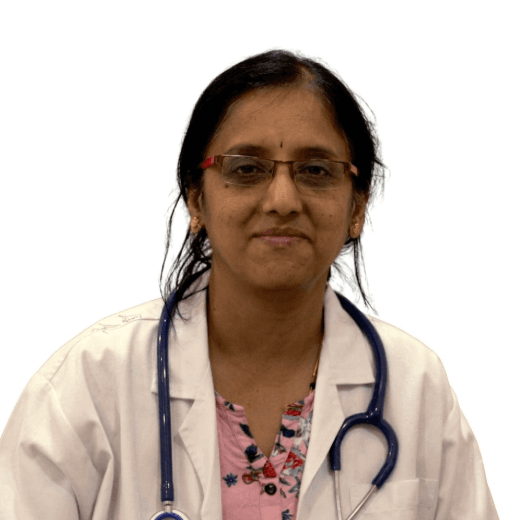
Dr. Srilakshmi
Bangalore
Panchakarma & Detoxification Therapies, Women’s Health & Gynaecological Disorders, Infertility & Reproductive Health, Skin Disorders & Ayurvedic Cosmetology, Hair & Scalp Disorders, Weight Management & Metabolic Disorders, Diabetes & Lifestyle Disorders, Bone, Joint & Musculoskeletal Disorders, Ayurvedic Proctology, Ayurvedic Surgery & Kshara Sutra, ENT & Head-Neck Disorders, Digestive & Gastrointestinal Disorders, Neurological Disorders, Stress, Anxiety & Sleep Disorders, Chronic Health Conditions, Ayurvedic Diet & Nutrition
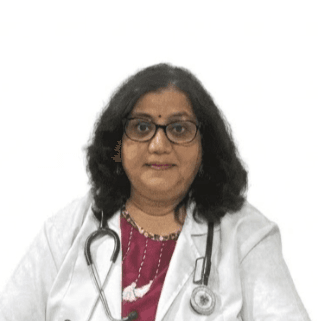
Dr.Sumana Patavardhan.K.S.
Bangalore
Panchakarma & Detoxification Therapies, Women’s Health & Gynaecological Disorders, Infertility & Reproductive Health, Skin Disorders & Ayurvedic Cosmetology, Hair & Scalp Disorders, Weight Management & Metabolic Disorders, Diabetes & Lifestyle Disorders, Bone, Joint & Musculoskeletal Disorders, Ayurvedic Proctology, Ayurvedic Surgery & Kshara Sutra, ENT & Head-Neck Disorders, Digestive & Gastrointestinal Disorders, Neurological Disorders, Stress, Anxiety & Sleep Disorders, Chronic Health Conditions, Ayurvedic Diet & Nutrition