
Cholesterol in Ayurveda
Experience holistic Ayurvedic approach to restoring natural vitality.
Request an Appointment
Table of Contents
Need personalized advice?
Introduction
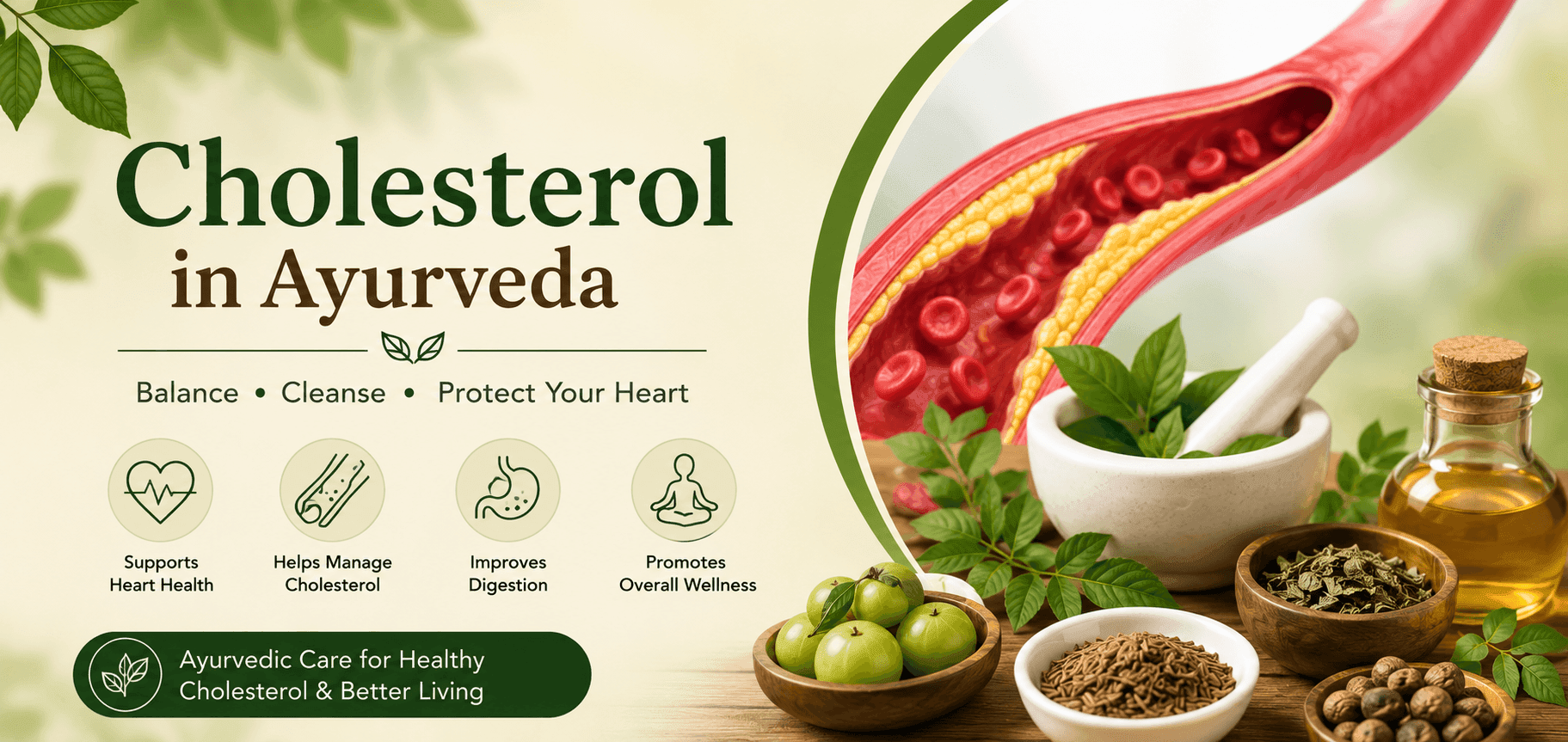
High cholesterol is one of the most common lifestyle-related health concerns worldwide and is considered a significant risk factor for cardiovascular diseases. Elevated cholesterol levels often develop silently without obvious symptoms, making regular health screening and preventive care essential.
While cholesterol is necessary for hormone production, cell membrane function, and overall health, excessive levels of low-density lipoprotein (LDL) cholesterol may contribute to plaque formation within blood vessels. Over time, this can increase the risk of heart disease, stroke, and circulation-related complications.
Many individuals seek Ayurvedic treatment for cholesterol because Ayurveda focuses on holistic metabolic health, digestive balance, lifestyle correction, weight management, and long-term wellness rather than merely addressing laboratory values.
At Adyant Ayurveda, high cholesterol management protocols are personalized according to body constitution (Prakriti), dosha imbalance, digestion (Agni), metabolism, lifestyle habits, stress levels, body weight, and cardiovascular risk factors.
This article explains:
- What high cholesterol is
- Causes and risk factors
- How Ayurveda understands cholesterol imbalance
- Panchakarma and Ayurvedic management approaches
- Adyant Ayurveda treatment protocol
- Diet and lifestyle recommendations
- Scientific evidence and limitations
- When medical care is necessary
Important Medical Disclaimer: High cholesterol is a medical condition that may increase cardiovascular risk. Ayurvedic treatment should complement—not replace—medical evaluation, prescribed medications, and cardiovascular monitoring. Never discontinue prescribed cholesterol-lowering medications without consulting your physician.
Quick Answer: Can Ayurveda Help Manage High Cholesterol?
Ayurvedic treatment for cholesterol focuses on supporting healthy lipid metabolism, improving digestion (Agni), reducing metabolic imbalance, supporting weight management, promoting cardiovascular wellness, and incorporating personalized herbal support, Panchakarma therapies, dietary modifications, exercise guidance, and lifestyle interventions under professional supervision.
Key Highlights
- Ayurveda focuses on root-cause metabolic balance
- Personalized treatment based on dosha assessment
- Digestive health is considered important in lipid metabolism
- Panchakarma may be recommended in selected individuals
- Diet and exercise remain essential components
- Stress management may support cardiovascular health
- Regular medical monitoring remains important
What Is Cholesterol?
Cholesterol is a waxy substance naturally produced by the liver and also obtained from certain foods.
The body requires cholesterol for:
- Hormone production
- Vitamin D synthesis
- Cell membrane formation
- Digestive processes
However, excessive cholesterol levels may contribute to cardiovascular disease risk.
Understanding High Cholesterol
High cholesterol occurs when cholesterol levels in the bloodstream exceed healthy ranges.
This condition may involve:
- Elevated LDL cholesterol
- Increased triglycerides
- Reduced HDL cholesterol
- Metabolic dysfunction
Because symptoms are often absent, many individuals remain unaware until routine blood testing.
LDL Cholesterol (Low-Density Lipoprotein)
Often referred to as "bad cholesterol" because elevated levels may contribute to plaque formation in arteries.
HDL Cholesterol (High-Density Lipoprotein)
Often called "good cholesterol" because it helps transport excess cholesterol away from blood vessels.
Triglycerides
A type of blood fat that may increase cardiovascular risk when elevated.
Total Cholesterol
Combined measurement of different cholesterol components.
Symptoms of High Cholesterol
High cholesterol often causes no noticeable symptoms.
However, associated cardiovascular conditions may eventually lead to:
- Chest discomfort
- Fatigue
- Reduced exercise tolerance
- Circulation-related issues
Routine testing is therefore extremely important.
Dietary Factors
- Excess saturated fats
- Trans fats
- Highly processed foods
- Excess sugar consumption
Lifestyle Factors
- Physical inactivity
- Obesity
- Smoking
- Excess alcohol intake
Medical Factors
- Diabetes
- Hypothyroidism
- Metabolic syndrome
- Kidney disease
Genetic Factors
Inherited conditions may increase cholesterol levels despite healthy lifestyle habits.
Risk Factors
- Obesity
- Diabetes
- Family history
- Smoking
- Sedentary lifestyle
- Poor dietary habits
- Advancing age
- High blood pressure
Possible Complications of High Cholesterol
If not properly managed, high cholesterol may contribute to:
- Coronary artery disease
- Heart attack
- Stroke
- Peripheral artery disease
- Reduced circulation
- Cardiovascular complications
How Is High Cholesterol Diagnosed?
Diagnosis typically involves:
Lipid Profile Testing
Measures:
- Total cholesterol
- LDL cholesterol
- HDL cholesterol
- Triglycerides
Additional Assessments
- Blood pressure evaluation
- Blood sugar testing
- Weight and BMI assessment
- Cardiovascular risk evaluation
Regular monitoring helps guide treatment decisions.
Conventional Treatment Overview
Conventional cholesterol management may include:
- Lifestyle modifications
- Dietary counseling
- Weight reduction programs
- Physical activity recommendations
- Cholesterol-lowering medications
- Cardiovascular risk management
Treatment depends on overall cardiovascular risk and laboratory results.
How Ayurveda Understands High Cholesterol
Ayurveda does not describe cholesterol using modern medical terminology. However, elevated cholesterol may be interpreted through concepts involving:
- Meda Dhatu imbalance (fat tissue metabolism)
- Kapha aggravation
- Mandagni (sluggish digestion)
- Ama accumulation (metabolic toxins)
Kapha Dosha
Often associated with:
- Weight gain
- Sluggish metabolism
- Fat accumulation
Pitta Dosha
May influence metabolic processing.
Vata Dosha
May contribute to circulation-related concerns in advanced conditions.
Ayurvedic Treatment for Cholesterol
Ayurvedic management aims to support:
- Healthy metabolism
- Digestive function
- Weight balance
- Cardiovascular wellness
- Physical activity
- Long-term lifestyle correction
1\. Comprehensive Ayurvedic Assessment
Every patient undergoes:
- Prakriti assessment
- Dosha evaluation
- Metabolic assessment
- Weight analysis
- Lifestyle review
- Dietary evaluation
- Family history review
2\. Agni and Metabolic Evaluation
At Adyant Ayurveda, digestive health is considered an important factor influencing metabolism and overall wellness.
Assessment includes:
- Appetite patterns
- Digestion quality
- Bowel habits
- Energy levels
- Weight patterns
3\. Personalized Herbal Support
Protocols may include Ayurvedic formulations traditionally used for:
- Metabolic wellness
- Cardiovascular support
- Weight management
- Digestive balance
- General wellness
4\. Panchakarma Planning
Selected individuals may benefit from personalized Panchakarma therapies based on:
- Body constitution
- Weight status
- Metabolic health
- Existing medical conditions
5\. Diet and Lifestyle Optimization
Patients receive personalized guidance regarding:
- Meal planning
- Weight management
- Exercise routines
- Stress management
- Sleep hygiene
6\. Long-Term Maintenance Support
Follow-up plans focus on:
- Sustainable lifestyle changes
- Healthy metabolic function
- Weight management
- Cardiovascular wellness
Panchakarma for Cholesterol Management
Panchakarma therapies are selected individually and performed under professional supervision.
Udvartana
Traditional herbal powder massage often used in Ayurvedic wellness programs focused on metabolism and weight management.
Abhyanga
Therapeutic oil massage used for relaxation and overall wellness support.
Swedana
Controlled sweating therapies may support metabolic wellness and relaxation.
Virechana
Traditionally used in selected individuals for metabolic and Pitta-related balance.
Basti
May be recommended in specific cases according to Ayurvedic assessment.
Ayurvedic Herbs Traditionally Used for Metabolic Wellness
Herb | Traditional Purpose | Wellness Support |
Guggulu | Traditionally used for metabolic support | General wellness |
Arjuna | Traditionally used in cardiovascular wellness | Heart health support |
Triphala | Digestive support | Gut wellness |
Garlic (Lashuna) | Traditionally used in cardiovascular wellness | Metabolic support |
Guduchi | General wellness support | Immune and metabolic support |
Herbal therapies should always be prescribed by qualified Ayurvedic practitioners.
Foods to Include
- Fresh vegetables
- Whole grains
- Legumes
- Seasonal fruits
- High-fiber foods
- Healthy fats in moderation
- Adequate hydration
Foods to Limit
- Deep-fried foods
- Processed foods
- Excess sugar
- Excess saturated fats
- Trans fats
- Excess alcohol
Helpful Habits
- Maintain healthy body weight
- Stay physically active
- Practice stress management
- Get adequate sleep
- Avoid smoking
- Follow regular meal timings
Weight Management and Exercise
Physical activity is one of the most important components of cholesterol management.
Recommended Activities
- Brisk walking
- Yoga
- Cycling
- Swimming
- Strength training
- Daily movement routines
Exercise plans should be adapted according to age and medical condition.
How Long Does Ayurvedic Cholesterol Management Take?
Improvement timelines vary depending on:
- Baseline cholesterol levels
- Weight status
- Lifestyle adherence
- Dietary habits
- Existing medical conditions
- Genetic factors
Regular follow-up and laboratory monitoring remain essential.
Scientific Research and Evidence
Research suggests that lifestyle modification, dietary changes, weight reduction, stress management, and selected Ayurvedic interventions may support cardiovascular wellness and healthy lipid metabolism.
However, larger clinical studies are needed to establish the effectiveness of specific Ayurvedic treatments for cholesterol management.
Ayurvedic care should complement evidence-based cardiovascular care.
Potential Benefits
- Personalized treatment plans
- Focus on root-cause lifestyle factors
- Weight management support
- Metabolic wellness support
- Long-term lifestyle improvement
Limitations
- Results vary among individuals
- High-risk patients may require medication
- Severe cardiovascular disease requires specialist care
- Regular blood testing remains necessary
When to Consult a Doctor Immediately
Seek immediate medical attention if you experience:
- Chest pain
- Sudden shortness of breath
- Severe dizziness
- Sudden weakness
- Stroke symptoms
- Unexplained fainting
These may indicate serious cardiovascular complications.
Frequently Asked Questions
Ayurveda does not claim guaranteed or permanent cures. Management focuses on supporting healthy metabolism, improving lifestyle habits, promoting cardiovascular wellness, and maintaining long-term health.
High cholesterol is commonly associated with Kapha imbalance and Meda Dhatu dysfunction according to Ayurvedic principles.
Selected Panchakarma therapies may be recommended under professional supervision as part of a comprehensive wellness plan.
No. Never stop prescribed medications without consulting your physician.
Yes. Maintaining a healthy body weight is often an important component of cholesterol management.
Ayurvedic medicines should only be used under the supervision of qualified healthcare professionals.
At Adyant Ayurveda, every patient receives a personalized treatment plan based on Ayurvedic assessment, metabolic evaluation, lifestyle analysis, and long-term wellness goals. Our approach combines: * Individualized Ayurvedic consultation * Personalized herbal support * Panchakarma therapies when appropriate * Diet and lifestyle counseling * Weight management guidance * Ongoing follow-up and monitoring The goal is to support sustainable metabolic wellness and cardiovascular health through a holistic, evidence-informed Ayurvedic approach.
Medical Disclaimer
This content is for educational purposes only and should not be considered medical advice. Always consult a qualified Ayurvedic doctor before undergoing any treatments.
Specialists

Dr. Srilakshmi
Bangalore
Panchakarma & Detoxification Therapies, Women’s Health & Gynaecological Disorders, Infertility & Reproductive Health, Skin Disorders & Ayurvedic Cosmetology, Hair & Scalp Disorders, Weight Management & Metabolic Disorders, Diabetes & Lifestyle Disorders, Bone, Joint & Musculoskeletal Disorders, Ayurvedic Proctology, Ayurvedic Surgery & Kshara Sutra, ENT & Head-Neck Disorders, Digestive & Gastrointestinal Disorders, Neurological Disorders, Stress, Anxiety & Sleep Disorders, Chronic Health Conditions, Ayurvedic Diet & Nutrition

Dr.Sumana Patavardhan.K.S.
Bangalore
Panchakarma & Detoxification Therapies, Women’s Health & Gynaecological Disorders, Infertility & Reproductive Health, Skin Disorders & Ayurvedic Cosmetology, Hair & Scalp Disorders, Weight Management & Metabolic Disorders, Diabetes & Lifestyle Disorders, Bone, Joint & Musculoskeletal Disorders, Ayurvedic Proctology, Ayurvedic Surgery & Kshara Sutra, ENT & Head-Neck Disorders, Digestive & Gastrointestinal Disorders, Neurological Disorders, Stress, Anxiety & Sleep Disorders, Chronic Health Conditions, Ayurvedic Diet & Nutrition