

Dementia Treatment in Ayurveda
Request an Appointment
Table of Contents
Need personalized advice?
Introduction
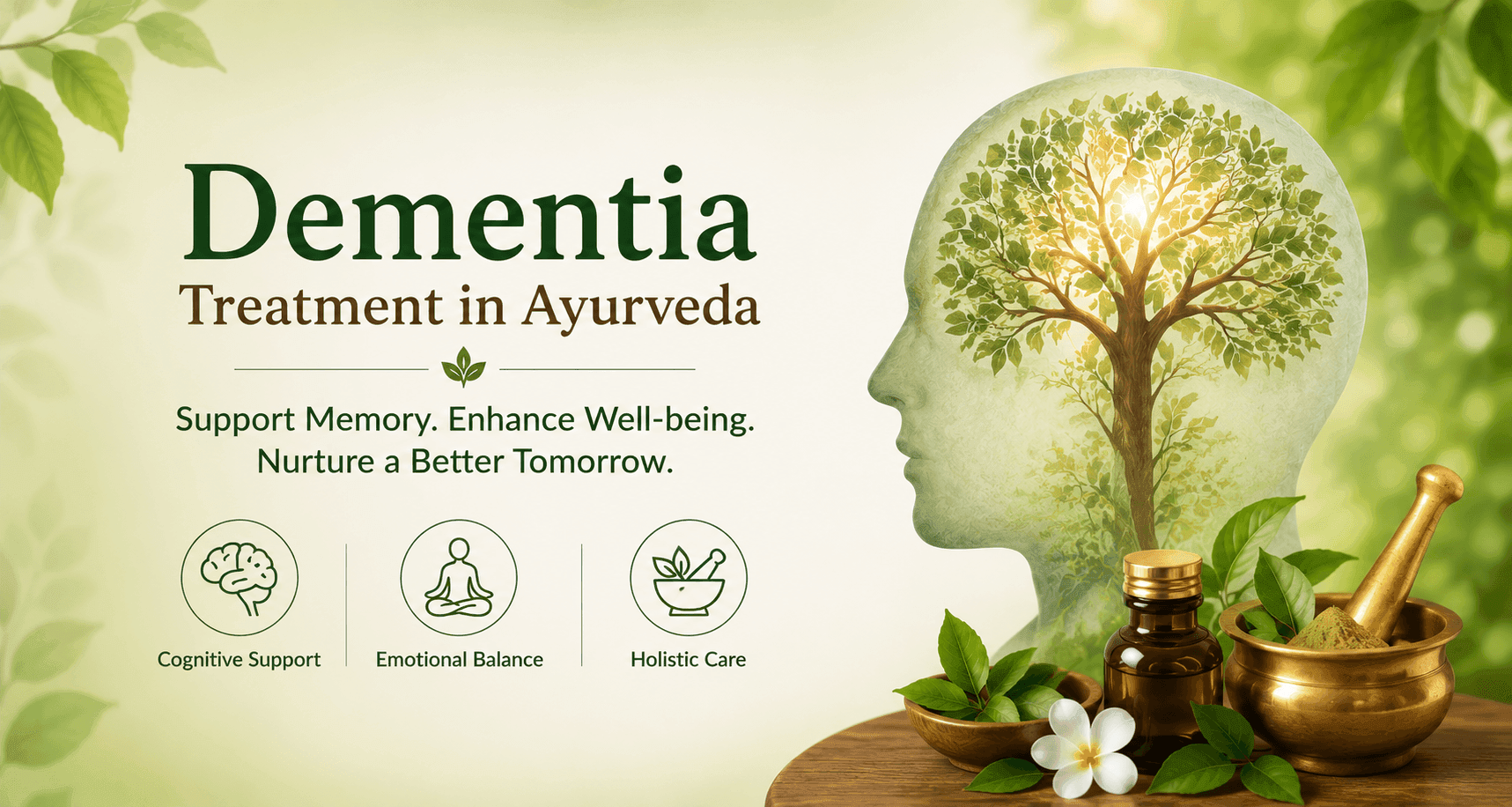
Introduction
Dementia is a progressive neurological condition that affects memory, thinking, reasoning, language, behavior, and the ability to perform daily activities. It is not a single disease but rather a group of symptoms caused by various conditions affecting the brain, including Alzheimer's disease, vascular dementia, Lewy body dementia, and frontotemporal dementia.
As life expectancy increases worldwide, dementia has become a growing public health concern affecting millions of individuals and their families. The condition can significantly impact independence, emotional well-being, relationships, and overall quality of life.
Many families explore Ayurveda as a complementary approach to support cognitive health, emotional balance, sleep quality, daily functioning, and overall well-being in individuals living with dementia.
At Adyant Ayurveda, dementia management programs focus on holistic care, personalized Ayurvedic assessment, cognitive wellness support, stress reduction, caregiver guidance, dietary optimization, and lifestyle modifications while encouraging ongoing neurological and medical supervision.
This article explains:
- What dementia is
- Early warning signs and symptoms
- Risk factors and causes
- How Ayurveda understands cognitive decline
- Ayurvedic approaches for dementia support
- Adyant Ayurveda treatment protocol
- Panchakarma therapies
- Diet and lifestyle recommendations
- Scientific evidence and limitations
- When to seek medical attention
Important Medical Disclaimer: Dementia is a serious neurological condition requiring evaluation and management by qualified healthcare professionals. Ayurveda should be used as a complementary approach alongside conventional medical care and not as a replacement for neurologist-recommended treatment plans.
What Is Dementia?
Dementia is a syndrome characterized by progressive decline in cognitive function beyond what is expected from normal aging.
It may affect:
- Memory
- Thinking ability
- Judgment
- Language skills
- Problem-solving
- Orientation
- Behavior
- Daily activities
The severity can range from mild impairment to complete dependence on caregivers.
Common Types of Dementia
Alzheimer's Disease
The most common cause of dementia worldwide.
Vascular Dementia
Associated with reduced blood flow to the brain.
Lewy Body Dementia
Characterized by abnormal protein deposits within brain cells.
Frontotemporal Dementia
Primarily affects behavior, personality, and language.
Mixed Dementia
Combination of multiple dementia-related conditions.
Symptoms of Dementia
Early Symptoms
- Forgetfulness
- Difficulty recalling recent events
- Misplacing items
- Trouble finding words
- Reduced concentration
Moderate Symptoms
- Difficulty managing finances
- Confusion regarding time and place
- Mood changes
- Personality changes
- Difficulty performing familiar tasks
Advanced Symptoms
- Severe memory loss
- Communication difficulties
- Mobility challenges
- Dependence on caregivers
- Difficulty recognizing family members
Early Warning Signs of Dementia
Seek medical evaluation if an individual experiences:
- Increasing memory problems
- Difficulty planning or organizing
- Repeatedly asking the same questions
- Confusion during routine activities
- Significant changes in personality
- Difficulty following conversations
Early assessment may help identify treatable causes of cognitive impairment.
Causes and Risk Factors
Several factors may increase dementia risk.
Age
Advancing age remains the strongest risk factor.
Genetics
Family history may increase susceptibility.
Cardiovascular Risk Factors
- High blood pressure
- Diabetes
- High cholesterol
- Smoking
- Obesity
Lifestyle Factors
- Physical inactivity
- Chronic stress
- Poor sleep quality
- Social isolation
Neurological Conditions
Certain brain disorders may contribute to cognitive decline.
Potential Complications
Dementia may eventually lead to:
- Loss of independence
- Increased fall risk
- Nutritional challenges
- Communication difficulties
- Behavioral symptoms
- Caregiver burden
- Reduced quality of life
How Is Dementia Diagnosed?
Diagnosis typically involves:
Medical Evaluation
- Detailed medical history
- Cognitive assessment
- Neurological examination
Laboratory Testing
- Blood investigations
- Vitamin deficiency assessment
- Thyroid evaluation
Brain Imaging
- MRI
- CT scan
- Additional neurological investigations when necessary
Early diagnosis helps guide management and planning.
Conventional Dementia Treatment
Conventional care may include:
- Cognitive-enhancing medications
- Behavioral management strategies
- Occupational therapy
- Physical therapy
- Memory support interventions
- Caregiver education
Treatment aims to improve quality of life and manage symptoms.
How Ayurveda Understands Dementia
Ayurveda does not directly describe dementia using modern terminology. However, age-related cognitive decline may be understood through concepts involving:
- Vata Dosha imbalance
- Majja Dhatu depletion
- Ojas depletion
- Aging-related degeneration
- Impaired mental clarity (Medha)
Vata Dominance
According to Ayurvedic principles, aging naturally increases Vata, which may influence neurological function and cognitive stability.
Medhya Concept
Ayurveda places significant emphasis on preserving memory, intellect, concentration, and mental clarity through Medhya (cognitive-supportive) therapies.
Dementia Treatment in Ayurveda
Ayurvedic dementia care focuses on:
- Cognitive wellness support
- Healthy aging
- Sleep improvement
- Emotional balance
- Stress reduction
- Nutritional support
- Caregiver guidance
Treatment plans are individualized based on the patient's condition and overall health status.
Adyant Ayurveda Dementia Support Protocol
- Comprehensive Ayurvedic Assessment
Every patient undergoes:
- Prakriti assessment
- Dosha evaluation
- Cognitive function review
- Sleep assessment
- Dietary evaluation
- Stress analysis
- Lifestyle review
- Cognitive Wellness Planning
Personalized care may focus on:
- Memory support
- Daily routine optimization
- Emotional wellness
- Social engagement
- Sleep quality improvement
- Personalized Herbal Support
Protocols may include Ayurvedic formulations traditionally used for:
- Cognitive wellness
- Mental clarity
- Stress management
- Healthy aging
- Nervous system support
- Panchakarma Assessment
Selected individuals may benefit from carefully supervised Panchakarma therapies depending on:
- Age
- Physical health
- Cognitive status
- Existing medical conditions
- Family and Caregiver Counseling
Caregiver education is an important component of long-term dementia care.
Guidance may include:
- Daily routine management
- Communication strategies
- Nutrition support
- Stress management for caregivers
Panchakarma Therapies for Cognitive Wellness
Therapies are selected individually and performed under professional supervision.
Shirodhara
Traditional therapy involving a continuous stream of liquid over the forehead, commonly used in stress management and relaxation programs.
Abhyanga
Therapeutic oil massage traditionally used to support relaxation and Vata balance.
Nasya
Traditional nasal therapy sometimes incorporated into cognitive wellness programs.
Shiro Abhyanga
Head massage traditionally used to support relaxation and wellbeing.
Ayurvedic Herbs Traditionally Used for Cognitive Wellness
Herbal recommendations should only be made by qualified healthcare professionals.
Diet Recommendations for Cognitive Health
Foods to Include
- Fresh vegetables
- Seasonal fruits
- Whole grains
- Nuts and seeds
- Healthy fats
- Adequate hydration
Foods to Limit
- Highly processed foods
- Excess sugar
- Excess alcohol
- Smoking and tobacco use
A balanced diet may support overall brain health.
Lifestyle and Cognitive Wellness
Helpful Practices
- Regular physical activity
- Social engagement
- Mental stimulation
- Reading and puzzles
- Consistent sleep schedule
- Stress management
Lifestyle interventions play an important role in healthy aging.
Caregiver Support and Family Involvement
Family support is often critical in dementia care.
Caregivers may benefit from:
- Education programs
- Emotional support
- Respite care
- Structured daily routines
- Communication strategies
Supporting caregivers is an important part of holistic dementia management.
Scientific Research and Evidence
Research suggests that healthy lifestyle habits, exercise, cognitive stimulation, stress management, sleep optimization, and certain traditional herbs may support overall brain health.
However:
- No Ayurvedic treatment has been proven to cure dementia.
- More high-quality clinical studies are needed.
- Integrative care remains the most appropriate approach.
Ayurvedic interventions should complement evidence-based neurological care.
Benefits and Limitations
Potential Benefits
- Personalized care approach
- Focus on quality of life
- Stress management support
- Sleep optimization
- Caregiver guidance
- Holistic wellness support
Limitations
- Dementia is generally progressive
- Results vary among individuals
- Severe neurological impairment requires specialist care
- Ongoing medical monitoring remains essential
When to Consult a Doctor Immediately
Seek urgent medical evaluation if there is:
- Sudden confusion
- New weakness on one side of the body
- Difficulty speaking
- Sudden vision changes
- Seizures
- Severe behavioral changes
- Head injury
These symptoms may indicate a medical emergency.
Overview
Why Choose Adyant Ayurveda for Dementia Support?
At Adyant Ayurveda, we focus on personalized, compassionate, and evidence-informed Ayurvedic care.
Our approach includes:
- Comprehensive Ayurvedic assessment
- Cognitive wellness support
- Personalized herbal planning
- Panchakarma therapies when appropriate
- Dietary and lifestyle counseling
- Family and caregiver guidance
- Long-term wellness support
Our goal is to help individuals maintain dignity, comfort, wellbeing, and quality of life while working alongside conventional medical care.
Last Updated: June 2026
Frequently Asked Questions
No. Ayurveda does not claim to cure dementia. Treatment focuses on supporting cognitive wellness, quality of life, emotional wellbeing, and healthy aging.
Age-related cognitive decline is often associated with Vata imbalance according to Ayurvedic principles.
Certain Panchakarma therapies may be considered for selected individuals under professional supervision as part of a broader wellness plan.
Herbs should only be used under professional supervision, especially when patients are taking prescription medications.
Healthy lifestyle habits may support cognitive health and overall quality of life.
Yes. Ayurvedic care should complement—not replace—medical treatment recommended by neurologists and healthcare providers.
At Adyant Ayurveda, we focus on personalized, compassionate, and evidence-informed Ayurvedic care. Our approach includes: *Comprehensive Ayurvedic assessment, *Cognitive wellness support, *Personalized herbal planning, *Panchakarma therapies when appropriate, *Dietary and lifestyle counseling, *Family and caregiver guidance, *Long-term wellness support. | Our goal is to help individuals maintain dignity, comfort, wellbeing, and quality of life while working alongside conventional medical care.
Medical Disclaimer
This content is for educational purposes only and should not be considered medical advice. Always consult a qualified Ayurvedic doctor before undergoing any treatments.
Specialists

Dr. Srilakshmi
Bangalore
Panchakarma & Detoxification Therapies, Women’s Health & Gynaecological Disorders, Infertility & Reproductive Health, Skin Disorders & Ayurvedic Cosmetology, Hair & Scalp Disorders, Weight Management & Metabolic Disorders, Diabetes & Lifestyle Disorders, Bone, Joint & Musculoskeletal Disorders, Ayurvedic Proctology, Ayurvedic Surgery & Kshara Sutra, ENT & Head-Neck Disorders, Digestive & Gastrointestinal Disorders, Neurological Disorders, Stress, Anxiety & Sleep Disorders, Chronic Health Conditions, Ayurvedic Diet & Nutrition
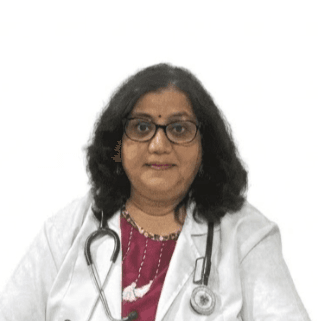
Dr.Sumana Patavardhan.K.S.
Bangalore
Panchakarma & Detoxification Therapies, Women’s Health & Gynaecological Disorders, Infertility & Reproductive Health, Skin Disorders & Ayurvedic Cosmetology, Hair & Scalp Disorders, Weight Management & Metabolic Disorders, Diabetes & Lifestyle Disorders, Bone, Joint & Musculoskeletal Disorders, Ayurvedic Proctology, Ayurvedic Surgery & Kshara Sutra, ENT & Head-Neck Disorders, Digestive & Gastrointestinal Disorders, Neurological Disorders, Stress, Anxiety & Sleep Disorders, Chronic Health Conditions, Ayurvedic Diet & Nutrition