

Epilepsy Treatment in Ayurveda
Request an Appointment
Table of Contents
Need personalized advice?
Introduction
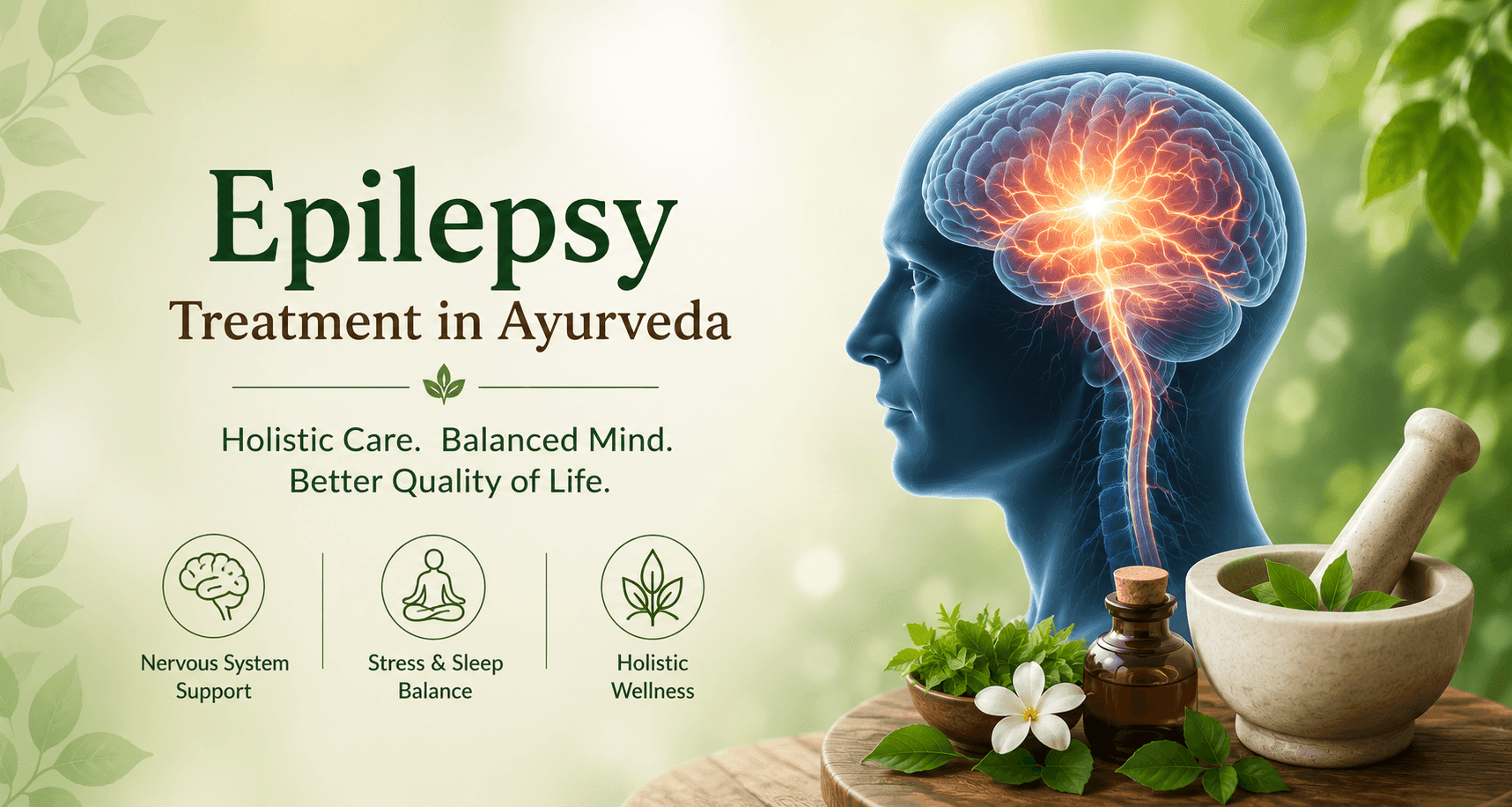
Epilepsy is a chronic neurological disorder characterized by recurrent seizures caused by abnormal electrical activity in the brain. It affects people of all ages and can significantly impact daily activities, education, employment, driving ability, emotional health, and overall quality of life.
According to global health estimates, millions of people worldwide live with epilepsy. While modern medicine offers effective seizure-control treatments through anti-epileptic medications and specialized neurological care, many patients seek complementary approaches to support overall neurological health and wellbeing.
Ayurveda, India's traditional system of medicine, approaches epilepsy through a holistic framework that considers the balance of body, mind, lifestyle, digestion, sleep, and nervous system health. Ayurvedic therapies may be used as supportive care alongside conventional medical treatment under professional supervision.
At Adyant Ayurveda, epilepsy management programs focus on individualized assessment, lifestyle guidance, nervous system support, stress management, sleep optimization, dietary recommendations, and carefully selected Ayurvedic therapies tailored to each patient's condition.
This article discusses:
- What epilepsy is
- Causes and symptoms
- Types of seizures
- How Ayurveda understands epilepsy
- Ayurvedic supportive management approaches
- Adyant Ayurveda treatment protocol
- Diet and lifestyle recommendations
- Safety considerations
- Frequently asked questions
Important Medical Disclaimer: Epilepsy is a serious neurological condition that requires evaluation and ongoing care by a qualified neurologist. Ayurvedic treatment should complement—not replace—prescribed anti-epileptic medications or emergency medical care. Never stop seizure medications without consulting your neurologist.
Quick Answer: Can Ayurveda Help in Epilepsy Management?
Ayurveda may support overall neurological wellness, stress management, sleep quality, emotional wellbeing, and lifestyle optimization in individuals with epilepsy. Ayurvedic care should be used as a complementary approach alongside standard neurological treatment and regular medical supervision.
Key Highlights
- Epilepsy requires proper neurological diagnosis
- Anti-seizure medications remain the primary treatment
- Ayurveda focuses on holistic wellness and nervous system support
- Stress management and sleep quality are important
- Individualized treatment plans are essential
- Ayurvedic therapies should only be performed under expert supervision
- Sudden discontinuation of seizure medications can be dangerous
What Is Epilepsy?
Epilepsy is a neurological condition in which a person experiences repeated unprovoked seizures.
A seizure occurs when abnormal electrical signals disrupt normal brain activity.
Seizures can affect:
- Movement
- Awareness
- Behavior
- Sensation
- Memory
- Consciousness
The severity and frequency vary from person to person.
Facts and Statistics About Epilepsy
- Epilepsy is one of the most common neurological disorders worldwide.
- It can affect children, adults, and older individuals.
- Many people achieve good seizure control with proper treatment.
- Early diagnosis and treatment improve long-term outcomes.
- Lifestyle factors can influence seizure frequency in some individuals.
Symptoms of Epilepsy
Symptoms depend on the type of seizure.
Common Symptoms
- Temporary confusion
- Staring spells
- Uncontrolled body movements
- Sudden loss of awareness
- Muscle stiffness
Additional Symptoms
- Loss of consciousness
- Unusual sensations
- Sudden emotional changes
- Memory lapses
- Repetitive movements
Focal Seizures
Originate in one area of the brain.
Symptoms may include:
- Altered awareness
- Sensory disturbances
- Muscle twitching
Generalized Seizures
Affect both sides of the brain.
Types include:
- Tonic-clonic seizures
- Absence seizures
- Myoclonic seizures
- Atonic seizures
Unknown-Onset Seizures
When the origin of seizure activity is unclear.
Causes of Epilepsy
In many individuals, the exact cause may not be identified.
Known causes may include:
Genetic Factors
Certain inherited conditions may increase risk.
Brain Injury
- Head trauma
- Stroke
- Brain infections
Developmental Disorders
Some neurological developmental conditions may be associated with epilepsy.
Structural Brain Conditions
Changes in brain structure may contribute to seizure activity.
Risk Factors
- Family history
- Brain injury
- Stroke
- Neurological disorders
- Brain infections
- Developmental conditions
Potential Complications
Uncontrolled epilepsy may increase the risk of:
- Injuries during seizures
- Falls
- Emotional health challenges
- Learning difficulties
- Sleep disturbances
- Reduced quality of life
Rarely, severe complications may occur requiring emergency care.
How Is Epilepsy Diagnosed?
Diagnosis may involve:
Medical History
Detailed review of seizure episodes.
Neurological Examination
Assessment of brain and nervous system function.
Diagnostic Tests
- Electroencephalogram (EEG)
- MRI
- CT scan
- Blood tests
Accurate diagnosis is essential before treatment planning.
Conventional Treatment Overview
Modern epilepsy treatment may include:
- Anti-epileptic medications
- Neurology follow-up
- Lifestyle management
- Surgical options in selected cases
- Vagus nerve stimulation
- Specialized epilepsy care
Treatment plans depend on seizure type and individual factors.
How Ayurveda Understands Epilepsy
In Ayurveda, epilepsy is traditionally described under the condition known as Apasmara.
Classical Ayurvedic texts associate Apasmara with disturbances affecting:
- Mind (Manas)
- Nervous system function
- Consciousness
- Dosha balance
Vata Dosha
Most commonly associated with nervous system activity and neurological function.
Pitta Dosha
May contribute to heightened neurological activity in some presentations.
Kapha Dosha
May influence consciousness and mental clarity according to Ayurvedic principles.
Epilepsy Treatment in Ayurveda
Ayurvedic management aims to support:
- Nervous system wellness
- Emotional balance
- Stress reduction
- Sleep quality
- Digestive health
- Overall wellbeing
Treatment plans are individualized and should complement neurological care.
1. Comprehensive Ayurvedic Assessment
Every patient undergoes:
- Prakriti assessment
- Dosha evaluation
- Neurological history review
- Sleep assessment
- Stress evaluation
- Digestive health review
- Lifestyle analysis
2. Mind-Body Evaluation
At Adyant Ayurveda, particular attention is given to factors that may affect neurological wellness, including:
- Sleep quality
- Emotional health
- Stress levels
- Daily routine
- Dietary habits
3. Personalized Herbal Support
Protocols may include Ayurvedic formulations traditionally used for:
- Nervous system support
- Mental wellness
- Stress management
- Cognitive support
- General wellbeing
4. Lifestyle Optimization
Patients receive guidance regarding:
- Regular sleep schedules
- Stress management
- Meal timing
- Physical activity
- Avoidance of known triggers
5. Long-Term Follow-Up
Follow-up care focuses on:
- Lifestyle adherence
- Sleep optimization
- Emotional wellbeing
- Neurological wellness support
Panchakarma and Supportive Ayurvedic Therapies
Therapies are selected carefully and only when appropriate.
Shirodhara
Traditionally used for relaxation and mental calmness.
Abhyanga
Therapeutic oil massage traditionally used for relaxation and Vata balance support.
Nasya
May be recommended in selected cases under professional supervision.
Meditation and Relaxation Practices
Often integrated into comprehensive wellness programs.
Ayurvedic Herbs Traditionally Used for Neurological Wellness
| Herb | Traditional Use | Wellness Support |
|---|---|---|
| Brahmi | Cognitive support | Mental wellness |
| Ashwagandha | Stress management | Nervous system support |
| Shankhpushpi | Mental calmness | Cognitive wellness |
| Jatamansi | Traditionally used for relaxation | Emotional wellbeing |
| Guduchi | General wellness support | Immune and metabolic balance |
These herbs should only be used under supervision of qualified healthcare professionals.
Foods to Include
- Fresh vegetables
- Whole grains
- Seasonal fruits
- Healthy fats
- Adequate hydration
- Balanced meals
Foods to Limit
- Excess processed foods
- Excess caffeine (if identified as a trigger)
- Excess alcohol
- Irregular eating habits
Dietary recommendations should be individualized.
Helpful Habits
- Maintain regular sleep schedules
- Manage stress effectively
- Take medications consistently
- Stay physically active
- Attend medical follow-ups
- Avoid known seizure triggers
Sleep and Stress Management
Sleep deprivation is a known seizure trigger for some individuals.
Recommended practices include:
- Consistent bedtime routines
- Meditation
- Gentle yoga
- Relaxation exercises
- Stress reduction techniques
Scientific Research and Evidence
Research has explored the role of certain Ayurvedic herbs, stress management techniques, yoga practices, and lifestyle interventions in supporting neurological wellness.
However:
- Evidence remains limited regarding seizure control through Ayurveda alone.
- Larger clinical trials are needed.
- Conventional anti-epileptic therapy remains the standard of care.
Ayurvedic approaches should be viewed as complementary supportive care.
Potential Benefits
- Holistic wellness support
- Stress management
- Sleep optimization
- Lifestyle improvement
- Individualized care
Limitations
- Epilepsy requires neurological supervision
- Ayurvedic therapies should not replace medications
- Results vary among individuals
- Emergency medical treatment may still be necessary
Emergency Warning Signs
Seek immediate medical attention if:
- A seizure lasts longer than 5 minutes
- Multiple seizures occur without recovery
- Breathing difficulty develops
- Serious injury occurs during a seizure
- The person does not regain consciousness
These situations require urgent medical care.
Why Choose Adyant Ayurveda for Epilepsy Support?
At Adyant Ayurveda, we provide individualized Ayurvedic care designed to support overall neurological wellness while respecting the importance of evidence-based neurological treatment.
Our approach includes:
- Comprehensive Ayurvedic consultations
- Personalized wellness plans
- Lifestyle and dietary guidance
- Stress management support
- Sleep optimization strategies
- Long-term follow-up care
Our goal is to support quality of life, emotional wellbeing, and holistic health through a responsible and patient-centered approach.
Frequently Asked Questions
Ayurveda does not guarantee a permanent cure for epilepsy. Management focuses on supporting neurological wellness, lifestyle optimization, and overall wellbeing while working alongside standard medical treatment.
No. Never discontinue prescribed seizure medications without guidance from your neurologist.
Epilepsy is most commonly associated with Vata imbalance, though all three doshas may be involved depending on the individual presentation.
Certain supportive Ayurvedic therapies may be considered under professional supervision, but they should complement—not replace—medical treatment.
Some herbs may interact with medications. Always consult qualified healthcare professionals before using herbal supplements.
Medical Disclaimer
This content is for educational purposes only and should not be considered medical advice. Always consult a qualified Ayurvedic doctor before undergoing any treatments.
Specialists
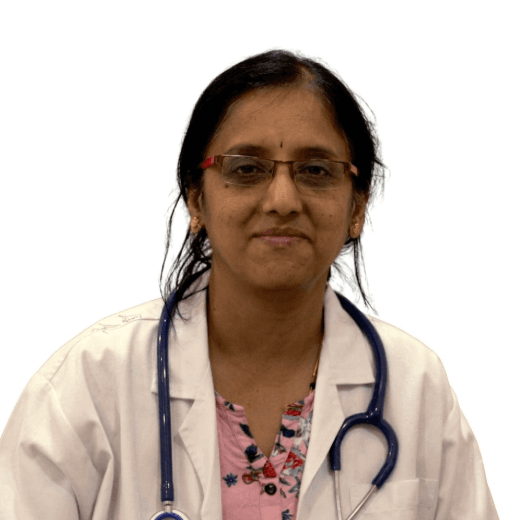
Dr. Srilakshmi
Bangalore
Panchakarma & Detoxification Therapies, Women’s Health & Gynaecological Disorders, Infertility & Reproductive Health, Skin Disorders & Ayurvedic Cosmetology, Hair & Scalp Disorders, Weight Management & Metabolic Disorders, Diabetes & Lifestyle Disorders, Bone, Joint & Musculoskeletal Disorders, Ayurvedic Proctology, Ayurvedic Surgery & Kshara Sutra, ENT & Head-Neck Disorders, Digestive & Gastrointestinal Disorders, Neurological Disorders, Stress, Anxiety & Sleep Disorders, Chronic Health Conditions, Ayurvedic Diet & Nutrition
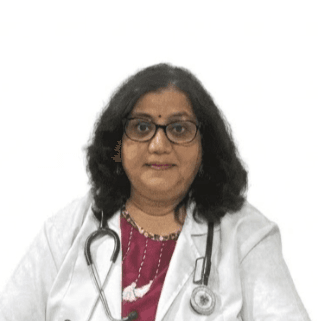
Dr.Sumana Patavardhan.K.S.
Bangalore
Panchakarma & Detoxification Therapies, Women’s Health & Gynaecological Disorders, Infertility & Reproductive Health, Skin Disorders & Ayurvedic Cosmetology, Hair & Scalp Disorders, Weight Management & Metabolic Disorders, Diabetes & Lifestyle Disorders, Bone, Joint & Musculoskeletal Disorders, Ayurvedic Proctology, Ayurvedic Surgery & Kshara Sutra, ENT & Head-Neck Disorders, Digestive & Gastrointestinal Disorders, Neurological Disorders, Stress, Anxiety & Sleep Disorders, Chronic Health Conditions, Ayurvedic Diet & Nutrition