Facial Palsy (Bell's Palsy) Treatment in Ayurveda
Request an Appointment
Table of Contents
Need personalized advice?
Introduction
Introduction
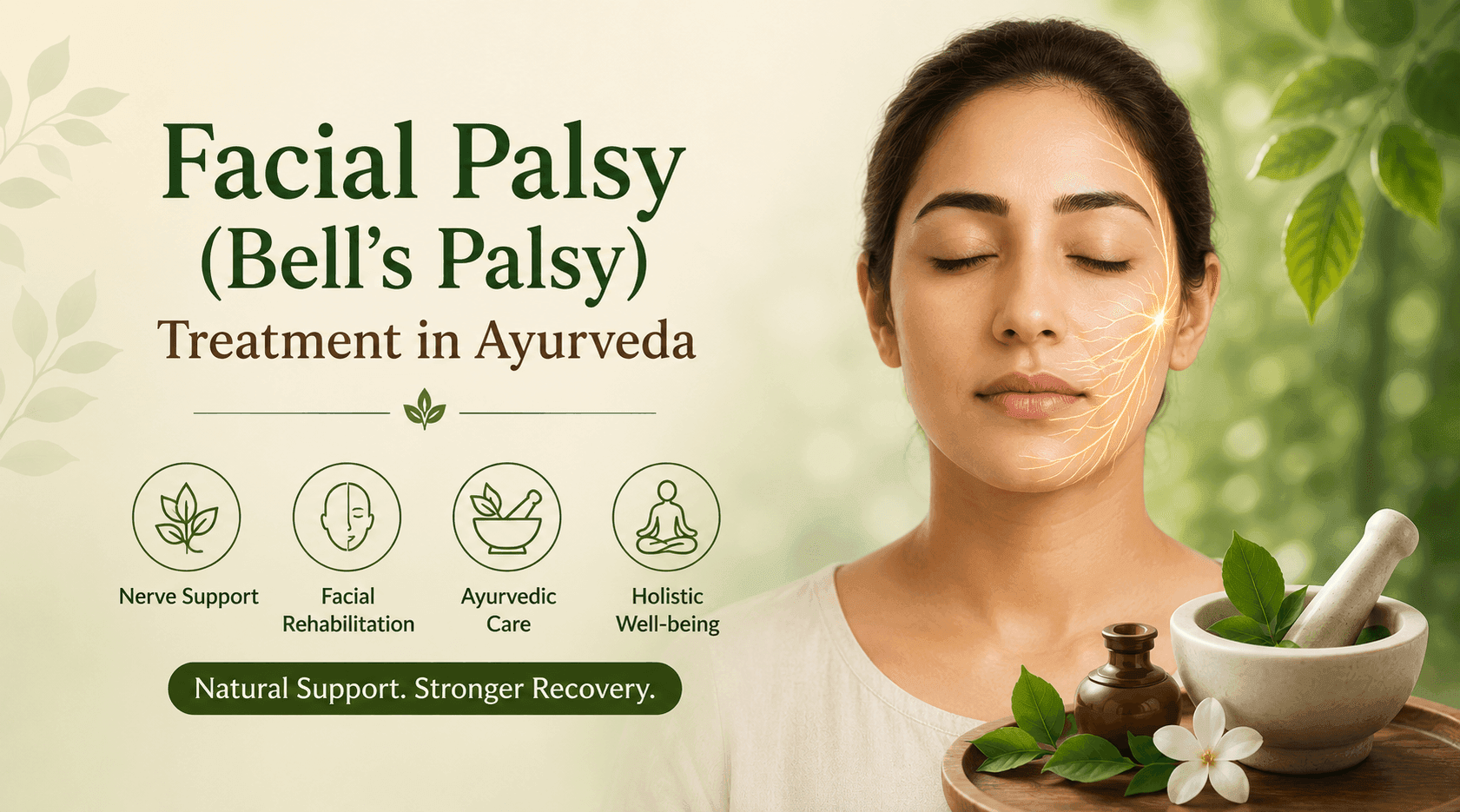
Facial palsy, commonly known as Bell's Palsy, is a neurological condition that causes sudden weakness or paralysis of the muscles on one side of the face. The condition occurs when the facial nerve (7th cranial nerve) becomes inflamed, compressed, or dysfunctional, affecting facial expressions, blinking, smiling, speaking, and other facial movements.
Although Bell's Palsy can be alarming, many individuals experience partial or complete recovery over time with appropriate medical care and rehabilitation. Recovery timelines vary from person to person depending on the severity of nerve involvement, age, overall health, and promptness of treatment.
Many people seek Facial Palsy Treatment in Ayurveda as a complementary approach to support nerve health, muscle function, rehabilitation, and overall wellbeing. Ayurveda emphasizes individualized care through herbal support, Panchakarma therapies, diet, lifestyle modifications, and therapies aimed at balancing aggravated doshas.
At Adyant Ayurveda, Bell's Palsy management programs are personalized after a detailed evaluation of neurological symptoms, body constitution (Prakriti), dosha imbalance, lifestyle factors, stress levels, and overall health status.
This article explains:
- What Bell's Palsy is
- Symptoms and causes
- How Ayurveda understands facial palsy
- Ayurvedic treatment approaches
- Panchakarma therapies
- Adyant Ayurveda treatment protocol
- Recovery expectations
- Scientific evidence and limitations
- When urgent medical care is required
Important Medical Disclaimer: Bell's Palsy requires prompt medical evaluation. Sudden facial weakness may also be a sign of stroke or other serious neurological conditions. Immediate medical assessment is essential. Ayurvedic treatment should complement—not replace—neurological care and prescribed medical treatment.
What Is Bell's Palsy?
Bell's Palsy is a condition characterized by sudden weakness or paralysis affecting one side of the face.
It occurs due to dysfunction of the facial nerve, which controls:
- Facial expressions
- Eye closure
- Smiling
- Cheek movement
- Forehead movement
- Taste sensation in part of the tongue
Symptoms typically develop rapidly, often within hours or a few days.
Common Symptoms of Bell's Palsy
Facial Symptoms
- Sudden facial drooping
- Difficulty smiling
- Uneven facial appearance
- Difficulty closing one eye
- Drooping of the mouth
Functional Symptoms
- Difficulty eating or drinking
- Food collecting inside the cheek
- Speech difficulties
- Excess tearing or dry eyes
Neurological Symptoms
- Altered taste sensation
- Increased sensitivity to sound
- Facial discomfort or pain around the ear
Early Warning Signs
Some individuals notice:
- Mild facial numbness
- Ear pain
- Facial tightness
- Tingling sensation
- Eye irritation
Prompt medical evaluation is recommended.
Causes of Bell's Palsy
The exact cause is not always known.
Potential contributing factors include:
Inflammatory Factors
Inflammation may lead to swelling of the facial nerve within the facial canal.
Immune Factors
Immune system responses may play a role in some cases.
Risk Factors
Bell's Palsy may occur more commonly in:
- Adults between 15 and 60 years
- Pregnant women
- Individuals with diabetes
- People experiencing viral infections
- Individuals under significant stress
Bell's Palsy vs Stroke
Both Bell's Palsy and stroke may cause facial weakness.
However, stroke often involves additional symptoms such as:
- Arm weakness
- Leg weakness
- Difficulty speaking
- Vision changes
- Loss of balance
Because the symptoms can overlap, emergency medical evaluation is essential whenever facial weakness occurs suddenly.
Possible Complications
Most individuals recover well, but complications may include:
- Persistent facial weakness
- Eye irritation due to incomplete eye closure
- Muscle tightness
- Facial asymmetry
- Synkinesis (abnormal facial movements)
Early treatment may help improve outcomes.
How Is Bell's Palsy Diagnosed?
Diagnosis may involve:
Medical History
Review of symptoms and timing.
Neurological Examination
Assessment of facial nerve function.
Additional Testing
Depending on symptoms, doctors may recommend:
- MRI
- CT scan
- Blood tests
- Electromyography (EMG)
Testing helps exclude other neurological conditions.
Conventional Treatment Overview
Treatment may include:
- Corticosteroids
- Eye protection measures
- Lubricating eye drops
- Physical therapy
- Facial exercises
- Management of underlying conditions
Early treatment is associated with improved recovery in many cases.
How Ayurveda Understands Facial Palsy
In Ayurveda, Bell's Palsy is often correlated with conditions described under Ardita, a disorder primarily involving aggravated Vata Dosha affecting facial muscles and nerve function.
Dosha Involvement
Vata Dosha
Vata governs:
- Nerve impulses
- Movement
- Muscular coordination
- Neurological function
Aggravated Vata is considered the primary factor in facial palsy according to Ayurvedic principles.
Secondary Kapha Involvement
In some individuals, Kapha imbalance may contribute to obstruction of normal nerve function.
Facial Palsy Treatment in Ayurveda
Ayurvedic management focuses on:
- Vata balancing
- Nerve support
- Muscle rehabilitation
- Stress reduction
- Circulatory support
- Overall wellness
Treatment plans are individualized according to patient assessment.
Adyant Ayurveda Facial Palsy Treatment Protocol
- Comprehensive Ayurvedic Assessment
Each patient undergoes:
- Prakriti assessment
- Dosha evaluation
- Neurological symptom analysis
- Medical history review
- Lifestyle assessment
- Stress evaluation
- Personalized Herbal Support
Protocols may include formulations traditionally used for:
- Nerve health support
- Vata balance
- Muscular wellness
- General neurological wellbeing
Herbal prescriptions are customized according to individual needs.
- Panchakarma Planning
Therapies are selected based on:
- Severity of symptoms
- Stage of recovery
- Age
- General health condition
- Existing medical conditions
- Rehabilitation Support
At Adyant Ayurveda, rehabilitation guidance may include:
- Facial exercises
- Lifestyle counseling
- Stress management strategies
- Nutritional support
- Long-Term Follow-Up
Regular monitoring helps guide treatment modifications and recovery support.
Panchakarma Therapies for Bell's Palsy
Therapies are selected individually under professional supervision.
Nasya
A traditional Ayurvedic therapy involving administration of medicated oils through the nasal passages.
Traditionally used in conditions affecting the head and neck region.
Abhyanga
Therapeutic oil massage used for Vata balancing and relaxation.
Shirodhara
A traditional therapy involving the gentle pouring of medicated liquids over the forehead.
May support relaxation and stress management.
Mukhabhyanga
Localized facial massage traditionally used to support muscle tone and circulation.
Swedana
Mild therapeutic fomentation may be used in selected cases.
Ayurvedic Herbs Traditionally Used
Herbal therapies should always be prescribed by qualified Ayurvedic practitioners.
Diet Recommendations
Foods to Include
- Freshly prepared meals
- Warm foods
- Seasonal vegetables
- Fruits
- Healthy fats in moderation
- Adequate hydration
Foods to Limit
- Highly processed foods
- Excess cold foods
- Irregular meals
- Excess alcohol
- Smoking and tobacco exposure
Lifestyle Modifications
Helpful practices may include:
- Adequate sleep
- Stress management
- Gentle physical activity
- Regular meal timing
- Avoiding excessive fatigue
Facial Exercises and Rehabilitation
Facial rehabilitation may be an important part of recovery.
Exercises may include:
- Gentle smiling practice
- Eye closure exercises
- Cheek strengthening movements
- Lip movement exercises
These should be performed under professional guidance.
Recovery Expectations
Recovery varies depending on:
- Severity of nerve involvement
- Age
- Timing of treatment
- Underlying medical conditions
- Rehabilitation adherence
Many individuals experience significant improvement within weeks to months, though recovery timelines vary.
Scientific Research and Evidence
Research suggests that physical therapy, rehabilitation exercises, and supportive care play important roles in Bell's Palsy recovery.
Some Ayurvedic therapies have been explored for neurological rehabilitation; however, larger high-quality clinical studies are needed to establish effectiveness for Bell's Palsy specifically.
Ayurvedic care should complement evidence-based medical treatment.
Benefits and Limitations
Potential Benefits
- Personalized care
- Holistic wellness approach
- Focus on rehabilitation support
- Stress management guidance
- Lifestyle improvement
Limitations
- Results vary among individuals
- Severe neurological conditions require specialist care
- Recovery timelines differ
- Emergency medical evaluation remains essential
When to Seek Emergency Care
Seek immediate medical attention if facial weakness occurs alongside:
- Arm or leg weakness
- Difficulty speaking
- Vision changes
- Severe headache
- Confusion
- Loss of consciousness
These symptoms may indicate stroke or another neurological emergency.
Frequently Asked Questions
Ayurveda does not guarantee cures. Treatment focuses on supporting nerve health, rehabilitation, and overall wellbeing while complementing conventional medical care.
Bell's Palsy is primarily associated with aggravated Vata Dosha according to Ayurvedic principles.
Certain Panchakarma therapies may be recommended under professional supervision as part of a comprehensive rehabilitation program.
Recovery varies significantly among individuals and depends on multiple factors, including severity and timing of treatment.
Ayurvedic medicines should only be used under supervision from qualified healthcare professionals.
At Adyant Ayurveda, Bell's Palsy management programs are designed around individualized assessment, classical Ayurvedic principles, rehabilitation support, and long-term wellness. | Our approach includes: *Detailed Ayurvedic consultation, *Personalized herbal support, *Panchakarma therapies when appropriate, *Facial rehabilitation guidance, *Lifestyle counseling, *Ongoing follow-up care. | Our goal is to support recovery, improve quality of life, and complement conventional neurological care through a holistic Ayurvedic approach.
Medical Disclaimer
This content is for educational purposes only and should not be considered medical advice. Always consult a qualified Ayurvedic doctor before undergoing any treatments.
Specialists
Dr. Srilakshmi
Bangalore
Panchakarma & Detoxification Therapies, Women’s Health & Gynaecological Disorders, Infertility & Reproductive Health, Skin Disorders & Ayurvedic Cosmetology, Hair & Scalp Disorders, Weight Management & Metabolic Disorders, Diabetes & Lifestyle Disorders, Bone, Joint & Musculoskeletal Disorders, Ayurvedic Proctology, Ayurvedic Surgery & Kshara Sutra, ENT & Head-Neck Disorders, Digestive & Gastrointestinal Disorders, Neurological Disorders, Stress, Anxiety & Sleep Disorders, Chronic Health Conditions, Ayurvedic Diet & Nutrition
Dr.Sumana Patavardhan.K.S.
Bangalore
Panchakarma & Detoxification Therapies, Women’s Health & Gynaecological Disorders, Infertility & Reproductive Health, Skin Disorders & Ayurvedic Cosmetology, Hair & Scalp Disorders, Weight Management & Metabolic Disorders, Diabetes & Lifestyle Disorders, Bone, Joint & Musculoskeletal Disorders, Ayurvedic Proctology, Ayurvedic Surgery & Kshara Sutra, ENT & Head-Neck Disorders, Digestive & Gastrointestinal Disorders, Neurological Disorders, Stress, Anxiety & Sleep Disorders, Chronic Health Conditions, Ayurvedic Diet & Nutrition