

Graves' Disease Treatment in Ayurveda
Experience holistic Ayurvedic approach to restoring natural vitality.
Request an Appointment
Table of Contents
Need personalized advice?
Introduction
Graves' disease is an autoimmune thyroid disorder that causes the thyroid gland to produce excessive thyroid hormones (hyperthyroidism). These hormones regulate metabolism, heart rate, body temperature, and energy production. When produced in excess, they can affect almost every organ system, leading to symptoms such as rapid heartbeat, weight loss, tremors, anxiety, excessive sweating, heat intolerance, and fatigue.
Conventional medicine remains the cornerstone of treatment and may include antithyroid medications, beta-blockers, radioactive iodine therapy, or thyroid surgery depending on the severity of the disease. Early diagnosis and timely medical care are essential to prevent serious complications.
Ayurveda, India's traditional system of medicine, does not claim to cure Graves' disease or replace standard medical treatment. However, individualized Ayurvedic care may help support overall well-being, improve digestion, promote restful sleep, reduce stress, and enhance quality of life when used alongside conventional treatment under the guidance of qualified healthcare professionals.
Key Takeaways
- Graves' disease is an autoimmune condition that causes the thyroid gland to produce excessive thyroid hormones (hyperthyroidism).
- Early diagnosis and conventional medical treatment are essential to prevent serious complications.
- Ayurveda does not cure Graves' disease but may provide supportive care alongside standard medical treatment.
- Individualized Ayurvedic therapies, diet, lifestyle modifications, and stress management may help improve overall well-being and quality of life.
- Never stop prescribed thyroid medications without consulting your healthcare provider
Quick Facts About Graves Disease
What is Graves Disease?
Graves' disease is the most common cause of hyperthyroidism. It develops when the immune system mistakenly produces antibodies that stimulate the thyroid gland to produce excessive amounts of thyroid hormones.
These hormones influence nearly every organ in the body. As hormone levels rise, the body's metabolism accelerates, causing symptoms affecting the heart, nervous system, digestive system, muscles, skin, and eyes.
Unlike other forms of hyperthyroidism, Graves' disease is autoimmune in nature, meaning the body's immune system attacks its own tissues.
What Causes Graves Disease?
The exact cause remains unknown, but researchers believe that several factors contribute to its development.
Genetic Factors
People with a family history of thyroid disorders or autoimmune diseases have a higher risk.
Immune System Dysfunction
The immune system produces thyroid-stimulating antibodies (TSI or TRAb), which continuously stimulate the thyroid gland.
Hormonal Factors
Women are significantly more likely than men to develop Graves' disease, suggesting hormonal influences.
Environmental Triggers
Potential triggers include:
- Chronic stress
- Smoking
- Viral infections
- Pregnancy and postpartum hormonal changes
- Other autoimmune disorders
Usually, several of these factors interact rather than acting alone.
How Graves Disease Affects Different Body Systems
Graves' disease affects more than just the thyroid gland. Excess thyroid hormones increase the body's metabolic rate and can impact multiple organs and systems.
Cardiovascular System
High thyroid hormone levels can increase the heart's workload, leading to:
- Rapid heartbeat (tachycardia)
- Heart palpitations
- Elevated blood pressure
- Irregular heart rhythms (e.g., atrial fibrillation)
Nervous System
Overactivity of the nervous system may cause:
- Anxiety and nervousness
- Tremors
- Irritability
- Difficulty concentrating
- Sleep disturbances
Digestive System
An increased metabolic rate may result in:
- Increased bowel movements
- Increased appetite
- Unintentional weight loss despite normal or increased food intake
Musculoskeletal System
Graves' disease can affect muscles and physical strength, causing:
- Muscle weakness
- Fatigue
- Reduced exercise tolerance
Bones
Long-term untreated hyperthyroidism may accelerate bone loss, increasing the risk of osteopenia and osteoporosis.
Eyes
Some people develop Graves' ophthalmopathy (thyroid eye disease), which may cause:
- Dry or irritated eyes
- Bulging eyes
- Double vision
- Light sensitivity
- Vision impairment in severe cases
Early diagnosis and appropriate treatment are important to help control symptoms, reduce complications, and protect long-term health.
Signs and Symptoms of Graves Disease
Symptoms vary depending on hormone levels and disease severity.
General Symptoms
- Unexplained weight loss
- Increased appetite
- Rapid heartbeat (palpitations)
- Tremors
- Nervousness
- Anxiety
- Irritability
- Difficulty sleeping
- Heat intolerance
- Excessive sweating
- Frequent bowel movements
- Fatigue
- Muscle weakness
- Menstrual irregularities
Eye Symptoms (Graves Ophthalmopathy)
Some people develop eye involvement, including:
- Bulging eyes
- Dry or gritty eyes
- Redness
- Eye irritation
- Excess tearing
- Double vision
- Light sensitivity
- Blurred vision
Eye symptoms may occur before, during, or after thyroid disease develops.
Skin Changes
Rarely, people may develop:
- Thickened skin over the shins (pretibial myxedema)
When Should You See a Doctor?
Seek medical evaluation if you experience:
- Persistent rapid heartbeat
- Unexplained weight loss
- Tremors
- Anxiety with excessive sweating
- Enlarged thyroid gland
- Bulging eyes
- Difficulty sleeping with symptoms of hyperthyroidism
Seek immediate emergency medical care if you develop:
- High fever
- Severe palpitations
- Chest pain
- Confusion
- Shortness of breath
- Loss of consciousness
These symptoms may indicate thyroid storm, a life-threatening medical emergency.
How is Graves' Disease Diagnosed?
Diagnosis combines medical history, physical examination, laboratory testing, and imaging.
Blood Tests
Your physician may recommend:
- Thyroid Stimulating Hormone (TSH)
- Free T3
- Free T4
- Thyroid receptor antibodies (TRAb)
- Thyroid-stimulating immunoglobulin (TSI)
Imaging
Depending on your condition:
- Thyroid ultrasound
- Radioactive iodine uptake scan
Eye Evaluation
Patients with eye symptoms may require a comprehensive ophthalmic examination.
Who May Benefit from Ayurvedic Support?
Individuals who have been diagnosed with Graves' disease and are receiving conventional medical care may consider Ayurvedic supportive care to help with:
- Stress management
- Sleep quality
- Digestive health
- Lifestyle modification
- Overall well-being
Ayurvedic treatment should always be individualized and coordinated with the treating physician.
Graves' Disease in Ayurveda
Ayurveda does not describe Graves' disease as a distinct disease entity. Instead, an Ayurvedic physician evaluates each individual based on:
- Dosha imbalance
- Agni (digestive fire)
- Ama (metabolic toxins)
- Dhatu status
- Prakriti (constitutional type)
- Lifestyle
- Mental health
- Digestive function
Many practitioners may interpret symptoms as involving predominance of aggravated Pitta, associated Vata imbalance, disturbed metabolism (Agni), and depletion of bodily strength over time. However, there is no exact one-to-one correlation between Graves' disease and any classical Ayurvedic diagnosis.
Can Ayurveda Help in Graves Disease?
Ayurveda cannot permanently cure Graves' disease or reverse the autoimmune process based on current scientific evidence.
However, individualized Ayurvedic care may help:
- Support digestion
- Improve appetite regulation
- Promote better sleep
- Reduce stress
- Improve energy levels
- Enhance overall well-being
- Support quality of life
- Complement conventional treatment
Ayurvedic treatment should always be coordinated with an endocrinologist or treating physician.
Who Is at Higher Risk?
- Women
- Age 20–50 years
- Family history of thyroid disease
- Family history of autoimmune disorders
- Smoking
- Pregnancy and postpartum period
- Personal history of autoimmune diseases
- Emotional stress (possible trigger)
Goals of Ayurvedic Management
Rather than focusing solely on thyroid hormone levels, Ayurvedic care aims to support the individual's overall health.
Common goals include:
- Restoring digestive balance
- Supporting healthy metabolism
- Reducing stress
- Promoting restful sleep
- Supporting mental well-being
- Maintaining healthy nutrition
- Improving strength
- Enhancing quality of life
- Individualized care based on constitution
Ayurvedic Assessment for Graves Disease
In Ayurveda, treatment begins with a comprehensive evaluation to understand the individual's overall health rather than focusing solely on the disease. Since every person has a unique constitution and pattern of imbalance, the assessment helps develop a personalized treatment plan.
During an Ayurvedic consultation, the physician may assess:
- Detailed medical history: Including current symptoms, previous illnesses, medications, family history, and lifestyle habits.
- Presenting symptoms: Evaluation of symptoms such as weight loss, palpitations, tremors, anxiety, heat intolerance, fatigue, and sleep disturbances.
- Digestive health (Agni): Assessment of digestion, metabolism, bloating, acidity, and digestive efficiency.
- Sleep quality: Evaluation of sleep patterns, insomnia, and overall restorative sleep.
- Emotional health: Assessment of stress levels, anxiety, mood changes, and emotional well-being.
- Appetite and nutrition: Understanding eating habits, appetite changes, and nutritional status.
- Bowel habits: Review of bowel movements and digestive regularity to identify possible imbalances.
- Dosha evaluation: Determining the involvement of Vata, Pitta, and Kapha doshas that may be contributing to the individual's symptoms.
- Ama assessment: Identifying signs of Ama (metabolic waste or toxins) that may affect digestion and overall health.
- Prakriti analysis: Evaluating the person's natural body constitution to guide individualized dietary, lifestyle, and therapeutic recommendations.
Based on this holistic assessment, the Ayurvedic physician develops a personalized supportive care plan that may include dietary modifications, lifestyle guidance, herbal medicines, and Ayurvedic therapies, while complementing conventional medical treatment.
Ayurvedic Therapies That May Be Recommended
Treatment is individualized and depends on the patient's health status, symptoms, and physician assessment.
Abhyanga (Therapeutic Oil Massage)
Abhyanga involves the application of warm medicated oils by trained therapists.
Potential supportive benefits include:
- Promoting relaxation
- Supporting circulation
- Reducing muscle tension
- Improving sleep quality
- Supporting overall well-being
Shirodhara
Shirodhara involves the gentle pouring of medicated liquids over the forehead.
It may help support:
- Relaxation
- Mental calmness
- Stress reduction
- Better sleep quality
Evidence for specific effects on Graves' disease is limited, and it should be viewed as a complementary wellness therapy.
Takradhara
In selected individuals, physicians may recommend Takradhara, where medicated buttermilk is gently poured over the forehead.
Its use depends entirely on the individual's constitution and clinical condition.
Nasya
Nasya involves the administration of medicated oils through the nasal passages under professional supervision.
It is recommended only when clinically appropriate and should never be self-administered without guidance.
Panchakarma
Panchakarma therapies are not suitable for everyone with Graves' disease.
They may be considered only after:
- Proper medical evaluation
- Stabilization of hyperthyroidism
- Physician assessment
- Individualized treatment planning
The choice of Panchakarma procedures varies greatly between patients.
Ayurvedic Herbal Medicines
Several herbs are traditionally used in Ayurveda to support general health, stress management, and digestion. However, no herbal medicine has been conclusively proven to cure Graves' disease or replace standard medical therapy.
Depending on individual assessment, an Ayurvedic physician may consider herbs such as:
- Guduchi (Tinospora cordifolia)
- Amalaki (Emblica officinalis)
- Brahmi (Bacopa monnieri)
- Shankhapushpi
- Jatamansi
- Yashtimadhu (when appropriate)
- Ashwagandha (only in selected cases, as it may not be suitable for all patients with hyperthyroidism)
Do not self-medicate. Herbal medicines can interact with thyroid medications and may not be appropriate during pregnancy, breastfeeding, or certain medical conditions.
Diet Recommendations in Ayurveda for Graves Disease
A balanced, nutritious diet plays an important role in supporting overall health for people with Graves' disease. While no specific Ayurvedic diet can cure the condition, individualized dietary guidance may help support digestion, maintain energy levels, and promote overall well-being. Dietary recommendations should always be tailored to the individual's health status, nutritional needs, and medical advice.
Foods That May Be Included
The following foods are generally encouraged as part of a balanced diet:
- Fresh vegetables: A variety of seasonal vegetables provide essential vitamins, minerals, antioxidants, and dietary fiber.
- Seasonal fruits: Fresh fruits supply important nutrients and can be included in moderation as part of a healthy diet.
- Whole grains: Whole grains such as brown rice, millets, oats, and whole wheat provide sustained energy and support digestive health.
- Easily digestible meals: Freshly prepared, home-cooked meals that are light and easy to digest may help support healthy digestion.
- Adequate fluids: Drinking sufficient water and other healthy fluids helps maintain hydration, especially if excessive sweating is present.
- Balanced protein sources: Lentils, legumes, dairy (if tolerated), eggs, fish, or lean meats can help maintain muscle strength and support overall nutrition.
- Healthy fats in moderation: Nuts, seeds, and healthy oils can be included in appropriate amounts as part of a balanced diet.
Foods to Limit
Depending on individual tolerance and medical advice, it may be helpful to limit:
- Highly processed foods: These are often high in unhealthy fats, sodium, and added sugars while offering limited nutritional value.
- Excess caffeine: Coffee, strong tea, energy drinks, and other caffeinated beverages may worsen symptoms such as palpitations, anxiety, and tremors in some individuals.
- Sugary beverages: Soft drinks and sweetened beverages can contribute to poor overall nutrition and unnecessary calorie intake.
- Alcohol: Alcohol may interfere with overall health and should be consumed cautiously or avoided based on your healthcare provider's advice.
- Tobacco: Smoking is strongly associated with an increased risk and severity of Graves' ophthalmopathy (thyroid eye disease) and should be avoided.
- Excessively spicy foods: In some individuals, very spicy foods may aggravate heat intolerance or digestive discomfort and are best consumed in moderation if they trigger symptoms.
Note: There is no one-size-fits-all diet for Graves' disease. For personalized dietary advice, consult both your endocrinologist and a qualified Ayurvedic physician or registered dietitian to ensure your nutritional needs are met while supporting your overall treatment plan.
Lifestyle Recommendations
Lifestyle modifications can complement medical treatment.
Recommendations may include:
- Maintaining regular sleep schedules
- Eating meals on time
- Gentle daily exercise
- Managing stress effectively
- Practicing mindfulness
- Avoiding smoking
- Staying adequately hydrated
- Following prescribed medications consistently
- Attending regular follow-up appointments
Yoga and Relaxation Practices
Gentle yoga and breathing exercises may support emotional well-being and stress reduction.
Suitable practices may include:
- Nadi Shodhana (alternate nostril breathing)
- Bhramari Pranayama
- Guided meditation
- Gentle stretching
- Relaxation techniques
Individuals with uncontrolled hyperthyroidism or heart-related symptoms should consult their physician before beginning an exercise program.
Stress Management
Stress does not directly cause Graves' disease, but it may worsen symptoms or affect overall well-being.
Helpful strategies include:
- Meditation
- Mindfulness
- Counseling when needed
- Adequate sleep
- Time management
- Social support
- Relaxation therapies
- Regular physical activity appropriate for individual health
Benefits of an Integrative Approach
Combining conventional medical care with evidence-informed Ayurvedic supportive therapies may help some individuals:
- Improve quality of life
- Better manage stress
- Improve sleep quality
- Support digestive health
- Promote healthy daily routines
- Enhance emotional well-being
- Encourage long-term lifestyle changes
Integrative care should always involve communication between healthcare providers to ensure safe and coordinated treatment.
Importance of Regular Follow-Up
Patients with Graves' disease should have:
- Regular thyroid function tests
- Medication review
- Eye evaluation (if eye symptoms are present)
- Heart monitoring when indicated
- Periodic consultation with their endocrinologist
If receiving Ayurvedic care, both healthcare providers should be informed about all treatments and supplements.
Conventional Treatment Remains Essential
Standard medical treatment is essential for controlling hyperthyroidism and preventing complications.
Treatment options may include:
- Antithyroid medications
- Beta-blockers
- Radioactive iodine therapy
- Thyroid surgery
- Regular thyroid function monitoring
Do not discontinue or modify prescribed medications without consulting your healthcare provider.
Living Well with Graves Disease
Many individuals successfully manage Graves' disease with:
- Regular medical follow-up
- Medication adherence
- Balanced nutrition
- Physical activity appropriate to their health
- Stress management
- Good sleep
- Emotional support
- Personalized Ayurvedic supportive care when appropriate
Complications of Untreated Graves Disease
Then list:
- Thyroid storm
- Arrhythmias
- Heart failure
- Osteoporosis
- Eye complications
- Pregnancy complications
- Emotional distress
- Reduced quality of life
Can Graves Disease Be Prevented?
There is no guaranteed way to prevent Graves' disease. However, healthy lifestyle habits may support overall well-being:
- Avoid smoking
- Manage stress
- Eat a balanced diet
- Exercise regularly
- Attend routine medical check-ups
- Seek early evaluation for thyroid-related symptoms
- Discuss family history of thyroid disease with your healthcare provider
What Does Research Say About Ayurveda and Graves Disease?
Current scientific evidence on Ayurvedic treatment specifically for Graves' disease is limited. Some Ayurvedic therapies may support overall well-being by helping with:
- Stress management
- Better sleep quality
- Digestive health
- Emotional well-being
- Quality of life
However, high-quality clinical studies are limited, and more research is needed to confirm the effectiveness of Ayurvedic therapies for Graves' disease. Ayurveda should be used as a complementary approach alongside conventional medical treatment, not as a replacement. Always consult a qualified Ayurvedic physician and an endocrinologist before starting any new treatment.
Summary
- Graves' disease is an autoimmune cause of hyperthyroidism.
- Early diagnosis and treatment are essential.
- Ayurveda may provide supportive care but does not cure Graves' disease.
- Conventional medical treatment should not be discontinued without medical advice.
- Personalized diet, lifestyle, and stress management may improve overall well-being
Frequently Asked Questions
No. There is no scientific evidence that Ayurveda can permanently cure Graves disease. It may provide supportive care alongside conventional treatment.
No. Prescribed thyroid medications should not be stopped or replaced without medical supervision.
Yes. Graves disease is an autoimmune condition in which antibodies stimulate the thyroid gland to produce excess hormones.
Stress may aggravate symptoms and affect overall well-being, although it is not the sole cause of the disease.
No. Panchakarma is individualized and should only be performed after evaluation by a qualified Ayurvedic physician.
Depending on the individual's condition, therapies such as Abhyanga, Shirodhara, Nasya, or selected Panchakarma procedures may be recommended as supportive care.
Gentle yoga, breathing exercises, and meditation may support stress reduction and overall wellness but should not replace medical treatment.
Yes. Some individuals develop Graves ophthalmopathy, which can cause bulging eyes, dryness, double vision, and vision changes.
Yes. Some people may achieve remission after treatment with antithyroid medications. However, regular follow-up is essential, as the disease can recur.
Yes. Graves disease can relapse after a period of remission, particularly after stopping antithyroid medications. Regular monitoring of thyroid function helps detect recurrence early.
Hyperthyroidism refers to an overactive thyroid gland that produces excess thyroid hormones. Graves disease is the most common autoimmune cause & of hyperthyroidism, but not all cases of hyperthyroidism are caused by Graves disease.
Genetics can increase the risk of developing Graves disease. Having a family history of thyroid or autoimmune disorders may increase susceptibility, although environmental factors also play a role.
Yes. Uncontrolled Graves disease during pregnancy may increase the risk of complications for both the mother and baby. Women who are pregnant or planning pregnancy should work closely with their endocrinologist and obstetrician.
Stress is not considered a direct cause, but it may contribute to the onset or worsening of symptoms in some individuals. Stress management techniques may support overall well-being.
Early symptoms may include unexplained weight loss, rapid heartbeat, anxiety, tremors, heat intolerance, excessive sweating, fatigue, and difficulty sleeping.
Yes. Increased thyroid hormone levels can speed up metabolism, leading to unintentional weight loss despite a normal or increased appetite.
No. Many people are successfully treated with antithyroid medications or radioactive iodine therapy. Thyroid surgery may be recommended in selected cases based on the individual's condition and medical history.
Healthy lifestyle habits such as eating a balanced diet, managing stress, getting adequate sleep, avoiding smoking, and attending regular medical follow-ups may support overall health. However, lifestyle changes should complement—not replace—prescribed medical treatment.
An experienced Ayurvedic center can provide:
Medical Disclaimer
This content is for educational purposes only and should not be considered medical advice. Always consult a qualified Ayurvedic doctor before undergoing any treatments.
Specialists
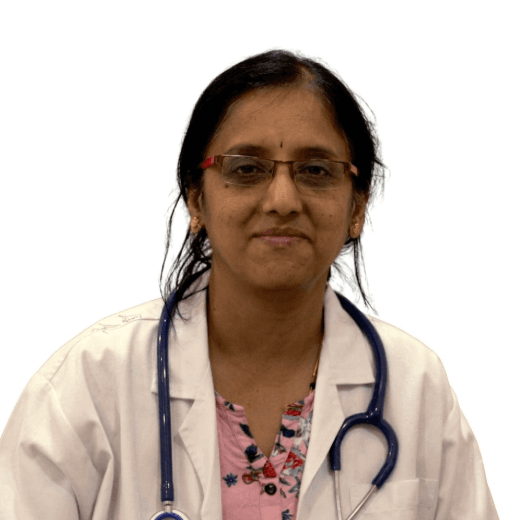
Dr. Srilakshmi
Bangalore
Panchakarma & Detoxification Therapies, Women’s Health & Gynaecological Disorders, Infertility & Reproductive Health, Skin Disorders & Ayurvedic Cosmetology, Hair & Scalp Disorders, Weight Management & Metabolic Disorders, Diabetes & Lifestyle Disorders, Bone, Joint & Musculoskeletal Disorders, Ayurvedic Proctology, Ayurvedic Surgery & Kshara Sutra, ENT & Head-Neck Disorders, Digestive & Gastrointestinal Disorders, Neurological Disorders, Stress, Anxiety & Sleep Disorders, Chronic Health Conditions, Ayurvedic Diet & Nutrition
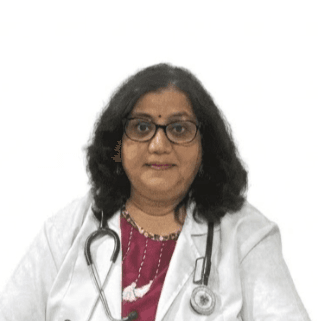
Dr.Sumana Patavardhan.K.S.
Bangalore
Panchakarma & Detoxification Therapies, Women’s Health & Gynaecological Disorders, Infertility & Reproductive Health, Skin Disorders & Ayurvedic Cosmetology, Hair & Scalp Disorders, Weight Management & Metabolic Disorders, Diabetes & Lifestyle Disorders, Bone, Joint & Musculoskeletal Disorders, Ayurvedic Proctology, Ayurvedic Surgery & Kshara Sutra, ENT & Head-Neck Disorders, Digestive & Gastrointestinal Disorders, Neurological Disorders, Stress, Anxiety & Sleep Disorders, Chronic Health Conditions, Ayurvedic Diet & Nutrition