

Heart Healthy Ayurvedic Diet
Experience holistic Ayurvedic approach to restoring natural vitality.
Request an Appointment
Table of Contents
Need personalized advice?
Introduction
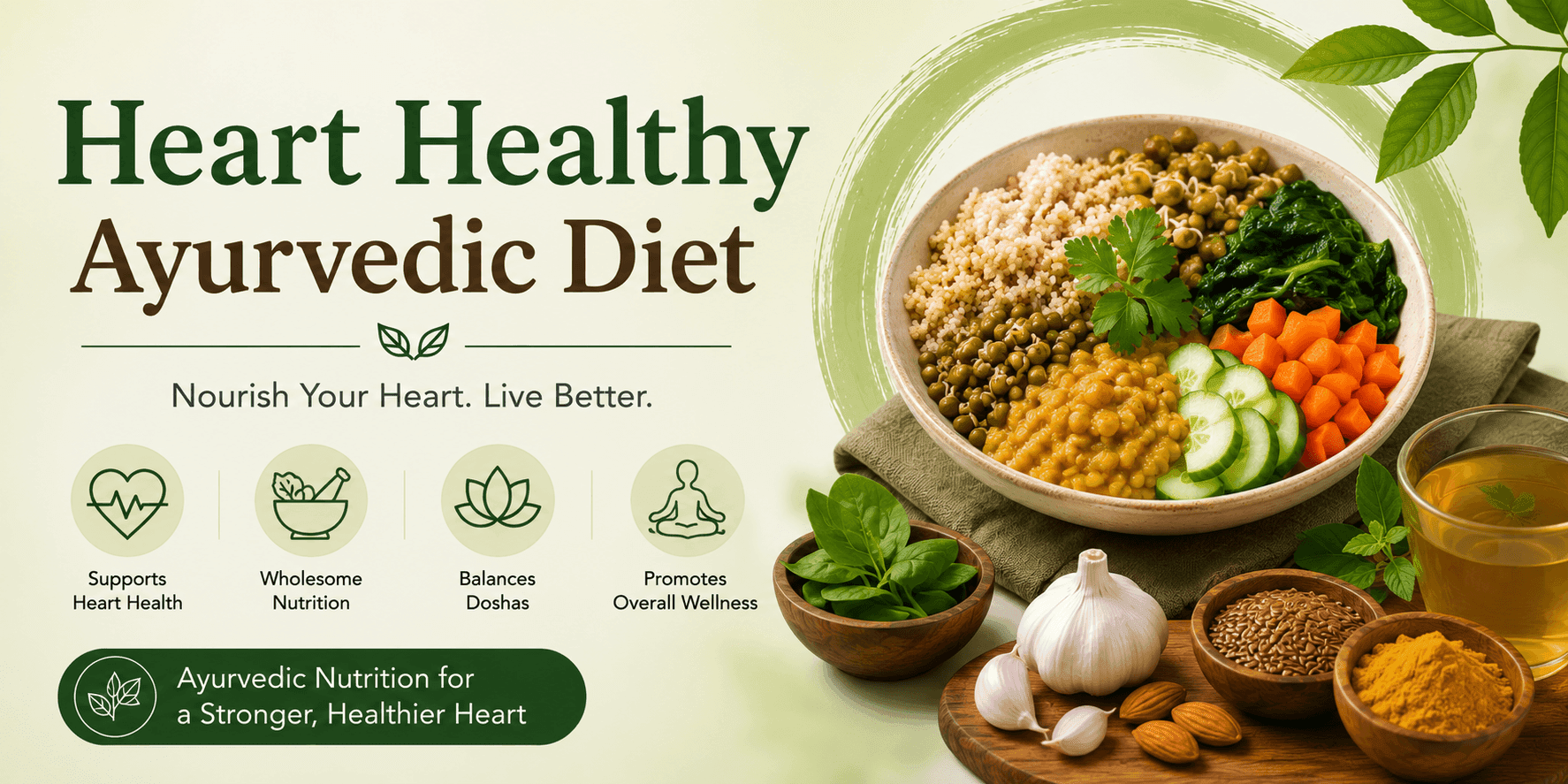
Heart disease remains one of the leading health concerns worldwide, with risk factors such as high cholesterol, high blood pressure, obesity, diabetes, stress, and sedentary lifestyles becoming increasingly common. While medical treatment and regular health monitoring are essential, diet plays a critical role in maintaining cardiovascular health and reducing long-term risk.
Ayurveda, the ancient science of holistic wellness, emphasizes food as one of the most powerful tools for maintaining health and preventing disease. Rather than focusing solely on calories or nutrients, Ayurveda evaluates how food affects digestion (Agni), metabolism, circulation, body tissues, and overall balance.
A heart healthy Ayurvedic diet focuses on supporting healthy circulation, maintaining balanced cholesterol levels, promoting digestive wellness, reducing inflammation, managing weight, and encouraging sustainable lifestyle habits.
At Adyant Ayurveda, dietary recommendations are personalized based on an individual's body constitution (Prakriti), dosha balance, metabolic health, digestive strength, cardiovascular risk factors, and overall wellness goals.
This article explains:
- Ayurvedic principles of heart health
- Foods that support cardiovascular wellness
- Foods to avoid for heart health
- Sample Ayurvedic meal plans
- Adyant Ayurveda dietary approach
- Lifestyle recommendations
- Scientific evidence and limitations
Important Medical Disclaimer: Diet is an important component of cardiovascular wellness but should not replace medical treatment. Individuals with heart disease, hypertension, diabetes, or high cholesterol should continue regular medical care and follow healthcare provider recommendations.
Quick Answer: What Is a Heart Healthy Ayurvedic Diet?
A heart healthy Ayurvedic diet emphasizes fresh vegetables, seasonal fruits, whole grains, legumes, healthy fats, digestive spices, proper meal timing, and individualized food choices that support healthy circulation, metabolism, digestion, and cardiovascular wellness while reducing processed foods, excessive sugar, unhealthy fats, and lifestyle-related risk factors.
Key Highlights
- Supports cardiovascular wellness through holistic nutrition
- Focuses on digestive health and metabolism
- Encourages whole, minimally processed foods
- Supports healthy cholesterol and weight management
- Includes heart-friendly herbs and spices
- Promotes mindful eating habits
- Individualized according to Ayurvedic principles
Understanding Heart Health in Ayurveda
In Ayurveda, the heart is referred to as Hridaya, one of the body's most important organs.
The heart is closely associated with:
- Circulation
- Emotional wellbeing
- Vitality
- Energy flow
- Blood nourishment
- Mental balance
Healthy heart function depends on:
- Balanced Doshas
- Strong digestion (Agni)
- Healthy circulation
- Proper metabolism
- Balanced emotions
- Nourished body tissues
Why Diet Matters for the Heart
Food influences:
- Cholesterol levels
- Blood pressure
- Body weight
- Blood sugar control
- Energy production
- Inflammatory balance
- Digestive health
A well-planned Ayurvedic diet supports both digestive and cardiovascular wellness.
1. Strengthen Digestive Fire (Agni)
Ayurveda considers healthy digestion the foundation of overall health.
When digestion becomes sluggish:
- Metabolism may be affected
- Weight gain may occur
- Ama (metabolic waste) may accumulate
- Cardiovascular risk factors may increase
2. Reduce Ama (Metabolic Toxins)
According to Ayurveda, incomplete digestion may lead to Ama accumulation.
Supporting digestion may help promote:
- Better metabolism
- Improved energy
- Overall wellness
3. Balance Kapha Dosha
Kapha imbalance may be associated with:
- Weight gain
- Sluggish metabolism
- Excess fat accumulation
Heart-friendly dietary choices often focus on maintaining Kapha balance.
4. Support Healthy Circulation
Foods that are light, fresh, and nourishing are traditionally preferred for cardiovascular wellness.
Fresh Vegetables
Vegetables should form a major portion of daily meals.
Recommended Choices
- Spinach
- Fenugreek leaves
- Bottle gourd
- Ridge gourd
- Pumpkin
- Carrots
- Beetroot
- Broccoli
- Cabbage
- Green beans
Benefits
- Rich in fiber
- Supports healthy digestion
- Supports weight management
- Promotes cardiovascular wellness
Seasonal Fruits
Fresh fruits provide important nutrients and antioxidants.
Recommended Fruits
- Pomegranate
- Apples
- Pears
- Papaya
- Guava
- Berries
- Oranges
- Sweet lime
Benefits
- Supports heart health
- Provides natural antioxidants
- Supports healthy metabolism
Whole Grains
Choose minimally processed grains.
Recommended Options
- Barley (Yava)
- Oats
- Brown rice
- Millet
- Quinoa
- Whole wheat in moderation
Benefits
- Supports healthy cholesterol management
- Promotes satiety
- Supports digestion
Recommended Choices
- Moong dal
- Masoor dal
- Chickpeas
- Lentils
- Kidney beans (in moderation)
Benefits
- Plant-based protein source
- Supports weight management
- Promotes metabolic wellness
Healthy Fats
Healthy fats are important when consumed appropriately.
Recommended Sources
- Small quantities of cow's ghee
- Flaxseeds
- Sesame seeds
- Almonds
- Walnuts
Benefits
- Supports overall nutrition
- Promotes satiety
- Supports cardiovascular wellness
Arjuna
Traditionally used in Ayurveda for cardiovascular support.
Garlic (Lashuna)
Traditionally used to support healthy metabolism and circulation.
Turmeric (Haridra)
Supports overall wellness and healthy inflammatory balance.
Ginger
Supports digestion and metabolism.
Cinnamon
Traditionally used in metabolic wellness programs.
Tulsi
Supports stress management and overall wellbeing.
Herbal supplements should only be taken under professional guidance.
Highly Processed Foods
Examples:
- Packaged snacks
- Fast food
- Processed meats
Excess Sugar
Limit:
- Soft drinks
- Sweets
- Refined desserts
Deep-Fried Foods
Excess fried foods may negatively affect cardiovascular health.
Excess Salt
High sodium intake may contribute to elevated blood pressure.
Trans Fats
Avoid foods containing:
- Hydrogenated oils
- Commercial baked goods
- Certain processed snacks
Excess Alcohol and Smoking
Both are recognized cardiovascular risk factors.
Early Morning
- Warm water
- Optional herbal infusion under guidance
Breakfast
- Vegetable oats
- Moong dal chilla
- Fresh fruit
Mid-Morning
- Seasonal fruit
- Coconut water (if suitable)
Lunch
- Whole grains
- Dal
- Cooked vegetables
- Fresh salad
Evening
- Herbal tea
- Roasted seeds
Dinner
- Light vegetable soup
- Khichdi
- Steamed vegetables
Before Bed
- Warm water or physician-recommended beverage
Adyant Ayurveda Heart Healthy Diet Protocol
At Adyant Ayurveda, dietary recommendations are individualized rather than following a one-size-fits-all approach.
Comprehensive Assessment Includes
- Prakriti evaluation
- Dosha analysis
- Digestive assessment
- Weight evaluation
- Cholesterol profile review
- Blood pressure assessment
- Lifestyle review
Personalized Dietary Planning
Plans may focus on:
- Weight management
- Cholesterol support
- Blood pressure support
- Digestive wellness
- Sustainable eating habits
Meal Timing Matters
Ayurveda emphasizes when you eat, not just what you eat.
Recommended Practices
- Eat meals at regular times
- Avoid skipping meals
- Avoid late-night eating
- Eat mindfully
- Avoid overeating
Weight Management Through Ayurveda
Maintaining a healthy weight supports cardiovascular wellness.
Strategies include:
- Portion awareness
- Regular exercise
- Proper digestion support
- Stress management
- Consistent sleep patterns
Daily Walking
30–45 minutes of walking may support cardiovascular wellness.
Yoga
Recommended under professional guidance.
Meditation
Supports stress reduction and emotional balance.
Adequate Sleep
Aim for consistent, restorative sleep.
Stress Management
Chronic stress is a recognized cardiovascular risk factor.
Scientific Research and Evidence
Research supports the role of:
- Plant-rich diets
- Whole foods
- Weight management
- Stress reduction
- Physical activity
in promoting cardiovascular wellness.
Some Ayurvedic dietary principles align with modern preventive cardiology approaches, although additional high-quality studies are needed regarding specific Ayurvedic dietary interventions.
Ayurvedic nutrition should complement evidence-based medical care.
Why Choose Adyant Ayurveda?
At Adyant Ayurveda, we combine classical Ayurvedic wisdom with modern nutritional understanding to create personalized heart wellness plans.
Our approach includes:
- Detailed Ayurvedic consultation
- Customized dietary planning
- Lifestyle counseling
- Weight management support
- Stress management guidance
- Long-term wellness monitoring
The goal is to support cardiovascular wellness through sustainable and practical dietary changes tailored to each individual.
Frequently Asked Questions
A heart healthy Ayurvedic diet typically includes fresh vegetables, fruits, whole grains, legumes, healthy fats, digestive spices, and balanced meal timing while limiting processed foods and excess sugar.
Small quantities may be included in selected individuals depending on constitution, health status, and practitioner guidance.
Pomegranate is traditionally regarded as one of the most heart-supportive fruits in Ayurveda.
Dietary modifications may support healthy metabolism and cardiovascular wellness as part of a comprehensive health plan.
No. Individuals with heart disease should continue medical treatment and regular follow-up with healthcare providers.
At Adyant Ayurveda, we combine classical Ayurvedic wisdom with modern nutritional understanding to create personalized heart wellness plans. Our approach includes: *Detailed Ayurvedic consultation, *Customized dietary planning, *Lifestyle counseling, *Weight management support, *Stress management guidance, *Long-term wellness monitoring. | The goal is to support cardiovascular wellness through sustainable and practical dietary changes tailored to each individual.
Medical Disclaimer
This content is for educational purposes only and should not be considered medical advice. Always consult a qualified Ayurvedic doctor before undergoing any treatments.
Specialists

Dr. Srilakshmi
Bangalore
Panchakarma & Detoxification Therapies, Women’s Health & Gynaecological Disorders, Infertility & Reproductive Health, Skin Disorders & Ayurvedic Cosmetology, Hair & Scalp Disorders, Weight Management & Metabolic Disorders, Diabetes & Lifestyle Disorders, Bone, Joint & Musculoskeletal Disorders, Ayurvedic Proctology, Ayurvedic Surgery & Kshara Sutra, ENT & Head-Neck Disorders, Digestive & Gastrointestinal Disorders, Neurological Disorders, Stress, Anxiety & Sleep Disorders, Chronic Health Conditions, Ayurvedic Diet & Nutrition

Dr.Sumana Patavardhan.K.S.
Bangalore
Panchakarma & Detoxification Therapies, Women’s Health & Gynaecological Disorders, Infertility & Reproductive Health, Skin Disorders & Ayurvedic Cosmetology, Hair & Scalp Disorders, Weight Management & Metabolic Disorders, Diabetes & Lifestyle Disorders, Bone, Joint & Musculoskeletal Disorders, Ayurvedic Proctology, Ayurvedic Surgery & Kshara Sutra, ENT & Head-Neck Disorders, Digestive & Gastrointestinal Disorders, Neurological Disorders, Stress, Anxiety & Sleep Disorders, Chronic Health Conditions, Ayurvedic Diet & Nutrition