Motor Neuron Disease Treatment in Ayurveda
Motor Neuron Disease (MND) is a progressive neurological condition that affects the nerve cells responsible for controlling voluntary muscle movements. As the disease progresses, it can impact mobility, speech, swallowing, and daily activities. While modern medicine focuses on symptom management and supportive care, Ayurveda offers a holistic approach aimed at improving quality of life, supporting neuromuscular function, and promoting overall well-being through personalized treatments.
Request an Appointment
Table of Contents
Need personalized advice?
Overview
What is Motor Neuron Disease?
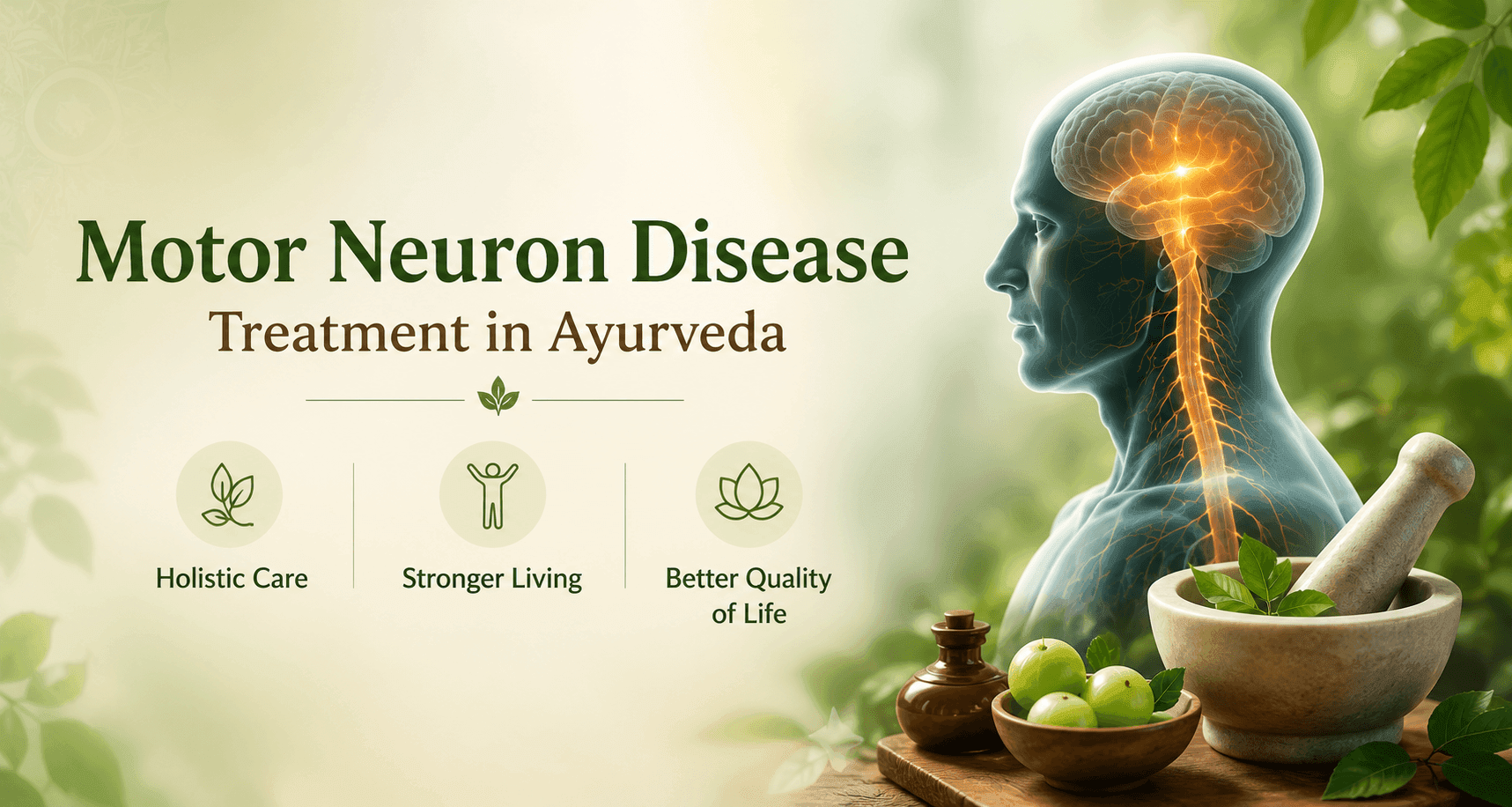
Motor Neuron Disease refers to a group of disorders that damage motor neurons, the nerve cells that transmit signals from the brain and spinal cord to the muscles. When these neurons degenerate, muscles gradually weaken and lose their ability to function properly.
Common types of Motor Neuron Disease include:
- Amyotrophic Lateral Sclerosis (ALS)
- Primary Lateral Sclerosis (PLS)
- Progressive Muscular Atrophy (PMA)
- Progressive Bulbar Palsy (PBP)
MND is a progressive condition, and symptoms may vary depending on the areas of the nervous system affected.
Causes and Risk Factors of Motor Neuron Disease
The exact cause of Motor Neuron Disease (MND) is not always known. Researchers believe that a combination of genetic, environmental, and biological factors may contribute to the development of the condition.
Common risk factors include:
- Family history of Motor Neuron Disease
- Genetic mutations associated with ALS and other MNDs
- Increasing age
- Exposure to certain environmental toxins
- Oxidative stress and inflammation
- Abnormal protein accumulation within nerve cells
In many cases, no specific cause can be identified.
Symptoms of Motor Neuron Disease
Symptoms often develop gradually and may worsen over time. Common symptoms include:
- Muscle weakness in the arms, legs, or hands
- Muscle twitching (fasciculations)
- Muscle cramps and stiffness
- Difficulty walking or maintaining balance
- Slurred speech
- Difficulty swallowing
- Reduced grip strength
- Fatigue and reduced endurance
- Breathing difficulties in advanced stages
If you experience persistent neurological symptoms, it is important to seek prompt medical evaluation.
Understanding Motor Neuron Disease in Ayurveda
Ayurveda views neurological disorders involving degeneration, weakness, and loss of muscle function primarily through the lens of aggravated Vata Dosha. The condition may be associated with:
- Vata imbalance
- Dhatu Kshaya (degeneration of body tissues)
- Majja Dhatu dysfunction (nervous tissue involvement)
- Impaired neuromuscular coordination
According to Ayurvedic principles, restoring balance, nourishing depleted tissues, and supporting the body's natural healing mechanisms form the foundation of treatment.
Motor Neuron Disease: Modern Medicine vs Ayurveda
Overview
| Modern Medicine | Ayurveda |
|---|---|
| Focuses on diagnosis and symptom management | Focuses on balancing Vata Dosha and holistic support |
| Uses medications and rehabilitation | Uses Panchakarma, medicines, diet, and lifestyle |
| Aims to maintain function and quality of life | Aims to support strength, mobility, and well-being |
| Requires neurological monitoring | Works as a complementary supportive approach |
How is Motor Neuron Disease Diagnosed?
Diagnosing Motor Neuron Disease requires a comprehensive evaluation by a neurologist. Since symptoms may overlap with other neurological conditions, several tests may be required to confirm the diagnosis.
Diagnostic methods may include:
- Detailed neurological examination
- Electromyography (EMG)
- Nerve conduction studies
- MRI scans of the brain and spinal cord
- Blood tests
- Assessment of muscle strength, reflexes, and coordination
Early diagnosis allows timely access to supportive care and rehabilitation strategies.
Can Ayurveda Help in Motor Neuron Disease?
No. There is currently no proven cure for Motor Neuron Disease. Ayurvedic treatment focuses on supportive care, symptom management, improving mobility, enhancing quality of life, and supporting overall well-being alongside conventional medical care.
Ayurveda does not claim to cure Motor Neuron Disease. However, Ayurvedic management may help:
- Support muscle and nerve function
- Improve mobility and flexibility
- Reduce muscle stiffness and discomfort
- Enhance physical strength and endurance
- Support mental well-being
- Improve overall quality of life
Treatment outcomes vary depending on the stage of the condition, overall health, and individual response to therapy.
Ayurvedic treatment should not delay or replace diagnosis, monitoring, or treatment recommended by a qualified neurologist. Patients are encouraged to continue regular medical follow-ups and discuss complementary therapies with their healthcare team.
Ayurvedic Treatment for Motor Neuron Disease
At Adyant Ayurveda, treatment plans are individualized after a detailed consultation with an Ayurvedic physician. The treatment approach may include Panchakarma therapies, internal medicines, dietary guidance, and lifestyle modifications.
What is the Best Ayurvedic Treatment for MND?
Ayurvedic treatment for MND is individualized and may include Panchakarma therapies such as Basti, Abhyanga, Pinda Sweda, Nasya, Ayurvedic medicines, dietary guidance, and lifestyle modifications based on the patient's condition.
Which Panchakarma is Best for Motor Neuron Disease?
Basti is traditionally considered one of the most important Panchakarma therapies for Vata-related neurological disorders. Other therapies may include Abhyanga, Pinda Sweda, Nasya, and Shirodhara depending on individual assessment.
What is the Prognosis of Motor Neuron Disease?
Motor Neuron Disease is a progressive neurological condition, and the course of the disease can vary significantly among individuals.
Factors influencing prognosis include:
- Type of Motor Neuron Disease
- Age at diagnosis
- Severity of symptoms
- Respiratory involvement
- Overall health status
Comprehensive medical care, rehabilitation, nutritional support, and appropriate therapies can help improve quality of life and functional independence.
Ayurvedic care may be integrated as a supportive approach alongside conventional medical management under professional guidance.
Ayurvedic Treatment for ALS (Amyotrophic Lateral Sclerosis)
Amyotrophic Lateral Sclerosis (ALS) is the most common form of Motor Neuron Disease. Ayurvedic treatment for ALS focuses on supporting mobility, muscle function, comfort, and overall quality of life through personalized Panchakarma therapies, dietary guidance, and lifestyle recommendations.
As ALS affects individuals differently, treatment plans are customized based on the patient's symptoms, disease progression, and overall health status.
How Does Ayurveda Treat Motor Neuron Disease?
According to Ayurveda, treatment focuses on balancing aggravated Vata Dosha, nourishing depleted tissues, improving neuromuscular function, and supporting overall quality of life. Treatment plans are individualized and may include Panchakarma therapies, Ayurvedic medicines, dietary modifications, and lifestyle guidance.
Panchakarma Therapies
Abhyanga (Medicated Oil Massage)
Abhyanga involves the application of warm herbal oils to the body. This therapy may help:
- Improve circulation
- Reduce muscle stiffness
- Support joint mobility
- Calm aggravated Vata Dosha
Basti Therapy
Basti is considered one of the most important therapies for Vata-related disorders in Ayurveda.
Potential benefits include:
- Supporting nervous system health
- Nourishing tissues
- Promoting Vata balance
- Improving overall well-being
Pinda Sweda (Pottali Massage)
This therapy uses warm herbal boluses applied to the body to provide therapeutic heat and nourishment.
It may help:
- Relieve stiffness
- Improve flexibility
- Support muscle function
Shirodhara
Shirodhara involves the continuous pouring of medicated liquids over the forehead.
Potential benefits include:
- Relaxation of the nervous system
- Stress reduction
- Improved sleep quality
- Mental calmness
Nasya
Nasya involves administering herbal preparations through the nasal passages under medical supervision.
It is traditionally used to support:
- Head and neck health
- Nervous system function
- Mental clarity
Ayurvedic Medicines
Ayurvedic medicines are selected based on:
- Disease stage
- Symptom presentation
- Individual constitution (Prakriti)
- Digestive strength (Agni)
- Associated health conditions
Since Ayurvedic treatment is highly personalized, medicines should only be taken under the guidance of a qualified Ayurvedic doctor.
Is There Research on Ayurveda for Motor Neuron Disease?
Research on Ayurvedic management of Motor Neuron Disease is still evolving. Some published case studies and clinical observations suggest that Ayurvedic therapies and Panchakarma treatments may help support symptom management, mobility, daily functioning, and overall well-being in certain patients.
However, more large-scale clinical studies are required to establish definitive conclusions regarding effectiveness.
Ayurveda should be considered a complementary and supportive approach and not a replacement for appropriate neurological care.
Diet and Lifestyle Recommendations
Diet and lifestyle play a significant role in Ayurvedic care.
Recommendations may include:
- Warm, freshly prepared meals
- Easily digestible foods
- Adequate hydration
- Regular sleep schedule
- Gentle stretching and physiotherapy support
- Stress management practices
- Avoidance of excessive physical strain
These measures may help support overall health and maintain functional capacity.
Diet Recommendations for Motor Neuron Disease Patients
Proper nutrition plays an important role in maintaining strength, supporting overall health, and improving quality of life.
Ayurvedic dietary recommendations may include:
- Warm, freshly prepared meals
- Easily digestible foods
- Adequate protein intake
- Healthy fats and nourishing foods
- Proper hydration
- Seasonal fruits and vegetables
Dietary recommendations should be individualized according to the patient's digestive capacity, symptoms, and overall health condition.
Benefits of Ayurvedic Management for Motor Neuron Disease
With a personalized treatment approach, Ayurveda may help:
- Support neuromuscular health
- Improve flexibility and mobility
- Reduce muscle discomfort
- Enhance energy levels
- Promote relaxation and mental well-being
- Improve overall quality of life
Individual results vary, and regular follow-up is essential for monitoring progress and adjusting treatment plans.
Why Personalized Treatment Matters
Motor Neuron Disease affects every individual differently. Factors such as age, symptom severity, disease progression, and overall health influence treatment decisions.
A personalized Ayurvedic treatment plan allows doctors to:
- Address specific symptoms
- Tailor therapies to individual needs
- Modify treatment as the condition evolves
- Provide comprehensive support for physical and mental well-being
When Should You Seek Immediate Medical Attention?
Motor Neuron Disease requires ongoing medical supervision. Seek immediate medical attention if you experience:
- Sudden difficulty breathing
- Frequent choking episodes
- Severe swallowing difficulties
- Rapid worsening of muscle weakness
- Significant speech impairment
- Recurrent respiratory infections
Prompt medical care can help prevent complications and improve patient outcomes.
Overview
Why Choose Ayurvedic Management for Motor Neuron Disease?
Ayurveda takes a holistic approach to health by addressing physical, mental, and lifestyle factors. Through personalized therapies, dietary guidance, and Panchakarma treatments, Ayurvedic care aims to support overall well-being and improve quality of life for individuals living with Motor Neuron Disease.
Benefits may include:
- Personalized treatment protocols
- Holistic health support
- Focus on quality of life
- Integration of diet, lifestyle, and therapies
- Long-term wellness guidance
Why Choose Adyant Ayurveda?
With over 28 years of Ayurvedic expertise, Adyant Ayurveda offers personalized care for neurological and chronic health conditions through traditional Ayurvedic principles and Panchakarma therapies.
Our approach includes:
- Experienced Ayurvedic doctors
- Individualized treatment plans
- Authentic Panchakarma therapies
- Holistic lifestyle and dietary guidance
- Patient-centered care focused on overall wellness
Book a Consultation
If you or a loved one has been diagnosed with Motor Neuron Disease or is experiencing symptoms such as muscle weakness, stiffness, or difficulty with movement, consult our Ayurvedic specialists for a personalized assessment and guidance on suitable treatment options.
Disclaimer: This information is intended for educational purposes only and should not be considered medical advice. Motor Neuron Disease requires proper medical evaluation and management. Always consult qualified healthcare professionals before starting any treatment.
Frequently Asked Questions
There is currently no known cure for Motor Neuron Disease. Ayurveda focuses on supportive care, symptom management, and improving quality of life through individualized treatment approaches.
Depending on the patient's condition, therapies such as Abhyanga, Basti, Nasya, Shirodhara, and Pinda Sweda may be recommended by an Ayurvedic physician.
When prescribed by qualified Ayurvedic doctors and performed under proper supervision, Ayurvedic therapies are customized according to the patient's health status and needs.
The duration of treatment varies depending on the stage of the disease, symptom severity, and individual response to therapy.
Ayurvedic treatment is personalized and may include Panchakarma therapies, Ayurvedic medicines, dietary recommendations, and lifestyle modifications based on the patient's condition and health status.
Ayurveda aims to support overall health, manage symptoms, improve quality of life, and maintain functional capacity. Treatment outcomes vary from person to person.
Basti is traditionally considered one of the most important therapies for Vata-related neurological conditions. Other therapies such as Abhyanga, Pinda Sweda, Shirodhara, and Nasya may also be recommended based on individual assessment.
Many ALS patients may benefit from supportive Ayurvedic therapies after a thorough evaluation by qualified healthcare professionals. Treatment plans should always be individualized.
Dietary recommendations vary according to the patient's condition. Ayurveda generally advises minimizing foods that aggravate Vata Dosha, such as excessively dry, cold, processed, and difficult-to-digest foods.
Medical Disclaimer
This content is for educational purposes only and should not be considered medical advice. Always consult a qualified Ayurvedic doctor before undergoing any treatments.
Specialists
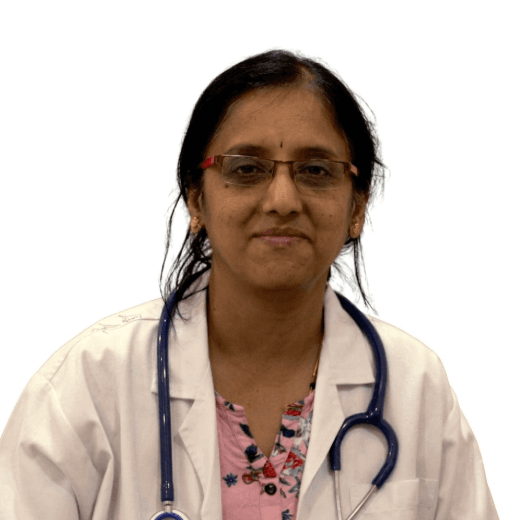
Dr. Srilakshmi
Bangalore
Panchakarma & Detoxification Therapies, Women’s Health & Gynaecological Disorders, Infertility & Reproductive Health, Skin Disorders & Ayurvedic Cosmetology, Hair & Scalp Disorders, Weight Management & Metabolic Disorders, Diabetes & Lifestyle Disorders, Bone, Joint & Musculoskeletal Disorders, Ayurvedic Proctology, Ayurvedic Surgery & Kshara Sutra, ENT & Head-Neck Disorders, Digestive & Gastrointestinal Disorders, Neurological Disorders, Stress, Anxiety & Sleep Disorders, Chronic Health Conditions, Ayurvedic Diet & Nutrition
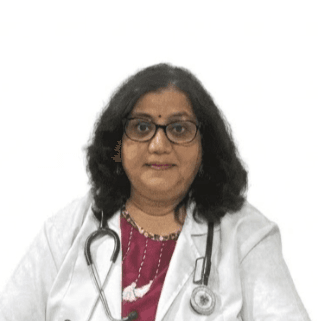
Dr.Sumana Patavardhan.K.S.
Bangalore
Panchakarma & Detoxification Therapies, Women’s Health & Gynaecological Disorders, Infertility & Reproductive Health, Skin Disorders & Ayurvedic Cosmetology, Hair & Scalp Disorders, Weight Management & Metabolic Disorders, Diabetes & Lifestyle Disorders, Bone, Joint & Musculoskeletal Disorders, Ayurvedic Proctology, Ayurvedic Surgery & Kshara Sutra, ENT & Head-Neck Disorders, Digestive & Gastrointestinal Disorders, Neurological Disorders, Stress, Anxiety & Sleep Disorders, Chronic Health Conditions, Ayurvedic Diet & Nutrition