
Multiple Sclerosis Treatment in Ayurveda
Experience holistic Ayurvedic approach to restoring natural vitality.
Request an Appointment
Table of Contents
Need personalized advice?
Quick Answer
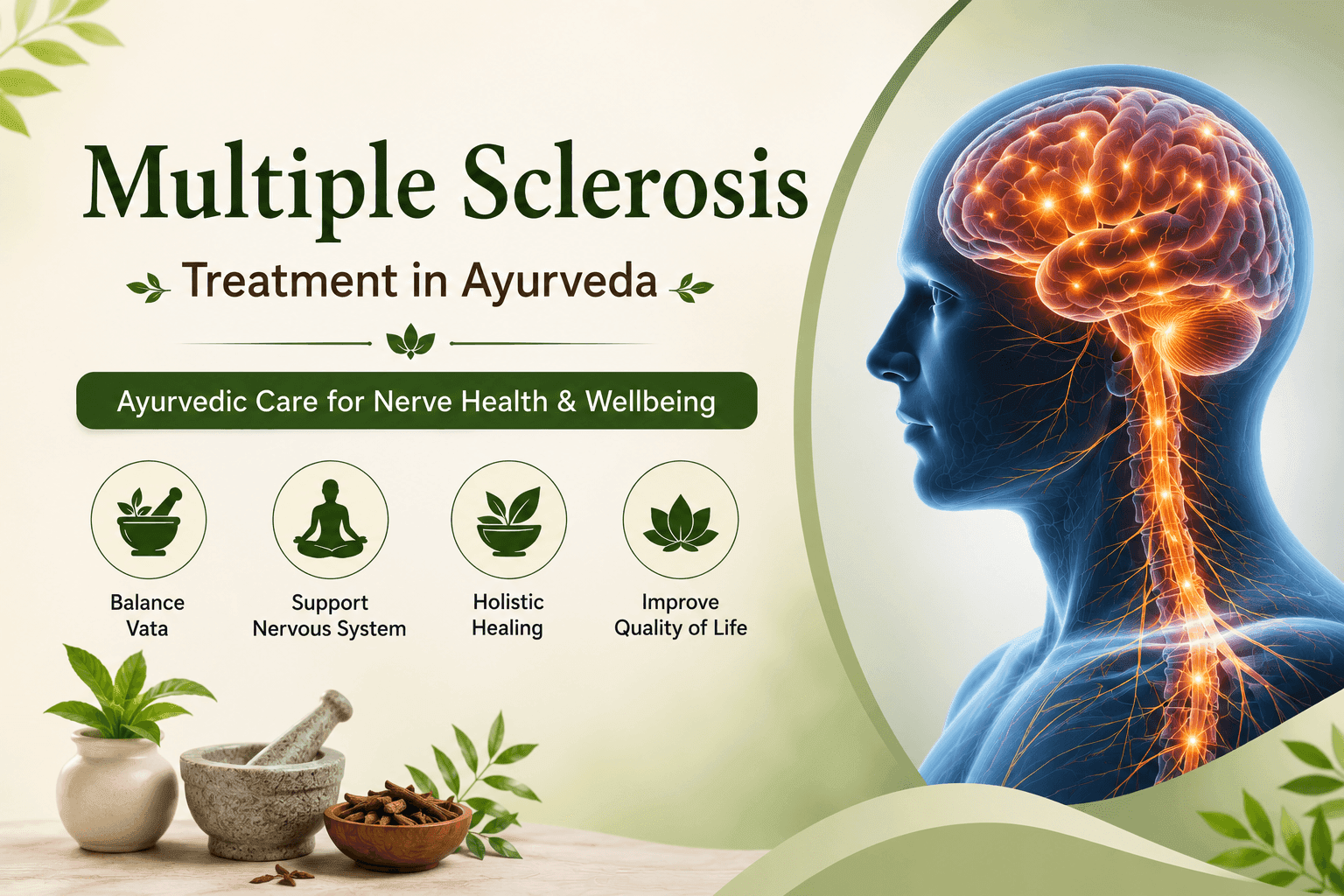
Multiple sclerosis (MS) is a chronic autoimmune neurological disorder in which the immune system mistakenly attacks the protective covering (myelin sheath) of nerve fibers in the brain and spinal cord. This damage disrupts communication between the brain and the rest of the body, causing symptoms such as fatigue, muscle weakness, numbness, tingling, balance problems, vision disturbances, and difficulty walking.
While there is currently no permanent cure for multiple sclerosis, modern medical treatment can help reduce relapses and slow disease progression. Ayurveda may support symptom management, nervous system health, muscle strength, mobility, digestion, stress reduction, and overall quality of life through individualized treatment plans that include Panchakarma, herbal formulations, dietary guidance, and lifestyle modifications. Ayurvedic treatment should be used alongside regular neurological care and not as a replacement for prescribed medical treatment.
What Is Multiple Sclerosis?
Multiple sclerosis is a chronic inflammatory disease affecting the central nervous system, including the brain, spinal cord, and optic nerves. In MS, the immune system attacks the myelin sheath that surrounds nerve fibers, leading to inflammation, scarring (sclerosis), and nerve damage.
The disease can affect various parts of the nervous system, resulting in a wide range of symptoms that may vary significantly from person to person.
How Common Is Multiple Sclerosis?
Multiple sclerosis affects millions of people worldwide and is one of the most common neurological disorders among young adults.
Key facts include:
- Usually diagnosed between ages 20 and 40
- More common in women than men
- Increasing prevalence globally
- Can occur in children and older adults, though less commonly
- Long-term neurological condition requiring ongoing management
Multiple Sclerosis at a Glance
Types of Multiple Sclerosis
1. Relapsing-Remitting MS (RRMS)
The most common form of MS characterized by:
- Episodes of symptom flare-ups (relapses)
- Periods of partial or complete recovery (remission)
- Symptoms may improve between attacks
2. Secondary Progressive MS (SPMS)
Over time, some people with RRMS develop progressive worsening of symptoms with fewer remission periods.
3. Primary Progressive MS (PPMS)
Symptoms gradually worsen from the beginning without distinct relapses and remissions.
4. Progressive-Relapsing MS (PRMS)
A less common form involving progressive disease with occasional acute relapses.
Symptoms of Multiple Sclerosis
Symptoms depend on which nerves are affected.
Early Symptoms
- Fatigue
- Numbness and tingling
- Blurred vision
- Double vision
- Muscle weakness
- Dizziness
- Balance problems
Neurological Symptoms
- Difficulty walking
- Muscle stiffness
- Tremors
- Poor coordination
- Loss of balance
- Speech difficulties
- Cognitive changes
Sensory Symptoms
- Burning sensations
- Electric shock-like feelings
- Pins and needles
- Altered sensation
- Facial numbness
Visual Symptoms
- Optic neuritis
- Eye pain
- Partial vision loss
- Blurred vision
- Double vision
Advanced Symptoms
- Severe mobility limitations
- Muscle spasms
- Bladder dysfunction
- Bowel disturbances
- Chronic pain
- Cognitive decline
- Emotional changes
Early Warning Signs of Multiple Sclerosis
The earliest symptoms may appear gradually and are sometimes mistaken for stress, vitamin deficiencies, or other neurological conditions.
Common warning signs include:
- Unexplained fatigue
- Numbness in arms or legs
- Tingling sensations
- Blurred vision
- Eye pain during movement
- Difficulty maintaining balance
- Muscle weakness
- Electric shock sensation when bending the neck (Lhermitte's sign)
Causes and Risk Factors
The exact cause of multiple sclerosis remains unknown, but several factors may contribute.
Autoimmune Factors
The immune system mistakenly attacks healthy nerve tissue.
Genetic Factors
People with a family history of MS may have a slightly higher risk.
Potential contributors include:
- Vitamin D deficiency
- Smoking
- Certain viral infections
- Geographic location
- Environmental triggers
Other Risk Factors
- Female gender
- Age 20–40 years
- Autoimmune diseases
- Obesity
How Multiple Sclerosis Is Diagnosed
Diagnosis typically requires neurological evaluation and imaging studies.
MRI Scan
Used to identify lesions in the brain and spinal cord.
Evaluates:
- Reflexes
- Muscle strength
- Coordination
- Balance
- Sensation
Lumbar Puncture
Cerebrospinal fluid testing may help support diagnosis.
Evoked Potential Tests
Measure electrical activity in the nervous system.
Early diagnosis helps initiate treatment sooner and may reduce long-term disability.
How Ayurveda Understands Multiple Sclerosis
Multiple sclerosis does not have a direct one-to-one description in classical Ayurvedic texts. However, many Ayurvedic physicians correlate MS with:
- Vata Vyadhi
- Majja Dhatu Dushti
- Ojakshaya
- Dhatukshaya
- Avarana of Vata
- Neurodegenerative disorders involving the nervous system
According to Ayurveda:
- Vata Dosha governs all neurological functions.
- Disturbance of Vata can affect movement, sensation, coordination, and muscle function.
- Weakness of Majja Dhatu may contribute to nerve tissue dysfunction.
- Reduced Ojas may lower overall vitality and resilience.
Treatment is individualized according to the patient's constitution, symptoms, strength, digestion, and disease stage.
According to Ayurvedic principles, multiple sclerosis may involve:
- Aggravation of Vata Dosha
- Majja Dhatu Kshaya
- Ojas depletion
- Impaired nourishment of nerve tissues
- Progressive neuromuscular dysfunction
The exact Ayurvedic interpretation varies according to individual symptoms and disease progression.
Ayurvedic Treatment for Multiple Sclerosis
Ayurvedic treatment focuses on supporting nervous system health, reducing Vata aggravation, improving strength, enhancing mobility, and promoting overall well-being.
Treatment Principles
- Vata balancing
- Nervous system nourishment
- Strengthening muscles
- Improving mobility
- Supporting digestion
- Stress reduction
- Rejuvenation therapy (Rasayana)
Ayurvedic management aims to:
- Support nervous system health
- Improve mobility
- Reduce muscle stiffness
- Enhance strength and endurance
- Improve digestion and metabolism
- Promote restful sleep
- Reduce stress and anxiety
- Support quality of life
Treatment plans are individualized and may differ significantly between patients.
Panchakarma Therapies for Multiple Sclerosis
Panchakarma therapies may be recommended after proper clinical evaluation.
Medicated oil massage may help:
- Reduce stiffness
- Improve circulation
- Support mobility
- Calm aggravated Vata
Swedana
Therapeutic sweating procedures may assist in reducing muscle tightness and rigidity.
Basti Therapy
Basti is considered one of the primary therapies for Vata disorders.
Potential benefits include:
- Vata balancing
- Improved flexibility
- Better neuromuscular function
- Enhanced overall strength
A continuous stream of medicated liquid over the forehead may help:
- Reduce stress
- Promote relaxation
- Improve sleep quality
Nasya
Medicated nasal therapies may be advised in selected neurological conditions under professional supervision.
Some patients may experience improvements in:
- Muscle stiffness
- Fatigue
- Mobility
- Sleep quality
- Digestive health
- Emotional well-being
- Overall quality of life
Response varies depending on disease severity, duration, age, and overall health.
Ayurvedic Herbs Commonly Used
Herbal recommendations vary according to individual assessment.
Traditionally used for:
- Strength enhancement
- Stress management
- Nervous system support
Traditionally used to support:
- Cognitive function
- Memory
- Mental clarity
May help support:
- Mental calmness
- Cognitive performance
Traditionally used for:
- Immune balance
- General wellness
Used in Ayurvedic practice for:
- Strength support
- Muscle nourishment
Yashtimadhu (Licorice)
Traditionally utilized in various rejuvenative formulations.
Important: Herbal medicines should only be taken under the supervision of qualified Ayurvedic physicians.
Diet for Multiple Sclerosis Patients
A balanced diet may help support overall health and energy levels.
Foods to Include
- Fresh vegetables
- Seasonal fruits
- Whole grains
- Mung dal
- Healthy fats
- Cow's ghee (if suitable)
- Nuts and seeds
- Adequate hydration
Foods to Limit
- Processed foods
- Excess sugar
- Deep-fried foods
- Excessive junk food
- Excess alcohol
- Smoking
Appropriate exercises may include:
- Walking
- Stretching
- Physiotherapy
- Gentle yoga
- Balance training
Stress Management
Stress may worsen symptoms in some individuals.
Helpful practices include:
- Meditation
- Deep breathing exercises
- Mindfulness
- Relaxation techniques
Sleep Optimization
Adequate sleep is essential for recovery and neurological health.
Yoga for Multiple Sclerosis
Under expert guidance, gentle yoga may help improve flexibility, balance, and emotional well-being.
Commonly recommended practices include:
- Tadasana
- Vrikshasana
- Bhujangasana
- Marjariasana
- Shavasana
- Pranayama
Yoga should be modified according to individual abilities and limitations.
These medications aim to:
- Reduce relapses
- Slow disease progression
- Decrease new lesions
Steroids
Often used during acute relapses to reduce inflammation.
Medications may help control:
- Muscle spasms
- Pain
- Fatigue
- Bladder problems
- Depression
Rehabilitation
- Physiotherapy
- Occupational therapy
- Speech therapy
- Mobility training
If not properly managed, MS may lead to:
- Progressive disability
- Walking difficulties
- Recurrent falls
- Chronic pain
- Severe fatigue
- Depression
- Bladder dysfunction
- Cognitive impairment
- Reduced independence
Early intervention may help reduce complications.
Seek urgent medical attention if you experience:
- Sudden vision loss
- Severe weakness
- New neurological symptoms
- Difficulty speaking
- Difficulty swallowing
- Severe balance problems
- Loss of bladder or bowel control
Can Ayurveda Cure Multiple Sclerosis?
There is currently no scientifically proven cure for multiple sclerosis in either modern medicine or Ayurveda.
However, Ayurveda may help:
- Improve quality of life
- Support mobility
- Reduce stiffness
- Enhance strength
- Improve sleep
- Manage stress
- Support overall health
Results vary among individuals depending on disease severity, duration, and overall health status.
Although MS cannot always be prevented, the following may support long-term health:
- Regular neurological follow-up
- Medication adherence
- Healthy diet
- Physical activity
- Stress management
- Adequate sleep
- Avoidance of smoking
- Maintaining vitamin D levels as advised by a physician
Prognosis of Multiple Sclerosis
The outlook varies among individuals.
Factors influencing prognosis include:
- Type of MS
- Age at diagnosis
- Frequency of relapses
- Response to treatment
- Overall neurological function
Many individuals with MS continue to lead active and productive lives with appropriate medical care and lifestyle management.
Key Takeaway
Multiple sclerosis is a chronic autoimmune neurological disorder that affects the brain, spinal cord, and optic nerves. Early diagnosis, appropriate neurological treatment, rehabilitation, healthy lifestyle practices, and individualized Ayurvedic support may help improve symptom management and quality of life. Ayurvedic therapies such as Panchakarma, Rasayana treatment, dietary guidance, and Vata-balancing approaches may serve as complementary measures alongside standard medical care under qualified supervision.
Frequently Asked Questions
Common early signs include numbness, tingling, fatigue, blurred vision, weakness, and balance problems.
MS can range from mild to severe. Early diagnosis and proper treatment can help manage symptoms and slow progression.
Ayurveda may support symptom management, mobility, strength, stress reduction, and overall quality of life when used alongside medical care.
Currently, there is no permanent cure. Treatment focuses on controlling symptoms and slowing disease progression.
Selected Panchakarma therapies may be recommended by qualified Ayurvedic physicians depending on the patient's condition and overall health.
Limiting processed foods, excessive sugar, smoking, and unhealthy fats may support overall health.
Medical Disclaimer
This content is for educational purposes only and should not be considered medical advice. Always consult a qualified Ayurvedic doctor before undergoing any treatments.