

Nasal Polyps Treatment in Ayurveda
Experience a holistic Ayurvedic approach to restoring natural vitality.
Request an Appointment
Table of Contents
Need personalized advice?
Introduction
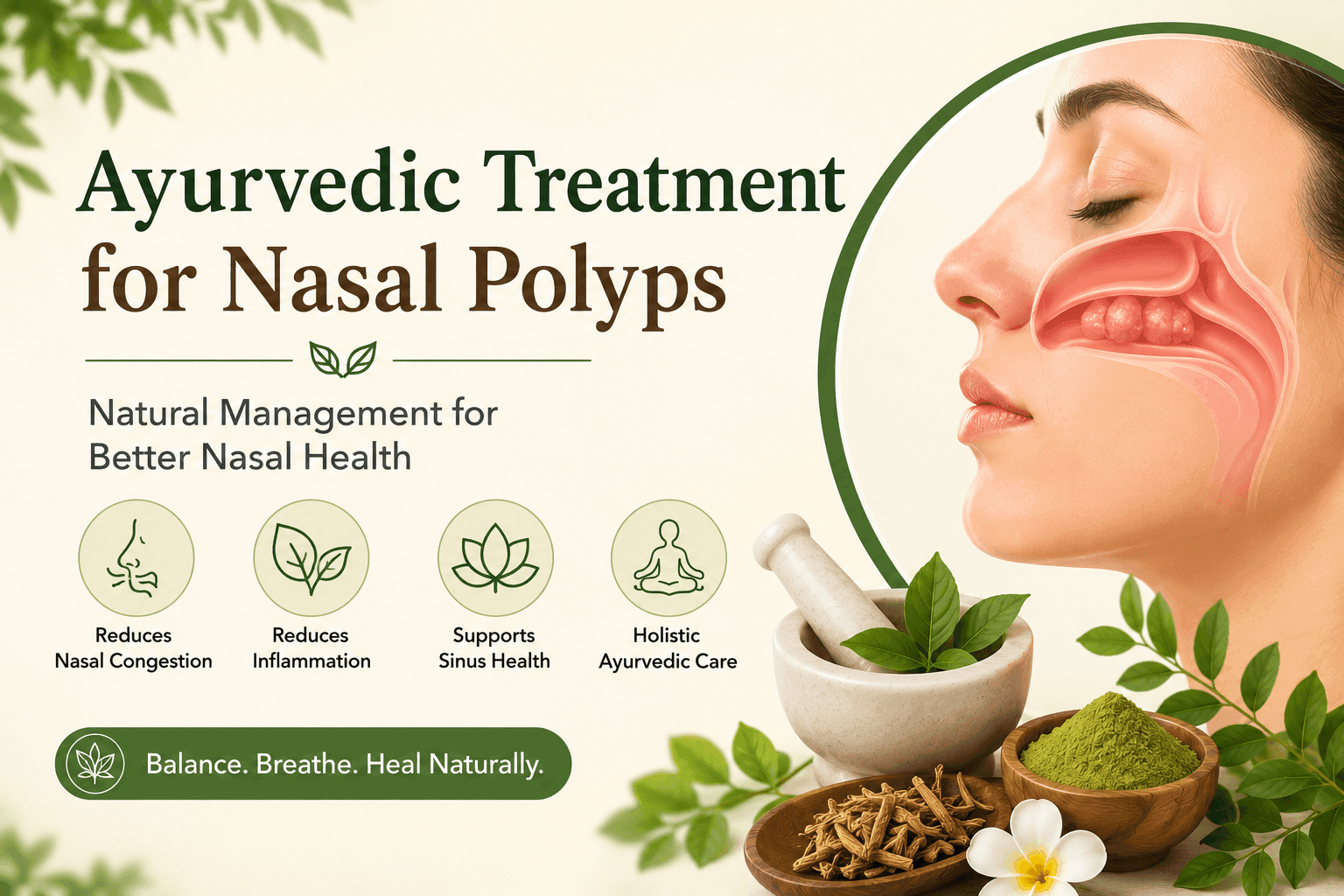
Nasal polyps are soft, painless, non-cancerous growths that develop on the lining of the nasal passages or sinuses due to long-standing inflammation. Although they are not usually dangerous, larger polyps or multiple polyps can block the nasal passages, making it difficult to breathe comfortably. Many people also experience persistent nasal congestion, reduced sense of smell, facial pressure, recurrent sinus infections, mouth breathing, and disturbed sleep.
Modern medicine commonly manages nasal polyps with medications such as corticosteroid nasal sprays, oral medicines in selected cases, and surgery when symptoms are severe or persistent. However, polyps may recur in some individuals, especially if the underlying inflammation or allergies continue.
Ayurveda approaches nasal polyps from a holistic perspective. Instead of focusing only on the visible growth, Ayurvedic management aims to improve overall health by addressing digestive balance (Agni), reducing the accumulation of Ama (metabolic toxins), balancing aggravated Kapha Dosha, and supporting healthy respiratory function. Treatment plans are individualized and may include herbal medicines, Nasya therapy, Panchakarma (when appropriate), dietary guidance, and lifestyle modifications.
While Ayurveda may help manage symptoms and support long-term nasal health in selected individuals, it is important to understand that large polyps, severe nasal obstruction, or complications may still require evaluation and treatment by an ENT specialist. An integrated approach often provides the best outcomes.
Quick Facts About Nasal Polyps
Feature | Details |
What are they? | Soft, non-cancerous growths inside the nose or sinuses |
Main Cause | Chronic inflammation of the nasal lining |
Common Symptoms | Blocked nose, reduced smell, runny nose, facial pressure |
Risk Factors | Allergies, chronic sinusitis, asthma, pollution, genetics |
Diagnosis | Medical history, ENT examination, nasal endoscopy, CT scan |
Ayurvedic Perspective | Kapha imbalance, Ama accumulation, impaired Agni |
Treatment Options | Medicines, lifestyle changes, surgery (selected cases), supportive Ayurvedic care |
Can They Return? | Yes, recurrence is possible even after treatment or surgery |
Emergency Warning Signs | Difficulty breathing, vision changes, severe facial swelling, persistent nosebleeds |
What Are Nasal Polyps?
Nasal polyps are soft, smooth, teardrop-shaped growths that develop from the mucous membrane lining the nose or paranasal sinuses. They are generally painless because they contain very few nerves. Polyps themselves are not cancerous and do not spread to other parts of the body.
These growths usually develop after months or years of ongoing inflammation. Over time, the swollen nasal lining enlarges and forms polyp-like tissue. Small polyps may cause few or no symptoms, whereas larger polyps or clusters of polyps can obstruct airflow and interfere with normal sinus drainage.
Where Do Nasal Polyps Develop?
Nasal polyps most commonly develop in areas where chronic inflammation persists, including:
- Ethmoid sinuses (between the eyes)
- Maxillary sinuses (beneath the cheeks)
- Nasal cavity
- Openings of the sinus passages
They may occur in one nostril or both, although bilateral (both sides) involvement is more common in chronic inflammatory conditions.
Are Nasal Polyps Dangerous?
Most nasal polyps are benign (non-cancerous). However, they should not be ignored because untreated polyps may contribute to:
- Chronic nasal blockage
- Recurrent sinus infections
- Reduced sense of smell and taste
- Sleep disturbances
- Mouth breathing
- Snoring
- Reduced quality of life
In rare cases, a growth that appears to be a nasal polyp may represent another condition. For this reason, persistent or one-sided nasal growths should always be evaluated by an ENT specialist.
Difference Between Nasal Polyps and Other Nasal Conditions
Include a comparison table:
Condition | Main Difference |
Nasal Polyps | Soft inflammatory growths |
Deviated Septum | Structural bend in septum |
Allergic Rhinitis | Allergy without growth |
Chronic Sinusitis | Infection/inflammation |
Enlarged Turbinates | Swollen nasal tissue |
What Causes Nasal Polyps?
Nasal polyps develop when the lining of the nose and sinuses remains inflamed over a prolonged period. The exact reason why some individuals develop polyps while others do not is not fully understood. It is likely that genetic, environmental, allergic, and immune-related factors all contribute.
Common causes include:
1. Chronic Sinus Inflammation
Repeated or long-term inflammation of the sinuses is one of the leading causes of nasal polyps. Persistent swelling encourages the nasal lining to enlarge and form polyp tissue.
2. Allergic Rhinitis
People with seasonal or year-round allergies often experience ongoing irritation and inflammation of the nasal passages. If allergies remain uncontrolled, they may increase the likelihood of developing nasal polyps.
3. Asthma
Asthma and nasal polyps frequently occur together because both conditions involve chronic inflammation of the airways. Some individuals have asthma, nasal polyps, and sensitivity to aspirin as part of a recognized clinical syndrome.
4. Recurrent Sinus Infections
Repeated bacterial or viral sinus infections may contribute to ongoing inflammation, making the nasal lining more susceptible to polyp formation.
5. Environmental Pollution
Exposure to dust, smoke, industrial pollutants, strong chemical fumes, and poor air quality may irritate the nasal passages and contribute to chronic inflammation.
6. Genetic Predisposition
Some people inherit a greater tendency toward chronic inflammatory conditions, allergies, or nasal polyps. A family history may increase the risk, although genetics alone does not determine whether polyps will develop.
7. Immune System Factors
Certain immune disorders and inflammatory conditions are associated with an increased risk of nasal polyps. Ongoing immune activation may promote persistent swelling of the nasal lining.
Risk Factors for Nasal Polyps
Although anyone can develop nasal polyps, the following factors increase the risk:
Risk Factor | How It Increases Risk |
Chronic sinusitis | Persistent inflammation promotes tissue swelling |
Allergic rhinitis | Repeated nasal irritation may encourage polyp formation |
Asthma | Chronic airway inflammation increases susceptibility |
Family history | Genetic factors may contribute |
Smoking | Irritates the nasal lining and respiratory tract |
Air pollution | Prolonged exposure worsens inflammation |
Frequent respiratory infections | Recurrent inflammation affects the nasal mucosa |
Immune disorders | Altered immune responses may increase risk |
Having one or more of these risk factors does not necessarily mean that a person will develop nasal polyps, but the likelihood may be higher.
Who Is More Likely to Develop Nasal Polyps?
Although nasal polyps can affect people of any age, certain individuals have a higher risk of developing them due to chronic inflammation, allergies, or underlying medical conditions. Understanding these risk factors can help with early diagnosis and timely treatment.
Adults Over 40 Years of Age
Nasal polyps are more commonly diagnosed in adults between 40 and 60 years of age. Long-term inflammation of the nasal passages and sinuses over many years may increase the likelihood of polyp formation. However, younger adults and, less commonly, children can also develop nasal polyps, particularly if they have underlying health conditions.
People with Asthma
Individuals with asthma have a higher risk of developing nasal polyps because both conditions involve chronic inflammation of the airways. Some people may also have aspirin-exacerbated respiratory disease (AERD), a condition characterized by asthma, nasal polyps, and sensitivity to aspirin or other nonsteroidal anti-inflammatory drugs (NSAIDs).
People with Allergic Rhinitis
Persistent allergic rhinitis (hay fever) can lead to ongoing irritation and inflammation of the nasal lining. When allergies remain uncontrolled, chronic inflammation may increase the risk of developing nasal polyps over time. Proper allergy management may help reduce symptom flare-ups and support better nasal health.
Individuals with Chronic Sinusitis
People with chronic sinusitis, especially chronic rhinosinusitis lasting more than 12 weeks, are among the most common groups affected by nasal polyps. Continuous inflammation of the sinuses can cause the nasal lining to swell, increasing the likelihood of nasal polyp formation.
People with Aspirin Sensitivity
Some individuals experience worsening respiratory symptoms after taking aspirin or certain NSAIDs. This condition, known as aspirin sensitivity, is strongly associated with recurrent nasal polyps, asthma, and chronic sinus inflammation. These individuals often require specialized medical evaluation and long-term management.
Smokers and People Exposed to Air Pollution
Smoking, second-hand smoke, and long-term exposure to dust, industrial chemicals, and air pollution can irritate the nasal passages and contribute to chronic inflammation. Although smoking does not directly cause nasal polyps, it may increase the risk of persistent nasal problems and make existing symptoms worse.
People with a Family History of Nasal Polyps
A family history of nasal polyps or chronic inflammatory conditions may increase an individual's susceptibility. While genetics alone does not determine whether nasal polyps will develop, inherited factors combined with environmental triggers can contribute to a higher risk.
Other Conditions Associated with Nasal Polyps
Certain medical conditions are also linked to an increased risk of nasal polyps, including:
- Chronic respiratory allergies
- Recurrent sinus infections
- Cystic fibrosis (particularly in children)
- Some immune system disorders
- Long-standing inflammation of the nasal passages
If you have persistent nasal blockage, recurrent sinus infections, reduced sense of smell, or belong to one or more of these higher-risk groups, consult an ENT specialist for an accurate diagnosis. If appropriate, a qualified Ayurvedic physician can also help develop a personalized Ayurvedic treatment plan for nasal polyps to support overall nasal and respiratory health.
Symptoms of Nasal Polyps
The symptoms depend on the size, number, and location of the polyps. Small polyps may remain unnoticed, while larger polyps can significantly affect breathing and quality of life.
Early Symptoms
- Persistent nasal congestion
- Runny nose
- Sneezing
- Mild reduction in the sense of smell
- Frequent need to clear the nose
Moderate Symptoms
- Difficulty breathing through the nose
- Mouth breathing, especially during sleep
- Reduced sense of taste
- Snoring
- Facial heaviness or pressure
- Postnasal drip
- Persistent mucus in the throat
Advanced Symptoms
If polyps continue to enlarge, symptoms may become more severe:
- Significant nasal blockage
- Complete loss of smell (anosmia)
- Difficulty sleeping
- Frequent sinus infections
- Headaches related to sinus pressure
- Fatigue due to poor-quality sleep
- Changes in voice (nasal speech)
Symptom Severity Guide
Stage | Common Symptoms |
Early | Mild congestion, sneezing, occasional runny nose |
Moderate | Persistent blockage, reduced smell, mouth breathing, snoring |
Advanced | Severe obstruction, recurrent sinus infections, headaches, loss of smell, sleep disturbances |
When Should You Seek Immediate Medical Attention?
Although nasal polyps are usually not an emergency, seek prompt medical care if you develop:
- Severe difficulty breathing
- Swelling around the eyes
- Sudden changes in vision or double vision
- High fever with severe facial pain
- Persistent or heavy nosebleeds
- Severe headache that is unusual or worsening
- Rapidly worsening symptoms despite treatment
These symptoms may indicate complications or another medical condition that requires urgent evaluation.
How Are Nasal Polyps Diagnosed?
An accurate diagnosis is essential because symptoms of nasal polyps can resemble those of allergic rhinitis, chronic sinusitis, a deviated nasal septum, or other nasal conditions. Identifying the underlying cause helps determine the most appropriate treatment plan.
An ENT specialist may recommend one or more of the following diagnostic methods.
1. Medical History
Your doctor will ask about:
- Duration of nasal blockage
- Frequency of sinus infections
- Allergies or asthma
- Previous nasal surgery
- Changes in smell or taste
- Family history of nasal polyps
- Current medications
A detailed history helps identify potential contributing factors and associated conditions.
2. Physical Examination
The doctor examines the nose using a lighted instrument to look for:
- Swollen nasal tissues
- Visible polyps
- Signs of infection
- Mucus accumulation
- Structural abnormalities
Small polyps may not always be visible during a routine examination.
3. Nasal Endoscopy
A nasal endoscopy is one of the most useful tests for diagnosing nasal polyps.
A thin, flexible tube with a small camera is gently inserted into the nasal passages, allowing the ENT specialist to:
- View deeper areas of the nasal cavity
- Assess the size and number of polyps
- Check for inflammation
- Examine sinus openings
- Identify any structural abnormalities
4. CT Scan of the Sinuses
A CT scan provides detailed images of the nasal passages and sinuses. It helps determine:
- The exact location of polyps
- Their size and extent
- Sinus blockage
- Chronic sinus inflammation
- Anatomical variations that may affect treatment
CT imaging is particularly helpful when surgery is being considered.
5. Allergy Testing
If allergies are suspected, your doctor may recommend allergy testing to identify specific triggers such as:
- Dust mites
- Pollen
- Mold
- Pet dander
- Certain foods (in selected cases)
Managing allergies may help reduce ongoing nasal inflammation.
6. Additional Tests (When Needed)
Depending on your symptoms, your doctor may recommend:
- Blood tests to evaluate underlying inflammatory or immune conditions
- MRI scans if another condition is suspected
- A biopsy in rare cases, particularly for unusual or one-sided growths
Important Note
Ayurvedic diagnosis complements—not replaces—modern medical evaluation. If you are considering Ayurvedic treatment, it is advisable to have a confirmed diagnosis from an ENT specialist before beginning therapy.
Nasal Polyps in Ayurveda
Classical Ayurvedic texts do not describe nasal polyps as a single disease entity identical to the modern medical diagnosis. Instead, Ayurvedic physicians assess the condition based on its symptoms, underlying dosha imbalance, and the patient's overall constitution (Prakriti).
Conditions that may share similarities with the presentation of nasal polyps include:
- Nasa Shotha (inflammation of the nasal tissues)
- Nasa Arbuda (abnormal growths in the nasal region, interpreted cautiously)
- Pratishyaya (chronic nasal disorders)
- Dushta Pratishyaya (chronic or complicated nasal conditions)
Rather than focusing solely on the growth itself, Ayurveda seeks to understand the factors contributing to chronic inflammation and recurrent nasal blockage.
Ayurvedic Understanding of Nasal Polyps
According to Ayurvedic principles, nasal polyps may be associated with an imbalance involving Kapha Dosha, impaired digestive fire (Agni), and the accumulation of Ama (metabolic waste products). These factors may contribute to congestion and persistent inflammation.
1. Kapha Dosha Aggravation
Kapha governs lubrication, stability, and the production of bodily fluids. When aggravated, it may lead to:
- Excess mucus production
- Nasal congestion
- Tissue swelling
- Heaviness in the head
- Blocked sinus passages
Persistent Kapha imbalance is considered one of the primary contributors to chronic nasal disorders.
2. Ama Accumulation
Ayurveda describes Ama as incompletely digested metabolic waste that may accumulate when digestion is weak.
Excess Ama is believed to:
- Obstruct normal body channels (Srotas)
- Aggravate inflammation
- Impair tissue function
- Increase susceptibility to recurrent illness
Reducing Ama is often an important goal of Ayurvedic management.
3. Weak Agni (Digestive Fire)
Healthy digestion plays a central role in Ayurveda.
When Agni is weakened:
- Digestion becomes inefficient.
- Ama formation may increase.
- Dosha imbalance may worsen.
- The body's natural resilience may decline.
Improving digestive function is therefore considered an important part of holistic treatment.
4. Vata Involvement
Although Kapha is the predominant dosha, disturbed Vata may contribute to:
- Obstruction of airflow
- Dryness alternating with congestion
- Irregular symptom patterns
- Chronicity of the condition
Treatment is individualized based on the specific dosha imbalance present.
Ayurvedic View of Disease Progression
Weak Digestion (Agni)
↓
Formation of Ama
↓
Kapha Aggravation
↓
Chronic Nasal Congestion
↓
Persistent Inflammation
↓
Tendency Toward Polyp Formation
This flow represents a traditional Ayurvedic concept rather than a proven biological pathway.
Can Ayurveda Cure Nasal Polyps?
This is one of the most frequently asked questions.
The answer depends on several factors, including:
- Size of the polyps
- Duration of symptoms
- Presence of chronic sinusitis
- Associated allergies or asthma
- Individual response to treatment
- Overall health
Ayurveda does not claim to permanently cure all nasal polyps. Instead, its goals are to:
- Support healthy nasal function
- Reduce chronic inflammation
- Improve nasal breathing
- Help manage associated symptoms
- Promote overall well-being
- Potentially reduce the risk of recurrence as part of a comprehensive care plan
Individuals with large polyps, complete nasal obstruction, recurrent severe infections, or suspected complications may still require conventional medical treatment, including surgery when recommended by an ENT specialist.
Can Nasal Polyps Be Removed Without Surgery?
Whether nasal polyps can be treated without surgery depends on their size, location, severity of symptoms, and the underlying cause. Small or early-stage nasal polyps may respond to medical treatment, including corticosteroid nasal sprays, medications to control allergies, and management of chronic sinus inflammation. In selected individuals, supportive Ayurvedic treatment for nasal polyps may also help improve nasal comfort, reduce inflammation, and support overall respiratory health as part of a personalized treatment plan.
However, it is important to understand that not all nasal polyps can be removed without surgery. Large polyps or those causing significant blockage often require evaluation by an ENT specialist. The decision to perform surgery is based on the severity of symptoms, response to treatment, and the impact on quality of life.
Ayurveda does not physically remove nasal polyps. Instead, it focuses on addressing underlying imbalances, supporting healthy nasal function, and helping manage chronic inflammation. An integrative approach that combines appropriate conventional treatment with supportive Ayurvedic care may be beneficial for some individuals.
When Is Surgery Recommended for Nasal Polyps?
Although many people can initially be managed with medications, nasal polyp surgery may be recommended when symptoms are severe or conservative treatment has not provided adequate relief.
An ENT specialist may recommend surgery in the following situations:
Complete Nasal Obstruction
When one or both nasal passages become almost completely blocked, breathing through the nose may become extremely difficult. Surgery may be necessary to restore normal airflow and improve quality of life.
Very Large or Multiple Nasal Polyps
Large polyps or clusters of multiple polyps can obstruct the nasal cavity and sinus openings, increasing the risk of chronic symptoms and recurrent infections. In such cases, surgical removal may provide significant symptom relief.
Persistent Symptoms Despite Medical Treatment
If symptoms continue despite appropriate treatment with medications such as corticosteroid nasal sprays or oral medicines, surgery may be considered. This is often referred to as failed medical therapy.
Recurrent Sinus Infections
Frequent or persistent chronic sinus infections caused by blocked sinus drainage may indicate the need for surgical treatment, particularly when repeated courses of medication have not been effective.
Vision Changes or Eye Complications
Although uncommon, severe sinus disease associated with nasal polyps can sometimes affect the tissues around the eyes. Blurred vision, double vision, swelling around the eyes, or changes in eyesight require immediate medical evaluation, and surgery may be necessary depending on the underlying cause.
Suspicion of Another Condition
If a nasal growth is one-sided, rapidly enlarging, bleeding frequently, or appears unusual, your doctor may recommend surgery or a biopsy to rule out other conditions, including rare tumors.
Can Nasal Polyps Return After Surgery?
Yes. Nasal polyps can recur even after successful surgery, particularly in people with chronic sinusitis, allergies, asthma, or aspirin sensitivity. For this reason, long-term follow-up, allergy management, prescribed medications, and healthy lifestyle habits remain important after surgery.
Some individuals also choose supportive Ayurvedic care after recovery from surgery to help improve overall nasal health and complement their long-term treatment plan. Any post-surgical Ayurvedic therapies should only be started after approval from both the ENT surgeon and a qualified Ayurvedic physician.
Ayurvedic treatment is highly individualized. After assessing the patient's constitution, symptoms, digestive health, dosha imbalance, and associated conditions, an Ayurvedic physician develops a personalized treatment plan.
Treatment commonly includes a combination of the following approaches.
1. Detailed Ayurvedic Assessment
The consultation typically includes evaluation of:
- Prakriti (body constitution)
- Vikriti (current imbalance)
- Digestive health (Agni)
- Ama accumulation
- Lifestyle habits
- Sleep quality
- Dietary patterns
- Stress levels
- Associated respiratory conditions
This comprehensive assessment helps tailor treatment to the individual's needs.
2. Internal Ayurvedic Medicines
Depending on the clinical assessment, the physician may recommend classical Ayurvedic formulations to support:
- Healthy respiratory function
- Kapha balance
- Digestive strength
- Immune health
- Reduction of chronic inflammation
Herbal medicines should only be taken under the supervision of a qualified Ayurvedic practitioner. Self-medication is not recommended, as the choice of formulation depends on the individual's condition.
3. Nasya Therapy
Nasya is one of the most important Ayurvedic therapies for disorders affecting the nose, sinuses, and head region.
The therapy involves the administration of medicated oils or herbal preparations into the nasal passages under professional guidance.
Potential Benefits of Nasya
When appropriately prescribed, Nasya may help:
- Support nasal lubrication
- Improve nasal passage comfort
- Promote sinus drainage
- Reduce dryness
- Assist in clearing accumulated secretions
- Support respiratory well-being
Nasya should not be performed indiscriminately. The type of oil, timing, and duration vary according to the individual's condition.
4. Panchakarma (When Appropriate)
In selected patients, Ayurvedic physicians may recommend Panchakarma therapies as part of a broader treatment plan.
Depending on the patient's constitution and overall health, therapies may include:
- Nasya
- Swedana (therapeutic sweating)
- Virechana (therapeutic purgation)
- Basti (medicated enema in selected cases)
- Ksharakarma ( Alkaline application )
These therapies are not suitable for everyone and should only be performed after a detailed evaluation at a qualified Ayurvedic center.
5. Dietary Modifications
Diet plays an important role in Ayurvedic care.
A physician may recommend dietary changes that support:
- Healthy digestion
- Kapha balance
- Reduced mucus production
- Overall respiratory health
Specific recommendations vary according to the patient's constitution and associated conditions.
6. Lifestyle Modification
Long-term management often includes guidance on:
- Sleep hygiene
- Daily routine (Dinacharya)
- Stress management
- Breathing exercises
- Regular physical activity
- Avoiding allergens and environmental irritants
- Maintaining nasal hygiene
These measures may help support overall health and complement medical treatment.
7. Follow-Up Care
Regular follow-up allows the Ayurvedic physician to:
- Monitor symptom changes
- Adjust treatment when needed
- Evaluate response to therapies
- Provide ongoing dietary and lifestyle guidance
- Coordinate care with ENT specialists when appropriate
Nasal polyps are often a chronic condition, and long-term management may be needed to help control symptoms and support nasal health.
Ksharakarma for Nasal Polyps: A Specialized Ayurvedic Para-Surgical Procedure
Ksharakarma is a specialized Ayurvedic para-surgical procedure described in the classical Ayurvedic texts for the management of selected abnormal tissue growths. In carefully selected cases, some Ayurvedic physicians may consider Ksharakarma for nasal polyps as part of a comprehensive treatment plan. However, this procedure is not suitable for every patient and should only be performed by an experienced Ayurvedic physician after a thorough clinical evaluation.
Unlike routine herbal treatment, Ksharakarma involves the controlled application of specially prepared Kshara (alkaline herbal preparations) to targeted tissue under strict clinical supervision. The aim is to manage abnormal tissue while preserving the surrounding healthy structures.
How Does Ksharakarma Work?
According to Ayurvedic principles, Ksharakarma possesses properties such as Lekhana (scraping), Shodhana (cleansing), and Ropana (healing). These actions are traditionally believed to help manage localized abnormal tissue growths and support healthy tissue healing.
From a modern perspective, Ksharakarma is considered a minimally invasive Ayurvedic para-surgical technique that requires appropriate patient selection, sterile precautions, and professional expertise.
Potential Benefits of Ksharakarma
When recommended by a qualified Ayurvedic physician, Ksharakarma may help:
- Manage selected localized nasal tissue growths
- Reduce chronic nasal obstruction in appropriate cases
- Support healthy healing of the affected tissue
- Complement individualized Ayurvedic treatment, including internal medicines and lifestyle modifications
- Potentially reduce recurrence by addressing contributing factors alongside comprehensive Ayurvedic care
Treatment outcomes vary among individuals, and no procedure can guarantee permanent prevention of recurrence.
Who May Be a Suitable Candidate?
After detailed examination, Ksharakarma may be considered for selected patients who have:
- Localized nasal polyps suitable for Ayurvedic para-surgical management
- Persistent symptoms despite conservative Ayurvedic treatment
- Recurrent nasal obstruction affecting daily activities
- No immediate indication for emergency ENT surgery
The decision is always individualized based on the patient's symptoms, examination findings, overall health, and ENT evaluation.
When Is Ksharakarma Not Recommended?
Ksharakarma may not be appropriate for everyone. It is generally avoided or postponed in individuals with:
- Large nasal polyps causing complete nasal obstruction
- Suspected malignant or unusual nasal growths
- Active severe nasal or sinus infections
- Bleeding disorders or uncontrolled medical conditions
- Pregnancy, unless specifically advised by qualified healthcare professionals
An ENT evaluation is essential before considering any para-surgical procedure for nasal growths.
Important Safety Considerations
Ksharakarma should only be performed by a qualified Ayurvedic physician trained in para-surgical procedures and after confirming the diagnosis. Self-treatment or attempting similar procedures outside a clinical setting can be dangerous.
Although some Ayurvedic practitioners use Ksharakarma as part of their clinical practice, high-quality scientific evidence evaluating its effectiveness for nasal polyps remains limited. Patients should discuss all available treatment options with both an ENT specialist and an Ayurvedic physician to determine the most appropriate approach for their condition.
Diet for Nasal Polyps According to Ayurveda
In Ayurveda, diet (Ahara) plays a vital role in maintaining overall health. Since nasal polyps are often associated with Kapha imbalance, impaired digestion (Agni), and the accumulation of Ama, dietary recommendations aim to support healthy digestion, reduce excess mucus, and promote respiratory well-being.
Diet alone cannot shrink nasal polyps, but healthy eating habits may help reduce inflammation, improve digestion, and complement medical or Ayurvedic treatment.
Foods to Include
Choose fresh, warm, and easily digestible foods whenever possible.
Warm, Freshly Prepared Meals
Freshly cooked meals are generally easier to digest than processed or refrigerated foods. Warm foods may also help maintain digestive balance according to Ayurvedic principles.
Examples include:
- Vegetable soups
- Khichdi
- Steamed vegetables
- Light dals
- Millet or whole grains
- Warm herbal teas
Seasonal Fruits and Vegetables
A colorful variety of fruits and vegetables provides vitamins, minerals, antioxidants, and dietary fiber that support overall health.
Good choices include:
- Apples
- Pomegranates
- Papaya
- Carrots
- Pumpkin
- Bottle gourd
- Spinach
- Broccoli
- Bitter gourd
Digestive Spices
Certain spices are traditionally used in Ayurveda to support digestion and reduce Kapha.
Examples include:
- Turmeric
- Ginger
- Black pepper
- Cumin
- Coriander
- Fennel
These spices should be consumed as part of a balanced diet rather than in excessive amounts.
Adequate Hydration
Drinking enough fluids helps maintain healthy mucus consistency.
Consider:
- Warm water
- Herbal teas
- Fresh soups
- Coconut water (if appropriate for the individual)
Foods That May Be Limited
Not everyone reacts the same way to foods, but Ayurveda often recommends reducing items that may aggravate Kapha in susceptible individuals.
Examples include:
- Ice-cold beverages
- Ice cream
- Deep-fried foods
- Highly processed foods
- Excess refined sugar
- Packaged snacks
- Excessive sweets
Some individuals with chronic nasal congestion may notice that large amounts of dairy products worsen symptoms, while others may not. Dietary advice should always be individualized rather than universally restrictive.
Diet Summary
Include More | Limit When Appropriate |
Warm meals | Cold foods |
Fresh vegetables | Ice cream |
Seasonal fruits | Sugary desserts |
Whole grains | Processed foods |
Ginger | Soft drinks |
Turmeric | Deep-fried foods |
Herbal teas | Excess alcohol |
Plenty of fluids | Smoking |
Lifestyle Tips for Better Nasal Health
Lifestyle habits can influence respiratory health and overall well-being. While they cannot eliminate nasal polyps, they may help reduce symptom triggers and support long-term management.
1. Maintain Good Nasal Hygiene
Keeping the nasal passages clean may improve comfort.
Your doctor may recommend:
- Saline nasal irrigation
- Gentle steam inhalation (when appropriate)
- Adequate hydration
Avoid inserting objects into the nose or using unapproved herbal preparations.
2. Manage Allergies
If allergies contribute to your symptoms:
- Minimize exposure to dust
- Keep indoor spaces clean
- Wash bedding regularly
- Avoid known allergens whenever possible
Proper allergy management may help reduce chronic nasal inflammation.
3. Avoid Smoking
Cigarette smoke and second-hand smoke irritate the nasal lining and respiratory tract. Quitting smoking supports both nasal and overall health.
4. Reduce Exposure to Pollution
If you live in a polluted environment:
- Wear a well-fitting mask when needed.
- Keep windows closed during periods of heavy pollution.
- Use indoor air purification if appropriate.
5. Stay Physically Active
Regular moderate exercise supports:
- General health
- Immune function
- Weight management
- Better sleep quality
Choose activities suited to your fitness level.
6. Get Adequate Sleep
Poor sleep may worsen fatigue and affect overall well-being.
Aim for:
- 7–9 hours of sleep per night
- A regular sleep schedule
- Sleeping with the head slightly elevated if nasal blockage is troublesome
7. Manage Stress
Long-term stress may influence immune and inflammatory responses.
Helpful practices include:
- Meditation
- Mindfulness
- Deep breathing exercises
- Gentle yoga
- Relaxation techniques
Yoga and Pranayama
Yoga may help improve breathing awareness, reduce stress, and support general respiratory health. However, it should not be considered a treatment that removes nasal polyps.
Commonly recommended practices include:
Anulom Vilom
May encourage gentle nasal breathing and relaxation.
Bhramari Pranayama
May help promote relaxation and reduce stress.
Ujjayi Breathing
Can improve awareness of breathing patterns.
Bhujangasana (Cobra Pose)
Supports chest expansion and posture.
Matsyasana (Fish Pose)
May encourage comfortable breathing when practiced correctly.
Note: Avoid strenuous yoga or inverted poses during acute sinus infections or if advised by your healthcare provider.
Home Care Tips
Simple home measures may help improve comfort alongside medical treatment.
- Stay hydrated.
- Use saline nasal rinses if recommended.
- Avoid smoking and vaping.
- Minimize dust exposure.
- Maintain indoor humidity at comfortable levels.
- Wash hands frequently to reduce infections.
- Follow prescribed medications regularly.
- Attend scheduled medical follow-ups.
Our Ayurvedic Approach to Nasal Polyp Management
At our clinic, we believe that effective Ayurvedic treatment for nasal polyps begins with understanding the individual—not just the condition. Every patient undergoes a detailed consultation to identify the root causes contributing to chronic nasal inflammation, recurrent sinus problems, and respiratory symptoms.
Personalized Diagnosis
Rather than following a one-size-fits-all approach, our Ayurvedic physicians perform a comprehensive assessment that includes:
- Prakriti (body constitution)
- Vikriti (current dosha imbalance)
- Digestive health (Agni)
- Presence of Ama (metabolic toxins)
- Lifestyle, dietary habits, and sleep patterns
- Associated conditions such as allergies, asthma, or chronic sinusitis
This individualized evaluation helps us develop a treatment plan tailored to each patient's unique health needs.
Treatment Based on Classical Ayurvedic Principles
Our treatment protocols are guided by the principles described in classical Ayurvedic texts and adapted to the patient's current clinical condition. Depending on individual suitability, the treatment plan may include:
- Personalized Ayurvedic herbal formulations
- Nasya therapy under professional supervision
- Selected Panchakarma procedures when clinically appropriate
- Dietary recommendations to support healthy digestion and Kapha balance
- Lifestyle modifications and breathing practices to promote long-term respiratory wellness
Treatment recommendations are individualized and may vary from person to person.
Evidence-Informed and Patient-Centered Care
We combine traditional Ayurvedic knowledge with current medical understanding to provide safe, responsible, and evidence-informed care. We do not claim guaranteed cures or advise patients to discontinue prescribed medical treatment. Instead, we focus on helping improve symptoms, support overall nasal health, and enhance quality of life through a holistic approach.
Collaborative Care with ENT Specialists
Nasal polyps often require accurate diagnosis and periodic monitoring. We encourage patients to undergo evaluation by an ENT specialist, particularly if they have severe nasal obstruction, recurrent infections, loss of smell, or other concerning symptoms. When appropriate, our Ayurvedic care complements conventional medical management as part of an integrated treatment approach.
Ongoing Follow-Up and Long-Term Support
Because nasal polyps can recur, regular follow-up is an important part of long-term care. During follow-up visits, treatment plans may be adjusted based on symptom progression, response to therapy, and overall health. We also provide continuous guidance on diet, lifestyle, and preventive measures to support lasting nasal and respiratory health.
Scientific Evidence on Ayurveda for Nasal Polyps
Interest in Ayurvedic approaches for chronic respiratory and inflammatory conditions has grown in recent years. However, the scientific evidence specifically evaluating Ayurveda for nasal polyps remains limited.
Some published studies suggest that certain Ayurvedic therapies and herbal formulations may support symptom management in selected patients. Traditional practices such as Nasya have long been described in classical Ayurvedic texts for disorders affecting the nose and head.
At present:
- More high-quality clinical trials are needed.
- Existing studies often involve small sample sizes.
- Treatment approaches vary between studies, making direct comparisons difficult.
- Current evidence does not support claiming that Ayurveda permanently cures nasal polyps.
Patients considering Ayurvedic care should seek treatment from qualified practitioners and continue appropriate medical follow-up with their ENT specialist.
Modern Treatment vs Ayurvedic Treatment
Modern Medicine | Ayurvedic Approach |
Focuses on reducing inflammation and relieving obstruction | Focuses on individualized care based on dosha balance and overall health |
May include corticosteroid nasal sprays | May include herbal formulations prescribed by an Ayurvedic physician |
Oral medicines may be used in selected cases | Emphasizes diet, lifestyle, and digestive health |
Surgery may be recommended for severe obstruction | Panchakarma therapies may be advised for selected patients |
Regular follow-up with an ENT specialist | Regular follow-up with an Ayurvedic physician |
Polyps may recur after treatment or surgery | Aims to support long-term health and reduce contributing factors, but recurrence remains possible |
An integrated approach—combining appropriate conventional care with supportive Ayurvedic management—may be suitable for some individuals after discussion with their healthcare providers.
Can Ayurveda Help After Nasal Polyp Surgery?
Some people choose Ayurvedic care after surgery to support recovery and overall health.
Following clearance from the operating surgeon, Ayurvedic care may include:
- Dietary guidance
- Lifestyle counseling
- Measures to support digestion
- Stress management
- Personalized herbal formulations (when appropriate)
- Long-term follow-up
It is important not to begin nasal therapies such as Nasya immediately after surgery unless specifically approved by both your ENT surgeon and Ayurvedic physician.
Prevention Tips
Although nasal polyps cannot always be prevented, adopting healthy habits may reduce the risk of chronic nasal inflammation.
Helpful Measures
- Manage allergies promptly.
- Treat sinus infections early.
- Avoid smoking and second-hand smoke.
- Maintain good nasal hygiene.
- Eat a balanced, nutritious diet.
- Stay physically active.
- Sleep adequately.
- Manage stress effectively.
- Reduce exposure to environmental pollutants.
- Attend regular medical follow-up if you have recurrent nasal problems.
When Should You See a Doctor?
Schedule a medical evaluation if you experience:
- Persistent nasal blockage lasting more than 10–14 days
- Frequent sinus infections
- Reduced or lost sense of smell
- Persistent mouth breathing
- Snoring associated with nasal obstruction
- Recurrent headaches with sinus symptoms
- Symptoms that do not improve despite treatment
Seek Urgent Medical Care If You Develop:
- Difficulty breathing
- Sudden vision changes
- Swelling around the eyes
- High fever with severe facial pain
- Heavy or persistent nosebleeds
- Rapid worsening of symptoms
Prompt medical evaluation helps identify complications and ensures appropriate treatment.
Why Choose Our Ayurvedic Clinic for Nasal Polyp Care?
Managing nasal polyps often requires a long-term approach that addresses not only the symptoms but also the factors contributing to chronic inflammation. At our clinic, we provide personalized Ayurvedic care tailored to each individual's health needs.
Our approach includes:
- Comprehensive Ayurvedic consultation and dosha assessment
- Personalized treatment plans based on your symptoms and overall health
- Guidance on diet, lifestyle, and daily routines
- Authentic Panchakarma therapies, when clinically appropriate
- Nasya therapy performed under professional supervision
- Ongoing follow-up to monitor progress and adjust treatment
- An integrative approach that respects modern medical diagnosis and collaborates with ENT care when needed
Our goal is to help patients improve their quality of life through safe, evidence-informed Ayurvedic care while setting realistic expectations about treatment outcomes.
Conclusion
Nasal polyps are a common condition caused by chronic inflammation of the nasal passages and sinuses. While they are usually non-cancerous, they can significantly affect breathing, sleep, the sense of smell, and overall quality of life if left untreated.
Modern medicine offers effective options such as medications and surgery for appropriate cases, while Ayurveda provides a holistic approach that emphasizes individualized care, digestive health, lifestyle modifications, and therapies such as Nasya and selected Panchakarma procedures.
Although Ayurveda may help manage symptoms and support long-term nasal health, it should not be viewed as a guaranteed cure for all nasal polyps. The best treatment plan depends on the size of the polyps, severity of symptoms, associated conditions, and individual health needs.
If you experience persistent nasal blockage, recurrent sinus infections, or reduced sense of smell, consult both an ENT specialist for an accurate diagnosis and a qualified Ayurvedic physician to explore supportive treatment options.
Key Takeaways
- Nasal polyps are non-cancerous growths caused by chronic inflammation of the nasal passages or sinuses.
- Symptoms include nasal blockage, reduced sense of smell, facial pressure, snoring, and recurrent sinus infections.
- Diagnosis typically involves medical history, ENT examination, nasal endoscopy, and CT imaging.
- Ayurveda views nasal polyps through the lens of Kapha imbalance, impaired Agni, and Ama accumulation, with treatment tailored to the individual.
- Ayurvedic management may include herbal medicines, Nasya, Panchakarma (when appropriate), diet, and lifestyle modifications.
- Severe symptoms or large polyps require prompt evaluation by an ENT specialist, and surgery may be necessary in some cases.
This article has been medically reviewed for accuracy and responsible healthcare communication by:
Dr. Shreelakshmi, BAMSAyurvedic Physician | Personalized Ayurvedic Care
This content is intended for educational purposes only and should not be considered a substitute for professional medical advice, diagnosis, or treatment.
References
The information in this article is based on current medical knowledge, classical Ayurvedic principles, and guidance from reputable healthcare organizations and peer-reviewed medical literature.
- Ministry of AYUSH, Government of India – Official information on Ayurveda, Panchakarma, and traditional Indian systems of medicine.
Ministry of AYUSH - National Institutes of Health (NIH) – MedlinePlus – Patient education resources on nasal polyps, symptoms, causes, diagnosis, and treatment.
NIH MedlinePlus – Nasal Polyps - PubMed / National Center for Biotechnology Information (NCBI) – Peer-reviewed medical literature on chronic rhinosinusitis, nasal polyps, and evidence-based treatment approaches.
PubMed – Nasal Polyps (StatPearls) - American Academy of Otolaryngology–Head and Neck Surgery (AAO-HNS) – Clinical practice guidelines and educational resources for disorders affecting the nose, sinuses, and upper airway.
American Academy of Otolaryngology–Head and Neck Surgery - Cochrane Library – High-quality systematic reviews evaluating medical interventions and evidence-based healthcare.
Cochrane Library - StatPearls Publishing – Evidence-based clinical review on nasal polyps, including epidemiology, diagnosis, treatment, and prognosis.
Frequently Asked Questions
<p>There is no reliable scientific evidence that Ayurveda can permanently cure all nasal polyps. Ayurvedic treatment may help manage symptoms, improve overall health, and support long-term care in selected individuals. Large or severe polyps may still require conventional medical treatment or surgery.</p>
<p>Small nasal polyps may sometimes improve with appropriate medical treatment, particularly if the underlying inflammation is controlled. However, larger polyps generally require medical evaluation and may not disappear on their own.</p>
<p>No. Many people are initially treated with medications such as corticosteroid nasal sprays. Surgery is usually considered when symptoms remain severe, polyps are large, or medical treatment does not provide sufficient relief.</p>
<p>Yes. Recurrence is possible, especially in individuals with chronic sinusitis, allergies, or asthma. Long-term medical follow-up and management of underlying conditions are important.</p>
<p>Nasya is an important Ayurvedic therapy for disorders of the nose and head region. When prescribed appropriately, it may support nasal comfort and respiratory health. It should only be performed under the guidance of a qualified Ayurvedic physician.</p>
<p>Some individuals may benefit from limiting:</p><ul><li>Deep-fried foods </li><li>Highly processed foods </li><li>Excess sugar </li><li>Cold beverages </li><li>Ice cream </li></ul><p>Dietary advice should always be individualized based on your health condition and professional guidance.</p>
<p>Yes. Long-standing allergic rhinitis may contribute to chronic nasal inflammation, increasing the likelihood of developing nasal polyps in some individuals.</p>
<p>Yes. Reduced or complete loss of smell is a common symptom, particularly when larger polyps obstruct airflow to the olfactory region.</p>
<p>They can contribute to facial pressure and headaches, particularly when associated with chronic sinus inflammation. However, headaches have many causes, so medical evaluation is important.</p>
<p>Yes. Nasal blockage may lead to mouth breathing, snoring, poor-quality sleep, and daytime fatigue.</p>
<p>Yes, although they are less common in children than adults. Nasal polyps in children should always be evaluated by a healthcare professional to identify any underlying medical conditions.</p>
<p>Yes. Asthma and nasal polyps frequently coexist because both involve chronic inflammation of the airways.</p>
<p>The duration varies depending on:</p><ul><li>Size of the polyps </li><li>Severity of symptoms </li><li>Associated allergies or sinusitis </li><li>Individual response to treatment </li><li>Adherence to dietary and lifestyle recommendations </li></ul><p>There is no fixed timeline that applies to everyone.</p>
<p>In many cases, Ayurvedic treatment can be integrated with conventional care, but this should always be done under the supervision of qualified healthcare professionals to avoid potential interactions.</p>
<p>Untreated nasal polyps may lead to:</p><ul><li>Persistent nasal obstruction </li><li>Recurrent sinus infections </li><li>Reduced sense of smell </li><li>Sleep disturbances </li><li>Mouth breathing </li><li>Reduced quality of life </li></ul><p>Early evaluation and appropriate treatment can help prevent complications.</p>
<p>Consult an ENT specialist if you have:</p><ul><li>Persistent nasal blockage </li><li>Recurrent sinus infections </li><li>Loss of smell </li><li>Symptoms lasting more than a few weeks </li><li>One-sided nasal obstruction </li><li>Severe facial pain </li><li>Vision changes or swelling around the eyes </li></ul>
<p>Yes. Nasal polyps can contribute to bad breath (halitosis), especially when they cause chronic sinus infections or persistent postnasal drip. Mucus accumulation and ongoing inflammation may allow bacteria to grow, leading to unpleasant breath. Treating the underlying nasal condition may help improve this symptom.</p>
<p>In some cases, yes. Large nasal polyps or chronic sinus inflammation may block the Eustachian tubes, which connect the middle ear to the back of the nose. This can lead to ear fullness, reduced hearing, or recurrent ear infections. Persistent hearing changes should be evaluated by an ENT specialist.</p>
<p>No. Nasal polyps are not contagious. They cannot spread from one person to another through coughing, sneezing, or close contact. They develop due to chronic inflammation rather than infection.</p>
<p>Stress does not directly cause nasal polyps, but chronic stress may affect the immune system and increase inflammation in some individuals. Stress may also worsen allergies and chronic sinus symptoms, potentially making nasal polyp symptoms feel more severe.</p>
<p>Pregnancy-related hormonal changes can increase nasal congestion and swelling of the nasal lining. Women who already have nasal polyps may notice worsening nasal blockage during pregnancy. Any treatment during pregnancy should be discussed with both an obstetrician and an ENT specialist or qualified Ayurvedic physician.</p>
<p>Nasya therapy should only be performed in children when recommended by a qualified Ayurvedic physician. The type of therapy, medicines, and dosage differ from those used in adults. Self-administering Nasya to children is not recommended.</p>
<p>According to Ayurveda, Kapha Dosha is considered the primary dosha involved in nasal polyps, as it is associated with mucus production and congestion. However, Vata Dosha, impaired Agni, and the accumulation of Ama may also contribute. Treatment is always individualized rather than based on one dosha alone.</p>
<p>Yes. Long-term exposure to air pollution, dust, cigarette smoke, and chemical irritants can contribute to chronic inflammation of the nasal passages. Although pollution does not directly cause nasal polyps, it may increase the risk in susceptible individuals.</p>
<p>Weight loss does not directly shrink nasal polyps, but maintaining a healthy weight may improve overall respiratory health, reduce sleep-related breathing problems, and support general well-being. People with obesity and nasal obstruction may also experience improved sleep after weight management.</p>
<p>Yes. Allergic rhinitis can cause persistent inflammation of the nasal lining, which may worsen nasal congestion and increase symptoms associated with nasal polyps. Proper allergy management is an important part of long-term treatment.</p>
<p>Nasal polyps are soft, non-cancerous growths that develop inside the nose or sinuses due to chronic inflammation. Sinusitis is inflammation or infection of the sinus lining. While chronic sinusitis can contribute to the development of nasal polyps, the two conditions are not the same and often require different treatment approaches.</p>
<p>Nasal polyps do not usually cause dizziness directly. However, chronic sinus inflammation, blocked sinuses, or associated ear problems may contribute to feelings of pressure or imbalance in some individuals. Persistent dizziness should always be medically evaluated.</p>
<p>Yes. Large nasal polyps may reduce airflow through the nose, making breathing during exercise less comfortable. People with both asthma and nasal polyps may notice increased breathlessness during physical activity. Proper treatment may help improve exercise tolerance.</p>
<p>No. Surgery is not always necessary for nasal polyps. Many people improve with medical treatment, including corticosteroid nasal sprays and management of allergies or sinus inflammation. Surgery is generally recommended when symptoms are severe, large polyps cause significant obstruction, or medical treatment has not been effective.</p>
<p>Answer:</p><p>Nasya therapy does not physically remove nasal polyps. It may help improve nasal comfort, reduce congestion in selected individuals, and support overall nasal health as part of a personalized Ayurvedic treatment plan. People with large or obstructive polyps should also be evaluated by an Ayurvedic ENT specialist</p>
Medical Disclaimer
This content is for educational purposes only and should not be considered medical advice. Always consult a qualified Ayurvedic doctor before undergoing any treatments.
Specialists

Dr. Srilakshmi
Bangalore
Panchakarma & Detoxification Therapies, Women’s Health & Gynaecological Disorders, Infertility & Reproductive Health, Skin Disorders & Ayurvedic Cosmetology, Hair & Scalp Disorders, Weight Management & Metabolic Disorders, Diabetes & Lifestyle Disorders, Bone, Joint & Musculoskeletal Disorders, Ayurvedic Proctology, Ayurvedic Surgery & Kshara Sutra, ENT & Head-Neck Disorders, Digestive & Gastrointestinal Disorders, Neurological Disorders, Stress, Anxiety & Sleep Disorders, Chronic Health Conditions, Ayurvedic Diet & Nutrition

Dr.Sumana Patavardhan.K.S.
Bangalore
Panchakarma & Detoxification Therapies, Women’s Health & Gynaecological Disorders, Infertility & Reproductive Health, Skin Disorders & Ayurvedic Cosmetology, Hair & Scalp Disorders, Weight Management & Metabolic Disorders, Diabetes & Lifestyle Disorders, Bone, Joint & Musculoskeletal Disorders, Ayurvedic Proctology, Ayurvedic Surgery & Kshara Sutra, ENT & Head-Neck Disorders, Digestive & Gastrointestinal Disorders, Neurological Disorders, Stress, Anxiety & Sleep Disorders, Chronic Health Conditions, Ayurvedic Diet & Nutrition