
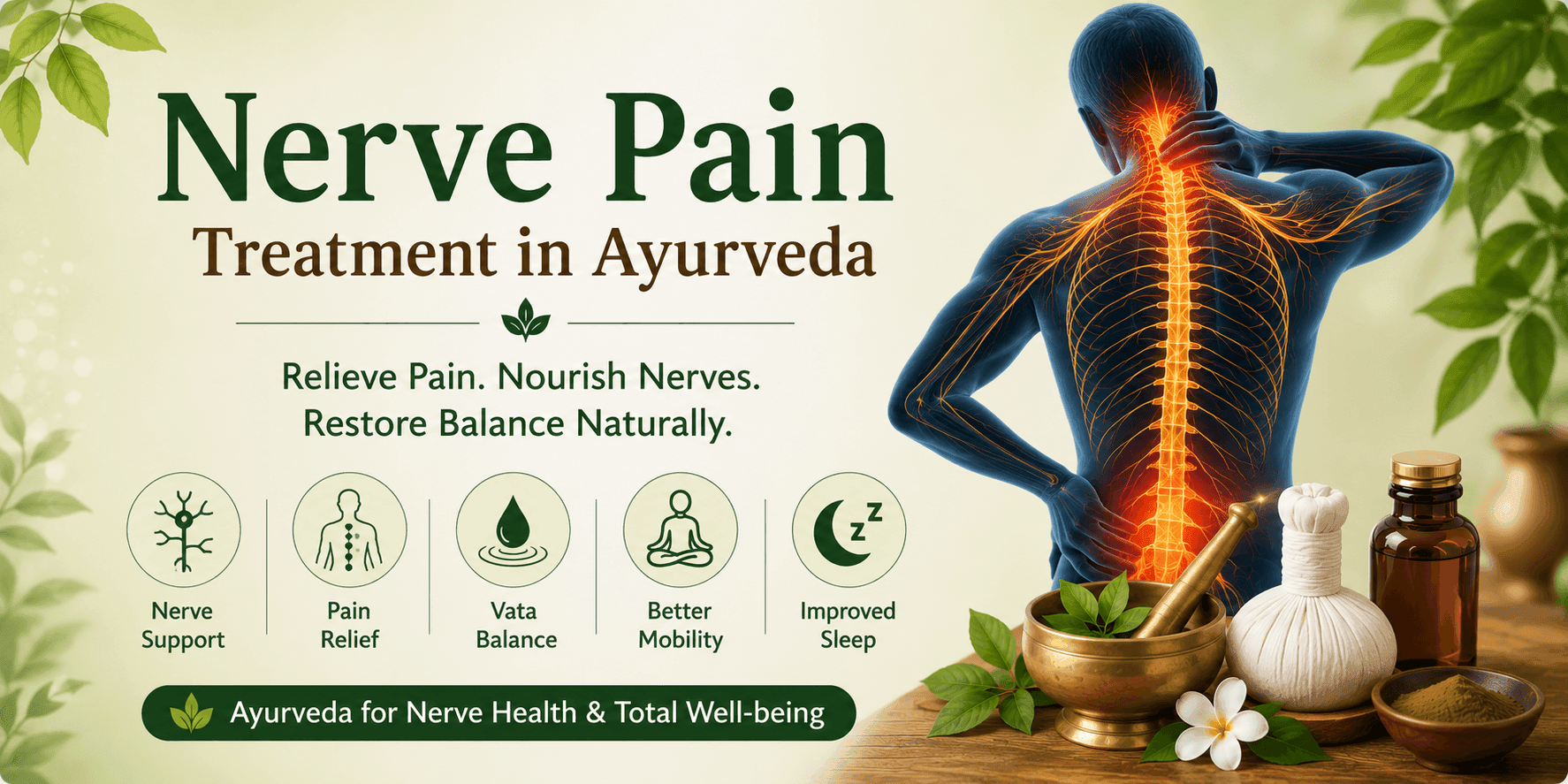
Nerve Pain Treatment in Ayurveda
Experience holistic Ayurvedic approach to restoring natural vitality.
Request an Appointment
Table of Contents
Need personalized advice?
Quick Answer
Nerve pain, also called neuropathic pain, occurs when nerves become damaged, compressed, irritated, or dysfunctional. Common symptoms include burning sensations, tingling, numbness, electric shock-like pain, weakness, and increased sensitivity. Diabetes, vitamin deficiencies, spinal disorders, injuries, infections, and autoimmune diseases are among the leading causes. In Ayurveda, many nerve disorders are associated with aggravated Vata Dosha. Ayurvedic treatment may include Panchakarma therapies, herbal medicines, dietary modifications, physiotherapy, and lifestyle correction under the supervision of qualified healthcare professionals.
Nerve Pain: Quick Facts
What is nerve pain?
Nerve pain is a type of chronic pain that originates from injury or dysfunction of the nervous system rather than damage to muscles, joints, or skin. Unlike ordinary pain, nerve pain often feels like burning, stabbing, shooting, electric shocks, or pins-and-needles sensations.
The nervous system consists of the brain, spinal cord, and a network of nerves that carry signals throughout the body. When these nerves are damaged or irritated, abnormal pain signals may be sent to the brain even without a physical injury.
Nerve pain can affect:
- Hands and fingers
- Feet and toes
- Legs
- Arms
- Face
- Neck
- Back
- Internal organs
Early diagnosis is important because untreated nerve damage may worsen over time and affect mobility, sensation, and quality of life.
Understanding How the Nervous System Works
The nervous system controls movement, sensation, memory, balance, and organ function.
The CNS includes:
- Brain
- Spinal cord
These structures process information and coordinate body functions.
Peripheral Nervous System (PNS)
The peripheral nervous system consists of nerves extending from the brain and spinal cord to the rest of the body.
Damage to any of these nerves may result in neuropathic pain.
Regulate involuntary functions such as digestion, heart rate, and blood pressure
Damage to any of these nerves may result in neuropathic pain.
Peripheral Neuropathy
Peripheral neuropathy affects nerves outside the brain and spinal cord. It commonly causes tingling, numbness, burning sensations, and weakness.
Diabetic Neuropathy
Long-standing diabetes can damage nerves due to prolonged elevated blood sugar levels.
Common symptoms include:
- Burning feet
- Numbness
- Foot pain
- Balance problems
Sciatica
Sciatica occurs when the sciatic nerve becomes compressed or irritated, often due to a herniated disc or spinal degeneration.
Symptoms include:
- Lower back pain
- Pain radiating down the leg
- Tingling
- Weakness
Trigeminal Neuralgia
This condition causes severe facial pain due to irritation of the trigeminal nerve.
Post-Herpetic Neuralgia
Persistent nerve pain may continue after recovery from shingles.
Cervical Radiculopathy
Compression of nerves in the neck region may lead to pain radiating into the shoulders and arms.
Lumbar Radiculopathy
Compression of nerves in the lower spine can produce leg pain, numbness, and weakness.
Entrapment Neuropathies
Examples include:
- Carpal Tunnel Syndrome
- Cubital Tunnel Syndrome
- Tarsal Tunnel Syndrome
Causes of Nerve Pain
Several medical conditions can damage nerves.
Diabetes Mellitus
Diabetes is one of the most common causes of neuropathy worldwide.
High blood sugar damages blood vessels supplying nerves, leading to gradual nerve degeneration.
Vitamin Deficiencies
Deficiencies of:
- Vitamin B12
- Vitamin B6
- Vitamin E
- Folate
may impair nerve function.
Spinal Disorders
Conditions such as:
- Herniated discs
- Spinal stenosis
- Degenerative disc disease
can compress nerves.
Physical Injury
Trauma, accidents, surgeries, and fractures may directly damage nerves.
Autoimmune Diseases
Examples include:
- Rheumatoid arthritis
- Lupus
- Multiple sclerosis
Infections
Certain infections can affect nerves:
- Shingles
- HIV
- Lyme disease
- Hepatitis
Alcohol Abuse
Excessive alcohol consumption can lead to alcoholic neuropathy.
Medication Side Effects
Some chemotherapy drugs and medications may contribute to nerve damage.
Chronic Kidney Disease
Accumulation of toxins in advanced kidney disease can affect nerve function.
Risk Factors for Nerve Damage
You may have a higher risk if you have:
- Diabetes
- Obesity
- Smoking habits
- Alcohol dependence
- Vitamin deficiencies
- Sedentary lifestyle
- Family history of neuropathy
- Autoimmune disorders
- Chronic infections
- Advanced age
Symptoms of Nerve Pain
Symptoms vary depending on which nerves are affected.
Sensory Symptoms
- Burning pain
- Tingling sensations
- Pins and needles
- Numbness
- Electric shock sensations
- Increased sensitivity to touch
- Reduced sensation
Motor Symptoms
- Muscle weakness
- Difficulty lifting objects
- Poor coordination
- Muscle wasting
- Balance disturbances
Autonomic Symptoms
- Excessive sweating
- Digestive disturbances
- Blood pressure fluctuations
- Bladder dysfunction
- Sexual dysfunction
Early Warning Signs of Nerve Damage
Many people ignore early symptoms.
Watch for:
- Occasional numbness
- Burning feet at night
- Mild tingling
- Reduced grip strength
- Difficulty maintaining balance
- Foot discomfort while walking
Early treatment may help prevent progression.
Consult a healthcare professional if you experience:
- Persistent numbness
- Progressive weakness
- Severe burning pain
- Recurrent falls
- Loss of coordination
Seek emergency medical care if symptoms occur with:
- Sudden paralysis
- Stroke symptoms
- Loss of bladder control
- Sudden facial weakness
- Difficulty speaking
How Nerve Pain Is Diagnosed
A thorough evaluation is required to identify the cause.
Medical History
Your physician may ask about:
- Symptoms
- Diabetes history
- Alcohol intake
- Previous injuries
- Medications
Physical Examination
Assessment includes:
- Reflexes
- Sensation
- Muscle strength
- Coordination
- Gait analysis
Diagnostic Tests
Red Flag Symptoms That Need Immediate Medical Attention
Although many causes of nerve pain are not medical emergencies, some neurological symptoms require urgent evaluation.
Seek Immediate Medical Care If You Experience:
- Sudden paralysis of an arm or leg
- Facial drooping
- Slurred speech
- Sudden loss of vision
- Severe unexplained headache
- Loss of bladder or bowel control
- Difficulty walking suddenly
- Sudden numbness affecting one side of the body
- Loss of consciousness
- Rapidly worsening weakness
These symptoms may indicate serious conditions such as stroke, spinal cord compression, or acute neurological disorders requiring emergency treatment.
Ayurvedic Understanding of Nerve Pain
According to Ayurveda, nerve-related disorders are primarily associated with disturbances in Vata Dosha, which governs:
- Movement
- Sensation
- Neural communication
- Musculoskeletal coordination
When Vata becomes aggravated due to aging, stress, improper diet, trauma, excessive exertion, or chronic illness, neurological symptoms may develop.
Nerve Pain: Ayurveda vs Modern Medicine
Many patients benefit from an integrated approach combining appropriate modern medical evaluation with personalized Ayurvedic care under qualified healthcare professionals.
Cause-based treatment protocols
Many patients benefit from an integrated approach combining appropriate modern medical evaluation with personalized Ayurvedic care under qualified healthcare professionals
Ayurvedic Perspective on Nerve Disorders
Several Ayurvedic conditions resemble neuropathic disorders.
Vata Vyadhi
A broad category of disorders caused by aggravated Vata.
Gridhrasi
Comparable to sciatica.
Pakshaghata
Comparable to paralysis affecting one side of the body.
Ekanga Vata
Localized neurological dysfunction.
Sarvanga Vata
Generalized Vata disorders affecting multiple body regions.
Dosha Involvement in Nerve Pain
Most chronic nerve disorders involve Vata predominance.
Ayurvedic Treatment for Nerve Pain
Treatment Goals
Ayurvedic management focuses on:
- Balancing Vata Dosha
- Supporting nerve nourishment
- Improving circulation
- Reducing stiffness
- Enhancing mobility
- Improving quality of life
Treatment plans are individualized based on:
- Age
- Cause
- Severity
- Dosha assessment
- Existing medical conditions
Panchakarma Therapies for Nerve Pain
Panchakarma therapies are often used as part of comprehensive Ayurvedic management.
Abhyanga
Full-body oil massage using medicated oils.
Potential benefits:
- Supports circulation
- Promotes relaxation
- Helps manage Vata imbalance
Kati Basti
Warm medicated oil pooling over the lower back.
Often recommended for:
- Sciatica
- Lumbar radiculopathy
- Lower back nerve compression
Greeva Basti
Applied around the cervical spine.
May be used in:
- Cervical spondylosis
- Neck-related nerve compression
Pizhichil
A therapy involving continuous pouring of warm medicated oil.
Patra Pinda Sweda
Herbal fomentation used for pain and stiffness.
Shashtika Shali Pinda Sweda
Nourishing therapy traditionally used in neurological weakness.
Basti Therapy
Basti is considered one of the most important treatments for Vata disorders in Ayurveda.
It may be recommended under physician supervision for selected neurological conditions.
Nasya
Administration of medicated preparations through the nasal route.
Sometimes utilized in head and neck disorders.
Ayurvedic Herbs Traditionally Used for Nerve Support
Important: Herbs should only be taken under the supervision of qualified Ayurvedic physicians.
Ashwagandha
Traditionally used for strength, vitality, and nervous system support.
Brahmi
Used in Ayurveda to support cognitive and neurological functions.
Bala
Traditionally utilized in Vata disorders.
Guduchi
Known for its immunomodulatory and rejuvenative properties.
Shankhapushpi
Traditionally used to support mental and neurological health.
Nirgundi
Often used in pain management protocols.
Yashtimadhu
Traditionally used in various inflammatory conditions.
Common Conditions Associated With Nerve Pain
Nerve pain can occur as part of several neurological and musculoskeletal disorders.
Common Conditions Include:
Depending on individual assessment, physicians may recommend:
- Yogaraja Guggulu
- Mahayogaraja Guggulu
- Dashamoola preparations
- Ashwagandharishta
- Bala formulations
- Medicated oils
Selection varies according to diagnosis and patient constitution.
Diet Plan for Nerve Pain Patients
Nutrition plays an important role in nerve health.
Foods to Include
Foods to Limit
Lifestyle Recommendations
Healthy lifestyle practices support overall neurological function.
Recommended Habits
- Maintain regular sleep patterns
- Practice stress management
- Stay physically active
- Avoid smoking
- Control diabetes
- Maintain healthy weight
- Stay hydrated
Yoga for Nerve Health
Gentle yoga may improve flexibility, circulation, and balance.
Commonly Recommended Asanas
- Tadasana
- Bhujangasana
- Makarasana
- Setu Bandhasana
- Vajrasana
- Shavasana
Practice under expert guidance, especially if mobility is limited.
Modern Medical Treatment for Nerve Pain
Treatment depends on the underlying cause.
Blood Sugar Control
Essential in diabetic neuropathy.
Vitamin Supplementation
Used when deficiencies are identified.
Physical Therapy
Improves strength and mobility.
Physicians may prescribe medications such as:
- Gabapentin
- Pregabalin
- Duloxetine
- Amitriptyline
Use only under medical supervision.
Untreated nerve disorders may result in:
- Chronic pain
- Mobility limitations
- Recurrent falls
- Muscle weakness
- Foot ulcers
- Reduced quality of life
Early intervention can help reduce complications.
Recovery varies significantly depending on:
- Cause of nerve damage
- Severity
- Duration
- Age
- Treatment compliance
Some nerve injuries improve gradually over months, while chronic neuropathies may require long-term management.
Practical Prevention Tips
- Control diabetes effectively
- Maintain healthy body weight
- Exercise regularly
- Avoid excessive alcohol intake
- Stop smoking
- Correct nutritional deficiencies
- Manage chronic diseases
- Protect against repetitive strain injuries
Frequently Asked Questions
The most appropriate Ayurvedic treatment depends on the underlying cause, severity, and dosha imbalance. Panchakarma therapies, dietary changes, lifestyle correction, and physician-guided herbal formulations may be recommended.
Some nerve injuries may improve naturally if the underlying cause is identified and treated early. Recovery varies from person to person.
Vitamin B12 deficiency is among the most common nutritional causes of neuropathy.
Yes. Long-term uncontrolled diabetes can damage peripheral nerves and lead to diabetic neuropathy.
Nerve pain may last weeks, months, or years depending on the cause and effectiveness of treatment.
Regular walking may help improve circulation, muscle strength, balance, and overall mobility when performed safely.
Chronic stress may increase pain sensitivity and aggravate symptoms in some individuals.
Yes. The risk of neuropathy increases with age due to cumulative nerve degeneration and chronic health conditions.
Obesity is associated with inflammation, diabetes, and metabolic disorders that may increase the risk of nerve damage.
Excess sugar, alcohol, highly processed foods, and trans-fat-rich foods are generally discouraged.
Diabetes is among the most common causes of neuropathy worldwide.
Ayurveda may help support nerve health through individualized therapies, Panchakarma, dietary measures, and lifestyle modifications under physician supervision.
Vata Dosha is most commonly associated with neurological conditions.
Yes. Vitamin B12 deficiency is a well-recognized cause of neuropathy.
Some forms of nerve damage may improve when the underlying cause is identified and treated early.
Foods rich in vitamins, minerals, healthy fats, and protein support nerve function.
Appropriate exercise and physiotherapy can improve strength, circulation, and mobility.
Recovery depends on the cause and severity. Some patients improve within weeks to months, while others require long-term management.
Medical Disclaimer
This content is for educational purposes only and should not be considered medical advice. Always consult a qualified Ayurvedic doctor before undergoing any treatments.
Specialists

Dr. Srilakshmi
Bangalore
Panchakarma & Detoxification Therapies, Women’s Health & Gynaecological Disorders, Infertility & Reproductive Health, Skin Disorders & Ayurvedic Cosmetology, Hair & Scalp Disorders, Weight Management & Metabolic Disorders, Diabetes & Lifestyle Disorders, Bone, Joint & Musculoskeletal Disorders, Ayurvedic Proctology, Ayurvedic Surgery & Kshara Sutra, ENT & Head-Neck Disorders, Digestive & Gastrointestinal Disorders, Neurological Disorders, Stress, Anxiety & Sleep Disorders, Chronic Health Conditions, Ayurvedic Diet & Nutrition

Dr.Sumana Patavardhan.K.S.
Bangalore
Panchakarma & Detoxification Therapies, Women’s Health & Gynaecological Disorders, Infertility & Reproductive Health, Skin Disorders & Ayurvedic Cosmetology, Hair & Scalp Disorders, Weight Management & Metabolic Disorders, Diabetes & Lifestyle Disorders, Bone, Joint & Musculoskeletal Disorders, Ayurvedic Proctology, Ayurvedic Surgery & Kshara Sutra, ENT & Head-Neck Disorders, Digestive & Gastrointestinal Disorders, Neurological Disorders, Stress, Anxiety & Sleep Disorders, Chronic Health Conditions, Ayurvedic Diet & Nutrition