
Neuropathy Treatment in Ayurveda
Experience holistic Ayurvedic approach to restoring natural vitality.
Request an Appointment
Table of Contents
Need personalized advice?
Introduction
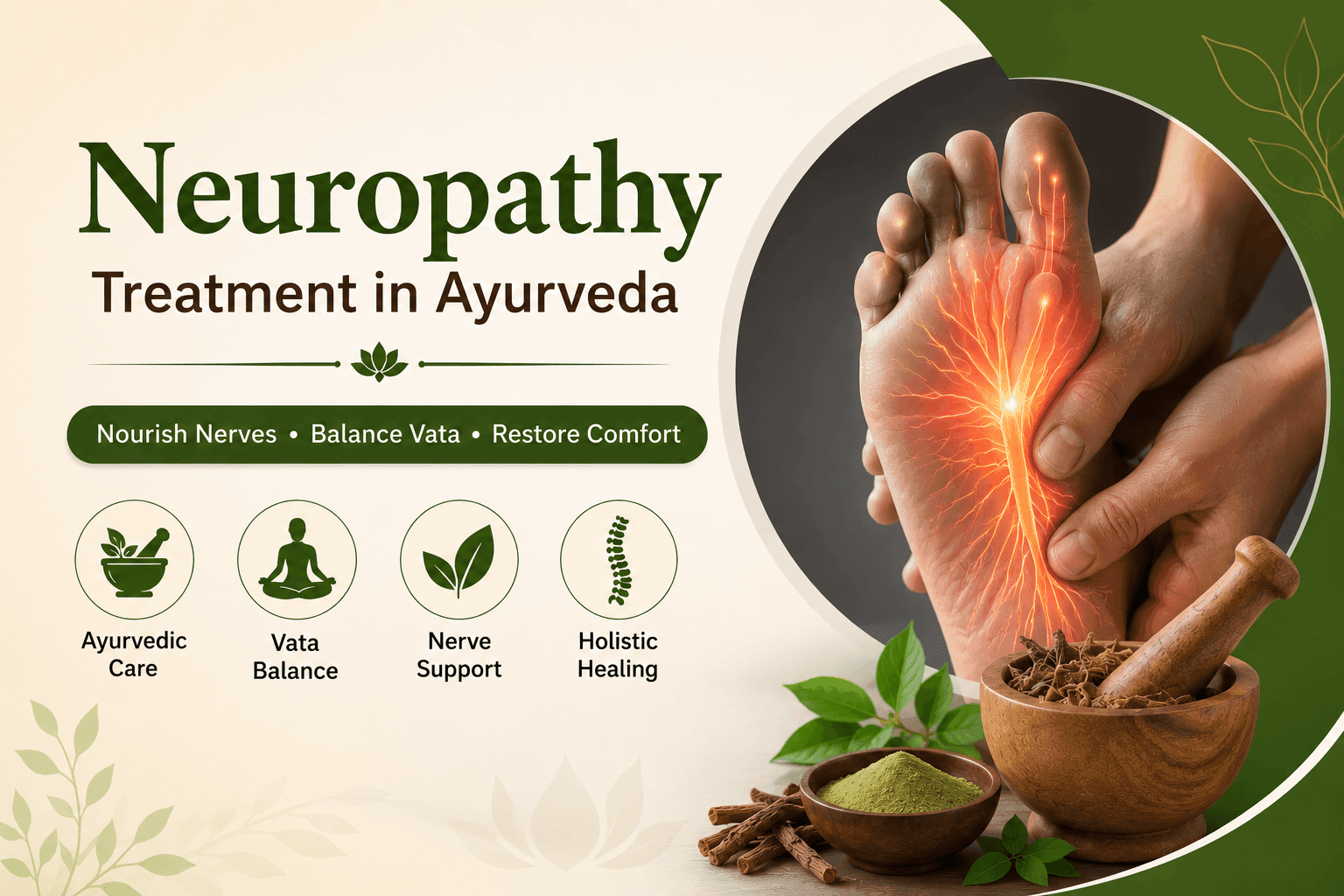
Neuropathy, also known as peripheral neuropathy, refers to damage or dysfunction of the nerves that carry signals between the brain, spinal cord, and other parts of the body. It can affect sensation, movement, balance, and autonomic functions, leading to symptoms such as numbness, tingling, burning sensations, weakness, pain, and reduced coordination.
Neuropathy may occur due to diabetes, nutritional deficiencies, autoimmune disorders, infections, injuries, medications, alcohol misuse, or other underlying health conditions. Because neuropathy can significantly impact daily activities and quality of life, early diagnosis and comprehensive management are important.
Many individuals explore neuropathy treatment in Ayurveda as a complementary approach to support nerve health, improve overall wellbeing, manage symptoms, and address lifestyle factors that may contribute to nerve dysfunction.
At Adyant Ayurveda, neuropathy management protocols are personalized based on an individual's body constitution (Prakriti), dosha imbalance, medical history, lifestyle factors, digestive health, and underlying causes.
This article explains:
- What neuropathy is
- Common causes and symptoms
- How Ayurveda understands nerve disorders
- Ayurvedic treatment approaches
- Panchakarma therapies for nerve health
- Adyant Ayurveda treatment protocol
- Diet and lifestyle recommendations
- Scientific evidence and limitations
- When medical evaluation is necessary
Important Medical Disclaimer: Neuropathy can result from serious medical conditions such as diabetes, vitamin deficiencies, autoimmune disorders, or neurological diseases. Ayurvedic treatment should complement—not replace—appropriate medical diagnosis, investigations, and treatment. Always consult a qualified healthcare professional for persistent nerve-related symptoms.
Quick Answer: Can Ayurveda Help in Neuropathy?
Neuropathy treatment in Ayurveda focuses on supporting nerve health, balancing aggravated doshas (primarily Vata), improving circulation, supporting metabolic health, promoting tissue nourishment, managing stress, and integrating personalized herbal support, Panchakarma therapies, dietary modifications, and lifestyle interventions under professional supervision.
Key Highlights
- Ayurveda considers many neuropathic symptoms primarily related to Vata imbalance
- Treatment plans are individualized based on the patient's constitution and health status
- Panchakarma therapies may be recommended in selected cases
- Dietary and lifestyle modifications play an important role
- Underlying medical conditions such as diabetes require ongoing medical care
- Regular monitoring and multidisciplinary management may be necessary
What Is Neuropathy?
Neuropathy refers to damage or dysfunction of one or more nerves, affecting communication between the nervous system and the body.
Depending on the nerves involved, neuropathy may affect:
- Sensation
- Muscle strength
- Balance
- Coordination
- Internal organ function
Symptoms may range from mild discomfort to significant functional limitations.
Peripheral Neuropathy
Affects nerves outside the brain and spinal cord.
Diabetic Neuropathy
A common complication of diabetes affecting peripheral nerves.
Autonomic Neuropathy
Affects nerves controlling involuntary body functions such as blood pressure, digestion, and bladder function.
Motor Neuropathy
Primarily affects muscle movement and strength.
Sensory Neuropathy
Affects sensation, causing numbness, tingling, burning, or altered sensitivity.
Symptoms of Neuropathy
Symptoms vary depending on the nerves affected.
Common Symptoms
- Numbness
- Tingling sensations
- Burning sensations
- Sharp or shooting pain
- Muscle weakness
- Reduced sensation
Moderate Symptoms
- Balance difficulties
- Reduced coordination
- Muscle cramps
- Difficulty walking
Advanced Symptoms
- Significant weakness
- Loss of sensation
- Foot ulcers in diabetic patients
- Functional impairment
Early symptoms may include:
- Occasional tingling in hands or feet
- Mild numbness
- Increased sensitivity to touch
- Burning sensations
- Reduced grip strength
Early diagnosis may improve management outcomes.
Diabetes
One of the most common causes of peripheral neuropathy.
Especially deficiencies involving:
- Vitamin B12
- Vitamin B6
- Folate
Autoimmune Conditions
Certain autoimmune diseases may affect nerve function.
Infections
Some viral and bacterial infections can contribute to neuropathy.
Alcohol Misuse
Long-term excessive alcohol use may damage nerves.
Medications
Certain medications may contribute to nerve-related side effects.
Trauma or Injury
Physical injury can affect nerve function.
Risk Factors
- Diabetes
- Obesity
- Poor blood sugar control
- Nutritional deficiencies
- Smoking
- Excess alcohol use
- Autoimmune disorders
- Advanced age
If left unmanaged, neuropathy may contribute to:
- Chronic pain
- Reduced mobility
- Falls and injuries
- Foot complications
- Muscle weakness
- Reduced quality of life
Prompt medical evaluation is important.
Medical Evaluation
- Medical history
- Neurological examination
Laboratory Testing
- Blood sugar testing
- Vitamin level assessment
- Thyroid function testing
Specialized Testing
- Nerve conduction studies
- Electromyography (EMG)
- Imaging when necessary
The treatment approach depends on the underlying cause.
Treatment may include:
- Managing underlying causes
- Blood sugar control
- Nutritional correction
- Physical therapy
- Pain management medications
- Lifestyle modifications
Management plans are individualized.
How Ayurveda Understands Neuropathy
Although modern neuropathy is not described using the same terminology in classical Ayurvedic texts, many neuropathic symptoms are understood through conditions involving aggravated Vata Dosha.
According to Ayurvedic principles:
- Vata governs nerve impulses and movement
- Tissue depletion may affect nerve nourishment
- Circulatory and metabolic imbalance may contribute to symptoms
Most commonly associated with:
- Numbness
- Tingling
- Pain
- Weakness
- Movement disturbances
Pitta Dosha
May contribute to burning sensations and inflammatory presentations.
Kapha Dosha
May contribute to heaviness, sluggishness, or reduced circulation.
Ayurvedic management aims to support:
- Nerve nourishment
- Circulatory wellness
- Tissue health
- Metabolic balance
- Stress reduction
- Overall wellbeing
Treatment is personalized based on the individual's health status and underlying cause.
Every patient undergoes:
- Prakriti assessment
- Dosha evaluation
- Medical history review
- Lifestyle analysis
- Digestive assessment
- Sleep assessment
- Stress evaluation
Special attention is given to:
- Diabetes
- Nutritional deficiencies
- Lifestyle factors
- Existing medical conditions
- Medication history
Protocols may include Ayurvedic formulations traditionally used for:
- Nervous system support
- Vata balance
- Tissue nourishment
- General vitality
- Stress management
Selected therapies may be recommended according to:
- Symptom severity
- Age
- Constitution
- Underlying conditions
- Functional status
Patients receive guidance regarding:
- Physical activity
- Sleep quality
- Stress management
- Nutrition
- Daily routine adjustments
Follow-up plans focus on:
- Monitoring symptoms
- Supporting function
- Lifestyle adherence
- Wellness maintenance
Panchakarma Therapies for Neuropathy
Therapies are individualized and performed under professional supervision.
Abhyanga
Therapeutic oil massage traditionally used to support Vata balance and relaxation.
Pizhichil
Warm oil therapy traditionally used in selected neuromuscular wellness programs.
Shirodhara
Used for relaxation and stress management.
Basti
Traditionally considered one of the primary therapies for Vata-related disorders.
Njavarakizhi
May be used in selected cases to support tissue nourishment and wellbeing.
Ayurvedic Herbs Traditionally Used for Nerve Health
Herbal therapies should only be prescribed by qualified Ayurvedic practitioners.
Foods to Include
- Fresh vegetables
- Whole grains
- Healthy fats
- Protein-rich foods
- Nuts and seeds
- Adequate hydration
Foods to Limit
- Highly processed foods
- Excess sugar
- Excess alcohol
- Smoking and tobacco use
- Deep-fried foods
Patients with diabetes should follow individualized dietary guidance.
Helpful Habits
- Maintain healthy blood sugar levels
- Stay physically active
- Get adequate sleep
- Avoid smoking
- Manage stress
- Follow regular meal timings
Yoga and Rehabilitation Support
Appropriate movement and rehabilitation may support overall wellbeing.
Recommended Practices
- Gentle yoga
- Stretching exercises
- Balance training
- Walking
- Guided breathing exercises
Activities should be tailored to individual abilities and medical conditions.
Response timelines vary depending on:
- Cause of neuropathy
- Severity
- Duration of symptoms
- Existing medical conditions
- Lifestyle adherence
- Individual response to treatment
Neuropathy often requires long-term management.
Scientific Research and Evidence
Research suggests that lifestyle interventions, stress management, physical rehabilitation, and certain traditional Ayurvedic therapies may support overall wellbeing in individuals with neuropathic symptoms.
However:
- More large-scale clinical studies are needed
- Evidence varies depending on the therapy and condition
- Ayurvedic treatment should complement evidence-based medical care
Potential Benefits
- Personalized care approach
- Focus on root-cause lifestyle factors
- Stress management support
- Holistic wellness strategies
- Long-term health optimization
Limitations
- Results vary among individuals
- Severe neuropathy requires medical care
- Underlying diseases must be treated appropriately
- Complete symptom resolution cannot be guaranteed
Seek urgent medical evaluation if you experience:
- Sudden weakness
- Rapidly worsening numbness
- Difficulty walking
- Loss of bladder or bowel control
- Severe pain
- Sudden neurological symptoms
These symptoms may indicate serious neurological conditions requiring urgent care.
Frequently Asked Questions
Ayurveda does not claim guaranteed or permanent cures. Treatment focuses on supporting nerve health, improving quality of life, addressing contributing factors, and promoting overall wellbeing.
Neuropathic symptoms are most commonly associated with aggravated Vata Dosha according to Ayurvedic principles.
Ayurveda may be used as a complementary approach alongside proper diabetes management and medical supervision.
Selected Panchakarma therapies may be recommended in appropriate individuals under professional supervision.
Ayurvedic medicines should only be used under guidance from qualified practitioners and with awareness of potential interactions with prescribed medications.
At Adyant Ayurveda, we combine traditional Ayurvedic principles with modern health awareness to develop personalized nerve health support programs.
Medical Disclaimer
This content is for educational purposes only and should not be considered medical advice. Always consult a qualified Ayurvedic doctor before undergoing any treatments.
Specialists

Dr. Srilakshmi
Bangalore
Panchakarma & Detoxification Therapies, Women’s Health & Gynaecological Disorders, Infertility & Reproductive Health, Skin Disorders & Ayurvedic Cosmetology, Hair & Scalp Disorders, Weight Management & Metabolic Disorders, Diabetes & Lifestyle Disorders, Bone, Joint & Musculoskeletal Disorders, Ayurvedic Proctology, Ayurvedic Surgery & Kshara Sutra, ENT & Head-Neck Disorders, Digestive & Gastrointestinal Disorders, Neurological Disorders, Stress, Anxiety & Sleep Disorders, Chronic Health Conditions, Ayurvedic Diet & Nutrition
Dr.Sumana Patavardhan.K.S.
Bangalore
Panchakarma & Detoxification Therapies, Women’s Health & Gynaecological Disorders, Infertility & Reproductive Health, Skin Disorders & Ayurvedic Cosmetology, Hair & Scalp Disorders, Weight Management & Metabolic Disorders, Diabetes & Lifestyle Disorders, Bone, Joint & Musculoskeletal Disorders, Ayurvedic Proctology, Ayurvedic Surgery & Kshara Sutra, ENT & Head-Neck Disorders, Digestive & Gastrointestinal Disorders, Neurological Disorders, Stress, Anxiety & Sleep Disorders, Chronic Health Conditions, Ayurvedic Diet & Nutrition