

Numbness and Tingling Treatment in Ayurveda
Experience holistic Ayurvedic approach to restoring natural vitality.
Request an Appointment
Table of Contents
Need personalized advice?
Quick Answer
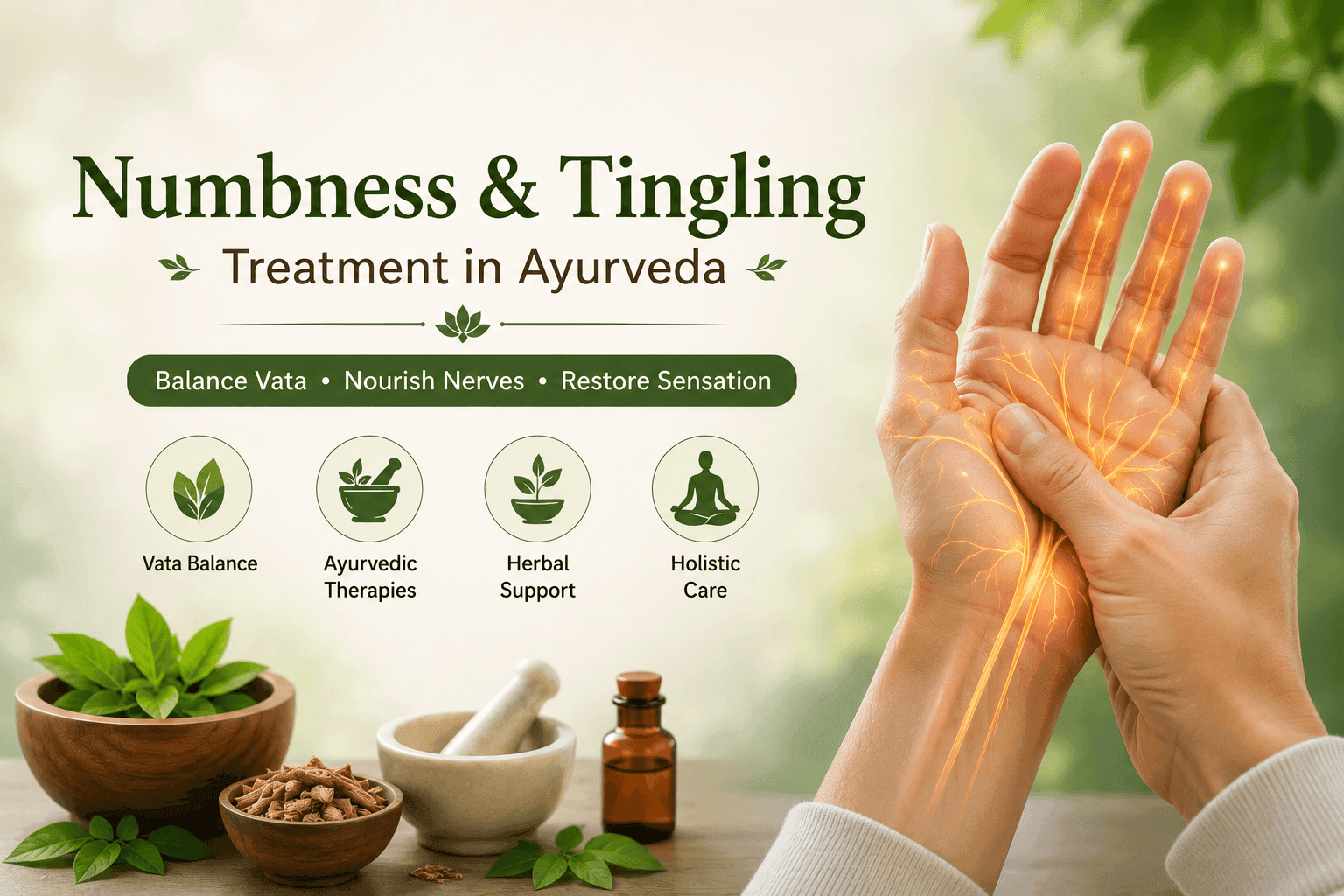
Numbness and tingling are abnormal sensations that may feel like pins and needles, burning, reduced sensation, or loss of feeling in different parts of the body. These symptoms can occur due to nerve compression, diabetes, vitamin deficiencies, poor circulation, spinal disorders, or neurological conditions. In Ayurveda, such symptoms are often associated with Supti and aggravated Vata Dosha. Ayurvedic treatment focuses on balancing Vata, improving circulation, nourishing nerve tissues, and supporting overall neurological health through diet, lifestyle changes, Panchakarma therapies, and physician-guided herbal formulations.
Symptoms at a Glance
What Are Numbness and Tingling?
Numbness refers to a partial or complete loss of sensation in a body part, while tingling is commonly described as a "pins and needles" sensation. These symptoms can occur temporarily, such as after sitting in one position for a long time, or they may indicate an underlying medical condition requiring evaluation.
Numbness and tingling can affect:
- Hands
- Fingers
- Arms
- Feet
- Legs
- Face
- Scalp
- Back
Although occasional symptoms may not be serious, persistent or worsening numbness should not be ignored.
The nervous system consists of:
- Brain
- Spinal cord
- Peripheral nerves
Nerves carry messages between the brain and different parts of the body. When these signals are disrupted due to injury, inflammation, compression, or disease, numbness and tingling can occur.
Healthy nerve function depends on:
- Adequate blood supply
- Proper nutrition
- Balanced metabolism
- Intact nerve pathways
Damage to any part of this system may lead to altered sensations.
Common symptoms include:
- Pins and needles sensation
- Burning feeling
- Reduced sensation
- Complete numbness
- Electric shock-like sensations
- Muscle weakness
- Difficulty gripping objects
- Loss of balance
- Reduced coordination
Some individuals may also experience:
- Neck pain
- Back pain
- Dizziness
- Fatigue
- Walking difficulties
- Tremors
The severity of symptoms depends on the underlying cause.
Examples:
- Sitting cross-legged
- Sleeping on the arm
- Temporary nerve compression
Examples:
- Diabetes
- Peripheral neuropathy
- Multiple sclerosis
- Cervical spondylosis
Progressive Numbness
Symptoms worsen gradually and require medical evaluation.
May indicate:
- Stroke
- Transient ischemic attack (TIA)
- Serious neurological emergency
Cervical Spondylosis
Degenerative changes in the neck can compress nerves and cause numbness in the arms, hands, and fingers.
Lumbar Disc Problems
A slipped disc or lumbar disc herniation may compress nerves supplying the legs and feet.
Carpal Tunnel Syndrome
Compression of the median nerve in the wrist commonly causes numbness and tingling in the thumb, index finger, and middle finger.
Sciatica
Pressure on the sciatic nerve can cause numbness, tingling, and pain radiating down the leg.
Diabetes
Diabetic neuropathy is one of the most common causes of numbness in the feet and legs.
Vitamin B12 Deficiency
Vitamin B12 is essential for nerve health. Deficiency may result in tingling, numbness, weakness, and balance problems.
Thyroid Disorders
Hypothyroidism may contribute to nerve dysfunction and altered sensation.
Several neurological conditions can produce numbness and tingling, including:
- Stroke
- Multiple sclerosis
- Parkinson's disease
- Peripheral neuropathy
- Nerve injuries
Poor blood circulation may reduce oxygen and nutrient supply to nerves, leading to:
- Tingling
- Numbness
- Cold extremities
Conditions such as peripheral artery disease may contribute to these symptoms.
Lifestyle-Related Causes
- Poor posture
- Prolonged sitting
- Repetitive strain injuries
- Excess alcohol consumption
- Smoking
- Chronic stress
- Lack of physical activity
The risk of developing numbness and tingling may increase with:
- Diabetes
- Obesity
- Advancing age
- Vitamin deficiencies
- Smoking
- Excess alcohol intake
- Sedentary lifestyle
- Spinal disorders
- Previous nerve injuries
Early management of these risk factors may help prevent complications.
Ayurvedic Perspective on Numbness and Tingling
In Ayurveda, numbness is often described under the concept of Supti, a condition characterized by loss or reduction of sensation.
Vata Dosha governs:
- Nerve impulses
- Movement
- Sensory perception
- Communication within the body
When Vata becomes aggravated, nerve function may become disturbed, resulting in symptoms such as:
- Tingling
- Numbness
- Tremors
- Weakness
- Pain
Majja Dhatu is associated with:
- Nervous system function
- Bone marrow
- Neurological nourishment
Depletion or dysfunction of Majja Dhatu may contribute to chronic neurological symptoms.
Common causes include:
- Excess consumption of dry foods
- Irregular eating habits
- Excess fasting
- Sleep deprivation
- Excess mental stress
- Aging-related Vata aggravation
- Physical exhaustion
Samprapti (Ayurvedic Pathogenesis)
According to Ayurvedic principles, aggravated Vata Dosha may affect Majja Dhatu and related Srotas, leading to impaired sensory perception and altered nerve function. Over time, tissue nourishment may become compromised, resulting in symptoms such as numbness, tingling, weakness, and reduced sensation
Assessment of:
- Sensation
- Muscle strength
- Reflexes
- Coordination
Common investigations include:
- Blood sugar levels
- Vitamin B12 levels
- Thyroid function tests
- Inflammatory markers
Nerve Conduction Studies
These tests evaluate nerve function and help identify neuropathy.
Depending on symptoms, doctors may recommend:
- MRI scan
- CT scan
- X-ray
Persistent numbness and tingling may sometimes indicate serious medical conditions such as:
- Stroke
- Multiple sclerosis
- Diabetes complications
- Peripheral neuropathy
- Spinal cord disorders
Seeking timely medical evaluation can help identify the cause and improve treatment outcomes.
Ayurvedic physicians may evaluate:
- Dosha imbalance
- Dhatu status
- Disease progression
- Digestive health
- Lifestyle factors
Assessment helps personalize treatment plans.
Numbness and Tingling Treatment in Ayurveda
Ayurvedic management aims to address the root cause while supporting healthy nerve function.
Treatment Principles
- Vata balancing
- Nourishment of nerve tissues
- Improved circulation
- Support for tissue repair
- Enhancement of overall well-being
Treatment plans vary according to the individual's condition and health status.
Abhyanga
A therapeutic oil massage that may help improve circulation and reduce Vata aggravation.
Potential Benefits
- Muscle relaxation
- Improved blood flow
- Better tissue nourishment
Pizhichil
Warm medicated oil therapy commonly used in Vata disorders.
Shirodhara
A continuous stream of medicated liquid is poured over the forehead.
May help:
- Promote relaxation
- Reduce stress
- Support nervous system balance
Patra Pinda Sweda
A specialized fomentation therapy using herbal leaves.
Njavarakizhi
A nourishing therapy involving medicated rice boluses.
Basti Therapy
Basti is considered one of the primary Ayurvedic treatments for Vata disorders.
According to Ayurvedic principles, properly administered Basti therapy may support systemic Vata balance.
Ashwagandha
Traditionally used to support strength, vitality, and nervous system function.
Bala
Commonly used in Ayurvedic formulations aimed at supporting muscle and nerve health.
Brahmi
Traditionally associated with cognitive and neurological support.
Guduchi
Known for its rejuvenating and immune-supportive properties.
Shankhapushpi
Traditionally used to support mental calmness and cognitive function.
Kapikacchu
Used in various Ayurvedic neurological formulations.
Important Note
Herbal remedies should only be used under the supervision of a qualified Ayurvedic physician.
Depending on the diagnosis, Ayurvedic physicians may consider formulations such as:
- Ashwagandharishta
- Yogaraja Guggulu
- Ksheerabala Taila
- Mahanarayana Taila
- Ekangveer Rasa
- Brihat Vata Chintamani Rasa
Important Disclaimer
The suitability of any medicine depends on an individual's condition, age, medical history, and other factors. Self-medication is not recommended.
Diet for Numbness and Tingling
Nutrition plays an important role in nerve health.
Foods to Include
Foods to Limit or Avoid
Yoga and Exercises for Nerve Health
Regular physical activity may support circulation, flexibility, and nerve function.
Recommended Yoga Practices
- Tadasana
- Bhujangasana
- Vajrasana
- Makarasana
- Setu Bandhasana
Anulom Vilom
May support relaxation and stress management.
Nadi Shodhana
Traditionally used to promote balance and calmness.
Bhramari
May help reduce mental stress and tension.
Safety Note
Individuals with severe neurological disorders should practice yoga under professional guidance.
Maintain Proper Posture
Good posture may reduce nerve compression.
Stay Physically Active
Regular movement supports circulation and musculoskeletal health.
Manage Stress
Stress may contribute to muscle tension and symptom perception.
Get Adequate Sleep
Quality sleep supports nervous system recovery.
Maintain Healthy Blood Sugar Levels
Particularly important for people with diabetes.
Common causes:
- Carpal tunnel syndrome
- Cervical spondylosis
- Peripheral neuropathy
Common causes:
- Diabetic neuropathy
- Vitamin deficiencies
- Circulatory disorders
Facial Numbness
May require prompt medical evaluation, especially if sudden.
Arm Numbness
Often associated with cervical spine issues or nerve compression.
Leg Numbness
May occur due to sciatica, spinal disorders, or neuropathy.
Seek urgent medical attention if numbness occurs with:
- Sudden weakness
- Facial drooping
- Speech difficulty
- Severe headache
- Loss of vision
- Loss of consciousness
- Loss of bladder or bowel control
- Symptoms suggestive of stroke
Emergency evaluation can be lifesaving.
Can Ayurveda Help in Peripheral Neuropathy?
Peripheral neuropathy refers to damage affecting peripheral nerves.
Ayurvedic management may focus on:
- Vata balancing
- Supporting circulation
- Promoting overall nerve nourishment
- Lifestyle and dietary correction
However, outcomes vary depending on:
- Cause of neuropathy
- Duration of symptoms
- Severity of nerve damage
- Individual health status
Integrated care involving qualified medical and Ayurvedic professionals is often beneficial.
What is the best treatment for numbness and tingling?
The most effective treatment depends on the underlying cause. Management may involve controlling diabetes, correcting vitamin deficiencies, treating nerve compression, improving circulation, and addressing neurological disorders. Ayurvedic treatment may support nerve health through Vata-balancing therapies, Panchakarma, dietary modifications, and lifestyle changes under professional supervision
You may reduce the risk of nerve-related symptoms by:
- Maintaining healthy blood sugar levels
- Correcting vitamin deficiencies
- Exercising regularly
- Following a balanced diet
- Avoiding tobacco
- Limiting alcohol intake
- Managing stress
- Attending regular health checkups
Expert Summary
Numbness and tingling are symptoms rather than diseases. They may result from nerve compression, diabetes, vitamin deficiencies, spinal disorders, circulatory problems, or neurological conditions. Early diagnosis is important because some causes require prompt medical treatment. Ayurveda views many nerve-related symptoms through the lens of Vata imbalance and Supti and may use individualized therapies, Panchakarma, dietary guidance, and lifestyle modifications to support nerve health. Persistent, progressive, or sudden symptoms should always be medically evaluated.
Frequently Asked Questions
Numbness in the hands and feet may result from nerve compression, diabetes, vitamin deficiencies, peripheral neuropathy, thyroid disorders, or circulation problems.
Sometimes. Persistent tingling can indicate nerve irritation or nerve damage, but temporary tingling may occur from pressure on a nerve.
Yes. Vitamin B12 deficiency is among the most common nutritional causes of numbness and tingling.
Anxiety and stress can sometimes contribute to tingling sensations, although medical causes should always be ruled out first.
Common causes include diabetes, nerve compression, vitamin B12 deficiency, spinal disorders, poor circulation, and peripheral neuropathy.
Ayurveda may support overall nerve health through individualized therapies, dietary modifications, lifestyle management, and physician-guided treatment plans.
No. Temporary numbness can occur from pressure on a nerve. Persistent symptoms may require medical evaluation to identify the underlying cause.
Vitamin B12 deficiency is a well-known cause of numbness, tingling, and nerve-related symptoms.
Yes. Diabetic neuropathy is one of the most common causes of numbness and tingling in the feet.
Supti is an Ayurvedic term often associated with reduced sensation, numbness, or altered sensory perception.
Basti therapy is traditionally regarded as one of the primary Panchakarma treatments for Vata-related disorders.
Seek medical attention if symptoms persist, worsen, recur frequently, or are associated with weakness, speech difficulty, facial drooping, or balance problems.
Stress and anxiety may contribute to tingling sensations in some individuals, although other medical causes should also be considered.
Recovery depends on the cause, severity of nerve involvement, treatment received, and individual health factors. Some cases improve within weeks, while others may require longer-term management.
Medical Disclaimer
This content is for educational purposes only and should not be considered medical advice. Always consult a qualified Ayurvedic doctor before undergoing any treatments.
Specialists

Dr. Srilakshmi
Bangalore
Panchakarma & Detoxification Therapies, Women’s Health & Gynaecological Disorders, Infertility & Reproductive Health, Skin Disorders & Ayurvedic Cosmetology, Hair & Scalp Disorders, Weight Management & Metabolic Disorders, Diabetes & Lifestyle Disorders, Bone, Joint & Musculoskeletal Disorders, Ayurvedic Proctology, Ayurvedic Surgery & Kshara Sutra, ENT & Head-Neck Disorders, Digestive & Gastrointestinal Disorders, Neurological Disorders, Stress, Anxiety & Sleep Disorders, Chronic Health Conditions, Ayurvedic Diet & Nutrition

Dr.Sumana Patavardhan.K.S.
Bangalore
Panchakarma & Detoxification Therapies, Women’s Health & Gynaecological Disorders, Infertility & Reproductive Health, Skin Disorders & Ayurvedic Cosmetology, Hair & Scalp Disorders, Weight Management & Metabolic Disorders, Diabetes & Lifestyle Disorders, Bone, Joint & Musculoskeletal Disorders, Ayurvedic Proctology, Ayurvedic Surgery & Kshara Sutra, ENT & Head-Neck Disorders, Digestive & Gastrointestinal Disorders, Neurological Disorders, Stress, Anxiety & Sleep Disorders, Chronic Health Conditions, Ayurvedic Diet & Nutrition