

Rhinitis Treatment in Ayurveda
Experience holistic Ayurvedic approach to restoring natural vitality.
Request an Appointment
Table of Contents
Need personalized advice?
Introduction
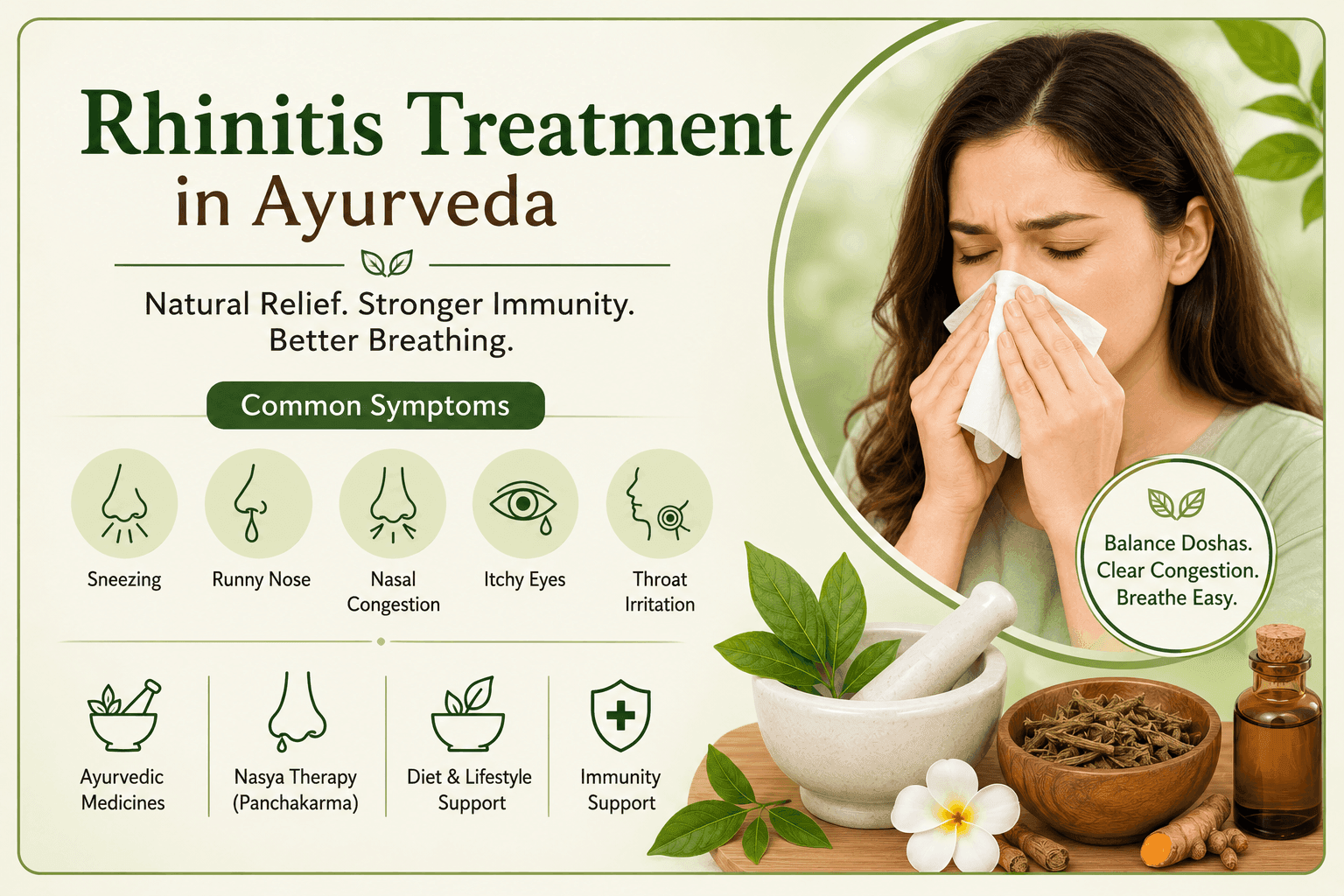
Rhinitis is a common condition characterized by inflammation of the nasal lining, resulting in symptoms such as sneezing, nasal congestion, runny nose, itching, and postnasal drip. It may occur due to allergies, infections, environmental irritants, or non-allergic triggers. Although rhinitis is not usually life-threatening, persistent symptoms can significantly affect sleep, concentration, work productivity, and overall quality of life.
Allergic rhinitis affects millions of people worldwide and often occurs alongside asthma, sinusitis, eczema, or other allergic conditions. Many individuals seek Rhinitis Treatment in Ayurveda because Ayurveda emphasizes identifying the root cause of recurring symptoms, improving immune balance, correcting digestion, and supporting long-term respiratory wellness through individualized treatment.
At Adyant Ayurveda, every patient receives a personalized treatment plan based on Ayurvedic principles, including dosha assessment, digestive health evaluation, lifestyle analysis, seasonal factors, and allergy triggers.
This guide explains:
- What rhinitis is
- Types and symptoms
- Causes and risk factors
- Ayurvedic understanding of rhinitis
- Adyant Ayurveda treatment protocol
- Panchakarma therapies
- Ayurvedic herbs traditionally used
- Diet and lifestyle recommendations
- Scientific evidence and limitations
- When to seek medical care
Quick Answer: Can Ayurveda Help Manage Rhinitis?
Ayurvedic treatment for rhinitis focuses on balancing aggravated Kapha and Vata doshas, improving digestive fire (Agni), reducing Ama (metabolic toxins), supporting immune function, minimizing allergic triggers, and promoting healthy respiratory function through personalized herbal medicines, Panchakarma therapies, dietary modifications, and lifestyle changes.
Key Highlights
- Individualized Ayurvedic treatment based on dosha imbalance
- Focus on identifying root causes rather than symptom suppression
- Supports immune and respiratory wellness
- Panchakarma therapies may help selected individuals
- Diet and seasonal routines play an important role
- Stress management may reduce symptom flare-ups
- Regular medical evaluation remains important for persistent symptoms
What Is Rhinitis?
Rhinitis is inflammation of the nasal mucosa causing excessive mucus production, sneezing, itching, nasal blockage, and postnasal drip.
It can be:
- Allergic
- Non-allergic
- Seasonal
- Perennial
- Infectious
Although often considered a minor illness, chronic rhinitis may significantly impair daily life.
Allergic Rhinitis
Triggered by allergens such as:
- Dust mites
- Pollen
- Mold
- Pet dander
Symptoms often worsen seasonally or after allergen exposure.
Non-Allergic Rhinitis
Occurs without allergy and may be triggered by:
- Weather changes
- Strong odors
- Smoke
- Pollution
- Hormonal changes
- Certain medications
Seasonal Rhinitis
Symptoms appear during specific seasons when pollen levels increase.
Perennial Rhinitis
Symptoms occur throughout the year due to continuous allergen exposure.
Symptoms of Rhinitis
Common symptoms include:
- Frequent sneezing
- Runny nose
- Nasal blockage
- Itchy nose
- Watery eyes
- Postnasal drip
- Throat irritation
- Reduced sense of smell
- Mild headache
- Fatigue due to poor sleep
Causes of Rhinitis
Rhinitis may develop due to multiple factors.
Allergens
- Dust
- Pollen
- Mold
- Animal dander
Environmental Factors
- Air pollution
- Cigarette smoke
- Chemical fumes
- Strong perfumes
Lifestyle Factors
- Poor sleep
- Chronic stress
- Weak immunity
- Seasonal changes
Medical Conditions
- Asthma
- Sinusitis
- Nasal polyps
- Viral infections
Risk Factors
Risk increases in individuals with:
- Family history of allergies
- Asthma
- Eczema
- Pollution exposure
- Smoking
- Occupational dust exposure
- Weak immune function
Possible Complications
Untreated rhinitis may contribute to:
- Chronic sinusitis
- Sleep disturbance
- Fatigue
- Ear infections
- Reduced concentration
- Poor quality of life
How Is Rhinitis Diagnosed?
Diagnosis may involve:
- Medical history
- Physical examination
- Allergy testing
- Nasal examination
- Blood tests in selected cases
- Imaging when chronic sinus disease is suspected
Conventional Treatment
Treatment depends on the underlying cause and may include:
- Antihistamines
- Nasal corticosteroid sprays
- Saline nasal irrigation
- Decongestants (short-term use)
- Allergy immunotherapy in selected cases
- Avoidance of known allergens
How Ayurveda Understands Rhinitis
In Ayurveda, rhinitis is commonly associated with Pratishyaya, a condition involving disturbance of the nasal passages due to dosha imbalance.
The condition is often linked with:
- Kapha aggravation causing mucus accumulation
- Vata imbalance affecting airflow and sneezing
- Weak digestive fire (Mandagni)
- Ama (metabolic toxin accumulation)
- Seasonal influences
Kapha Dosha
May contribute to:
- Nasal congestion
- Excess mucus
- Heaviness
Vata Dosha
May contribute to:
- Sneezing
- Dryness
- Nasal irritation
Pitta Dosha
In inflammatory conditions, Pitta may contribute to burning sensation and redness.
Rhinitis Treatment in Ayurveda
Ayurvedic management aims to:
- Balance aggravated doshas
- Improve digestion
- Reduce recurrent allergic tendencies
- Support respiratory health
- Strengthen overall immunity
- Improve quality of life
Treatment is individualized according to the patient's constitution and clinical presentation.
1. Comprehensive Ayurvedic Consultation
Our physicians evaluate:
- Prakriti (body constitution)
- Dosha imbalance
- Digestive health
- Allergy history
- Seasonal symptom pattern
- Lifestyle habits
- Sleep quality
- Stress levels
2. Personalized Herbal Medicines
Based on individual assessment, Ayurvedic formulations may be prescribed to support:
- Respiratory wellness
- Kapha balance
- Immune function
- Digestive health
- Allergy management
3. Panchakarma Planning
Selected patients may benefit from personalized Panchakarma therapies under medical supervision.
4. Diet and Lifestyle Counseling
Patients receive individualized guidance regarding:
- Foods to include and avoid
- Seasonal routines
- Sleep hygiene
- Stress reduction
- Allergen avoidance
5. Long-Term Maintenance
The goal is to reduce recurrence through:
- Continued dietary discipline
- Lifestyle optimization
- Seasonal preventive care
- Regular follow-up consultations
Panchakarma for Rhinitis
Therapies are selected according to the individual's constitution and health status.
Nasya
A classical Ayurvedic therapy involving medicated oils administered through the nostrils. Traditionally used to support nasal and sinus health.
Swedana
Mild therapeutic sweating may support respiratory comfort and Kapha balance.
Abhyanga
Herbal oil massage traditionally used for relaxation and Vata balance.
Dhoomapana
In selected cases, medicated herbal smoke therapy may be recommended under professional supervision.
Ayurvedic Herbs Traditionally Used for Rhinitis
Herb | Traditional Use | Wellness Support |
Tulsi | Respiratory wellness | Immune support |
Haridra (Turmeric) | Supports healthy inflammatory balance | General wellness |
Guduchi | Traditionally used to support immunity | Overall health |
Yashtimadhu | Traditionally used for throat comfort | Respiratory support |
Pippali | Supports respiratory wellness | Digestive support |
Note: Herbs should only be taken under the supervision of a qualified Ayurvedic practitioner.
Foods to Include
- Warm freshly cooked meals
- Seasonal vegetables
- Herbal teas
- Ginger
- Turmeric
- Warm water
- Easily digestible foods
Foods to Limit
- Cold beverages
- Ice cream
- Processed foods
- Excess dairy (if it worsens symptoms)
- Fried foods
- Smoking
- Alcohol
Lifestyle Modifications
Helpful habits include:
- Maintain regular sleep
- Reduce stress
- Exercise regularly
- Practice breathing exercises
- Avoid exposure to allergens
- Keep indoor air clean
- Stay hydrated
Yoga & Breathing Practices
Suitable practices may include:
- Anulom Vilom
- Bhramari Pranayama
- Gentle Yoga
- Meditation
- Walking
Exercises should be performed under appropriate guidance.
How Long Does Ayurvedic Treatment Take?
The duration depends on:
- Severity of symptoms
- Type of rhinitis
- Chronicity
- Lifestyle adherence
- Seasonal exposure
- Individual response
Regular follow-up is important for long-term management.
Scientific Research and Evidence
Research suggests that lifestyle modifications, allergen avoidance, nasal cleansing practices, stress reduction, and selected Ayurvedic herbs may support respiratory wellness and improve quality of life in individuals with allergic rhinitis.
However, larger high-quality clinical trials are needed to establish the effectiveness of specific Ayurvedic treatment protocols.
Ayurvedic care should be integrated with evidence-based medical management where appropriate.
Potential Benefits
- Personalized treatment approach
- Holistic respiratory care
- Lifestyle improvement
- Digestive health support
- Long-term wellness focus
Limitations
- Results vary between individuals
- Severe allergies may require conventional medication
- Emergency allergic reactions require immediate medical care
- Professional supervision is essential
When to Consult a Doctor Immediately
Seek urgent medical attention if you experience:
- Difficulty breathing
- Wheezing
- Swelling of the lips or throat
- High fever
- Persistent facial pain
- Vision changes
- Severe headache
These symptoms may indicate a serious medical condition requiring immediate treatment.
Medical Disclaimer: Persistent nasal symptoms may sometimes indicate asthma, chronic sinusitis, nasal polyps, infections, or other medical conditions. Ayurvedic treatment should complement appropriate medical evaluation. Individuals should not discontinue prescribed allergy medications or asthma treatment without consulting their healthcare provider.
Frequently Asked Questions
<p>Ayurveda does not claim guaranteed or permanent cures. Treatment focuses on reducing symptom recurrence, improving immune balance, correcting dosha imbalance, and supporting long-term respiratory wellness.</p>
<p>Rhinitis is commonly associated with Kapha and Vata imbalance, though Pitta may also contribute in inflammatory cases.</p>
<p>Selected Panchakarma therapies such as Nasya may be recommended after proper Ayurvedic evaluation.</p>
<p>Yes. According to Ayurveda, digestion and dietary habits may influence immune function and respiratory health.</p>
<p>When prescribed by qualified Ayurvedic physicians, herbs are generally selected based on individual constitution and medical history. Self-medication should be avoided.</p>
<p>At Adyant Ayurveda, we provide individualized care for rhinitis using authentic Ayurvedic principles combined with modern clinical understanding.</p><p>Our approach includes:</p><ul><li>Experienced Ayurvedic physicians</li><li>Personalized treatment protocols</li><li>Evidence-informed clinical practice</li><li>Panchakarma therapies when appropriate</li><li>Dietary and lifestyle counseling</li><li>Long-term follow-up care</li></ul><p>Our goal is to help patients improve respiratory wellness, reduce recurrence, and enhance overall quality of life through safe, holistic, and patient-centered care.</p>
Medical Disclaimer
This content is for educational purposes only and should not be considered medical advice. Always consult a qualified Ayurvedic doctor before undergoing any treatments.
Specialists

Dr. Srilakshmi
Bangalore
Panchakarma & Detoxification Therapies, Women’s Health & Gynaecological Disorders, Infertility & Reproductive Health, Skin Disorders & Ayurvedic Cosmetology, Hair & Scalp Disorders, Weight Management & Metabolic Disorders, Diabetes & Lifestyle Disorders, Bone, Joint & Musculoskeletal Disorders, Ayurvedic Proctology, Ayurvedic Surgery & Kshara Sutra, ENT & Head-Neck Disorders, Digestive & Gastrointestinal Disorders, Neurological Disorders, Stress, Anxiety & Sleep Disorders, Chronic Health Conditions, Ayurvedic Diet & Nutrition

Dr.Sumana Patavardhan.K.S.
Bangalore
Panchakarma & Detoxification Therapies, Women’s Health & Gynaecological Disorders, Infertility & Reproductive Health, Skin Disorders & Ayurvedic Cosmetology, Hair & Scalp Disorders, Weight Management & Metabolic Disorders, Diabetes & Lifestyle Disorders, Bone, Joint & Musculoskeletal Disorders, Ayurvedic Proctology, Ayurvedic Surgery & Kshara Sutra, ENT & Head-Neck Disorders, Digestive & Gastrointestinal Disorders, Neurological Disorders, Stress, Anxiety & Sleep Disorders, Chronic Health Conditions, Ayurvedic Diet & Nutrition