

Tinnitus Treatment in Ayurveda
Experience holistic Ayurvedic approach to restoring natural vitality.
Request an Appointment
Table of Contents
Need personalized advice?
Introduction
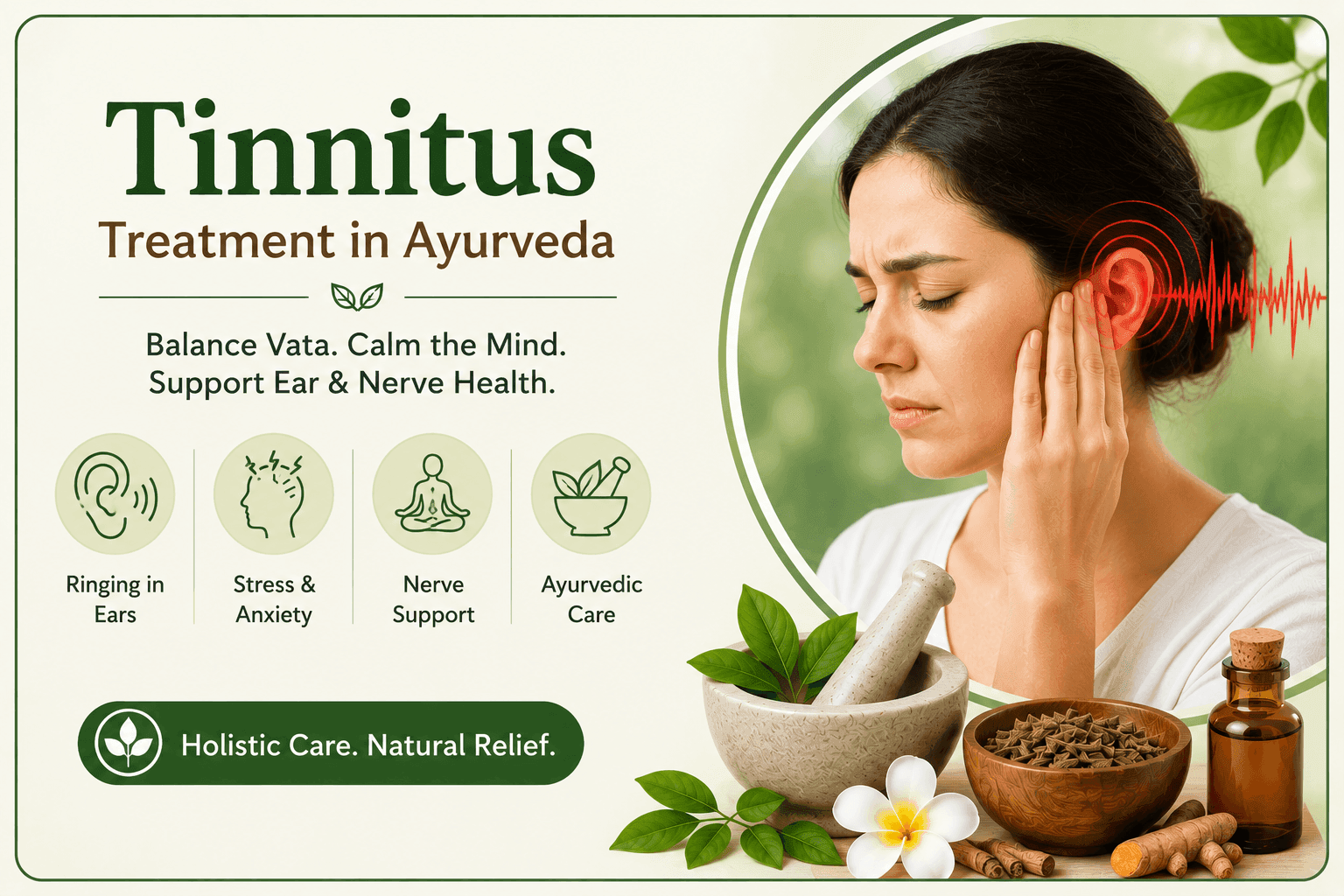
Tinnitus is the perception of sound in one or both ears without an external source. People with tinnitus often describe hearing ringing, buzzing, humming, whistling, clicking, roaring, or hissing sounds that may be constant or intermittent. While tinnitus itself is not a disease, it is usually a symptom of an underlying condition affecting the ear, hearing pathways, nervous system, or blood circulation.
For some individuals, tinnitus is mild and temporary, while for others it can interfere with sleep, concentration, work productivity, emotional wellbeing, and overall quality of life.
Many people explore Tinnitus Treatment in Ayurveda because Ayurveda focuses on identifying individual imbalances, supporting nervous system health, improving circulation, managing stress, promoting healthy aging, and restoring overall balance through personalized treatment plans.
At Adyant Ayurveda, every patient undergoes a comprehensive Ayurvedic assessment before designing an individualized treatment plan based on body constitution (Prakriti), dosha imbalance, medical history, hearing symptoms, digestion, lifestyle, stress levels, and associated health conditions.
This guide covers:
- What tinnitus is
- Common symptoms and causes
- Risk factors
- How Ayurveda understands tinnitus
- Ayurvedic treatment approaches
- Adyant Ayurveda treatment protocol
- Panchakarma therapies
- Diet and lifestyle recommendations
- Scientific evidence
- When to seek medical care
Quick Answer: Can Ayurveda Help with Tinnitus?
Ayurvedic management of tinnitus focuses on supporting overall ear health, balancing aggravated doshas (particularly Vata), improving nervous system function, managing stress, promoting healthy circulation, correcting digestive imbalances, and enhancing general wellbeing. Treatment is individualized and may include herbal formulations, Panchakarma therapies, dietary guidance, lifestyle modifications, and relaxation practices under professional supervision.
Ayurveda does not guarantee a permanent cure for tinnitus, as outcomes depend on the underlying cause, severity, duration of symptoms, age, hearing status, and overall health.
Key Highlights
- Personalized Ayurvedic assessment
- Focus on Vata balance and nervous system support
- Holistic lifestyle modification
- Panchakarma therapies in selected patients
- Stress management and sleep improvement
- Digestive health optimization
- Integrative approach alongside modern medical care
What Is Tinnitus?
Tinnitus is the sensation of hearing sound without an external source. The sound may occur in one ear, both ears, or feel as though it originates inside the head.
Common descriptions include:
- Ringing
- Buzzing
- Humming
- Whistling
- Clicking
- Roaring
- Pulsing
Symptoms may vary in loudness, pitch, and frequency.
Subjective Tinnitus
The most common form, heard only by the affected individual.
Objective Tinnitus
A rare form in which a healthcare provider may also detect the sound, often related to vascular or muscular conditions.
Pulsatile Tinnitus
Rhythmic sound synchronized with the heartbeat that requires prompt medical evaluation to rule out vascular causes.
Acute Tinnitus
Symptoms lasting less than six months.
Chronic Tinnitus
Symptoms persisting for more than six months.
Common Symptoms
People with tinnitus may experience:
- Ringing in the ears
- Buzzing sounds
- Humming
- Ear fullness
- Hearing difficulty
- Difficulty concentrating
- Sleep disturbances
- Anxiety or irritability
- Sensitivity to sound (hyperacusis)
Common Causes of Tinnitus
Tinnitus can develop due to various conditions, including:
Hearing Loss
Age-related hearing loss is among the most common causes.
Noise Exposure
Repeated exposure to loud music, machinery, or explosions may damage hearing structures.
Earwax Blockage
Excess earwax can contribute to temporary tinnitus.
Ear Infections
Inflammation or infection may trigger tinnitus symptoms.
Ménière's Disease
A disorder affecting the inner ear that may cause tinnitus, dizziness, and hearing changes.
Medication Side Effects
Certain medications may contribute to tinnitus in susceptible individuals.
Jaw Disorders (TMJ)
Temporomandibular joint dysfunction may influence ear symptoms.
Stress and Anxiety
Psychological stress often worsens the perception of tinnitus.
Risk Factors
Risk factors include:
- Aging
- Loud noise exposure
- Hearing loss
- Smoking
- High blood pressure
- Diabetes
- Chronic stress
- Certain medications
- Cardiovascular disease
Possible Impact on Quality of Life
Persistent tinnitus may affect:
- Sleep quality
- Mental wellbeing
- Productivity
- Communication
- Emotional health
- Social interactions
Early evaluation and appropriate management can improve quality of life.
How Is Tinnitus Diagnosed?
Diagnosis may involve:
- Medical history
- ENT examination
- Hearing assessment (Audiometry)
- Ear examination
- Imaging studies when indicated
- Blood investigations in selected cases
The treatment approach depends on the underlying cause.
Conventional Treatment Overview
Conventional management may include:
- Treating underlying ear disorders
- Hearing aids (when hearing loss is present)
- Sound therapy
- Cognitive Behavioral Therapy (CBT)
- Tinnitus retraining therapy
- Stress management
- Medication for associated anxiety or sleep problems where appropriate
Currently, there is no universally effective medication that eliminates tinnitus in every patient.
How Ayurveda Understands Tinnitus
In Ayurveda, tinnitus is commonly correlated with Karnanada, a condition described in classical Ayurvedic texts involving abnormal sounds perceived within the ear.
According to Ayurvedic principles, tinnitus is often associated with:
- Vata dosha aggravation
- Degenerative changes
- Nervous system imbalance
- Stress
- Poor circulation
- Aging
- Sleep disturbances
Dosha Involvement
Vata Dosha
Often associated with:
- Ringing sounds
- Dryness
- Degeneration
- Nervous system imbalance
Pitta Dosha
May contribute when inflammatory processes are present.
Kapha Dosha
May play a role when congestion or fluid imbalance exists.
Tinnitus Treatment in Ayurveda
Ayurvedic management focuses on:
- Balancing aggravated doshas
- Supporting ear health
- Nervous system nourishment
- Stress reduction
- Healthy sleep
- Digestive balance
- Overall wellbeing
Treatment plans are individualized after detailed assessment.
1. Comprehensive Ayurvedic Consultation
Every patient undergoes:
- Prakriti assessment
- Dosha evaluation
- Ear symptom analysis
- Hearing history review
- Lifestyle assessment
- Stress evaluation
- Sleep assessment
- Digestive assessment
2. Root Cause Assessment
Our physicians evaluate factors that may contribute to tinnitus, including:
- Chronic stress
- Digestive imbalance
- Lifestyle habits
- Sleep quality
- Associated health conditions
- Medication history
3. Personalized Herbal Support
Herbal formulations may be selected to support:
- Nervous system health
- Vata balance
- Ear wellness
- Stress resilience
- Overall vitality
All herbal prescriptions are individualized and supervised by qualified Ayurvedic physicians.
4. Panchakarma Planning
Depending on the patient's condition, therapies may include selected Panchakarma procedures designed to promote relaxation, support dosha balance, and enhance overall wellbeing.
5. Diet and Lifestyle Counseling
Patients receive guidance regarding:
- Balanced nutrition
- Sleep hygiene
- Stress management
- Daily routines (Dinacharya)
- Seasonal care (Ritucharya)
6. Long-Term Follow-Up
Regular follow-up appointments help monitor progress and adjust treatment recommendations according to individual response.
Panchakarma Therapies for Tinnitus
Therapies are selected only after proper evaluation.
Nasya
Traditional nasal administration of medicated oils used in Ayurveda for disorders affecting the head and neck region.
Karna Purana
Traditional application of medicated oils in the ear under professional supervision where appropriate.
Shirodhara
A calming therapy traditionally used to promote relaxation and support stress management.
Abhyanga
Therapeutic oil massage used for relaxation and Vata balance.
Basti
Selected in individuals with significant Vata imbalance as part of a personalized treatment plan.
Ayurvedic Herbs Traditionally Used for Ear and Nervous System Wellness
Herb | Traditional Use | General Wellness Support |
Ashwagandha | Nervous system support | Stress resilience |
Brahmi | Cognitive support | Mental wellbeing |
Guduchi | Rejuvenation | Immune support |
Bala | Traditional Vata balancing | General vitality |
Yashtimadhu | Traditional rejuvenative herb | Overall wellness |
Important: Herbal medicines should only be taken under the supervision of a qualified Ayurvedic practitioner.
Foods to Include
- Fresh vegetables
- Seasonal fruits
- Whole grains
- Healthy fats
- Warm freshly prepared meals
- Adequate hydration
Foods to Limit
- Highly processed foods
- Excess caffeine
- Excess salt
- Smoking
- Alcohol
- Excess sugar
Lifestyle Modifications
Healthy habits may support overall wellbeing:
- Protect ears from loud noise
- Manage stress
- Maintain healthy sleep
- Exercise regularly
- Practice relaxation techniques
- Avoid inserting objects into the ears
Yoga and Stress Management
Stress often increases awareness of tinnitus symptoms.
Helpful practices may include:
- Meditation
- Pranayama
- Gentle Yoga
- Mindfulness
- Relaxation exercises
How Long Does Ayurvedic Treatment Take?
Treatment duration depends on:
- Underlying cause
- Duration of symptoms
- Hearing status
- Age
- Overall health
- Lifestyle adherence
- Individual response
Because tinnitus has many different causes, outcomes vary considerably from person to person.
Scientific Research and Evidence
Current scientific evidence regarding Ayurvedic treatment for tinnitus remains limited.
Some research suggests that stress management, lifestyle modification, selected herbal therapies, and integrative approaches may improve overall quality of life in certain individuals with tinnitus. However, larger, well-designed clinical trials are needed to establish the effectiveness of specific Ayurvedic interventions.
Ayurvedic care should therefore be viewed as a complementary approach alongside evidence-based medical evaluation and treatment.
Potential Benefits
- Personalized treatment plans
- Holistic approach
- Stress reduction
- Lifestyle improvement
- Better sleep support
- Nervous system wellness
Limitations
- No guaranteed cure
- Results vary significantly
- Underlying hearing loss may persist
- Medical evaluation remains essential
- Severe cases require specialist care
When to Consult a Doctor Immediately
Seek immediate medical attention if tinnitus is associated with:
- Sudden hearing loss
- Severe dizziness
- Ear injury
- Ear discharge
- High fever
- Severe headache
- One-sided pulsatile tinnitus
- Facial weakness
These symptoms require urgent medical evaluation.
Medical Disclaimer: Tinnitus may occasionally indicate an underlying medical condition such as hearing loss, ear infection, Ménière's disease, vascular disorders, medication side effects, or neurological conditions. Anyone experiencing persistent, sudden, or worsening tinnitus should undergo evaluation by a qualified ENT specialist or healthcare professional. Ayurvedic treatment should complement—not replace—appropriate medical diagnosis and treatment.
Frequently Asked Questions
<p>Ayurveda does not claim a guaranteed or permanent cure for tinnitus. Management focuses on improving overall wellbeing, supporting nervous system health, reducing contributing factors, and enhancing quality of life.</p>
<p>Tinnitus is most commonly associated with aggravated Vata dosha, although Pitta and Kapha imbalances may also contribute depending on the underlying cause.</p>
<p>Selected Panchakarma therapies may be recommended in appropriate individuals after professional assessment. The suitability of these therapies depends on the patient's condition and overall health.</p>
<p>Herbal medicines should only be taken under the guidance of qualified Ayurvedic physicians, particularly if you are taking prescription medications or have chronic health conditions.</p>
<p>Yes. Stress, anxiety, and poor sleep are known to increase the perception and severity of tinnitus in many individuals.</p>
<p>At Adyant Ayurveda, we follow an evidence-informed, patient-centered Ayurvedic approach that combines classical principles with modern diagnostic awareness.</p><p>Our care includes:</p><ul><li>Detailed Ayurvedic consultation</li><li>Individualized treatment planning</li><li>Personalized herbal support</li><li>Panchakarma therapies where appropriate</li><li>Diet and lifestyle counseling</li><li>Ongoing follow-up and patient education</li></ul><p>Our objective is to support overall health, improve quality of life, and provide safe, individualized Ayurvedic care while encouraging appropriate medical evaluation whenever necessary.</p>
Medical Disclaimer
This content is for educational purposes only and should not be considered medical advice. Always consult a qualified Ayurvedic doctor before undergoing any treatments.
Specialists

Dr. Srilakshmi
Bangalore
Panchakarma & Detoxification Therapies, Women’s Health & Gynaecological Disorders, Infertility & Reproductive Health, Skin Disorders & Ayurvedic Cosmetology, Hair & Scalp Disorders, Weight Management & Metabolic Disorders, Diabetes & Lifestyle Disorders, Bone, Joint & Musculoskeletal Disorders, Ayurvedic Proctology, Ayurvedic Surgery & Kshara Sutra, ENT & Head-Neck Disorders, Digestive & Gastrointestinal Disorders, Neurological Disorders, Stress, Anxiety & Sleep Disorders, Chronic Health Conditions, Ayurvedic Diet & Nutrition

Dr.Sumana Patavardhan.K.S.
Bangalore
Panchakarma & Detoxification Therapies, Women’s Health & Gynaecological Disorders, Infertility & Reproductive Health, Skin Disorders & Ayurvedic Cosmetology, Hair & Scalp Disorders, Weight Management & Metabolic Disorders, Diabetes & Lifestyle Disorders, Bone, Joint & Musculoskeletal Disorders, Ayurvedic Proctology, Ayurvedic Surgery & Kshara Sutra, ENT & Head-Neck Disorders, Digestive & Gastrointestinal Disorders, Neurological Disorders, Stress, Anxiety & Sleep Disorders, Chronic Health Conditions, Ayurvedic Diet & Nutrition