
Tonsillitis Treatment in Ayurveda
Experience holistic Ayurvedic approach to restoring natural vitality and throat health.
Request an Appointment
Table of Contents
Need personalized advice?
Introduction
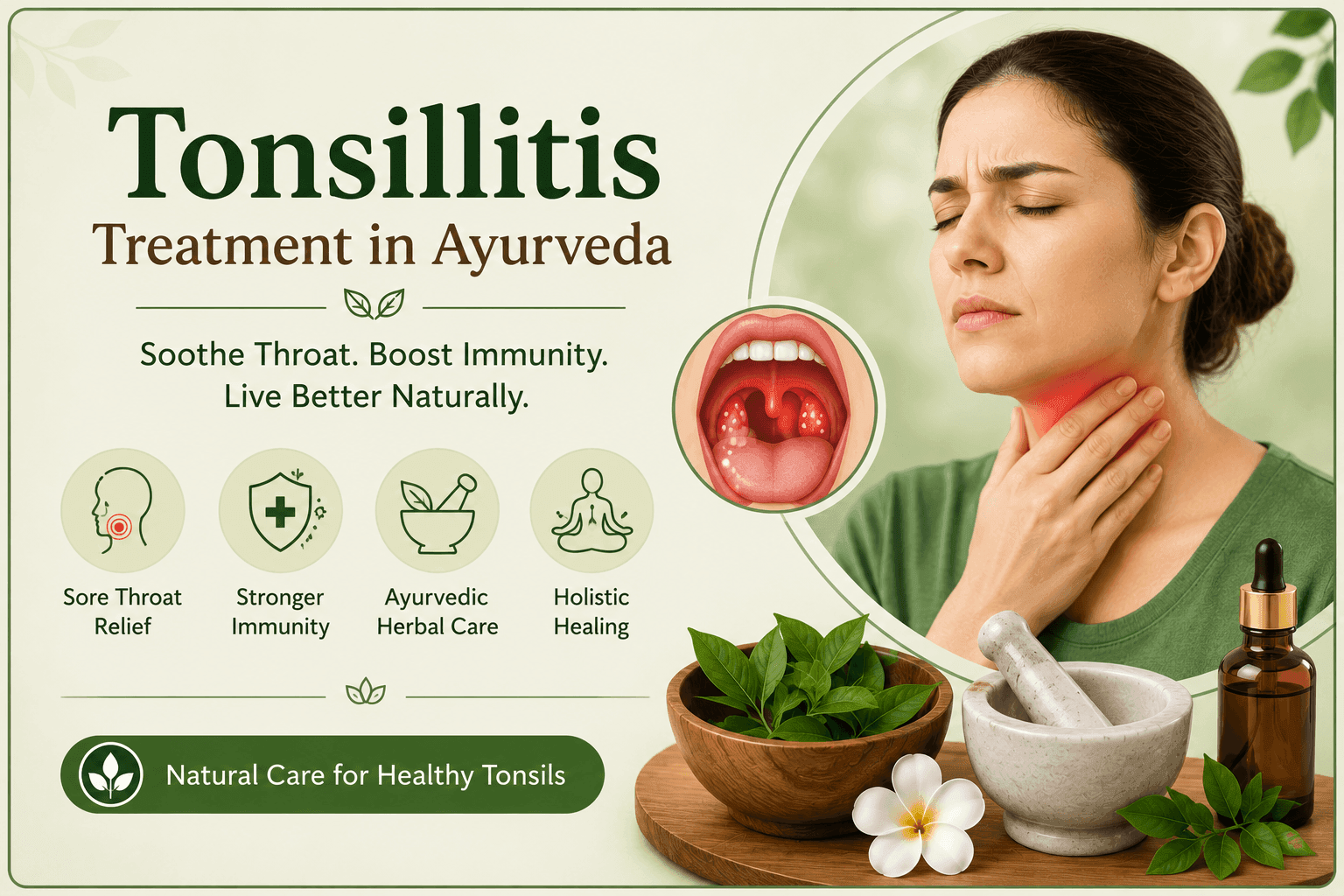
Tonsillitis is a common condition characterized by inflammation of the tonsils, two oval-shaped lymphoid tissues located at the back of the throat. The tonsils play an important role in the body's immune defense by helping trap bacteria, viruses, and other microorganisms that enter through the mouth and nose. Although they help protect against infections, the tonsils themselves can become infected, leading to pain, swelling, fever, and difficulty swallowing.
Tonsillitis affects people of all ages but is especially common in children and adolescents because their immune systems are still developing and they are frequently exposed to infections in schools and other group settings. The condition may occur as a single episode (acute tonsillitis) or recur multiple times throughout the year. Some individuals also develop chronic tonsillitis, in which low-grade inflammation persists for weeks or months, causing ongoing throat discomfort, bad breath, and repeated infections.
Most cases of tonsillitis are caused by viral infections, which usually improve with supportive care. However, bacterial infections—particularly those caused by Group A Streptococcus—may require antibiotic treatment to prevent complications. Because the symptoms of viral and bacterial tonsillitis can be similar, proper medical evaluation is essential before starting treatment.
While conventional medicine focuses on relieving symptoms and treating infections, many individuals with recurrent tonsillitis seek a more comprehensive approach that addresses underlying factors contributing to repeated episodes. Ayurveda, the traditional system of medicine practiced in India for thousands of years, emphasizes individualized care that considers digestion (Agni), dosha balance, immunity (Ojas), diet, lifestyle, and overall health rather than focusing solely on throat symptoms.
Tonsillitis is among the most common reasons children visit primary care. Viral infections account for approximately 70–95% of tonsillitis cases in children and 85–90% in adults, while bacterial causes are less common.
According to Ayurvedic principles, recurrent throat infections may be associated with impaired digestion, accumulation of Ama (metabolic toxins), imbalance of Kapha and Pitta Doshas, weakened immunity, and disturbances in body channels involved in respiration and nourishment. Treatment is therefore personalized and may include herbal medicines, dietary modifications, lifestyle guidance, and selected Ayurvedic therapies aimed at supporting the body's natural healing processes.
For individuals experiencing repeated sore throats, recurrent tonsil infections, or chronic throat discomfort, Ayurveda may offer supportive strategies to improve overall health and potentially reduce the frequency of future episodes as part of an integrative care plan.
Tonsillitis is among the most common reasons children visit primary care.
Viral infections account for approximately 70–95% of tonsillitis cases in children and 85–90% in adults, while bacterial causes are less common.
Important Medical Disclaimer:
Ayurveda should complement—not replace—appropriate medical care. Severe bacterial tonsillitis, high fever, difficulty breathing, inability to swallow fluids, suspected peritonsillar abscess, or other serious symptoms require prompt medical evaluation. Antibiotics or emergency treatment may be necessary in certain situations. Always consult a qualified healthcare professional for an accurate diagnosis and individualized treatment plan.
Can Ayurveda Treat Tonsillitis?
Ayurveda offers a personalized approach to managing tonsillitis by addressing factors such as dosha imbalance, digestion (Agni), immunity (Ojas), diet, and lifestyle. While it may help support recovery and reduce the recurrence of tonsillitis in suitable individuals, treatment varies based on an individual's condition and should complement appropriate medical care. Severe bacterial infections may require antibiotics or emergency medical attention.
Key Takeaways
- Tonsillitis is inflammation of the tonsils caused by viral or bacterial infections.
- Most cases improve with supportive care, but bacterial infections may require antibiotics.
- Ayurveda aims to support recovery through individualized herbs, diet, lifestyle, and immune support.
- Recurrent tonsillitis should be evaluated by both an Ayurvedic physician and an ENT specialist.
- Seek emergency medical care if breathing or swallowing becomes difficult.
What is Tonsillitis?
Tonsillitis is the inflammation of the palatine tonsils, which are located on either side of the back of the throat. These tissues are part of the body's immune system and help identify and fight bacteria, viruses, and other pathogens that enter through the mouth and nose.
When the tonsils become infected, they swell and become inflamed, causing symptoms such as sore throat, painful swallowing, fever, and swollen lymph nodes. Depending on the underlying cause and frequency of episodes, tonsillitis may be classified as acute, chronic, or recurrent.
Although tonsillitis is usually self-limiting, recurrent infections can significantly affect quality of life, interfere with school or work, disturb sleep, and sometimes lead to complications that require specialist evaluation.
Explain
- Palatine tonsils
- Adenoids
- Lingual tonsils
- Part of Waldeyer's Ring
What Do the Tonsils Do?
The tonsils are part of the body's first line of immune defense. They help:
- Capture bacteria and viruses entering through the mouth and nose
- Produce immune cells that recognize harmful microorganisms
- Support the development of immune responses, especially during childhood
- Help protect the upper respiratory tract from infection
As children grow older, other components of the immune system become more active, and the relative importance of the tonsils decreases.
Why Do Tonsils Become Infected?
Despite their protective role, the tonsils are repeatedly exposed to infectious organisms. Infection may occur when:
- Viruses invade the throat tissues
- Harmful bacteria multiply rapidly
- The immune system is temporarily weakened
- Close contact with infected individuals increases exposure
- Repeated respiratory infections occur
- Poor oral hygiene allows bacteria to accumulate
- Environmental irritants such as pollution or smoking damage throat tissues
Repeated infections may eventually contribute to chronic inflammation and enlargement of the tonsils.
Fast Facts
| Medical Name | Tonsillitis |
| Common Age | Children & Young Adults |
| Main Causes | Viral & Bacterial Infection |
| Common Symptoms | Sore throat, fever, swollen tonsils |
| Ayurveda Focus | Dosha balance, Agni, Ojas |
| Emergency Symptoms | Difficulty breathing, drooling |
| Specialist | ENT & Ayurvedic Physician |
Medical Name
Tonsillitis
Common Age
Children & Young Adults
Main Causes
Viral & Bacterial Infection
Common Symptoms
Sore throat, fever, swollen tonsils
Ayurveda Focus
Dosha balance, Agni, Ojas
Emergency Symptoms
Difficulty breathing, drooling
Specialist
Viral vs. Bacterial Tonsillitis
Understanding whether tonsillitis is viral or bacterial is important because treatment differs.
| Feature | Viral Tonsillitis | Bacterial Tonsillitis |
|---|---|---|
| Cause | Viruses | Usually Group A Streptococcus |
| Frequency | More common | Less common |
| Fever | Mild to moderate | Often higher |
| Cough | Common | Usually absent |
| White patches | Sometimes | Often present |
| Antibiotics | Not effective | May be necessary |
| Recovery | Usually within a week | Improves with appropriate treatment |
Because symptoms overlap, healthcare professionals may recommend throat examination or laboratory testing to determine the cause.
Feature
Viral Tonsillitis
Bacterial Tonsillitis
Cause
Viruses
Usually Group A Streptococcus
Frequency
More common
Less common
Fever
Mild to moderate
Often higher
Cough
Common
Usually absent
White patches
Sometimes
Often present
Antibiotics
Not effective
May be necessary
Recovery
Usually within a week
Improves with appropriate treatment
Because symptoms overlap, healthcare professionals may recommend throat examination or laboratory testing to determine the cause.
Types of Tonsillitis
Different forms of tonsillitis vary in severity, duration, and treatment approach.
| Type | Description | Typical Duration |
|---|---|---|
| Acute Tonsillitis | Sudden inflammation caused by viral or bacterial infection | 3–10 days |
| Chronic Tonsillitis | Persistent inflammation with ongoing throat discomfort | Several weeks or longer |
| Recurrent Tonsillitis | Multiple episodes occurring several times within a year | Long-term recurring condition |
| Viral Tonsillitis | Infection caused by common respiratory viruses | Usually mild and self-limiting |
| Bacterial Tonsillitis | Often caused by Group A Streptococcus and may require antibiotics | Several days with appropriate treatment |
Type
Description
Typical Duration
Acute Tonsillitis
Sudden inflammation caused by viral or bacterial infection
3–10 days
Chronic Tonsillitis
Persistent inflammation with ongoing throat discomfort
Several weeks or longer
Recurrent Tonsillitis
Multiple episodes occurring several times within a year
Long-term recurring condition
Viral Tonsillitis
Infection caused by common respiratory viruses
Usually mild and self-limiting
Bacterial Tonsillitis
Often caused by Group A Streptococcus and may require antibiotics
Several days with appropriate treatment
Acute Tonsillitis
Acute tonsillitis develops suddenly and is characterized by:
- Severe sore throat
- Fever
- Painful swallowing
- Swollen, red tonsils
- Enlarged neck lymph nodes
- Fatigue
Most acute cases improve within one week with supportive care, although bacterial infections may require antibiotics.
Chronic Tonsillitis
Chronic tonsillitis refers to persistent inflammation of the tonsils that lasts for weeks or longer. Symptoms may be less severe than acute infection but continue over time.
Common features include:
- Persistent sore throat
- Bad breath (halitosis)
- Ongoing throat irritation
- Enlarged tonsils
- Recurrent discomfort while swallowing
- Tonsil stones (tonsilloliths) in some individuals
Medical evaluation is important to identify underlying causes and determine appropriate treatment.
Recurrent Tonsillitis
Recurrent tonsillitis involves repeated episodes of infection over months or years. Some individuals experience several infections annually, which may interfere with daily activities and increase the likelihood of specialist referral.
Possible contributing factors include:
- Repeated exposure to infectious organisms
- Incomplete recovery between episodes
- Weakened immunity
- Allergies
- Environmental irritants
- Chronic nasal or sinus problems
- Underlying medical conditions
In Ayurveda, recurrent episodes are approached by evaluating the individual's constitution, digestive health, dosha balance, lifestyle, and overall immune strength to develop a personalized long-term management plan.
Clinical Pearl
Recurrent tonsillitis may sometimes be due to allergies, chronic sinusitis, gastroesophageal reflux (GERD), or other underlying conditions. Persistent symptoms warrant evaluation rather than repeated self-treatment.
Why Early Evaluation Matters
Although many cases of tonsillitis resolve without complications, prompt medical assessment is important if symptoms are severe, recurrent, or associated with high fever, breathing difficulty, dehydration, or inability to swallow. Early diagnosis helps distinguish viral from bacterial infections, guides appropriate treatment, and reduces the risk of complications.
Symptoms of Tonsillitis
The symptoms of tonsillitis vary depending on the cause (viral or bacterial), the severity of inflammation, the individual's age, and overall health. While some people experience only mild throat discomfort, others may develop significant pain, fever, difficulty swallowing, and swollen neck glands.
Recognizing the symptoms early allows timely medical evaluation, appropriate treatment, and reduces the risk of complications.
Sore Throat
A sore throat is usually the earliest and most noticeable symptom of tonsillitis. The pain may begin gradually or suddenly and often worsens while swallowing or speaking.
Painful Swallowing (Odynophagia)
Inflamed tonsils can make swallowing painful, causing discomfort while eating, drinking, or even swallowing saliva. In severe cases, patients may avoid food and fluids due to pain, increasing the risk of dehydration.
Swollen, Red Tonsils
During infection, the tonsils often become enlarged, red, and inflamed. In bacterial tonsillitis, white or yellow patches of pus may also be visible on the surface of the tonsils.
Fever
Fever is common, particularly in bacterial infections. A mild fever may accompany viral tonsillitis, while higher temperatures are more often associated with streptococcal infections.
White or Yellow Patches on the Tonsils
White spots or pus-filled patches may develop on the tonsils due to bacterial infection. However, these patches are not exclusive to bacterial infections and should not be used alone to determine the cause.
Swollen Lymph Nodes
The lymph nodes located beneath the jaw and along the sides of the neck may become enlarged and tender as the immune system responds to infection.
Ear Pain
Although the ears may not be infected, inflammation of the throat can cause referred pain due to shared nerve pathways between the throat and ears.
Bad Breath (Halitosis)
Persistent infection, bacterial growth, and accumulation of debris on the tonsils can lead to unpleasant breath, especially in chronic or recurrent tonsillitis.
Hoarse Voice
Inflammation surrounding the throat may temporarily affect the voice, making it sound muffled or hoarse.
Fatigue and Weakness
The body's immune response to infection often causes tiredness, reduced energy, body aches, and general malaise.
Loss of Appetite
Pain while swallowing and fever may reduce appetite, particularly in children.
Difficulty Opening the Mouth
Severe inflammation or complications such as a peritonsillar abscess may make opening the mouth painful or difficult (trismus). This requires prompt medical assessment.
Pain While Eating
Swallowing solid foods may become uncomfortable, leading patients to prefer soft, warm foods and liquids during recovery.
Symptoms in Children
Children may not always describe throat pain clearly. Parents should watch for signs such as:
- Refusal to eat or drink
- Excessive drooling
- Irritability
- Persistent crying
- Difficulty swallowing
- Mouth breathing
- Fever
- Enlarged neck glands
- Reduced activity
- Poor sleep
Young children may also complain of stomach pain or nausea during streptococcal throat infections.
Viral infections often present with:
- Mild to moderate sore throat
- Runny nose
- Cough
- Sneezing
- Hoarseness
- Conjunctivitis
- Mild fever
- Fatigue
Most viral cases improve with supportive care and do not require antibiotics.
Bacterial tonsillitis may include:
- Sudden severe sore throat
- High fever
- White patches on the tonsils
- Painful swollen neck glands
- Difficulty swallowing
- Absence of cough
- Headache
- Generalized body aches
A healthcare professional may recommend throat swabs or rapid antigen testing when streptococcal infection is suspected.
Complications of Untreated Tonsillitis
Although many cases of tonsillitis resolve without complications, delayed diagnosis or untreated bacterial tonsillitis may occasionally lead to more serious health problems. Seeking timely medical evaluation helps reduce these risks.
Possible complications include:
- Peritonsillar abscess (Quinsy): A collection of pus beside the tonsil that can cause severe throat pain, difficulty swallowing, muffled voice, and may require urgent treatment.
- Spread of Infection: In rare cases, the infection may spread to nearby tissues, causing deeper neck infections.
- Ear Infections: Inflammation may spread through connected structures, leading to middle ear infections in some individuals.
- Dehydration: Painful swallowing may reduce fluid intake, increasing the risk of dehydration, especially in children.
- Obstructive Sleep Problems: Significantly enlarged tonsils may contribute to snoring or obstructive sleep apnea, particularly in children.
- Rheumatic Fever: Untreated Group A Streptococcal (strep) throat infection can rarely lead to rheumatic fever, which may affect the heart, joints, skin, and nervous system.
- Post-Streptococcal Glomerulonephritis: A rare immune-related kidney condition that can occur after certain streptococcal infections.
Important: Seek immediate medical care if tonsillitis is associated with difficulty breathing, inability to swallow saliva, severe neck swelling, persistent high fever, or severe one-sided throat pain, as these may indicate a medical emergency requiring prompt treatment.
Emergency Warning Signs: When to Seek Immediate Medical Care
Although most cases of tonsillitis improve without serious complications, certain symptoms require urgent medical attention.
Seek immediate medical care if you experience:
- Difficulty breathing
- Difficulty swallowing saliva
- Inability to drink fluids
- Persistent high fever that does not improve
- Severe dehydration
- Drooling due to inability to swallow
- Rapidly increasing throat swelling
- Severe neck swelling
- Difficulty opening the mouth
- Muffled "hot potato" voice
- Severe one-sided throat pain
- Suspected peritonsillar abscess
- Confusion or excessive drowsiness
- Symptoms lasting longer than expected despite treatment
These symptoms may indicate complications that require prompt evaluation by a healthcare professional.
Common Causes of Tonsillitis
Tonsillitis develops when infectious microorganisms invade the tonsils and trigger inflammation. Several environmental, lifestyle, and health-related factors may increase susceptibility.
Viral Infections
Viruses are responsible for most cases of tonsillitis.
Common viral causes include:
- Common cold viruses
- Influenza viruses
- Adenoviruses
- Epstein-Barr virus
- Respiratory syncytial virus (RSV)
- Coronaviruses
Because viral infections do not respond to antibiotics, supportive care is usually sufficient unless complications arise.
Bacterial Infections
The most common bacterial cause is Group A Streptococcus (Streptococcus pyogenes).
Other bacteria may also contribute in some cases.
Appropriate diagnosis is important because untreated streptococcal infections may increase the risk of certain complications.
Risk Factors for Tonsillitis
Several factors may increase the likelihood of developing acute or recurrent tonsillitis.
1. Reduced Immunity
Individuals with weakened immune responses may be more susceptible to recurrent respiratory infections.
Factors that may affect immune function include:
- Poor nutrition
- Chronic illness
- Sleep deprivation
- Psychological stress
- Certain medications
2. Frequent Exposure to Infections
Children attending schools, daycare centers, or crowded environments are more frequently exposed to respiratory pathogens.
Adults working in healthcare, education, or public-facing occupations may also experience increased exposure.
3. Poor Oral Hygiene
Inadequate oral hygiene can allow bacteria to accumulate within the mouth and throat, potentially contributing to recurrent infections.
Daily brushing, flossing, tongue cleaning, and regular dental check-ups support oral health.
4. Allergies
Persistent allergic rhinitis may cause chronic throat irritation, mouth breathing, and postnasal drip, creating conditions that contribute to repeated throat discomfort.
Exposure to:
- Dust
- Smoke
- Industrial pollution
- Chemical fumes
- Indoor pollutants
may irritate the upper respiratory tract and increase susceptibility to infections.
6. Smoking and Passive Smoking
Tobacco smoke damages the protective lining of the throat and weakens local immune defenses.
Both active smoking and secondhand smoke exposure can contribute to recurrent throat irritation and infection.
7. Poor Sleep
Sleep is essential for immune regulation. Chronic sleep deprivation may impair immune responses and increase susceptibility to infections.
8. Chronic Stress
Long-term psychological stress may influence immune function through hormonal pathways, potentially increasing vulnerability to recurrent infections.
Stress management is therefore an important aspect of overall health.
9. Nutritional Deficiencies
Poor intake of essential nutrients may affect normal immune function.
A balanced diet rich in fruits, vegetables, proteins, whole grains, and healthy fats supports overall health and recovery.
10. Cold Foods and Beverages
Cold drinks and ice cream do not directly cause tonsillitis. However, some individuals find that very cold foods temporarily worsen throat discomfort during an active infection.
Recommendations should therefore be individualized.
Repeated episodes of:
- Common cold
- Sinusitis
- Allergic rhinitis
- Influenza
may increase the likelihood of recurrent throat inflammation.
Tonsillitis in Ayurveda
Ayurveda does not describe tonsillitis as a direct equivalent of a single classical disease. Instead, its symptoms are understood through the framework of Doshas, Agni, Ama, Dhatus, and Srotas.
An Ayurvedic physician evaluates each patient individually to identify the underlying pattern of imbalance before recommending treatment.
This personalized approach is a defining principle of Ayurvedic medicine.
Kapha Dosha
Kapha is associated with structure, lubrication, stability, and mucus production.
When aggravated, Kapha may contribute to:
- Swollen tonsils
- Thick mucus
- Heaviness in the throat
- Recurrent congestion
- White coating
- Enlarged lymphoid tissues
Pitta Dosha
Pitta governs metabolism and heat within the body.
Pitta imbalance may manifest as:
- Redness
- Burning throat pain
- Fever
- Inflammation
- Yellowish secretions
- Increased thirst
Vata Dosha
Although less commonly dominant in acute tonsillitis, aggravated Vata may contribute to:
- Dry throat
- Difficulty swallowing
- Hoarseness
- Variable pain
- Delayed recovery after repeated infections
Ama: An Important Ayurvedic Concept
According to Ayurveda, Ama refers to incompletely processed metabolic waste that may accumulate when digestion (Agni) becomes impaired.
Ama is traditionally believed to:
- Obstruct body channels (Srotas)
- Disturb normal physiological functions
- Contribute to inflammation
- Reduce tissue nourishment
- Affect immune resilience
While Ama is a classical Ayurvedic concept and does not have a direct equivalent in modern medicine, it plays a central role in Ayurvedic assessment and treatment planning.
Agni (Digestive Fire)
Ayurveda considers healthy digestion fundamental to overall well-being.
Weak Agni may be associated with:
- Poor digestion
- Bloating
- Indigestion
- Reduced nutrient assimilation
- Increased Ama formation
- Lower resistance to recurrent illness
Treatment often includes dietary guidance and measures to support digestive function alongside symptom management.
Ojas and Immunity
Ojas is described in Ayurveda as the essence of healthy body tissues and is associated with vitality, resilience, and resistance to disease.
Healthy Ojas is traditionally linked with:
- Better recovery
- Stable immunity
- Physical strength
- Mental well-being
- Tissue nourishment
Ayurvedic care often aims to support Ojas through individualized diet, lifestyle, restorative therapies, and appropriate herbal formulations.
Srotas Involved
Several body channels (Srotas) may be considered during Ayurvedic evaluation, including:
Pranavaha Srotas
Associated with respiration and the upper respiratory tract.
Rasavaha Srotas
Associated with nourishment and circulation of the primary body tissues.
Imbalances affecting these channels may contribute to recurrent throat discomfort according to Ayurvedic principles.
How Is Tonsillitis Diagnosed?
An accurate diagnosis is essential because the symptoms of viral and bacterial tonsillitis can be similar, but their treatment may differ. A healthcare professional will evaluate your symptoms, examine your throat, and, if necessary, recommend diagnostic tests to identify the underlying cause and determine the most appropriate treatment.
Medical History
The doctor will ask about your symptoms and medical history, including:
- Duration and severity of the sore throat
- Fever and difficulty swallowing
- Previous episodes of tonsillitis
- Recent exposure to someone with a throat infection
- Current medications and allergies
- Other medical conditions that may affect immunity
Physical Examination
A thorough physical examination helps assess the severity of the infection. Your healthcare provider may check for:
- Red, swollen, or enlarged tonsils
- White or yellow patches on the tonsils
- Swollen and tender lymph nodes in the neck
- Fever and signs of dehydration
- Difficulty opening the mouth or swallowing
Throat Examination
The throat is carefully examined using a light to look for signs of inflammation, pus, redness, tonsil enlargement, or complications such as a peritonsillar abscess.
Rapid Strep Test
If a Group A Streptococcal (strep) infection is suspected, a rapid strep test may be performed using a throat swab. Results are usually available within minutes and help determine whether antibiotics may be required.
Throat Culture
If the rapid strep test is negative but a bacterial infection is still suspected, a throat culture may be recommended. This test is more accurate and helps identify the bacteria responsible for the infection, although results typically take 24–48 hours.
Blood Tests (Selected Cases)
Blood tests are not routinely required but may be advised in selected situations, such as:
- Suspected infectious mononucleosis
- Recurrent or severe infections
- Persistent fever
- Uncertain diagnosis
- Evaluation of underlying medical conditions
Imaging (Rarely Needed)
Imaging studies, such as ultrasound or CT scans, are rarely necessary. They may be recommended if complications such as a deep neck infection or peritonsillar abscess are suspected.
Ayurvedic Perspective: In addition to conventional medical evaluation, an Ayurvedic physician assesses factors such as Prakriti (body constitution), Dosha imbalance, Agni (digestive strength), Ama (metabolic toxins), and overall health to develop a personalized treatment plan. Ayurvedic assessment complements—but does not replace—medical diagnosis, laboratory tests, or specialist evaluation when needed.
Ayurvedic Principles of Tonsillitis Treatment
Rather than focusing solely on symptom relief, Ayurvedic management seeks to address the individual's underlying imbalance.
Treatment goals may include:
- Reducing throat inflammation
- Balancing aggravated Doshas
- Supporting healthy digestion (Agni)
- Reducing Ama
- Enhancing natural immune resilience (Ojas)
- Supporting tissue healing
- Promoting healthy respiratory function
- Reducing the likelihood of recurrence through diet and lifestyle modifications
Because every patient has a unique constitution (Prakriti), symptom pattern, and medical history, treatment plans are individualized after a detailed consultation.
Key Takeaways
- Tonsillitis may be viral or bacterial, and proper diagnosis is essential.
- Recurrent tonsillitis often has multiple contributing factors, including immune status, environmental exposures, and lifestyle habits.
- Ayurveda views recurrent throat infections through the lens of Dosha balance, Agni, Ama, Ojas, and Srotas rather than as a single disease entity.
- Personalized Ayurvedic management aims to support overall health, improve digestion, strengthen immunity, and reduce recurrence while complementing appropriate conventional medical care.
- Severe symptoms such as breathing difficulty, inability to swallow, high fever, or suspected abscess require immediate medical attention.
Ayurveda vs Conventional Treatment
| Ayurveda | Conventional |
|---|---|
| Personalized | Standard protocols |
| Dosha balance | Infection control |
| Diet & lifestyle | Antibiotics |
| Digestion | Symptom relief |
| Long-term wellness | Acute treatment |
| Panchakarma | Surgery (selected cases) |
Ayurveda
Conventional
Personalized
Standard protocols
Dosha balance
Infection control
Diet & lifestyle
Antibiotics
Digestion
Symptom relief
Long-term wellness
Acute treatment
Panchakarma
Ayurvedic Treatment for Tonsillitis
Ayurvedic treatment for tonsillitis focuses on understanding the individual's unique constitution (Prakriti), the current imbalance of Doshas, digestive health (Agni), the presence of Ama, disease stage, age, medical history, and associated health conditions. Rather than using a one-size-fits-all approach, Ayurveda emphasizes personalized care aimed at supporting the body's natural healing mechanisms while addressing the factors that may contribute to recurrent throat infections.
Depending on the clinical assessment, Ayurvedic management may include herbal medicines, dietary modifications, lifestyle recommendations, local therapies such as gargling, and selected Panchakarma procedures. For individuals with bacterial tonsillitis, Ayurveda can be used as supportive care alongside conventional medical treatment when appropriate. It should not delay or replace antibiotics or emergency care when these are medically indicated.
An individualized Ayurvedic treatment plan may aim to:
- Reduce inflammation and throat discomfort
- Support healthy immune function (Ojas)
- Balance aggravated Kapha, Pitta, or Vata Doshas
- Improve digestion and metabolic function (Agni)
- Reduce Ama according to Ayurvedic principles
- Promote healing of inflamed throat tissues
- Improve resistance to recurrent infections
- Encourage long-term respiratory and overall health
Since every patient presents differently, the duration and combination of therapies vary based on clinical findings.
Individualized Ayurvedic Assessment
Before recommending treatment, a qualified Ayurvedic physician typically performs a comprehensive assessment that may include:
Prakriti (Body Constitution)
Understanding an individual's natural constitutional type helps guide dietary advice, lifestyle modifications, and medicine selection.
Vikriti (Current Imbalance)
The physician evaluates which Doshas are currently aggravated and contributing to symptoms.
Agni Assessment
Digestive strength is carefully assessed because impaired digestion is traditionally believed to contribute to Ama formation and recurrent illness.
Ama Assessment
Signs of Ama may influence treatment priorities according to Ayurvedic principles.
Management differs depending on whether the patient has:
- Acute viral tonsillitis
- Acute bacterial tonsillitis
- Chronic inflammation
- Recurrent tonsillitis
- Enlarged tonsils without active infection
Medical Evaluation
Modern medical findings, previous investigations, medication history, allergies, and recurrent infection patterns should also be considered to ensure safe and coordinated care.
Ayurvedic Herbal Medicines for Tonsillitis
Ayurvedic herbs are selected according to the individual's clinical presentation. Self-medication is not recommended, particularly for children, pregnant women, older adults, or individuals taking prescription medications.
The following herbs are traditionally used in Ayurvedic practice for supporting throat health and immune function.
Botanical Name: Glycyrrhiza glabra
Yashtimadhu is one of Ayurveda's most widely used herbs for throat conditions. Traditionally, it is valued for its soothing (demulcent) properties and is often included in formulations for sore throat, hoarseness, and throat irritation.
Traditionally Used For
- Supporting throat comfort
- Soothing irritated mucous membranes
- Hoarseness of voice
- Dry cough
- Mild throat inflammation
Important Precautions
Licorice may not be suitable for individuals with uncontrolled hypertension, kidney disease, heart disease, or those taking certain medications. Long-term use should only occur under professional supervision.
Botanical Name: Curcuma longa
Turmeric occupies a central place in Ayurvedic medicine and is traditionally used to support healthy inflammatory responses and overall immune function.
Traditional Uses
- Supporting normal inflammatory balance
- Promoting immune health
- Supporting wound healing
- Maintaining respiratory health
- General wellness
Curcumin, one of turmeric's active constituents, has been widely studied for its biological properties. However, more high-quality clinical studies are needed before making specific claims regarding tonsillitis treatment.
Botanical Name: Tinospora cordifolia
Guduchi is classified in Ayurveda as a Rasayana, a category of herbs traditionally used to support vitality and resilience.
Traditionally Used For
- Supporting immune function
- Recovery following illness
- General strength and vitality
- Balancing Pitta and Kapha
- Promoting overall well-being
Because herbal preparations vary in quality and concentration, Guduchi should be taken only under qualified supervision.
Botanical Name: Ocimum tenuiflorum
Tulsi has long been used in Ayurveda to support respiratory health.
Traditional uses include:
- Supporting respiratory comfort
- Maintaining throat health
- Seasonal wellness
- Supporting normal immune function
Warm Tulsi tea is commonly recommended as part of supportive care during mild upper respiratory infections.
Botanical Name: Piper longum
Pippali is traditionally used to support digestion and respiratory function.
It may be selected in appropriate patients to help:
- Improve Agni
- Reduce Kapha accumulation
- Support respiratory health
- Enhance the effectiveness of certain herbal formulations according to Ayurvedic principles
Because Pippali possesses heating qualities, it may not be appropriate for every patient.
Botanical Name: Phyllanthus emblica
Amalaki is another important Rasayana herb.
Traditionally it is used to support:
- Healthy digestion
- Tissue nourishment
- General immunity
- Respiratory wellness
- Recovery after illness
It is naturally rich in vitamin C, although its traditional Ayurvedic uses extend beyond its nutritional content.
Botanical Name: Solanum xanthocarpum
Kantakari is frequently included in Ayurvedic formulations intended to support respiratory health.
Traditional applications include:
- Supporting normal airway function
- Helping manage excess Kapha
- Maintaining throat comfort
- Supporting productive cough when appropriate
Botanical Name: Justicia adhatoda
Vasa is traditionally valued for respiratory wellness.
It may be incorporated into individualized treatment plans for patients with throat irritation accompanied by cough or excess mucus production.
Botanical Name: Azadirachta indica
Neem is considered useful in selected patients where Pitta and inflammatory features predominate.
Because Neem possesses potent pharmacological activity, it should not be used indiscriminately, especially during pregnancy.
Classical Ayurvedic Formulations
Ayurvedic physicians often prescribe classical polyherbal formulations rather than single herbs. These formulations are selected after evaluating the patient's constitution, symptoms, digestive status, and associated health conditions.
Traditionally used to support:
- Respiratory health
- Mild cough
- Throat irritation
- Kapha balance
Commonly selected in individuals experiencing:
- Productive cough
- Throat congestion
- Respiratory discomfort
- Excess Kapha symptoms
A combination of:
- Black Pepper
- Long Pepper
- Dry Ginger
Traditionally used to:
- Support digestion
- Improve Agni
- Reduce Ama
- Promote healthy metabolism
Because of its heating properties, Trikatu is prescribed cautiously in patients with predominant Pitta symptoms.
Khadiradi Vati
Khadiradi Vati is one of the most frequently prescribed Ayurvedic lozenges for throat conditions.
Traditionally used to support:
- Sore throat
- Hoarseness
- Mouth ulcers
- Voice strain
- Mild throat irritation
Patients are usually advised to allow the tablet to dissolve slowly in the mouth rather than chewing it.
Traditionally used for:
- Mild throat discomfort
- Voice care
- Temporary relief of throat irritation
Tribhuvan Kirti Rasa and Other Herbo-Mineral Preparations
Certain classical Ayurvedic preparations containing purified minerals (Rasaushadhis) may be prescribed in selected cases by qualified Ayurvedic physicians.
These medicines require careful assessment because they:
- Are not appropriate for everyone
- Require correct purification and manufacturing standards
- Should only be used under professional supervision
- Should never be self-prescribed
Can You Self-Medicate with Ayurvedic Herbs?
No.
Although many Ayurvedic herbs are available over the counter, self-medication is not advisable because:
- Different causes of tonsillitis require different management.
- Viral and bacterial infections cannot be reliably distinguished without clinical evaluation.
- Certain herbs may interact with prescription medicines.
- Dosage varies according to age, constitution, digestive capacity, and medical history.
- Some formulations are contraindicated during pregnancy or specific medical conditions.
- Delaying appropriate treatment for bacterial tonsillitis can increase the risk of complications.
Always consult a qualified Ayurvedic practitioner before starting herbal treatment.
Integrating Ayurveda with Conventional Care
Ayurveda and conventional medicine can often complement each other when coordinated appropriately.
An integrative approach may include:
- Medical evaluation to determine whether the infection is viral or bacterial.
- Antibiotics when prescribed for confirmed bacterial tonsillitis.
- Adequate hydration and nutritional support.
- Pain relief medications as recommended by a healthcare professional.
- Personalized Ayurvedic dietary and lifestyle guidance.
- Carefully selected Ayurvedic herbs under supervision.
- Regular follow-up to monitor recovery and prevent recurrence.
Patients should inform both their Ayurvedic practitioner and primary healthcare provider about all medicines and supplements they are taking to minimize the risk of herb-drug interactions.
Key Takeaways
- Ayurvedic treatment for tonsillitis is individualized and based on Dosha balance, Agni, Ama, Ojas, and overall health.
- Herbal medicines such as Yashtimadhu, Haridra, Guduchi, Tulsi, Amalaki, Pippali, Kantakari, Vasa, and selected classical formulations may be used under professional guidance.
- Self-medication is not recommended, particularly for children, pregnant women, and individuals with chronic illnesses.
- Ayurveda may complement conventional treatment but should not replace antibiotics or emergency medical care when these are medically indicated.
- Personalized assessment is essential for safe and effective Ayurvedic management.
Excellent. Part 4 is one of the highest-traffic sections because it targets informational searches like "What to eat during tonsillitis," "Foods to avoid with swollen tonsils," "Home remedies for sore throat," and "How to prevent recurrent tonsillitis naturally." It also strengthens your page for AI Overviews (GEO) by providing structured, evidence-based guidance.
Diet for Tonsillitis in Ayurveda
Diet plays an important role in supporting recovery from tonsillitis. During an active throat infection, swallowing may be painful, appetite may decrease, and hydration can become difficult. A well-planned diet should therefore focus on providing adequate nutrition, maintaining hydration, and choosing foods that are easy to swallow and gentle on the throat.
From an Ayurvedic perspective, diet is also used to support healthy digestion (Agni), reduce the formation of Ama, balance aggravated Doshas, and promote overall healing. Food recommendations are individualized based on a person's constitution, digestive capacity, stage of illness, and associated medical conditions.
It is important to note that dietary measures support recovery but do not replace appropriate medical treatment, especially when bacterial infection or complications are present.
During recovery, the diet should aim to:
- Maintain adequate hydration.
- Provide sufficient calories and nutrients.
- Minimize throat irritation.
- Include soft, easily digestible foods.
- Support digestive health.
- Avoid foods that worsen discomfort.
- Encourage gradual return to a normal balanced diet as symptoms improve.
Foods to Eat During Tonsillitis
The following foods are generally well tolerated because they are soft, warm, and easy to swallow. Individual tolerance varies, so dietary advice should be personalized.
| Recommended Food | Potential Benefits |
|---|---|
| Warm vegetable soups | Easy to swallow and helps maintain hydration |
| Moong dal soup | Light, nutritious, and easy to digest |
| Soft cooked rice | Gentle on the throat |
| Khichdi | Easily digestible balanced meal |
| Warm cooked vegetables | Nutritious and soft |
| Oatmeal or porridge | Soft texture and sustained energy |
| Warm herbal teas | Comfort and hydration |
| Warm water | Supports hydration |
| Fresh fruit puree | Easy to consume when swallowing is painful |
| Stewed apples or pears | Gentle on digestion |
| Soft mashed vegetables | Easy to swallow |
| Plain yogurt (only if individually tolerated) | Source of protein and probiotics |
Recommended Food
Potential Benefits
Warm vegetable soups
Easy to swallow and helps maintain hydration
Moong dal soup
Light, nutritious, and easy to digest
Soft cooked rice
Gentle on the throat
Khichdi
Easily digestible balanced meal
Warm cooked vegetables
Nutritious and soft
Oatmeal or porridge
Soft texture and sustained energy
Warm herbal teas
Comfort and hydration
Warm water
Supports hydration
Fresh fruit puree
Easy to consume when swallowing is painful
Stewed apples or pears
Gentle on digestion
Soft mashed vegetables
Easy to swallow
Plain yogurt (only if individually tolerated and not worsening symptoms)
Source of protein and probiotics
Warm Soups
Warm soups help maintain hydration while providing vitamins and minerals. Vegetable soups, lentil soups, or clear broths are often easier to consume than solid foods.
Avoid soups that are extremely hot, as excessive heat may further irritate inflamed tissues.
Moong Dal
In Ayurveda, moong dal is traditionally regarded as light and easy to digest. It provides plant-based protein and can be prepared as a thin soup or soft khichdi during illness.
Khichdi
Khichdi, prepared with rice and moong dal, is commonly recommended during recovery because it is:
- Soft
- Easily digestible
- Nutritious
- Comfortable to swallow
Vegetables may be added according to individual tolerance.
Warm Water
Maintaining hydration is essential, especially if fever is present.
Small, frequent sips of warm water may be more comfortable than cold beverages for many individuals.
Herbal Teas
Warm herbal teas prepared with ingredients such as Tulsi, ginger, or licorice may provide temporary throat comfort when recommended by a qualified practitioner.
Herbal beverages should complement—not replace—medical treatment.
Cooked Vegetables
Well-cooked vegetables are generally easier to digest than raw salads during acute illness.
Examples include:
- Pumpkin
- Carrots
- Bottle gourd
- Ridge gourd
- Spinach (well cooked)
Preparation should be simple and not excessively spicy.
Fruits
Soft fruits or cooked fruits may be easier to consume than raw, fibrous fruits.
Examples include:
- Banana (if individually tolerated)
- Stewed apples
- Pear puree
- Papaya
Very acidic fruits may increase throat discomfort in some individuals.
Foods to Avoid During Tonsillitis
Certain foods may aggravate throat discomfort, be difficult to swallow, or are traditionally avoided in Ayurveda during acute throat inflammation.
| Food to Limit or Avoid | Reason |
|---|---|
| Ice cream and very cold foods | May worsen discomfort in some individuals |
| Cold beverages | May irritate an already sore throat |
| Fried foods | Difficult to digest |
| Highly processed foods | Lower nutritional value |
| Excess sugary foods | May displace nutrient-rich foods |
| Very spicy foods | Can increase throat irritation |
| Hard or crunchy foods | May cause pain while swallowing |
| Alcohol | Can contribute to dehydration and throat irritation |
| Tobacco | Irritates throat tissues and delays recovery |
Food to Limit or Avoid
Reason
Ice cream and very cold foods
May worsen discomfort in some individuals
Cold beverages
May irritate an already sore throat
Fried foods
Difficult to digest
Highly processed foods
Lower nutritional value
Excess sugary foods
May displace nutrient-rich foods
Very spicy foods
Can increase throat irritation
Hard or crunchy foods
May cause pain while swallowing
Alcohol
Can contribute to dehydration and throat irritation
Tobacco
Irritates throat tissues and delays recovery
Cold Foods
Scientific evidence does not show that cold foods cause tonsillitis. However, some individuals report increased throat discomfort after consuming very cold foods during an active infection.
Recommendations should therefore be individualized.
Fried Foods
Heavy, oily foods may be harder to digest and may not be well tolerated during illness.
Choosing lighter meals may improve overall comfort.
Excessive Sweets
Large amounts of sugary foods should be limited because they may replace more nutritious foods needed during recovery.
Highly Spicy Foods
Strong spices may increase burning sensations in already inflamed throat tissues.
Mild seasoning is generally better tolerated.
Alcohol may:
- Increase dehydration.
- Irritate inflamed tissues.
- Interact with certain medications.
It is best avoided during recovery.
Smoking and exposure to secondhand smoke may:
- Delay healing.
- Increase throat irritation.
- Worsen inflammation.
- Increase the risk of recurrent respiratory infections.
Avoiding tobacco supports both throat and overall respiratory health.
Lifestyle Recommendations in Ayurveda
Lifestyle measures are an important part of Ayurvedic care and complement medical treatment. They support recovery, improve overall health, and may reduce the likelihood of recurrent infections.
Get Adequate Rest
The immune system functions more effectively during adequate sleep and rest.
Adults should generally aim for 7–9 hours of quality sleep, while children require more according to their age.
Drink fluids regularly throughout the day, including:
- Warm water
- Clear soups
- Herbal teas
- Oral rehydration solutions if recommended
Seek medical attention if dehydration develops.
Maintain Good Oral Hygiene
Good oral hygiene may reduce bacterial accumulation in the mouth.
Daily practices include:
- Brushing twice daily
- Flossing
- Cleaning the tongue
- Replacing toothbrushes after certain infections when advised
- Regular dental check-ups
Salt-Water Gargling
Warm salt-water gargling is a commonly recommended supportive measure for older children and adults who can gargle safely.
It may temporarily relieve throat discomfort and help maintain oral cleanliness.
Young children should not gargle unless they can do so safely without swallowing the solution.
Steam Inhalation
Warm steam may temporarily improve comfort if nasal congestion accompanies tonsillitis.
Use caution to avoid burns, particularly in children.
Avoid Smoking
Stopping smoking provides significant benefits for respiratory health and may reduce chronic throat irritation.
Manage Stress
Chronic stress may affect sleep, immunity, and overall health.
Healthy stress management strategies include:
- Meditation
- Yoga
- Mindfulness
- Deep breathing exercises
- Time in nature
- Regular physical activity after recovery
Gentle Physical Activity
During acute illness, adequate rest is usually preferable.
As symptoms improve, gentle physical activity can support overall health and immune function.
Yoga and Breathing Practices
Once the acute infection has resolved and a healthcare professional considers it appropriate, gentle yoga and breathing exercises may support overall well-being.
Examples include:
- Deep diaphragmatic breathing
- Anulom Vilom (performed gently)
- Gentle stretching
- Relaxation practices
Breathing exercises should never cause pain or discomfort and should be avoided if breathing is difficult.
Supportive Home Remedies for Tonsillitis
Home remedies may provide temporary comfort but should not replace professional medical evaluation or prescribed treatment.
Warm Salt-Water Gargle
One of the simplest supportive measures.
May help:
- Maintain oral hygiene
- Temporarily soothe throat discomfort
Avoid swallowing the solution.
Warm Turmeric Milk
Some individuals find warm milk with turmeric comforting.
This may not be suitable for everyone, particularly those who do not tolerate milk or whose symptoms worsen after dairy consumption.
Honey
Honey may temporarily soothe throat irritation in adults and children over one year of age.
Do not give honey to infants younger than 12 months because of the risk of infant botulism.
Tulsi Tea
Warm Tulsi tea is traditionally used in Ayurveda to support respiratory comfort.
Use in moderation and consult a qualified practitioner if pregnant or taking medications.
Ginger Infusion
Warm ginger infusion may provide temporary comfort for some individuals.
Because ginger has heating properties, it should be used in moderation and may not be suitable for everyone.
Taking small sips of warm water throughout the day helps:
- Maintain hydration.
- Reduce throat dryness.
- Improve swallowing comfort.
Can Ayurveda Help Prevent Recurrent Tonsillitis?
Ayurveda emphasizes long-term health promotion rather than only treating acute symptoms. In individuals with recurrent tonsillitis, management may focus on identifying and addressing factors that contribute to repeated infections.
Potential components of a preventive plan include:
- Personalized dietary recommendations.
- Optimizing digestion (Agni) according to Ayurvedic principles.
- Lifestyle modifications.
- Seasonal health practices.
- Appropriate herbal support under professional supervision.
- Stress management.
- Adequate sleep.
- Regular follow-up.
- Management of associated conditions such as allergies or sinus disorders.
It is important to understand that no treatment can guarantee complete prevention of future tonsillitis, as infections depend on many factors, including exposure to viruses and bacteria, immune status, age, and underlying medical conditions.
Include:
- Hand hygiene
- Avoid sharing utensils
- Vaccination
- Hydration
- Nutrition
- Good sleep
- Avoid smoking
- Manage allergies
Daily Habits That Support Throat Health
The following healthy habits may help maintain overall throat and immune health:
- Eat a balanced, nutrient-rich diet.
- Stay physically active.
- Sleep adequately.
- Practice good hand hygiene.
- Avoid sharing drinking bottles and utensils during infections.
- Maintain good oral hygiene.
- Stay hydrated.
- Avoid tobacco products.
- Limit alcohol intake.
- Manage allergies effectively.
- Seek early treatment for persistent sore throats.
These habits benefit general health and may reduce the risk of recurrent upper respiratory infections.
Key Takeaways
- A soft, warm, nutrient-rich diet supports recovery during tonsillitis.
- Hydration is essential, particularly when fever or painful swallowing is present.
- Ayurveda emphasizes individualized dietary advice based on constitution, digestion, and stage of illness.
- Supportive home remedies such as warm salt-water gargles, warm fluids, and honey (for those over one year of age) may help relieve discomfort but do not replace medical treatment.
- Healthy lifestyle habits, good sleep, stress management, and oral hygiene may contribute to long-term throat and immune health.
- Recurrent tonsillitis requires a comprehensive evaluation to identify and address contributing factors rather than relying solely on symptom relief.
This section is optimized to rank for:
- Diet for tonsillitis
- Foods to eat during tonsillitis
- Foods to avoid with swollen tonsils
- Home remedies for sore throat
- Natural treatment for recurrent tonsillitis
- Ayurvedic diet for tonsillitis
- How to prevent tonsillitis naturally
It also improves AI readability through:
- Structured tables
- Concise evidence-based guidance
- Clear medical disclaimers
- Practical, actionable advice without exaggerated claims
- Balanced integration of Ayurveda and conventional care
Tonsillitis in Children
Tonsillitis is particularly common in children because their immune systems are still developing and they are frequently exposed to viruses and bacteria in schools, daycare centers, and other group environments. Most episodes are caused by viral infections and resolve with supportive care, while some bacterial infections—especially those caused by Group A Streptococcus—require antibiotics to prevent complications.
Parents should seek medical evaluation whenever a child develops severe throat pain, persistent fever, difficulty swallowing, breathing problems, or recurrent episodes of tonsillitis.
Common Symptoms of Tonsillitis in Children
Children may not always be able to describe their symptoms clearly. Signs that may suggest tonsillitis include:
- Sore throat
- Fever
- Pain while swallowing
- Refusal to eat or drink
- Irritability
- Excessive drooling
- Swollen glands in the neck
- Bad breath
- Hoarse or muffled voice
- Fatigue
- Reduced activity
- Difficulty sleeping
Very young children may become unusually fussy or refuse feeds due to throat pain.
Ayurvedic Considerations in Children
Ayurvedic treatment for children is always individualized and generally focuses on:
- Age-appropriate herbal medicines prescribed by a qualified Ayurvedic physician
- Easily digestible, nutritious foods
- Adequate hydration
- Gentle supportive therapies when appropriate
- Lifestyle guidance for parents
- Long-term measures to support overall health and reduce recurrence
Children should never receive Ayurvedic herbs, mineral preparations, or home remedies without professional guidance, as dosing and safety vary with age and health status.
Parents can support recovery by offering:
- Warm soups
- Soft rice or khichdi
- Moong dal soup
- Mashed vegetables
- Fruit puree
- Plenty of fluids
- Small, frequent meals if appetite is poor
Avoid forcing food if swallowing is painful. Maintaining hydration is often more important than eating full meals during the early stages of illness.
Seek urgent medical attention if a child has:
- Difficulty breathing
- Difficulty swallowing saliva
- Persistent drooling
- High fever that does not improve
- Severe dehydration
- Extreme drowsiness
- Neck swelling
- Difficulty opening the mouth
- Bluish lips or face
- Severe one-sided throat swelling
These symptoms require immediate evaluation and should not be managed at home.
Tonsillitis During Pregnancy
Pregnancy brings natural changes to the immune system, making some women more susceptible to respiratory infections. Although tonsillitis itself is usually manageable, prompt evaluation is important because fever, dehydration, and untreated bacterial infections may affect maternal and fetal well-being.
Safe Management During Pregnancy
Treatment during pregnancy should always be coordinated with the obstetrician and other healthcare providers.
Supportive measures may include:
- Adequate hydration
- Rest
- Warm fluids
- Soft, nutritious foods
- Medications prescribed by a healthcare professional when necessary
Ayurvedic Care During Pregnancy
Some Ayurvedic herbs traditionally used for throat conditions may not be safe during pregnancy. Therefore:
- Do not self-medicate.
- Avoid over-the-counter herbal combinations unless approved by your healthcare provider.
- Inform both your obstetrician and Ayurvedic physician about all medicines and supplements you are taking.
An individualized treatment plan is essential to protect both maternal and fetal health.
Can Tonsillitis Be Treated Without Surgery?
Yes. Most cases of acute tonsillitis improve without surgery.
Conservative treatment may include:
- Adequate hydration
- Pain and fever management
- Antibiotics when indicated
- Nutritional support
- Rest
- Good oral hygiene
- Individualized Ayurvedic care as supportive management
Many people with occasional episodes recover completely without requiring surgical intervention.
However, surgery may become appropriate when infections are frequent, severe, or lead to complications.
When Is Tonsillectomy Recommended?
A tonsillectomy is the surgical removal of the tonsils. It is generally considered only after careful evaluation by an ear, nose, and throat (ENT) specialist.
Evidence-based indications may include:
- Frequent, documented episodes of severe tonsillitis despite appropriate treatment
- Recurrent infections that significantly affect daily life, school attendance, or work
- Obstructive sleep apnea caused by enlarged tonsils
- Difficulty breathing due to tonsillar enlargement
- Peritonsillar abscess that does not respond to treatment or recurs
- Suspicion of malignancy (rare)
- Failure of appropriate medical management
The decision for surgery should be individualized after discussing the potential benefits, risks, and alternatives with an ENT specialist.
Can Ayurveda Help Before or After Tonsil Surgery?
Ayurveda should not delay or replace surgery when it is medically indicated. However, in some cases, Ayurvedic care may complement conventional management:
A qualified Ayurvedic physician may provide guidance on:
- Diet
- Lifestyle
- General wellness
- Digestive health
- Stress management
Any herbal medicines should be disclosed to the surgical team, as some may affect bleeding risk or interact with medications.
After Surgery
Once approved by the treating surgeon, Ayurveda may support recovery through:
- Personalized dietary recommendations
- Gentle lifestyle guidance
- General health promotion
- Supportive Rasayana therapies when appropriate
All post-operative care should follow the surgeon's instructions.
Benefits of Ayurvedic Treatment for Tonsillitis
When provided by a qualified practitioner as part of an individualized treatment plan, Ayurveda may offer several potential benefits.
Treatment is tailored according to:
- Prakriti (body constitution)
- Dosha imbalance
- Digestive health
- Disease stage
- Age
- Overall medical condition
Ayurveda addresses multiple aspects of health, including:
- Diet
- Lifestyle
- Digestion
- Sleep
- Stress
- Respiratory health
- Overall well-being
Support for Digestive Health
Ayurveda places significant emphasis on maintaining healthy digestion (Agni), which is considered important for overall wellness.
Immune Support
Rasayana therapies and lifestyle recommendations are traditionally used to support Ojas, a concept associated with vitality and resilience.
Long-Term Wellness
Rather than focusing only on symptom relief, Ayurveda aims to promote healthy daily habits that may contribute to long-term well-being.
Reduced Recurrence in Suitable Patients
Some individuals may experience fewer recurrent episodes when contributing factors such as poor digestion, inadequate sleep, allergies, or unhealthy lifestyle habits are addressed. However, results vary, and no treatment can guarantee prevention.
Scientific Research on Ayurveda and Tonsillitis
Scientific interest in Ayurvedic medicine has increased over the past several decades. Research has explored the pharmacological properties of several Ayurvedic herbs traditionally used for respiratory and inflammatory conditions.
Current Evidence
Laboratory and preliminary clinical studies suggest that some Ayurvedic herbs may possess:
- Anti-inflammatory properties
- Antioxidant activity
- Immunomodulatory effects
- Antimicrobial potential
However, it is important to distinguish laboratory findings from proven clinical effectiveness in patients with tonsillitis.
Limitations of Existing Research
Current research has several limitations:
- Small sample sizes
- Differences in herbal formulations
- Variable study quality
- Limited long-term follow-up
- Lack of standardized treatment protocols
More well-designed randomized controlled trials are needed before definitive conclusions can be drawn regarding the effectiveness of Ayurvedic treatment for tonsillitis.
Integrative Care
Current evidence supports an integrative approach in which Ayurveda may complement conventional medical treatment under the supervision of qualified healthcare professionals.
| Herb | Traditional Use | Current Evidence |
|---|---|---|
| Guduchi | Immunity | Preliminary |
| Tulsi | Respiratory support | Emerging |
| Yashtimadhu | Sore throat | Moderate |
| Turmeric | Inflammation | Good |
| Amalaki | Rasayana | Emerging |
Current Evidence
Laboratory and preliminary clinical studies suggest that some Ayurvedic herbs may possess:
- Anti-inflammatory properties
- Antioxidant activity
- Immunomodulatory effects
- Antimicrobial potential
However, it is important to distinguish laboratory findings from proven clinical effectiveness in patients with tonsillitis.
Current research has several limitations:
- Small sample sizes
- Differences in herbal formulations
- Variable study quality
- Limited long-term follow-up
- Lack of standardized treatment protocols
More well-designed randomized controlled trials are needed before definitive conclusions can be drawn regarding the effectiveness of Ayurvedic treatment for tonsillitis.
Integrative Care
Current evidence supports an integrative approach in which Ayurveda may complement conventional medical treatment under the supervision of qualified healthcare professionals.
Herb
Traditional Use
Current Evidence
Guduchi
Immunity
Preliminary
Tulsi
Respiratory support
Emerging
Yashtimadhu
Sore throat
Moderate
Turmeric
Inflammation
Good
Amalaki
Rasayana
Safety and Precautions
Although Ayurveda has a long history of traditional use, safe treatment depends on proper diagnosis, individualized assessment, and qualified professional guidance.
Obtain an Accurate Diagnosis
A sore throat is not always caused by tonsillitis. Symptoms may also result from:
- Viral infections
- Streptococcal pharyngitis
- Infectious mononucleosis
- Allergies
- Gastroesophageal reflux disease (GERD)
- Peritonsillar abscess
- Other medical conditions
Correct diagnosis is essential before beginning treatment.
Viral vs. Bacterial Infection
Because bacterial tonsillitis may require antibiotics, distinguishing between viral and bacterial causes is important.
Do not rely solely on symptoms or home remedies.
Seek care from:
- A qualified Ayurvedic physician for individualized Ayurvedic treatment.
- A licensed medical practitioner for diagnosis and conventional management.
- An ENT specialist when recurrent infections or complications occur.
Some Ayurvedic herbs may interact with:
- Blood thinners
- Diabetes medications
- Blood pressure medicines
- Immunosuppressive drugs
- Other prescription medications
Always disclose all herbal products and supplements to your healthcare providers.
Pregnancy and Breastfeeding
Pregnant and breastfeeding women should never take herbal medicines without professional advice, as safety varies between products.
Children
Children require age-appropriate dosing and individualized assessment. Never administer adult herbal formulations to children without medical supervision.
Chronic Medical Conditions
Individuals with diabetes, kidney disease, liver disease, autoimmune disorders, or other chronic illnesses should seek medical advice before using herbal medicines.
When Should You Seek Immediate Medical Care?
While mild viral tonsillitis often improves with supportive care, urgent medical evaluation is essential if any of the following occur:
- Difficulty breathing
- Difficulty swallowing saliva
- Persistent drooling
- Severe throat swelling
- High fever that persists or worsens
- Severe dehydration
- Difficulty opening the mouth (trismus)
- One-sided throat swelling or severe pain
- Suspected peritonsillar abscess
- Symptoms lasting longer than expected
- Recurrent episodes requiring repeated antibiotics
- Persistent swollen lymph nodes
- Unexplained weight loss or persistent unilateral tonsil enlargement
These symptoms may indicate complications or another serious medical condition requiring prompt assessment.
Key Takeaways
- Children, pregnant women, and individuals with chronic illnesses require individualized evaluation before starting Ayurvedic treatment.
- Most cases of tonsillitis improve without surgery, but tonsillectomy may be recommended for selected patients with recurrent or complicated disease.
- Ayurveda may complement conventional medical care before or after surgery when appropriate but should never delay necessary treatment.
- Current scientific evidence for Ayurveda in tonsillitis is promising but limited, highlighting the need for further high-quality clinical research.
- Safe treatment depends on proper diagnosis, qualified practitioners, and coordination between Ayurvedic and conventional healthcare providers.
- Seek immediate medical care for breathing difficulty, inability to swallow, severe dehydration, suspected abscess, or persistent high fever.
Why Choose Our Ayurvedic Clinic for Tonsillitis Treatment?
Choosing the right healthcare provider is an important part of managing recurrent or chronic tonsillitis. At our clinic, we follow a patient-centered, evidence-informed approach that integrates classical Ayurvedic principles with modern medical understanding.
Our approach focuses on identifying the factors contributing to recurrent throat infections rather than addressing symptoms alone.
Our Approach Includes
- Comprehensive Ayurvedic consultation
- Individualized assessment of Prakriti (constitution) and Vikriti (current imbalance)
- Evaluation of digestion (Agni), Ama, and lifestyle factors
- Personalized herbal medicines when appropriate
- Dietary counseling tailored to the individual
- Lifestyle and seasonal health guidance
- Panchakarma therapies only when clinically indicated
- Collaboration with conventional medical care whenever necessary
- Regular follow-up and treatment modification based on progress
Note: Add only truthful, verifiable information about your clinic. Avoid unsupported claims such as "100% cure," "permanent cure guaranteed," or "best clinic in India" unless these statements can be objectively substantiated.
Your Treatment Journey
Understanding what to expect during treatment helps patients participate actively in their care.
Your Ayurvedic physician reviews:
- Current symptoms
- Medical history
- Previous treatments
- Frequency of infections
- Lifestyle habits
- Dietary patterns
- Sleep quality
- Stress levels
The physician evaluates:
- Prakriti (constitution)
- Vikriti (Dosha imbalance)
- Agni (digestive function)
- Ama
- Srotas involvement
- Overall health status
Step 3: Personalized Treatment Plan
Depending on the assessment, the treatment plan may include:
- Herbal medicines
- Dietary modifications
- Lifestyle recommendations
- Local therapies
- Panchakarma (selected patients)
- Follow-up schedule
Regular reviews allow the physician to:
- Monitor improvement
- Adjust medicines
- Modify diet
- Address recurrence
- Provide preventive guidance
The final stage focuses on maintaining health through:
- Seasonal routines
- Healthy digestion
- Balanced nutrition
- Adequate sleep
- Stress management
- Regular monitoring where necessary
Conclusion
Tonsillitis is a common condition that may range from mild, self-limiting viral infections to recurrent or chronic disease requiring comprehensive medical evaluation. While many people recover completely with appropriate treatment, repeated episodes can affect quality of life and sometimes lead to complications.
Ayurveda offers a personalized, holistic approach that focuses on understanding the individual's constitution, digestive health, Dosha balance, lifestyle, and overall well-being. Treatment may include individualized herbal medicines, dietary guidance, lifestyle modifications, and selected Ayurvedic therapies aimed at supporting recovery and reducing recurrence.
However, Ayurveda should complement—not replace—evidence-based medical care. Severe bacterial infections, breathing difficulties, inability to swallow, suspected abscesses, or other complications require prompt evaluation and treatment by qualified healthcare professionals.
If you experience recurrent tonsillitis or persistent throat symptoms, consult both a qualified Ayurvedic physician and an appropriate medical specialist to develop a safe, individualized, and integrated treatment plan.
Frequently Asked Questions
There is no single best treatment for everyone. Ayurvedic management is individualized and may include herbal medicines, dietary modifications, lifestyle guidance, and selected therapies based on the person's constitution, symptoms, and overall health.
Ayurveda aims to support recovery, improve overall health, and reduce the recurrence of tonsillitis in suitable individuals. However, results vary, and no treatment can guarantee a permanent cure.
Herbs such as Yashtimadhu (Licorice), Guduchi, Tulsi, Haridra (Turmeric), Amalaki, and Pippali are traditionally used in Ayurvedic practice. The appropriate herb depends on the individual's condition and should be prescribed by a qualified practitioner.
Turmeric has traditionally been used in Ayurveda to support healthy inflammatory responses. While many people use turmeric as a supportive home remedy, it should not replace medical treatment when bacterial infection or complications are suspected.
Healthy lifestyle habits, good nutrition, adequate sleep, stress management, proper oral hygiene, and individualized Ayurvedic care may help reduce recurrence in some individuals. However, prevention cannot be guaranteed.
Panchakarma may be considered for carefully selected individuals after a comprehensive Ayurvedic assessment. It is not required for every patient and is generally avoided during acute infections.
Yes, but treatment should always be supervised by a qualified Ayurvedic physician experienced in pediatric care. Never administer herbal medicines to children without professional guidance.
Many adults recover with conservative management and never require surgery. However, if tonsillectomy is medically indicated due to recurrent severe infections or complications, Ayurveda should not delay appropriate surgical care.
The duration depends on whether the condition is acute, chronic, or recurrent, as well as the individual's constitution, response to treatment, and adherence to dietary and lifestyle recommendations.
When provided by a qualified practitioner using appropriate medicines and proper diagnosis, Ayurveda is generally considered safe. Inform your healthcare providers about all medicines and supplements you take.
In many cases, Ayurvedic supportive care can be integrated with conventional treatment. Coordination between healthcare providers helps minimize the risk of interactions and ensures safe care.
Many individuals benefit from avoiding foods that are difficult to swallow or irritating, such as very spicy foods, hard crunchy foods, alcohol, tobacco, and highly processed foods. Recommendations should be individualized.
Yes. Recurrent tonsillitis can occur due to repeated exposure to infections, underlying medical conditions, allergies, or other contributing factors.
Viral and bacterial infections that cause tonsillitis can spread from person to person through respiratory droplets and close contact.
Potential contributing factors include repeated viral or bacterial exposure, allergies, chronic sinus disease, poor sleep, smoking, environmental irritants, and certain immune or medical conditions.
A weakened immune system may increase susceptibility to infections. Maintaining a healthy lifestyle supports normal immune function, though recurrent infections should always be medically evaluated.
According to Ayurvedic principles, Kapha and Pitta are often involved, while Vata may contribute in chronic or recurrent cases. The exact pattern varies between individuals.
Chronic stress may affect sleep, immune function, and overall health, potentially increasing vulnerability to recurrent infections.
Ayurveda emphasizes healthy digestion, nutrition, lifestyle, and Rasayana therapies to support Ojas, a traditional concept associated with vitality and resilience. More research is needed to determine the clinical effects of specific interventions.
Warm herbal gargles may provide temporary comfort and support oral hygiene in some individuals. They should be viewed as supportive care rather than a replacement for medical treatment.
Medical Disclaimer
This content is for educational purposes only and should not be considered medical advice. Always consult a qualified Ayurvedic doctor before undergoing any treatments.
Specialists

Dr. Srilakshmi
Bangalore
Panchakarma & Detoxification Therapies, Women’s Health & Gynaecological Disorders, Infertility & Reproductive Health, Skin Disorders & Ayurvedic Cosmetology, Hair & Scalp Disorders, Weight Management & Metabolic Disorders, Diabetes & Lifestyle Disorders, Bone, Joint & Musculoskeletal Disorders, Ayurvedic Proctology, Ayurvedic Surgery & Kshara Sutra, ENT & Head-Neck Disorders, Digestive & Gastrointestinal Disorders, Neurological Disorders, Stress, Anxiety & Sleep Disorders, Chronic Health Conditions, Ayurvedic Diet & Nutrition

Dr.Sumana Patavardhan.K.S.
Bangalore
Panchakarma & Detoxification Therapies, Women’s Health & Gynaecological Disorders, Infertility & Reproductive Health, Skin Disorders & Ayurvedic Cosmetology, Hair & Scalp Disorders, Weight Management & Metabolic Disorders, Diabetes & Lifestyle Disorders, Bone, Joint & Musculoskeletal Disorders, Ayurvedic Proctology, Ayurvedic Surgery & Kshara Sutra, ENT & Head-Neck Disorders, Digestive & Gastrointestinal Disorders, Neurological Disorders, Stress, Anxiety & Sleep Disorders, Chronic Health Conditions, Ayurvedic Diet & Nutrition