
Ayurvedic Treatment for Diabetes in Bangalore
Diabetes is one of the most common chronic health conditions affecting millions of people worldwide. The increasing prevalence of sedentary lifestyles, unhealthy eating habits, obesity, stress, and genetic factors has contributed to a steady rise in diabetes cases across India, including Bangalore. While conventional medicine primarily focuses on controlling blood sugar levels, Ayurveda takes a holistic approach by identifying the underlying imbalances contributing to the condition and supporting long-term metabolic health.
Request an Appointment

If you are looking for Ayurvedic treatment for diabetes in Bangalore, Adyant Ayurveda offers personalized treatment plans based on the principles of classical Ayurveda. Our approach combines authentic Ayurvedic medicines, Panchakarma therapies, dietary guidance, yoga, and lifestyle modifications to help individuals manage diabetes naturally while improving their overall health and quality of life.
Whether you have recently been diagnosed with diabetes, are living with Type 2 diabetes, or wish to complement your existing treatment with Ayurveda, our experienced Ayurvedic doctors develop individualized treatment plans based on your body constitution, health condition, and lifestyle.
Understanding Diabetes
Diabetes mellitus is a metabolic disorder in which the body is unable to regulate blood glucose effectively. This may occur because the body does not produce enough insulin, cannot use insulin efficiently, or both. Persistently elevated blood sugar levels can affect multiple organs, including the heart, kidneys, eyes, nerves, and blood vessels if left unmanaged.
The most common forms of diabetes include:
Type 1 Diabetes
Type 1 diabetes is an autoimmune condition in which the pancreas produces little or no insulin. It usually develops during childhood or early adulthood and requires lifelong insulin therapy. Ayurveda may be used as a complementary approach to support overall health but should never replace insulin treatment.
Type 2 Diabetes
Type 2 diabetes is the most common form of diabetes and is closely associated with obesity, insulin resistance, unhealthy diet, stress, and physical inactivity. Many people with Type 2 diabetes can benefit from lifestyle changes alongside medical treatment.
Prediabetes
Prediabetes is a condition in which blood sugar levels are higher than normal but not high enough to be diagnosed as diabetes. Early intervention through diet, exercise, weight management, and Ayurvedic lifestyle modifications may help reduce the risk of progression.
Diabetes in Ayurveda (Madhumeha)
Symptoms of Diabetes
Causes and Risk Factors
Possible Complications of Uncontrolled Diabetes
Why Choose Ayurveda for Diabetes Management?
Who Can Benefit from Ayurvedic Diabetes Treatment?
Our Ayurvedic Approach at Adyant Ayurveda
Personalized Ayurvedic Medicines
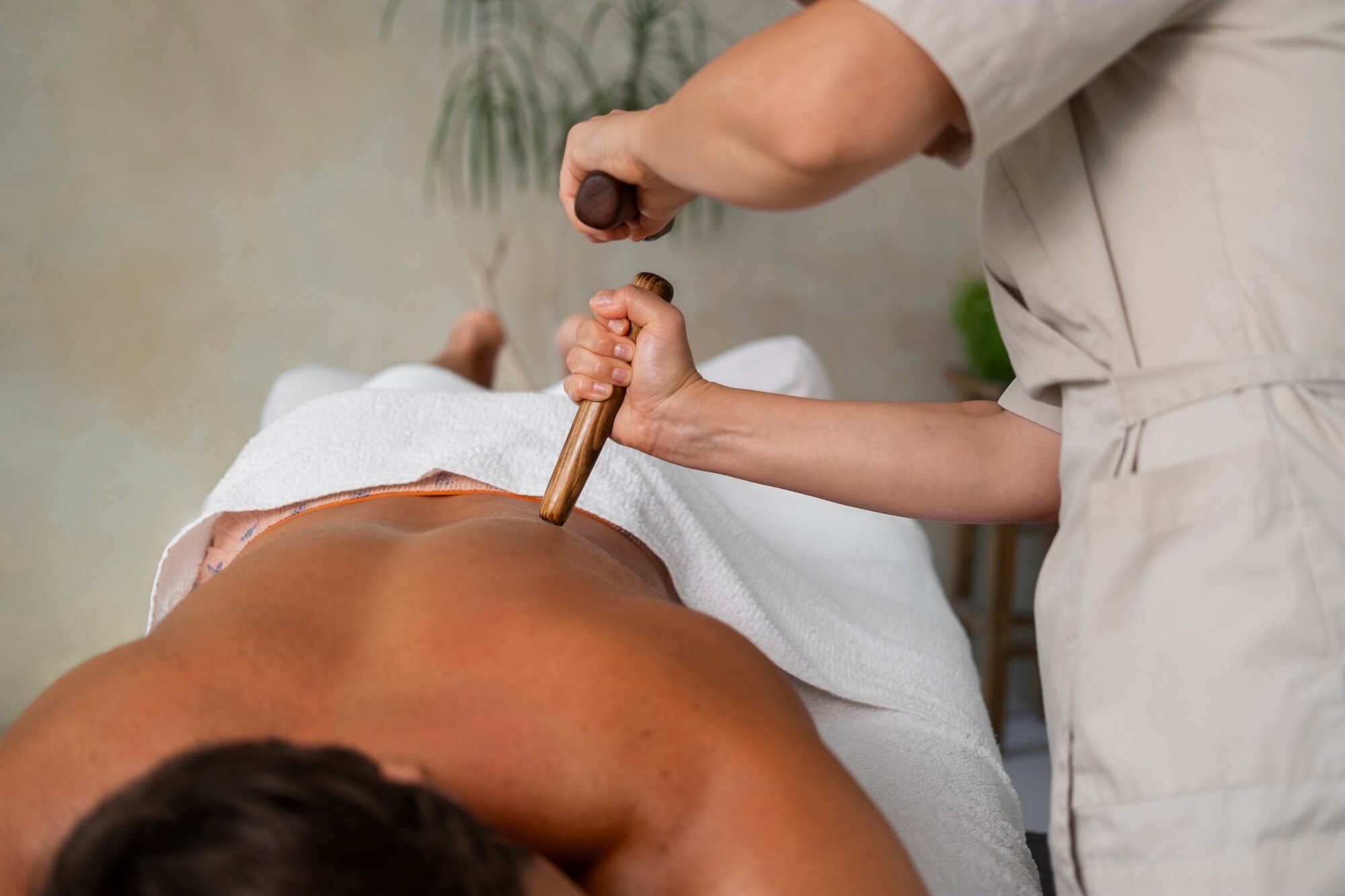
Panchakarma Therapy for Diabetes
Panchakarma is one of Ayurveda's classical detoxification and rejuvenation therapies. Depending on the patient's health status, selected Panchakarma procedures may be recommended to support metabolic health.
Commonly recommended therapies may include:
Abhyanga
A full-body massage using medicated herbal oils that helps improve circulation, reduce stress, and support overall well-being.
Swedana
Herbal steam therapy that promotes relaxation and supports detoxification.
Udwartana
A therapeutic herbal powder massage that may be recommended for individuals with obesity and metabolic imbalance.
Virechana
A physician-supervised cleansing therapy that aims to eliminate excess Pitta and support digestive health.
Basti
Medicated enemas are considered one of Ayurveda's important therapies for balancing Vata and supporting systemic health when clinically indicated.
Panchakarma therapies are recommended only after a thorough evaluation by an Ayurvedic doctor and are customized according to the individual's health condition.
Ayurvedic Herbs Commonly Used in Diabetes Management
Ayurveda has traditionally used a variety of medicinal herbs to support healthy metabolism and blood sugar regulation. The selection of herbs is based on an individual's Prakriti (body constitution), dosha imbalance, age, overall health, and stage of diabetes. These herbs should only be used under the supervision of a qualified Ayurvedic physician, especially if you are already taking diabetes medications.
Some commonly used Ayurvedic herbs include:
Gudmar (Gymnema sylvestre)
Known as the "sugar destroyer," Gudmar is traditionally used to support healthy blood sugar metabolism and may help reduce sugar cravings.
Vijaysar (Pterocarpus marsupium)
Vijaysar has been used in Ayurveda for centuries to support glucose metabolism and overall metabolic health.
Karela (Bitter Gourd)
Bitter gourd is commonly included in Ayurvedic dietary recommendations due to its role in supporting healthy blood sugar levels as part of a balanced diet.
Methi (Fenugreek)
Fenugreek seeds are rich in soluble fiber and are traditionally used to support digestion and carbohydrate metabolism.
Amla (Indian Gooseberry)
Amla is valued for its antioxidant properties and is commonly used in Ayurvedic formulations to promote overall health and immunity.
Turmeric (Haridra)
Turmeric is well known for its anti-inflammatory and antioxidant properties and may support overall metabolic wellness.
Note: Herbal medicines should not replace prescribed diabetes medications. Any changes to your treatment plan should be made only under the guidance of your healthcare provider.
Ayurvedic Diet for Diabetes
Lifestyle Recommendations for Diabetes
Yoga and Stress Management
Our Diabetes Treatment Process at Adyant Ayurveda
Every patient's journey begins with a detailed consultation and continues with regular follow-up to monitor progress.
Step 1 – Comprehensive Consultation
A thorough assessment of your medical history, symptoms, lifestyle, and current medications.
Step 2 – Ayurvedic Evaluation
Assessment of Prakriti (body constitution), dosha imbalance, digestive strength (Agni), and overall metabolic health.
Step 3 – Review of Diagnostic Reports
Evaluation of blood sugar levels, HbA1c, lipid profile, kidney function, and other relevant investigations.
Step 4 – Personalized Treatment Plan
Customized herbal medicines, Panchakarma therapies (if indicated), diet recommendations, and lifestyle modifications.
Step 5 – Regular Follow-Up
Periodic consultations to assess progress, modify treatment if needed, and support long-term diabetes management.
Benefits of Ayurvedic Treatment for Diabetes
Why Choose Adyant Ayurveda?
Book Your Consultation for Ayurvedic Treatment for Diabetes in Bangalore
If you are searching for Ayurvedic Treatment for Diabetes in Bangalore, Adyant Ayurveda offers compassionate, personalized, and holistic care designed to support your long-term health. Our experienced Ayurvedic doctors evaluate your unique health condition and create individualized treatment plans that may include herbal medicines, Panchakarma therapies, dietary guidance, yoga, and lifestyle modifications.
Diabetes is a lifelong condition that requires consistent care, regular monitoring, and healthy lifestyle choices. With a patient-centered approach and personalized Ayurvedic management, our goal is to help you achieve better metabolic health, improve your overall well-being, and reduce the risk of diabetes-related complications.
Take the first step toward holistic diabetes management by scheduling a consultation with Adyant Ayurveda and begin your journey toward a healthier, more balanced life.
2. Is Ayurvedic treatment suitable for Type 2 diabetes?
Many individuals with Type 2 diabetes choose Ayurveda as a complementary approach alongside conventional medical care. Treatment plans are personalized based on individual health needs.
3. Can I continue my diabetes medicines during Ayurvedic treatment?
Yes. Do not stop or change your prescribed medications without consulting your treating physician. Your Ayurvedic doctor will coordinate treatment appropriately.
4. Is Panchakarma helpful for diabetes?
Selected Panchakarma therapies may support metabolic health, digestion, and overall wellness when recommended by a qualified Ayurvedic physician.
5. How long does Ayurvedic treatment take?
The duration varies depending on the severity of diabetes, body constitution, lifestyle, and treatment goals. Diabetes management generally requires long-term follow-up.
6. Is Ayurvedic treatment safe?
When prescribed by qualified Ayurvedic practitioners and monitored appropriately, Ayurvedic treatment is generally considered safe. Always disclose all medications and supplements you are taking.
7. Can Ayurveda help reduce HbA1c?
For some individuals, Ayurvedic care combined with healthy eating, exercise, weight management, and conventional medical treatment may contribute to improved blood sugar control. Results vary from person to person.
8. Who should consult an Ayurvedic doctor for diabetes?
People with prediabetes, Type 2 diabetes, insulin resistance, metabolic syndrome, obesity-related diabetes, or those seeking holistic support may benefit from an Ayurvedic consultation.
9. What lifestyle changes help manage diabetes?
Regular physical activity, a balanced diet, adequate sleep, stress management, maintaining a healthy weight, and following your treatment plan are essential for effective diabetes management.
10. Why is early treatment important?
Early diagnosis and timely management can help improve blood sugar control and reduce the risk of long-term complications affecting the heart, kidneys, eyes, nerves, and blood vessels.