
Hero Background
Ayurvedic Treatment for Paralysis in Bangalore

Ayurvedic Treatment for Paralysis in Bangalore

Ayurvedic treatment for paralysis in Bangalore may be considered as part of an individualized rehabilitation and supportive-care plan for people living with paralysis, post-stroke weakness, hemiplegia, hemiparesis, facial paralysis and certain neurological conditions.

Request an Appointment
bg

Paralysis can affect movement, muscle strength, coordination, balance, speech, swallowing and the ability to perform everyday activities. The recovery process varies from person to person and depends on the underlying cause, severity of neurological involvement, overall health, time since onset and rehabilitation.

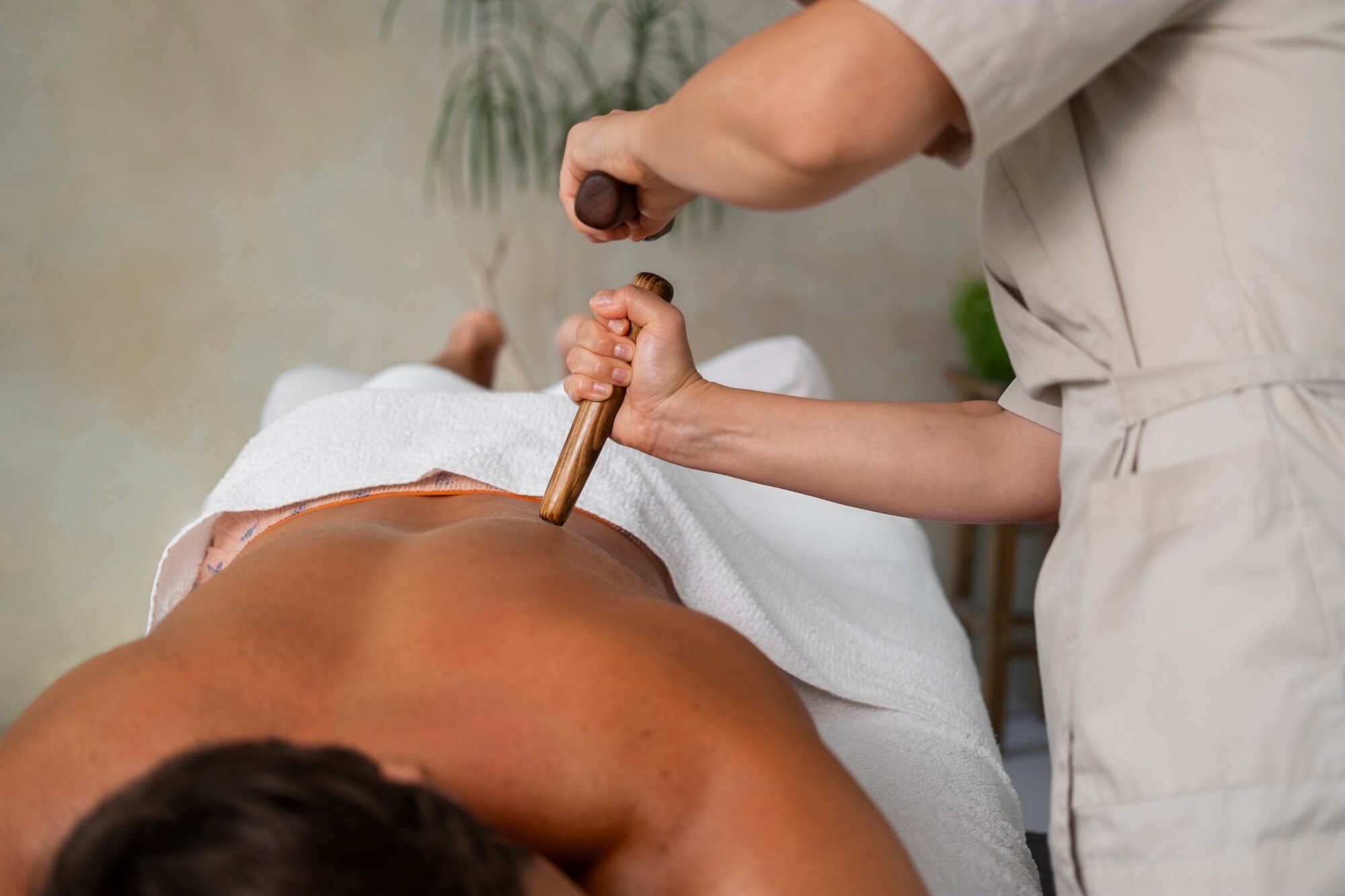
At Adyant Ayurveda, Ayurvedic treatment is planned according to the individual's health condition, medical history, symptoms, strength, stage of recovery and Ayurvedic assessment. Depending on suitability, treatment may include therapies such as Abhyanga, Swedana, Basti, Nasya and other physician-selected Ayurvedic procedures, along with medicines, diet, lifestyle guidance and rehabilitation support.

Ayurveda should not replace emergency medical treatment, neurological care or prescribed rehabilitation. Instead, when clinically appropriate, it may be incorporated as a supportive component of a broader recovery plan.

Important: Sudden weakness or paralysis, particularly on one side of the body, may be a sign of stroke. Seek emergency medical attention immediately. Do not wait for an Ayurvedic consultation when paralysis develops suddenly.

Quick Answer: Can Ayurveda Help With Paralysis?

Ayurveda may provide supportive care for selected patients with paralysis, particularly during rehabilitation after the underlying medical condition has been evaluated and stabilized. The Ayurvedic approach may focus on: The extent of recovery depends primarily on the cause and severity of the neurological condition. Ayurveda cannot guarantee complete recovery from paralysis, and treatment outcomes vary between individuals.
Supporting mobility and functional movement
Managing stiffness and discomfort
Supporting muscle flexibility
Encouraging participation in rehabilitation
Providing individualized diet and lifestyle guidance
Supporting general strength and wellbeing

What Is Paralysis?

Paralysis is the loss or significant impairment of voluntary movement in one or more parts of the body. It can occur when the brain, spinal cord, peripheral nerves or other structures involved in movement are affected. Depending on the cause, paralysis may involve: Some patients experience complete loss of movement, while others have partial weakness or reduced control. Paralysis can be temporary, long-lasting or progressive. Identifying the underlying cause is therefore an essential part of appropriate treatment planning.
One side of the body
One arm or leg
Both legs
All four limbs
Facial muscles
Speech and swallowing
Balance and coordination
Fine motor movements

Common Types of Paralysis

Hemiplegia

Hemiplegia refers to paralysis affecting one side of the body. It commonly occurs following a stroke and may affect the arm, leg and facial muscles on the affected side.

Hemiparesis

Hemiparesis means weakness affecting one side of the body. Unlike complete paralysis, some movement remains, but strength, coordination or control may be reduced.

Facial Paralysis

Facial paralysis affects the muscles responsible for facial movement. Depending on the cause, a person may have difficulty smiling, closing one eye or moving one side of the face.

Monoplegia

Monoplegia affects a single limb, such as one arm or one leg.

Paraplegia

Paraplegia primarily affects the lower limbs and may occur because of spinal cord injury or certain neurological conditions.

Quadriplegia

Quadriplegia affects both arms and both legs and can occur following significant spinal cord or neurological injury.

What Causes Paralysis?

Paralysis can have many different causes. Common causes include: Stroke is an especially important cause because it can result in sudden weakness or paralysis on one side of the body. The treatment approach should always be based on the underlying diagnosis. Paralysis after stroke, spinal cord injury and peripheral nerve disease are not identical conditions and should not be managed with the same treatment plan.
Stroke
Brain injury
Spinal cord injury
Certain neurological disorders
Peripheral nerve disorders
Autoimmune neurological conditions
Certain infections
Conditions affecting the brain or spinal cord
Other disorders affecting motor pathways

Symptoms of Paralysis

Symptoms vary depending on which part of the nervous system is affected. Possible symptoms include: Some patients may also experience fatigue, frustration or reduced confidence because paralysis can affect independence and social participation. For this reason, rehabilitation should address functional ability as well as physical symptoms.
Weakness in an arm or leg
Difficulty moving a limb
Reduced grip strength
Difficulty walking
Muscle stiffness
Changes in muscle tone
Poor balance
Difficulty coordinating movements
Altered sensation or numbness
Facial weakness
Difficulty speaking
Difficulty swallowing
Reduced ability to perform daily activities

When Is Paralysis a Medical Emergency?

Sudden-onset paralysis is an emergency until a serious cause such as stroke has been ruled out. Seek immediate emergency medical attention if a person suddenly develops: These symptoms can occur with stroke and other serious neurological conditions where timely medical treatment is critical. Do not attempt to treat sudden paralysis at home with massage, oils, Panchakarma or Ayurvedic medicines. After emergency evaluation, diagnosis and stabilization, an Ayurvedic physician can assess whether supportive Ayurvedic treatment is appropriate during the rehabilitation phase.
Weakness or numbness on one side of the body
Facial drooping
Difficulty speaking
Difficulty understanding speech
Sudden difficulty walking
Sudden loss of balance
Sudden vision problems
Sudden confusion
Severe unexplained dizziness
Loss of consciousness

Paralysis in Ayurveda

In classical Ayurveda, conditions involving significant impairment of movement are discussed among Vata disorders, including Pakshaghata.

Vata is traditionally associated with movement and the coordination of bodily functions. Ayurvedic assessment therefore pays particular attention to patterns involving movement, strength, stiffness, sensation and functional ability.

However, Pakshaghata is an Ayurvedic clinical concept and should not simply be equated with every modern neurological diagnosis called paralysis.

A patient diagnosed with stroke, spinal cord injury or another neurological disorder still requires appropriate medical diagnosis and follow-up.

Ayurvedic assessment can then be used to develop an individualized supportive treatment plan where appropriate.

What Is Pakshaghata?

Pakshaghata is a classical Ayurvedic condition traditionally associated with Vata disorders and impairment of movement, often involving one side or particular parts of the body. Depending on the presentation, a person may experience: An Ayurvedic physician does not assess Pakshaghata based on one symptom alone. The patient's constitution, strength, digestive status, duration of illness, associated symptoms and overall health are considered.
Reduced movement
Weakness
Stiffness
Difficulty walking
Reduced coordination
Altered sensation
Facial involvement
Speech-related difficulties

Understanding Vata in Paralysis

From an Ayurvedic perspective, Vata has an important role in movement and coordination. An Ayurvedic physician may therefore assess whether the patient's presentation involves: Two classical concepts that may be considered in Ayurvedic clinical reasoning are Dhatu Kshaya and Avarana. Dhatu Kshaya Dhatu Kshaya broadly refers to depletion or reduction in the nourishment or strength of body tissues. Avarana Avarana refers to obstruction or covering that interferes with the normal functioning or movement of a dosha. These are traditional Ayurvedic concepts and should not be interpreted as direct equivalents of modern neurological mechanisms.
Vata aggravation
Tissue depletion
Obstruction or Avarana
Reduced strength
Stiffness
Changes in functional movement

Ayurvedic Assessment for Paralysis

A detailed assessment is important before beginning treatment. The physician may review: The Ayurvedic assessment may additionally consider: This information helps the physician decide which therapies, if any, are appropriate.
Medical diagnosis
Cause of paralysis
Date and pattern of onset
Previous hospital treatment
Stroke or neurological history
Current medications
Blood pressure
Diabetes and other metabolic conditions
Muscle strength
Mobility
Balance
Stiffness
Speech and swallowing concerns
Sleep
Digestion
Diet and lifestyle
Overall physical strength
Prakriti
Vikriti
Dosha involvement
Agni
Bala
Dhatu status
Lifestyle factors

Ayurvedic Treatment for Paralysis in Bangalore

There is no single Ayurvedic treatment that is suitable for every person with paralysis. At Adyant Ayurveda, treatment may be personalized according to the patient's condition and may include selected Ayurvedic therapies, medicines, diet and lifestyle recommendations, and rehabilitation support. Depending on the individual assessment, therapies may include: The treatment plan, frequency and duration are determined by the treating physician.
Abhyanga
Snehana
Swedana
Pinda Sweda
Basti
Nasya
Selected Panchakarma procedures
Localized therapeutic procedures
Physician-prescribed Ayurvedic medicines
Diet and lifestyle guidance

Abhyanga for Paralysis

Abhyanga is an Ayurvedic therapeutic oil application and massage procedure. When clinically appropriate, it may be used to support: The choice of oil, technique, duration and frequency depends on the individual's condition. Abhyanga should be considered one component of a personalized treatment plan rather than a standalone cure for paralysis.
Muscle relaxation
Flexibility
Mobility
Comfort
Management of stiffness
General musculoskeletal wellbeing

Swedana for Paralysis

Swedana refers to selected Ayurvedic fomentation therapies.

For some patients, appropriately selected Swedana may be used as part of a treatment plan where stiffness or restricted mobility is present.

The intensity and type of therapy should be determined according to the patient's age, strength, medical history and current condition.

Not every paralysis patient is suitable for every type of fomentation.

Pinda Sweda and Other External Therapies

Certain Pinda Sweda procedures may be considered for selected patients.

Depending on the Ayurvedic assessment, these therapies may be used to support management of stiffness, weakness and restricted mobility.

Other localized Ayurvedic therapies may also be considered depending on the affected areas and treatment goals.

The important principle is individualization: a therapy should be selected because it is appropriate for the patient, not simply because it is commonly associated with paralysis treatment.

Basti Therapy for Paralysis

Basti is one of the classical Ayurvedic therapies traditionally associated with Vata disorders.

Depending on the patient's condition, a physician may consider a suitable form of Basti as part of an individualized treatment plan.

The type, ingredients, schedule and duration must be determined by a qualified Ayurvedic physician.

Basti should not be self-administered or selected solely from information found online.

Nasya Therapy

Nasya is a classical Ayurvedic procedure involving administration of appropriately selected substances through the nasal route.

It is traditionally used for selected conditions involving the head and neck region.

For patients with paralysis or facial involvement, its suitability depends on the individual's diagnosis, health status and Ayurvedic assessment.

Is Panchakarma Suitable for Paralysis?

Panchakarma is a group of Ayurvedic therapeutic procedures rather than one single treatment. For selected patients, a physician may consider therapies such as: However, Panchakarma is not automatically appropriate for every paralysis patient. This is particularly important for patients who: Medical stabilization and appropriate rehabilitation should take priority after an acute neurological event.
Abhyanga
Swedana
Basti
Nasya
Other individualized procedures
Recently experienced a stroke
Are medically unstable
Are elderly or physically weak
Have multiple medical conditions
Take several prescription medicines
Have swallowing difficulties
Have significant cardiovascular or metabolic conditions

Ayurvedic Medicines for Paralysis

Ayurvedic medicines may be prescribed when appropriate, but there is no universal medicine suitable for every paralysis patient. The physician may consider: Patients should not self-medicate with Ayurvedic herbs or formulations based on online lists. This is particularly important for people taking medicines after stroke or for blood pressure, diabetes, heart disease or other chronic conditions. Do not discontinue prescribed medicines without consulting the doctor responsible for your medical care.
Cause of paralysis
Age
Prakriti
Strength
Digestive function
Duration of illness
Associated symptoms
Current medicines
Other medical conditions
Stage of rehabilitation

Ayurveda and Physiotherapy for Paralysis

Physiotherapy is an important part of rehabilitation for many patients with paralysis. Ayurvedic treatment may be integrated with rehabilitation when clinically appropriate. Depending on individual needs, rehabilitation may include: The goal is not simply to move a limb but to improve safe and useful function in everyday life. Patients should continue their prescribed rehabilitation program and discuss any treatment changes with their rehabilitation or medical team.
Range-of-motion exercises
Muscle strengthening
Balance training
Gait training
Hand and grip exercises
Occupational therapy
Speech therapy
Swallowing therapy
Functional training

Ayurvedic Support for Post-Stroke Paralysis

Stroke is a major cause of one-sided weakness and paralysis. Post-stroke recovery can involve several stages. Acute Stage The priority is emergency treatment, neurological assessment and medical stabilization. Rehabilitation Stage Once medically stable, rehabilitation may focus on: Long-Term Recovery Some patients continue to experience weakness, stiffness or mobility limitations after the initial rehabilitation period. In selected cases, Ayurvedic treatment may be considered as supportive long-term care alongside appropriate rehabilitation and medical follow-up.
Movement
Strength
Balance
Walking
Hand function
Coordination
Speech
Swallowing
Independence in daily activities

Diet for Paralysis Recovery

A balanced diet can support overall health during rehabilitation. Depending on the patient's needs, the diet may include: Diet should be individualized. Patients with diabetes, hypertension, kidney disease, swallowing problems or other conditions may require specific dietary recommendations. An Ayurvedic physician can provide personalized diet guidance while taking the patient's broader medical needs into account.
Adequate protein
Vegetables
Fruits
Whole grains where appropriate
Healthy fats
Adequate fluids
Nutritionally balanced meals

Lifestyle and Rehabilitation During Paralysis Recovery

A consistent routine can support long-term rehabilitation. Depending on medical advice, patients may benefit from: Family and caregiver support can also make a major difference in maintaining treatment and rehabilitation routines.
Regular prescribed physiotherapy
Appropriate exercises
Adequate sleep
Balanced meals
Sufficient hydration
Maintaining a healthy weight
Avoiding tobacco
Limiting alcohol
Regular medical follow-up
Appropriate stress-management practices

Can Yoga Help During Paralysis Recovery?

Yoga may be used as a supportive activity for selected patients.

However, exercises must be adapted to the patient's strength, balance and neurological status.

Patients with recent stroke, severe weakness or significant balance problems should not begin challenging yoga practices independently.

Yoga should be introduced only when appropriate and preferably coordinated with the patient's rehabilitation plan.

How Long Does Ayurvedic Treatment for Paralysis Take?

There is no standard treatment duration for paralysis. Recovery depends on: Some people experience meaningful functional improvements during rehabilitation, while others may continue to have long-term limitations. A responsible treatment plan should therefore establish realistic functional goals rather than promise recovery within a fixed number of days or weeks.
Cause of paralysis
Severity
Location of neurological injury
Age
Overall health
Time since onset
Existing medical conditions
Rehabilitation participation
Physiotherapy consistency
Individual response

Can Ayurveda Completely Cure Paralysis?

The answer depends on the underlying cause, severity and extent of neurological damage.

Ayurvedic treatment may be used as supportive care for selected patients and may focus on mobility, flexibility, stiffness management, functional ability and quality of life.

However, complete recovery cannot be guaranteed.

Patients should not discontinue neurological medicines, rehabilitation or other prescribed treatment in favour of Ayurveda alone.

The safest approach is individualized care involving appropriate medical evaluation, rehabilitation and supportive Ayurvedic treatment when suitable.

Who May Consider Ayurvedic Treatment for Paralysis?

An Ayurvedic consultation may be appropriate to explore supportive care for people who are: Suitability for specific therapies must be determined by the treating physician.
Recovering after a stroke
Living with post-stroke weakness
Experiencing chronic stiffness or mobility limitations
Undergoing physiotherapy
Recovering from certain neurological conditions
Looking for individualized Ayurvedic rehabilitation support
Seeking personalized diet and lifestyle guidance

Why Choose Adyant Ayurveda for Paralysis Treatment in Bangalore?

Choosing Ayurvedic care for a neurological condition requires more than simply selecting a clinic offering Panchakarma. Patients should look for: Adyant Ayurveda provides Ayurvedic consultations and therapies through multiple Bengaluru branches, allowing patients to seek care closer to their location. The clinic's current official doctor listing includes physicians across Jayanagar, Indiranagar, Rajarajeshwari Nagar, Kalyan Nagar and Bannerghatta Road.
Qualified Ayurvedic physicians
Individualized assessment
Clear treatment planning
Appropriate physician supervision
Responsible communication about expected outcomes
Coordination with rehabilitation where needed
Follow-up and monitoring
Convenient access to care

Experienced Ayurvedic Doctors at Adyant Ayurveda

Jayanagar

Adyant's current doctor listings include experienced Ayurvedic physicians at the Jayanagar branch, including Dr. Shree Lakshmi, whose profile lists BAMS and extensive clinical experience. Patients can confirm current doctor availability while booking.

Indiranagar

Dr. Sumana Patavardhan K.S. is listed as a Senior Ayurvedic Doctor at Adyant Ayurveda, Indiranagar, with more than 24 years of clinical practice. Her official profile describes experience in individualized Ayurvedic care and a broad range of chronic and lifestyle-related conditions.

Rajarajeshwari Nagar

Adyant's current listings include Ayurvedic physicians serving the Rajarajeshwari Nagar branch, including Dr. Preethi J. Patients should confirm current consultation schedules when booking.

Kalyan Nagar

Dr. Vidya is listed as a Senior Ayurvedic Doctor at Adyant Ayurveda, Kalyan Nagar, with more than 18 years of clinical experience. Her listed areas of clinical focus include neurological concerns among a broad range of Ayurvedic conditions.

Bannerghatta Road

Dr. Bhagyalaxmi is listed as the Senior and Chief Ayurveda Medical Officer at Adyant Ayurveda's Bannerghatta Road branch, with more than two decades of Ayurvedic experience.

Adyant also lists Dr. Sujatha S. B at the Bannerghatta Road branch, with close to two decades of clinical practice.

Doctor availability can change, so patients should confirm the appropriate physician and appointment schedule before visiting.

Adyant Ayurveda Paralysis Treatment Centres in Bangalore

Patients can enquire about Ayurvedic consultation at Adyant Ayurveda's Bengaluru branches:

Adyant Ayurveda – Jayanagar

Serving patients from Jayanagar and surrounding areas of South Bengaluru.

Adyant Ayurveda – Indiranagar

Convenient for patients from Indiranagar and surrounding central and eastern areas of Bengaluru.

Adyant Ayurveda – Rajarajeshwari Nagar

Serving patients from RR Nagar and surrounding western Bengaluru areas.

Adyant Ayurveda – Kalyan Nagar

Serving patients from Kalyan Nagar and surrounding North-East Bengaluru areas.

Adyant Ayurveda – Bannerghatta Road

Serving patients from Bannerghatta Road and surrounding South Bengaluru areas.

Patients can contact Adyant Ayurveda to confirm the nearest branch, available physician and appointment timing.

What to Expect During Your Ayurvedic Paralysis Consultation

1. Medical History Review

The physician reviews the patient's diagnosis, previous treatment, current medicines and recovery status.

2. Ayurvedic Assessment

The physician assesses the patient's constitution, symptoms, strength, digestion, lifestyle and other relevant Ayurvedic factors.

3. Treatment Planning

If Ayurvedic treatment is appropriate, a personalized plan may include selected therapies, medicines, diet, lifestyle recommendations and rehabilitation support.

4. Monitoring

Progress can be reviewed according to functional goals such as movement, stiffness, walking, balance and daily activity.

5. Follow-Up

Treatment recommendations may be adjusted based on the patient's response and changing needs.

Book an Ayurvedic Consultation for Paralysis in Bangalore

If you or a family member is recovering from paralysis, post-stroke weakness or another neurological condition, an individualized Ayurvedic consultation can help determine whether supportive Ayurvedic treatment is appropriate.

At Adyant Ayurveda, the treatment approach is based on the individual's condition, medical history, stage of recovery, symptoms, strength and Ayurvedic assessment.

Book a consultation at the Adyant Ayurveda branch most convenient for you in Bangalore.

Jayanagar | Indiranagar | Rajarajeshwari Nagar | Kalyan Nagar | Bannerghatta Road

Working Hours: 8:00 AM – 8:00 PM

Medical Disclaimer: This page provides general educational information and should not be considered a substitute for diagnosis or emergency medical care. Individual treatment suitability and outcomes vary. Do not discontinue prescribed medicines or rehabilitation without advice from your treating healthcare professional. If paralysis or one-sided weakness develops suddenly, seek emergency medical attention immediately.

Ayurvedic Treatment Near Me in Bangalore

Ayurvedic Treatment Near Me in Bangalore

Adyant Ayurveda's five Bengaluru locations allow patients to choose a branch based on their area.

Area Clinic
South BengaluruJayanagar
East BengaluruIndiranagar
West BengaluruRajarajeshwari Nagar
North BengaluruKalyan Nagar
South Bengaluru / Bannerghatta areaBannerghatta Road

Frequently Asked Questions