
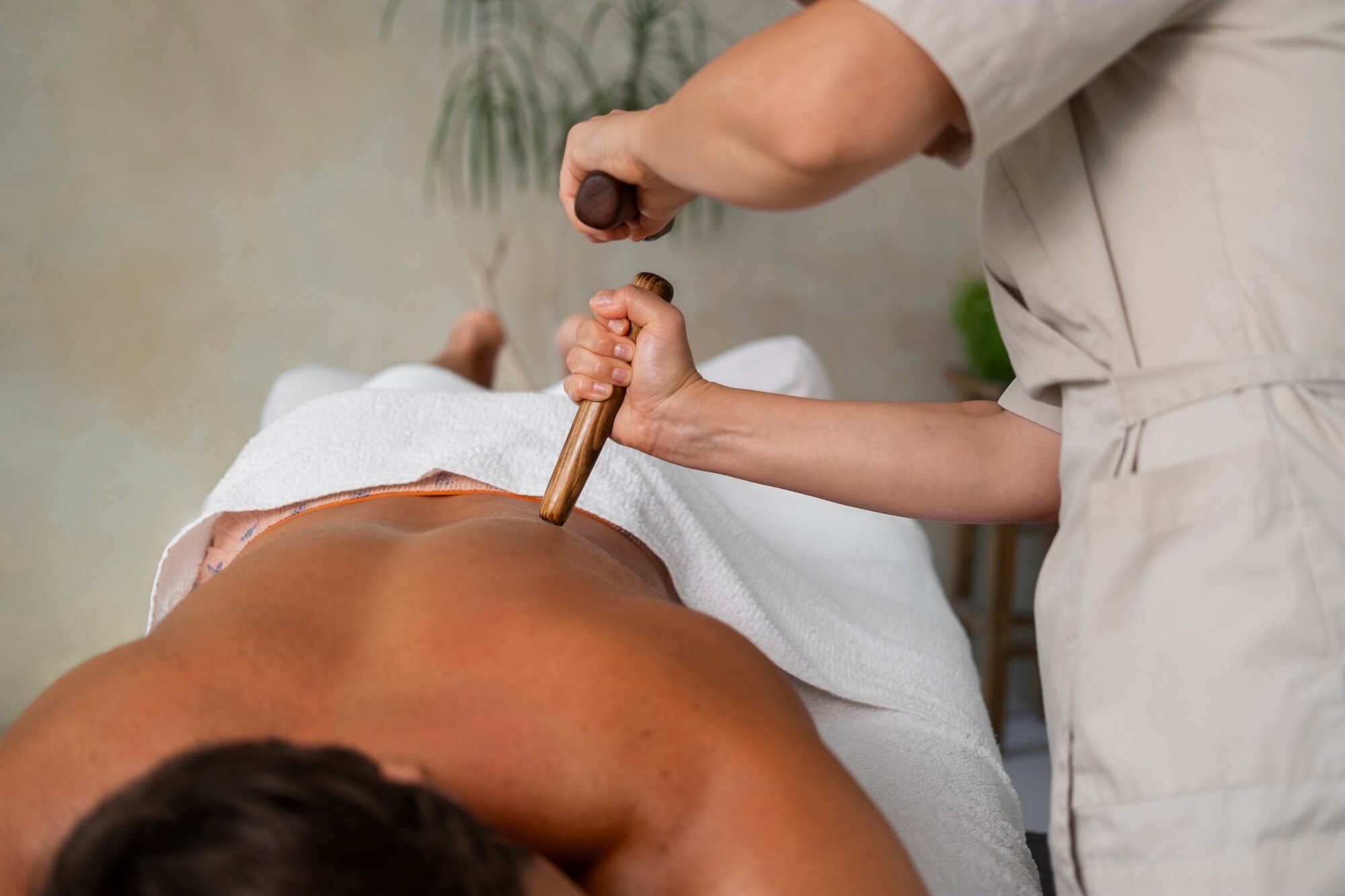
Virechana Treatment in Bangalore
Authentic Ayurvedic Virechana Panchakarma Under Physician Guidance
Request an Appointment

Looking for Virechana Treatment in Bangalore?
Virechana is a classical Ayurvedic Panchakarma procedure traditionally used for therapeutic purgation and primarily associated with the management of aggravated Pitta Dosha. Unlike a routine laxative or short-term "detox," classical Virechana is a structured therapeutic process that begins with an Ayurvedic assessment and may include preparation, the main procedure and post-treatment dietary care.
At Adyant Ayurveda, Virechana is planned according to the individual patient's constitution, current health condition, digestive capacity, strength, symptoms and treatment requirements. Our approach combines classical Ayurvedic principles with structured clinical assessment and physician-guided Panchakarma care.
Adyant Ayurveda has 28+ years of clinical expertise, 35,000+ patients treated and five clinics across Bangalore, with Ayurvedic care available at:
Jayanagar | Indiranagar | Rajarajeshwari Nagar | Kalyan Nagar | Bannerghatta Road
Start With a Doctor Consultation
Virechana is not appropriate for everyone. A qualified Ayurvedic physician should first determine whether the procedure is suitable for you.
Book a Virechana consultation at Adyant Ayurveda.
What Is Virechana Treatment?
Virechana in the Ayurvedic Panchakarma System
Panchakarma refers to five classical therapeutic procedures:
1. Vamana – therapeutic emesis
2. Virechana – therapeutic purgation
3. Basti – medicated enema therapy
4. Nasya – nasal administration of medicines
5. Raktamokshana – therapeutic bloodletting
Each procedure has a different therapeutic role.
Virechana is traditionally associated primarily with Pitta management.
That does not mean that every person with a Pitta-related complaint should undergo Virechana. The physician first determines whether the therapy is indicated, whether the patient is fit for it and whether another Ayurvedic treatment would be more appropriate.
Why Is Virechana Recommended in Ayurveda?
Who May Benefit From Virechana?
There is no single list of symptoms that automatically means a person "needs" Virechana.
A patient may be considered for Virechana when the physician identifies an appropriate Ayurvedic indication and the person is physically suitable for the procedure.
The assessment may consider:
Pitta-related symptoms
The physician may look for features suggesting Pitta involvement according to Ayurvedic principles.
Digestive status
Appetite, digestion, bowel habits and other gastrointestinal factors are considered.
Overall strength
The ability to undergo Panchakarma is assessed rather than assuming that every patient can tolerate the same procedure.
Chronicity and disease pattern
The duration and nature of the health concern may influence treatment selection.
Previous treatment
Previous Ayurvedic and conventional treatments are relevant when planning Panchakarma.
Health Conditions Where Virechana May Be Considered
Virechana may be incorporated into treatment planning for selected conditions.
Skin Disorders
Virechana is traditionally associated with Pitta management and may be considered in selected Pitta-dominant skin disorders.
Depending on the patient's condition, treatment may also include internal Ayurvedic medicines, dietary modifications and other therapies.
Digestive Disorders
Selected digestive complaints may be evaluated for Virechana after assessing digestive capacity and the Ayurvedic disease pattern.
Pitta-Associated Headaches
In appropriate cases, Virechana may form part of an Ayurvedic treatment programme where Pitta involvement is considered significant.
Selected Metabolic Conditions
Panchakarma may sometimes be incorporated into an individualized treatment programme for selected metabolic concerns. It should complement appropriate medical assessment and monitoring.
Other Pitta-Dominant Conditions
The physician may consider Virechana when the Ayurvedic assessment supports its use.
Important: Having a particular diagnosis does not automatically make Virechana appropriate.
Virechana for Skin Health
Virechana and Digestive Health
Why Doctor Assessment Is Essential Before Virechana
Virechana is not a treatment that should be selected solely from an online symptom checklist.
The physician needs to determine:
Is Virechana indicated?
Is the patient fit for Virechana?
What preparation is required?
Which medicine and dosage are appropriate?
What post-treatment care is needed?
Would another Panchakarma procedure be more suitable?
This is why Adyant Ayurveda begins Panchakarma planning with a physician consultation rather than immediately starting the procedure.
How Virechana Treatment Works at Adyant Ayurveda
Stage 2: Pradhana Karma – Virechana Procedure
Stage 3: Paschat Karma – Post-Treatment Recovery
What Should You Eat Before Virechana?
What Should You Eat After Virechana?
What Does Virechana Feel Like?
How Long Does Virechana Treatment Take?
What Is the Best Time for Virechana?
When Should Virechana Be Postponed?
Virechana vs Laxatives
Virechana should not be confused with routine laxative use.
Virechana
Routine laxative use
Classical Panchakarma procedure
Symptomatic bowel treatment
Requires Ayurvedic assessment
May be self-administered
Individualized treatment plan
Usually standardized dosing
May involve Purvakarma
Usually no Panchakarma preparation
Physician-guided
May be unsupervised
Includes post-treatment dietary care
Usually no structured recovery phase
Taking a strong laxative at home is not equivalent to classical Virechana.
Virechana vs Basti
Virechana and Basti are both Panchakarma procedures, but they have different therapeutic roles.
Virechana involves therapeutic purgation through the gastrointestinal tract and is traditionally associated primarily with Pitta management.
Basti involves administration of medicated preparations through the rectal route and is traditionally associated particularly with Vata management.
The choice between them depends on the patient's condition and Ayurvedic assessment.
Some patients may receive both as part of a broader Panchakarma programme, while others may require only one.
Can Virechana Be Combined With Other Panchakarma?
Virechana Safety and Possible Temporary Effects
Virechana Treatment Cost in Bangalore
Why Choose Adyant Ayurveda for Virechana Treatment in Bangalore?
28+ Years of Ayurvedic Clinical Experience
Adyant Ayurveda states that it has more than 28 years of clinical expertise in Ayurveda and Panchakarma.
35,000+ Patients Treated
The current Adyant Ayurveda About page states that the organization has treated 35,000+ patients.
Physician-Led Treatment
Adyant's treatment approach emphasizes assessment and treatment planning by qualified Ayurvedic physicians rather than generic spa-style Panchakarma packages.
Classical Panchakarma Protocols
The clinic describes its Panchakarma approach as being based on classical Ayurvedic protocols with individualized treatment planning.
Structured Monitoring
Treatment plans can be reviewed and modified according to patient response and clinical requirements.
Five Bangalore Clinics
Patients can access Adyant Ayurveda at five Bangalore locations:
Jayanagar | Indiranagar | Rajarajeshwari Nagar | Kalyan Nagar | Bannerghatta Road
Awards and Recognition
Adyant Ayurveda currently highlights the National AYUSH Award 2024 and Times Health Award 2024 for Excellence in Panchakarma Treatment on its website.
Awards should be presented accurately and with the exact official award wording.
Meet the Ayurvedic Doctors at Adyant Ayurveda
Virechana Treatment Across Five Bangalore Locations
Adyant Ayurveda provides access to Ayurvedic consultation and Panchakarma care through five Bangalore clinics.
Jayanagar
Convenient for patients in Jayanagar and surrounding South Bangalore areas.
Indiranagar
Serving patients from Indiranagar and nearby East/Central Bangalore areas.
Rajarajeshwari Nagar
Convenient for patients in RR Nagar and surrounding West Bangalore areas.
Kalyan Nagar
Serving patients from Kalyan Nagar and surrounding North Bangalore neighbourhoods.
Bannerghatta Road
Convenient for patients around Bannerghatta Road and nearby South Bangalore areas.
For local SEO, each branch should have a dedicated location page with its verified address, phone number, doctor availability, timings, map, photographs and services.
The Virechana page should link to those individual location pages rather than placing a large amount of duplicated address information here.
Can You Get Panchakarma at Home?
Adyant Ayurveda currently promotes Home Care services as part of its broader service offering.
However, not every Panchakarma procedure is appropriate for home administration.
Virechana involves therapeutic purgation and should only be undertaken at home if the treating physician has specifically assessed the patient and determined that the planned treatment can be safely provided in that setting.
Do not attempt Virechana independently using medicines purchased online.
Online Ayurvedic Consultation
For patients who cannot immediately visit a clinic, Adyant Ayurveda also provides online consultation as part of its services.
An online consultation can help with initial discussion and treatment planning, but the physician may recommend an in-person assessment before Panchakarma depending on the patient's condition and the procedure being considered.
Your First Virechana Consultation at Adyant Ayurveda
Your consultation is the most important step before starting Panchakarma.
The doctor may ask about:
Your primary concern
What symptoms you have, how long they have been present and how they affect your daily life.
Digestion and bowel habits
Appetite, bowel frequency, acidity, bloating and other digestive factors.
Lifestyle
Sleep, diet, exercise, work routine and daily habits.
Medical history
Previous diagnoses, surgeries, investigations and treatments.
Current medicines
Prescription medicines, over-the-counter medicines and supplements.
Ayurvedic assessment
Prakriti, Vikriti, Agni, Bala and other relevant factors.
The physician then decides whether Virechana is suitable.
What Happens If Virechana Is Not Suitable?
Book Virechana Consultation in Bangalore
If you are considering Virechana Panchakarma in Bangalore, the right first step is not to purchase a detox package or take a purgative on your own.
Start with an Ayurvedic consultation.
At Adyant Ayurveda, your physician can assess your constitution, current health status, digestive capacity and Panchakarma suitability before recommending Virechana.
Adyant Ayurveda
28+ Years of Ayurvedic Clinical Experience
35,000+ Patients Treated
5 Bangalore Clinics
Jayanagar | Indiranagar | Rajarajeshwari Nagar | Kalyan Nagar | Bannerghatta Road
Personalized Ayurvedic Care | Classical Panchakarma | Physician-Guided Treatment
Book Your Consultation
Speak with an Adyant Ayurveda Ayurvedic physician to understand whether Virechana is appropriate for your health condition.
Medical Disclaimer
This page provides general information about Virechana and Ayurvedic Panchakarma. It is not a substitute for an individual medical consultation.
Virechana is not appropriate for every person. Treatment, medicines, dosage, duration and dietary recommendations should be determined by a qualified Ayurvedic physician after appropriate assessment.
If you have severe, acute or potentially serious symptoms, seek appropriate medical evaluation promptly.
Ayurvedic Treatment Near Me in Bangalore
Ayurvedic Treatment Near Me in Bangalore
Adyant Ayurveda's five Bengaluru locations allow patients to choose a branch based on their area.
| Area | Clinic |
|---|---|
| South Bengaluru | Jayanagar |
| East Bengaluru | Indiranagar |
| West Bengaluru | Rajarajeshwari Nagar |
| North Bengaluru | Kalyan Nagar |
| South Bengaluru / Bannerghatta area | Bannerghatta Road |