Agnikarma Treatment in Ayurveda
Agnikarma is a classical Ayurvedic para-surgical procedure involving controlled application of therapeutic heat using specialized instruments to manage chronic musculoskeletal pain, joint disorders, tendonitis, and sports injuries.
Request an Appointment
Table of Contents
Need personalized advice?
Introduction
Agnikarma is one of the specialized para-surgical procedures described in classical Ayurveda. The term Agnikarma combines two Sanskrit words—"Agni" (heat or fire) and "Karma" (therapeutic procedure). It involves the controlled application of therapeutic heat using specially designed instruments to specific points on the body under the supervision of a qualified Ayurvedic physician.
Traditionally, Agnikarma has been used in Ayurveda for the management of selected musculoskeletal disorders, chronic pain conditions, tendon and ligament problems, joint disorders, and certain localized soft tissue conditions. The procedure is described in classical Ayurvedic texts such as the Sushruta Samhita and continues to be practiced by trained Ayurvedic specialists.
At Adyant Ayurveda, Agnikarma is performed only after a comprehensive clinical evaluation. Every treatment plan is individualized based on the patient's diagnosis, medical history, body constitution (Prakriti), dosha imbalance, imaging reports (if available), symptom severity, and overall health status.
Medical Disclaimer: Agnikarma should only be performed by qualified Ayurvedic physicians trained in the procedure. It is not suitable for every patient or every medical condition. A proper diagnosis and medical evaluation are essential before treatment.
Quick Answer: What Is Agnikarma?
Agnikarma is a classical Ayurvedic therapeutic procedure in which controlled heat is applied to carefully selected treatment points using specialized metallic or herbal instruments. According to Ayurvedic principles, the therapy aims to balance aggravated doshas, particularly Vata, support local circulation, and help manage certain chronic musculoskeletal conditions under professional supervision.
Why Is Agnikarma Performed?
According to Ayurveda, pain and stiffness often develop due to Vata Dosha aggravation, impaired circulation, and obstruction within body channels (Srotas). Agnikarma is traditionally performed to:
- Support rapid pain management in chronic conditions
- Improve joint and tissue mobility
- Promote local microcirculation and tissue metabolism
- Help reduce stubborn myofascial stiffness
- Stimulate local cellular repair mechanisms
- Complement conservative musculoskeletal and Panchakarma care
Conditions That May Be Managed with Agnikarma
After appropriate clinical evaluation, Agnikarma may be recommended for selected patients with:
1. Joint Disorders
- Knee pain and chronic osteoarthritis
- Shoulder pain and periarthritis
- Elbow pain, hip pain, and wrist stiffness
2. Spine-Related Conditions
- Cervical spondylosis and neck stiffness
- Lumbar spondylosis and chronic low back pain
- Sciatica and radiating nerve pain (selected cases)
3. Tendon and Ligament Disorders
- Tennis elbow (Lateral epicondylitis)
- Golfer's elbow (Medial epicondylitis)
- Plantar fasciitis and calcaneal heel spur pain
- Achilles tendinitis and chronic tenosynovitis
4. Musculoskeletal Pain & Sports Injuries
- Frozen shoulder (Adhesive capsulitis)
- Myofascial trigger points and muscle knots
- Chronic soft tissue sports injuries post-acute inflammation
Conditions Where Agnikarma May Not Be Appropriate
Agnikarma is a specialized thermal procedure and is generally avoided or postponed in individuals with:
- Active local skin infections, abscesses, or eczema over the site
- Bleeding disorders, active hemorrhages, or patients on heavy anticoagulants
- Uncontrolled high blood pressure or severe cardiovascular disease
- Uncontrolled diabetes with poor peripheral wound healing or neuropathy
- Pregnancy
- Acute traumatic fractures or open lacerations
- High fever or systemic acute inflammation
- Extreme physical weakness or profound exhaustion
How Does Agnikarma Work?
Ayurvedic Perspective: In classical Ayurvedic physiology, Vata dosha has cold (Sheeta) and dry (Ruksha) qualities. Agni (therapeutic heat) possesses hot (Ushna), sharp (Tikshna), and penetrative (Sukshma) qualities that directly pacify cold-induced Vata stagnation, dissolve Ama, and relieve channel obstruction (Srotorodha).
Modern Physiological Perspective:
- Gate Control Mechanism: Thermal stimulation of cutaneous thermoreceptors blocks noxious nociceptive pain signals at the spinal cord level.
- Hyperemia & Circulation: Local thermal application triggers vasodilation, clearing accumulated inflammatory metabolites and bringing oxygenated blood to sluggish tissues.
- Endorphin Release: Therapeutic heat promotes endogenous opioid release, producing lasting analgesia.
- Collagen Realignment: Controlled heat application over chronic tendinopathies breaks micro-adhesions and stimulates fibroblast proliferation.
Specialized Instruments Used in Agnikarma
Ayurvedic classical texts classify specific instruments (Dahanopakaranas) based on tissue depth:
- Panchadhatu Shalaka: A specialized probe forged from five metals (typically copper, iron, bronze, silver, lead/zinc) engineered to retain and transfer heat at precise therapeutic temperatures. Ideal for ligaments, tendons, and joints.
- Swarna Shalaka (Gold Probe): Used for delicate structures and aesthetic areas.
- Roupya Shalaka (Silver Probe): Employed in sensitive tissue areas.
- Pipali, Guda & Kshaudra (Herbal Mediums): Classical organic media utilized for superficial epidermal disorders.
Types and Patterns of Agnikarma Procedures
Classical Sushruta Samhita delineates specific thermal application patterns depending on anatomical morphology and target depth:
- Bindu (Dot/Point Application): Individual micro-points applied over localized trigger points, tendon insertions, or painful nerve spots.
- Rekha (Linear Application): Linear thermal markings traced along the trajectory of a tendon, ligament, or muscle band.
- Valaya (Circular Application): Concentric markings applied surrounding an unstable joint or inflamed bursa.
- Ardhachandra (Crescent-shaped Application): Semi-lunar markings customized for curved joint margins like the patella or acromion.
The Agnikarma Procedure: Step-by-Step
At Adyant Ayurveda, the procedure adheres to rigorous clinical safety and hygiene protocols:
1. Purva Karma (Pre-Procedure Preparation)
Detailed evaluation and precise palpation to identify maximum tenderness points (Viddha points). The skin is cleansed thoroughly with antiseptic herbal solutions. The patient is comfortably positioned.
2. Pradhana Karma (The Main Thermal Procedure)
The specialized Panchadhatu Shalaka is heated to the precise calibrated glow. Under steady, expert hands, therapeutic heat is delivered to the exact anatomical coordinates within fractions of a second. Patients typically report a fleeting warm sensation rather than severe pain.
3. Paschat Karma (Post-Procedure Care)
Immediately upon application, soothing Ayurvedic preparations such as fresh Aloe vera pulp (Ghritakumari), Shatadhauta Ghrita, or Yashtimadhu herbal pastes are applied to cool the surface and prevent blister formation.
Number of Sessions and Treatment Duration
The total duration of an Agnikarma appointment usually spans 20 to 30 minutes, including preparatory examination and aftercare application.
Depending on symptom chronicity and tissue response:
- Some patients with acute tendonitis or trigger points experience substantial relief after 1 to 2 sessions.
- Chronic degenerative conditions (such as severe osteoarthritis or longstanding spondylosis) generally require 3 to 6 sessions spaced at weekly intervals.
Recovery and Aftercare Following Agnikarma
Recovery is rapid and outpatient-based:
- Keep the treated site clean, dry, and protected from water for the first 24 hours.
- Apply prescribed soothing herbal ointments or Ghrita as instructed.
- Avoid scratching or picking at any tiny superficial marks that form; they will heal and slough naturally.
- Avoid heavy physical lifting, intense sports, or direct sun exposure on the day of therapy.
- Adhere to dietary guidelines recommending warm, light foods and avoiding excessively spicy or sour foods.
Possible Risks and Safety Standards
When performed by certified Ayurvedic clinicians using sterile instruments, Agnikarma is remarkably safe. Anticipated temporary responses may include:
- Mild transient redness or localized warmth lasting a few hours
- Tiny superficial scab formation that resolves within 7–10 days
- Temporary mild local sensitivity
At Adyant Ayurveda, sterile single-patient protocols and meticulous post-procedure ointments ensure the highest standards of safety and comfort.
Scientific Evidence on Agnikarma
Multiple peer-reviewed clinical studies indexed in international databases have investigated Agnikarma for musculoskeletal management. Clinical trials comparing Agnikarma to standard conservative management for conditions such as calcaneal spurs, tennis elbow, and knee osteoarthritis demonstrate significant reductions in visual analogue scale (VAS) pain scores and marked improvements in functional mobility scores.
The Ministry of AYUSH and the Central Council for Research in Ayurvedic Sciences (CCRAS) actively recognize and document Agnikarma as an authentic evidence-informed therapeutic intervention.
Why Choose Adyant Ayurveda for Agnikarma?
Adyant Ayurveda offers Bangalore's leading integrative Ayurvedic care backed by decades of clinical practice:
- Highly Trained Ayurvedic Specialists: Clinicians trained in classical Shalya Tantra and para-surgical techniques.
- Sterile Clinical Standards: Strict hygiene, sterilized metallic Shalakas, and medical-grade clinical suites.
- Precision Treatment: Targeted mapping of trigger points and fascial lines.
- Integrative Care: Seamless integration with internal herbal formulations, dietary corrections, and rehabilitation exercises.
- Centres Across Bangalore: Conveniently located clinics in Jayanagar, Indiranagar, Kalyan Nagar, Bannerghatta Road, and Rajarajeshwari Nagar.
Book an Agnikarma Consultation at Adyant Ayurveda
If chronic heel pain, stubborn tennis elbow, persistent knee discomfort, or spinal stiffness has limited your daily active lifestyle, discover the restorative power of authentic Ayurvedic Agnikarma.
Contact our medical team or book an appointment at Adyant Ayurveda in Bangalore to receive a thorough evaluation and personalized clinical care plan.
Frequently Asked Questions
<p>When performed by trained Ayurvedic physicians using appropriate techniques and sterile precautions, Agnikarma is generally considered safe for selected patients.</p>
<p>No. Agnikarma is classified as a para-surgical Ayurvedic procedure and does not involve conventional surgical incisions.</p>
<p>Not necessarily. Some conditions may still require orthopedic or surgical intervention. The suitability of Agnikarma depends on the diagnosis and should be determined after clinical evaluation.</p>
<p>Small superficial marks may occur at treatment sites. In many cases, these gradually fade over time, though healing varies between individuals.</p>
<p>Yes. Depending on the condition, your physician may recommend combining Agnikarma with physiotherapy, rehabilitation exercises, or other Ayurvedic therapies.</p>
<p>Many patients resume normal daily activities shortly after treatment. However, recommendations depend on the treatment area, occupation, and individual recovery.</p>
Medical Disclaimer
This content is for educational purposes only and should not be considered medical advice. Always consult a qualified Ayurvedic doctor before undergoing any treatments.
Specialists
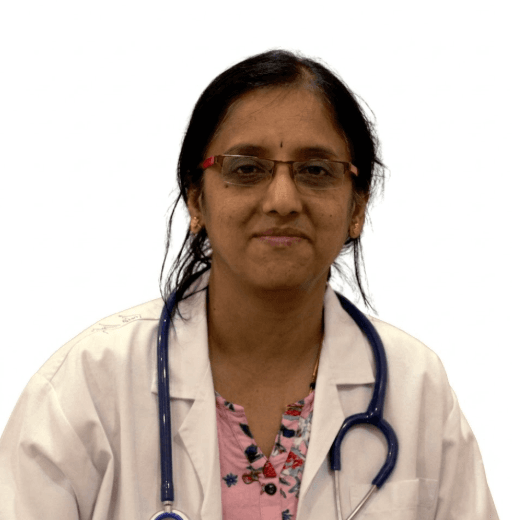
Dr. Srilakshmi
Bangalore
Panchakarma & Detoxification Therapies, Women’s Health & Gynaecological Disorders, Infertility & Reproductive Health, Skin Disorders & Ayurvedic Cosmetology, Hair & Scalp Disorders, Weight Management & Metabolic Disorders, Diabetes & Lifestyle Disorders, Bone, Joint & Musculoskeletal Disorders, Ayurvedic Proctology, Ayurvedic Surgery & Kshara Sutra, ENT & Head-Neck Disorders, Digestive & Gastrointestinal Disorders, Neurological Disorders, Stress, Anxiety & Sleep Disorders, Chronic Health Conditions, Ayurvedic Diet & Nutrition
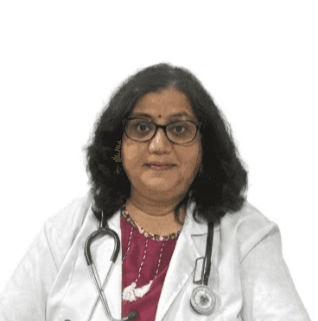
Dr.Sumana Patavardhan.K.S.
Bangalore
Panchakarma & Detoxification Therapies, Women’s Health & Gynaecological Disorders, Infertility & Reproductive Health, Skin Disorders & Ayurvedic Cosmetology, Hair & Scalp Disorders, Weight Management & Metabolic Disorders, Diabetes & Lifestyle Disorders, Bone, Joint & Musculoskeletal Disorders, Ayurvedic Proctology, Ayurvedic Surgery & Kshara Sutra, ENT & Head-Neck Disorders, Digestive & Gastrointestinal Disorders, Neurological Disorders, Stress, Anxiety & Sleep Disorders, Chronic Health Conditions, Ayurvedic Diet & Nutrition