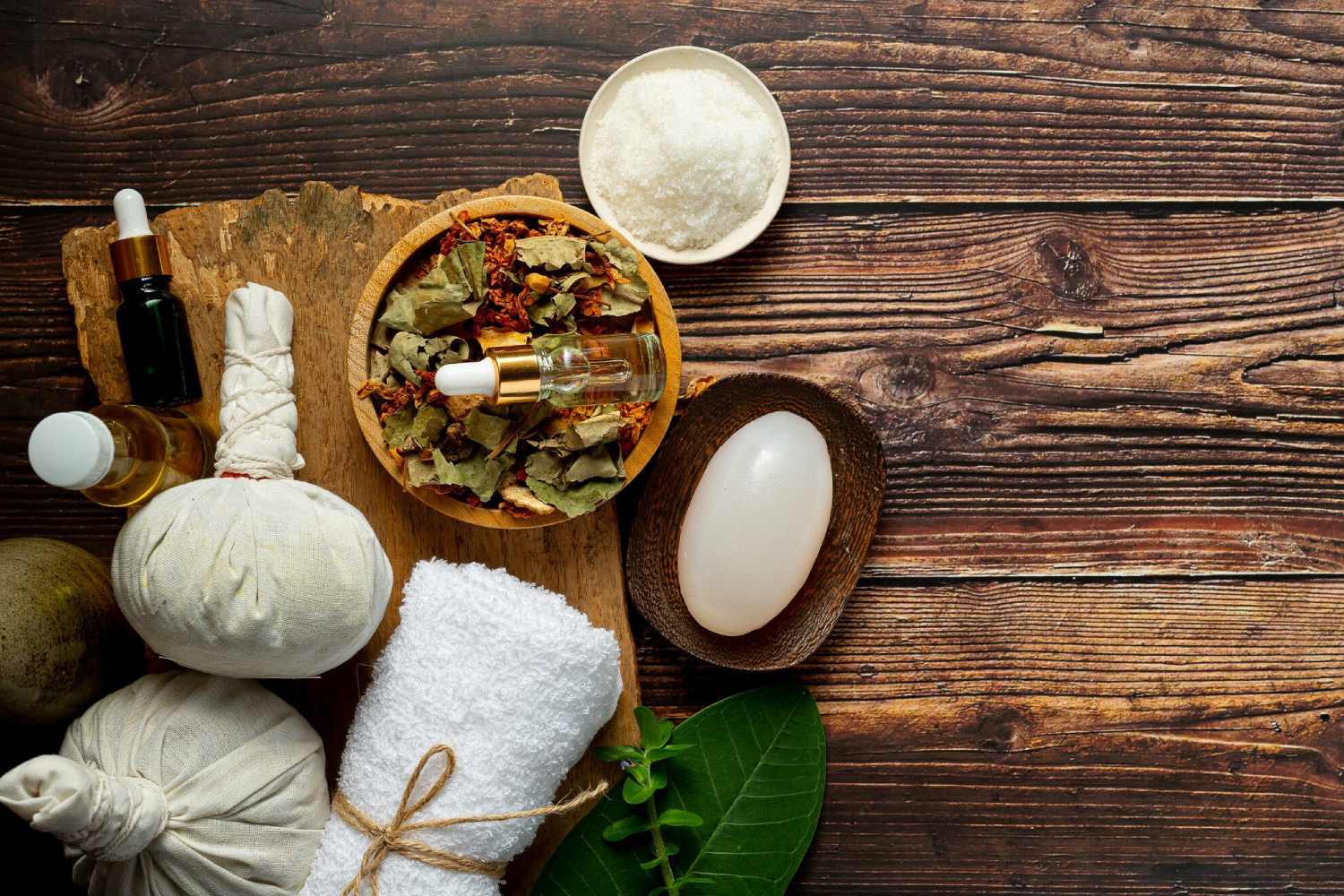
Choorna Swedam (Churna Sweda)
Complete Ayurvedic Guide for Pain Relief, Joint Stiffness & Muscle Recovery
Request an Appointment
Table of Contents
Need personalized advice?
Treatment Category: Panchakarma – Swedana (Sudation Therapy)
Choorna Swedam: An Effective Ayurvedic Therapy for Joint Pain, Muscle Stiffness and Vata Disorders
Pain, stiffness, swelling, and restricted joint movement can make even simple daily activities difficult. These symptoms are common in conditions such as osteoarthritis, rheumatoid arthritis, cervical spondylosis, frozen shoulder, sports injuries, and chronic muscle pain. While painkillers may provide temporary relief, they do not always address the underlying imbalance responsible for recurring discomfort.
Choorna Swedam, also known as Churna Sweda, is a classical Ayurvedic Panchakarma therapy that combines the therapeutic effects of herbal powders with controlled heat. This treatment is designed to reduce pain, improve circulation, relieve stiffness, and support natural healing by balancing the body's doshas, especially Vata and Kapha.
Unlike oil-based therapies, Choorna Swedam uses specially selected herbal powders that are heated and applied over affected areas or the entire body using gentle fomentation techniques. The warmth helps open the body's channels (Srotas), while the medicinal herbs work to reduce inflammation, improve mobility, and support tissue repair.
At Adyant Ayurveda, Choorna Swedam is always recommended after a detailed Ayurvedic consultation. Every treatment plan is individualized according to the patient's Prakriti (body constitution), Vikriti (current imbalance), age, medical condition, and overall health status. This personalized approach helps achieve better therapeutic outcomes while ensuring patient safety.
Important Medical Disclaimer: Choorna Swedam is a supportive Ayurvedic therapy and should only be performed under the supervision of a qualified Ayurvedic physician. It is not a replacement for emergency medical care or treatment for acute injuries.
What is Choorna Swedam?
Choorna Swedam is a Swedana (sudation or fomentation) therapy described in classical Ayurvedic texts. The word consists of two Sanskrit terms:
- Choorna – Herbal medicinal powder
- Sweda – Therapeutic sweating or heat therapy
In this procedure, carefully selected herbal powders are heated and applied over the body or affected joints to induce therapeutic sweating. The warmth enhances the action of the herbs, helping reduce stiffness, improve blood circulation, and relieve pain.
Unlike massage therapies that primarily use medicated oils, Choorna Swedam is especially useful when dryness is not the main concern, but stiffness, heaviness, swelling, or Kapha accumulation are prominent. The choice of herbs depends on the patient's diagnosis and dosha imbalance.
The Ayurvedic Principle Behind Choorna Swedam
According to Ayurveda, health depends on the balance of the three doshas:
- Vata – Governs movement, nerves, joints, and circulation
- Pitta – Regulates metabolism and transformation
- Kapha – Provides structure, stability, and lubrication
Joint pain and stiffness often occur when aggravated Vata combines with Ama (metabolic toxins) or excess Kapha, leading to blockage in the body's channels (Srotas).
This blockage may result in:
- Pain during movement
- Morning stiffness
- Swelling around joints
- Reduced flexibility
- Muscle tightness
- Heaviness in the body
Choorna Swedam helps by:
- Promoting sweating to reduce stiffness
- Improving circulation to affected tissues
- Supporting the removal of accumulated Ama
- Balancing aggravated Vata and Kapha
- Enhancing flexibility and mobility
The therapy is generally recommended after assessing the stage and nature of the disease. It is often combined with other Panchakarma procedures for comprehensive management.
How Does Choorna Swedam Work?
The therapeutic effect of Choorna Swedam comes from the combination of heat, medicinal herbs, and controlled stimulation of the affected tissues.
The therapy works through several mechanisms:
- Improves Blood Circulation
Gentle heat increases local blood flow, allowing oxygen and nutrients to reach muscles, ligaments, and joints more effectively. Better circulation supports the body's natural healing processes.
- Reduces Joint Stiffness
Heat relaxes tight muscles and connective tissues, making joints easier to move. Patients often experience improved flexibility after a series of sessions.
- Supports Removal of Ama
In Ayurveda, Ama refers to incompletely metabolized substances that may contribute to disease. Swedana therapies help open the body's channels and support the elimination of these accumulated toxins as part of a broader treatment plan.
- Relieves Muscle Spasm
Warm herbal fomentation helps reduce muscle tightness and spasm, providing comfort in conditions involving chronic muscular pain.
- Balances Vata and Kapha
Many musculoskeletal disorders involve aggravation of Vata, while swelling and heaviness are often associated with Kapha. Choorna Swedam is selected to help restore balance between these doshas based on the individual's condition.
Health Benefits of Choorna Swedam
When prescribed appropriately by an Ayurvedic physician, Choorna Swedam may offer several benefits:
Helps Reduce Joint Pain
The warmth and medicinal herbs help relieve discomfort associated with chronic joint conditions, making movement easier.
Improves Joint Mobility
Regular sessions may enhance flexibility and reduce stiffness, allowing patients to perform daily activities with greater comfort.
Reduces Muscle Tightness
The therapy relaxes tense muscles and may be beneficial for individuals experiencing muscle fatigue, overuse, or post-exercise soreness.
Supports Recovery After Sports Injuries
In suitable cases and after the acute phase has resolved, Choorna Swedam may be included as part of a rehabilitation plan to improve circulation and reduce stiffness.
May Help Reduce Swelling
Certain herbal powders used in the therapy are traditionally selected for their anti-inflammatory properties, helping manage localized swelling.
Enhances Overall Comfort
Many patients report a feeling of lightness, relaxation, and improved physical comfort after completing a course of treatment.
Conditions Where Choorna Swedam May Be Recommended
An Ayurvedic physician may advise Choorna Swedam as part of a personalized treatment plan for the following conditions:
Osteoarthritis
Chronic wear-and-tear of joints often causes pain, stiffness, and reduced mobility. Choorna Swedam may help improve joint function and reduce discomfort when combined with appropriate Ayurvedic medicines and lifestyle modifications.
Rheumatoid Arthritis (Amavata)
In selected patients, especially after proper assessment of disease stage and severity, Choorna Swedam may be incorporated into treatment to help reduce stiffness and improve mobility. Active inflammatory phases require careful medical evaluation before initiating heat therapies.
Cervical Spondylosis
Patients with neck stiffness, restricted movement, and muscle tightness may benefit from localized Choorna Swedam under medical supervision.
Lumbar Spondylosis
The therapy may help relax lower back muscles, improve flexibility, and reduce chronic discomfort associated with degenerative spinal changes.
Frozen Shoulder
Controlled herbal fomentation can support improved shoulder mobility and reduce stiffness when integrated with therapeutic exercises and Ayurvedic management.
Sciatica
In appropriate cases, Choorna Swedam may help relieve muscle tightness and improve circulation around the affected area as part of a comprehensive treatment approach.
Sports Injuries
After the acute inflammatory stage has subsided, the therapy may assist in muscle recovery and rehabilitation.
Chronic Muscle Pain
Individuals with muscular stiffness, overuse injuries, or myofascial discomfort may experience symptomatic relief through this therapy.
Why a Doctor's Assessment Matters
Although Choorna Swedam is a widely practiced Panchakarma therapy, it is not suitable for everyone. The type of herbal powder, duration of treatment, intensity of heat, and number of sessions should always be determined by a qualified Ayurvedic physician after evaluating:
- The individual's body constitution (Prakriti)
- Current dosha imbalance (Vikriti)
- Nature and stage of the disease
- Age and general health
- Associated medical conditions
- Current medications and ongoing treatments
A personalized treatment plan helps maximize benefits while minimizing the risk of adverse effects.
How is Choorna Swedam Performed?
Choorna Swedam is a specialized Panchakarma procedure that should always be performed by trained Panchakarma therapists under the guidance of a qualified Ayurvedic doctor. The treatment is customized based on the patient's health condition, body constitution (Prakriti), dosha imbalance, and diagnosis.
The therapy is generally divided into three stages.
- Purva Karma (Pre-Treatment Preparation)
Before beginning Choorna Swedam, the Ayurvedic physician conducts a detailed consultation to understand:
- Medical history
- Current symptoms
- Duration of illness
- Lifestyle and occupation
- Digestion (Agni)
- Presence of Ama (metabolic toxins)
- Dosha predominance
- Joint mobility and pain level
Based on the assessment, the doctor selects the appropriate herbal powder formulation and decides whether localized or full-body Choorna Swedam is required.
Preparation Before the Therapy
Patients are generally advised to:
- Eat a light meal 2–3 hours before the session.
- Wear loose, comfortable clothing.
- Avoid heavy exercise before treatment.
- Stay well hydrated.
- Inform the doctor about any fever, skin infections, recent injuries, or pregnancy.
In some cases, a light Abhyanga (Ayurvedic oil massage) may be performed before Choorna Swedam, depending on the condition being treated. In other situations—especially where excess Kapha or Ama is present—a dry approach may be preferred.
- Pradhana Karma (Main Procedure)
This is the primary therapeutic phase of Choorna Swedam.
The selected herbal powder is gently heated to a therapeutic temperature. The therapist applies the warm powder over the affected joints or the entire body using rhythmic rubbing and fomentation techniques.
The heat level is carefully monitored throughout the session to ensure patient comfort and safety.
The treatment focuses on:
- Painful joints
- Stiff muscles
- Areas of swelling
- Restricted movement
- Chronic muscular tightness
The therapist continuously checks the patient's comfort and adjusts the pressure and temperature as needed.
Duration of Each Session
A typical Choorna Swedam session lasts:
- 30–45 minutes for localized treatment
- 45–60 minutes for full-body therapy
The exact duration depends on the patient's condition and the physician's recommendation.
- Paschat Karma (Post-Treatment Care)
After the procedure:
- Excess herbal powder is gently removed.
- The patient rests for 15–30 minutes.
- Warm water may be provided for drinking.
- Bathing is usually advised after a suitable interval, as directed by the physician.
- Patients are encouraged to avoid exposure to cold air immediately after the therapy.
Following post-treatment instructions helps maintain the therapeutic benefits of the session.
Herbal Powders Used in Choorna Swedam
One of the unique aspects of Choorna Swedam is the use of carefully selected Ayurvedic herbal powders. The choice of formulation depends entirely on the patient's diagnosis and dosha imbalance.
Some commonly used formulations include:
Kolakulathadi Choornam
Traditionally used in conditions involving:
- Joint stiffness
- Obesity
- Kapha disorders
- Muscle tightness
Kottamchukkadi Choornam
Frequently selected for:
- Vata-related pain
- Muscle stiffness
- Arthritis
- Chronic body pain
Rasnadi Choornam
Traditionally used to support:
- Joint mobility
- Neck pain
- Back pain
- Vata disorders
Triphala Choorna
Contains three classical Ayurvedic fruits and is valued for its cleansing and balancing properties.
Musta (Cyperus rotundus)
Traditionally used in Ayurveda for balancing Kapha and supporting healthy metabolism.
Vacha (Acorus calamus)
Commonly included in formulations intended to improve circulation and reduce Kapha accumulation.
Nirgundi (Vitex negundo)
Traditionally recognized in Ayurveda for supporting joint comfort and reducing stiffness.
Eranda (Castor)
Used in selected formulations to help manage Vata-related musculoskeletal disorders.
Important: Herbal formulations should never be self-selected. The combination of herbs varies depending on the patient's condition and should always be prescribed by a qualified Ayurvedic physician.
Who Can Benefit from Choorna Swedam?
Your Ayurvedic doctor may recommend Choorna Swedam if you experience:
- Chronic joint pain
- Muscle stiffness
- Neck pain
- Lower back pain
- Frozen shoulder
- Osteoarthritis
- Rheumatoid arthritis (after proper assessment)
- Sciatica
- Sports-related muscle injuries
- Muscle fatigue
- Cervical spondylosis
- Lumbar spondylosis
- Obesity associated with Kapha imbalance
- Reduced flexibility
- Difficulty performing daily activities due to stiffness
The therapy is often included as part of a broader Panchakarma treatment plan, which may also involve internal medicines, dietary guidance, and lifestyle modifications.
Who Should Avoid Choorna Swedam?
Although Choorna Swedam is generally safe when performed correctly, it is not appropriate for everyone.
The therapy may not be suitable for individuals with:
High Fever
Heat therapies are usually avoided during active infections or fever.
Acute Inflammatory Conditions
Fresh injuries, acute swelling, or severe inflammation may require different management before heat-based therapies are introduced.
Open Wounds
The therapy should not be applied over cuts, ulcers, burns, or open skin lesions.
Active Skin Infections
Fungal, bacterial, or viral skin infections should be treated before undergoing Choorna Swedam.
Pregnancy
Panchakarma procedures should only be undertaken during pregnancy if specifically advised by an experienced Ayurvedic physician.
Severe Heart Disease
Patients with significant cardiovascular conditions should undergo medical evaluation before receiving heat therapies.
Uncontrolled Hypertension
Individuals with poorly controlled blood pressure require careful assessment before treatment.
Severe Debility
Patients who are extremely weak, dehydrated, or recovering from major illness may require alternative therapies.
Are There Any Side Effects?
When performed by trained professionals under medical supervision, Choorna Swedam is generally well tolerated.
Some patients may temporarily experience:
- Mild skin redness
- Temporary warmth
- Slight muscle soreness
- Increased sweating
- Mild fatigue immediately after treatment
These effects are usually short-lived and resolve naturally.
Improperly performed therapy may increase the risk of:
- Skin irritation
- Excessive heat exposure
- Burns
- Aggravation of symptoms in unsuitable conditions
This highlights the importance of receiving treatment at a qualified Ayurvedic center.
How Many Sessions Are Needed?
The number of sessions varies depending on:
- Diagnosis
- Severity of symptoms
- Chronicity of the condition
- Patient's age
- Response to treatment
A typical treatment plan may include:
- 7 sessions for mild conditions
- 14 sessions for moderate musculoskeletal disorders
- 21 days or longer for chronic or complex conditions, as advised by the physician
Some patients may also require maintenance sessions at intervals to help manage chronic conditions.
Diet During Choorna Swedam Treatment
Diet plays an important role in Ayurvedic healing. During the treatment period, patients are often advised to consume foods that are easy to digest and support balanced doshas.
Recommended Foods
- Warm cooked meals
- Green leafy vegetables
- Moong dal
- Vegetable soups
- Rice
- Whole grains
- Fresh seasonal fruits (as advised)
- Warm water
- Herbal decoctions recommended by the physician
Foods to Limit or Avoid
- Deep-fried foods
- Cold beverages
- Refrigerated foods
- Excessively spicy or oily meals
- Processed and packaged foods
- Refined sugar
- Alcohol
- Smoking and tobacco products
Lifestyle Recommendations
To enhance the benefits of Choorna Swedam:
- Get adequate sleep.
- Stay physically active within your comfort level.
- Perform doctor-recommended stretching exercises.
- Practice gentle yoga if advised.
- Manage stress through breathing exercises or meditation.
- Avoid prolonged exposure to cold weather immediately after treatment.
- Follow your prescribed Ayurvedic medicines regularly.
- Attend all follow-up consultations.
Can Choorna Swedam Be Combined with Other Panchakarma Therapies?
Yes. Depending on the individual's condition, an Ayurvedic physician may combine Choorna Swedam with other therapies such as:
- Abhyanga (medicated oil massage)
- Patra Pinda Sweda (Elakizhi)
- Podikizhi
- Pizhichil
- Basti (medicated enema)
- Janu Basti
- Kati Basti
- Greeva Basti
- Virechana (when indicated)
A personalized combination of therapies often provides better outcomes than a single treatment alone, especially for chronic musculoskeletal disorders.
Choorna Swedam vs Other Ayurvedic Swedana Therapies
Ayurveda offers several types of Swedana (sudation) therapies, each selected based on the patient's condition, dosha imbalance, and treatment goals. Choosing the right therapy requires a thorough evaluation by an Ayurvedic physician.
Overview
Why Choose Adyant Ayurveda for Choorna Swedam?
At Adyant Ayurveda, Choorna Swedam is provided as part of a personalized Ayurvedic treatment plan rather than as a standalone wellness therapy.
Our Approach
✔ Individual assessment by experienced Ayurvedic doctors
✔ Personalized treatment based on Prakriti and dosha imbalance
✔ Authentic Panchakarma protocols following classical Ayurvedic principles
✔ Skilled Panchakarma therapists trained in traditional techniques
✔ High-quality herbal formulations selected according to the patient's condition
✔ Hygienic and well-equipped therapy rooms
✔ Integrated care with Ayurvedic medicines, diet, and lifestyle guidance
✔ Ongoing monitoring and follow-up to evaluate progress
With multiple clinics across Bengaluru, Adyant Ayurveda is committed to delivering evidence-informed, patient-centered Ayurvedic care.
Key Takeaways
- Choorna Swedam is a traditional Ayurvedic heat therapy that uses warm medicinal herbal powders.
- It is commonly recommended for joint pain, muscle stiffness, chronic back pain, frozen shoulder, cervical spondylosis, and selected arthritis cases.
- The treatment helps improve circulation, reduce stiffness, and support mobility.
- Therapy should always be individualized based on a qualified Ayurvedic physician's assessment.
- Combining Choorna Swedam with appropriate medicines, diet, exercise, and lifestyle modifications may improve overall outcomes.
Conclusion
Choorna Swedam is a valuable Panchakarma therapy that combines the therapeutic effects of medicinal herbs and controlled heat to support musculoskeletal health. When used appropriately, it may help relieve pain, reduce stiffness, improve flexibility, and enhance quality of life for individuals with chronic joint and muscle disorders.
However, every patient is unique. The choice of therapy, herbal formulations, treatment duration, and supportive medicines should always be determined after a comprehensive Ayurvedic evaluation. Self-treatment or undergoing Panchakarma procedures without professional guidance is not recommended.
If you are experiencing persistent joint pain, stiffness, back pain, or reduced mobility, consult an experienced Ayurvedic physician to determine whether Choorna Swedam is suitable for your condition.
Frequently Asked Questions
Choorna Swedam is a traditional Ayurvedic Panchakarma therapy in which warm medicinal herbal powders are applied to the body or affected areas to relieve pain, stiffness, and improve mobility.
No. The therapy is generally comfortable. The temperature and pressure are adjusted according to the patient's comfort level.
A session usually lasts 30 to 60 minutes, depending on whether the treatment is localized or full-body.
Many patients benefit from 7–21 sessions, but the exact number depends on the condition, severity, and response to treatment.
Yes. It is commonly recommended as part of an individualized Ayurvedic treatment plan for osteoarthritis and selected cases of rheumatoid arthritis after proper medical evaluation.
Yes. It may help reduce muscle stiffness and improve mobility in chronic lower back pain when prescribed appropriately.
Yes. Choorna Swedam may support improved shoulder movement and reduce stiffness when combined with other Ayurvedic therapies and rehabilitation exercises.
Depending on the underlying cause, the therapy may help reduce localized swelling and stiffness through its warming and circulation-enhancing effects.
Yes, after the acute inflammatory stage has settled. An Ayurvedic physician will determine the appropriate time to begin therapy.
Many older adults tolerate the therapy well. However, the intensity and duration are modified based on age, general health, and medical history.
No. Choorna Swedam is usually performed as an outpatient procedure.
When performed by trained professionals under medical supervision, side effects are uncommon. Mild redness or temporary soreness may occur in some individuals.
Patients with diabetes may be eligible, but treatment should only begin after an Ayurvedic physician assesses their overall health and skin condition.
Your doctor will advise the appropriate timing. Immediate exposure to cold water is generally avoided.
Yes. It is commonly integrated with Ayurvedic medicines, dietary recommendations, and lifestyle modifications. If you are taking conventional medications, inform your physician before starting treatment.
When performed by trained Panchakarma therapists under the supervision of a qualified Ayurvedic physician, it is generally considered safe for suitable patients.
Warm, freshly prepared, easy-to-digest meals are usually recommended. Your doctor may also suggest specific dietary modifications based on your dosha imbalance.
In selected individuals with Kapha predominance or obesity, Choorna Swedam may be included as part of a comprehensive weight management program that also includes diet, exercise, and other Ayurvedic therapies. It is not a standalone weight-loss treatment.
Some patients experience relief after a few sessions, while others with chronic conditions may require a longer course of treatment. Outcomes vary depending on the diagnosis and adherence to the overall treatment plan.
Most patients can resume light daily activities after adequate rest. Your physician may recommend avoiding strenuous exercise on the day of treatment.
Choorna Swedam is used to help manage joint pain, muscle stiffness, back pain, cervical spondylosis, frozen shoulder, and other musculoskeletal conditions as part of an individualized Ayurvedic treatment plan.
It may benefit selected patients with osteoarthritis and certain stages of rheumatoid arthritis when prescribed by an Ayurvedic physician.
Most treatment plans range from 7 to 21 sessions, depending on the condition and the patient's response.
Yes, when performed by trained Panchakarma therapists under the supervision of a qualified Ayurvedic doctor after appropriate medical evaluation.
Side effects are uncommon. Some individuals may experience mild temporary redness, warmth, or muscle soreness after treatment.
Medical Disclaimer
This content is for educational purposes only and should not be considered medical advice. Always consult a qualified Ayurvedic doctor before undergoing any treatments.
Specialists
Dr. Srilakshmi
Bangalore
Panchakarma & Detoxification Therapies, Women’s Health & Gynaecological Disorders, Infertility & Reproductive Health, Skin Disorders & Ayurvedic Cosmetology, Hair & Scalp Disorders, Weight Management & Metabolic Disorders, Diabetes & Lifestyle Disorders, Bone, Joint & Musculoskeletal Disorders, Ayurvedic Proctology, Ayurvedic Surgery & Kshara Sutra, ENT & Head-Neck Disorders, Digestive & Gastrointestinal Disorders, Neurological Disorders, Stress, Anxiety & Sleep Disorders, Chronic Health Conditions, Ayurvedic Diet & Nutrition
Dr.Sumana Patavardhan.K.S.
Bangalore
Panchakarma & Detoxification Therapies, Women’s Health & Gynaecological Disorders, Infertility & Reproductive Health, Skin Disorders & Ayurvedic Cosmetology, Hair & Scalp Disorders, Weight Management & Metabolic Disorders, Diabetes & Lifestyle Disorders, Bone, Joint & Musculoskeletal Disorders, Ayurvedic Proctology, Ayurvedic Surgery & Kshara Sutra, ENT & Head-Neck Disorders, Digestive & Gastrointestinal Disorders, Neurological Disorders, Stress, Anxiety & Sleep Disorders, Chronic Health Conditions, Ayurvedic Diet & Nutrition