


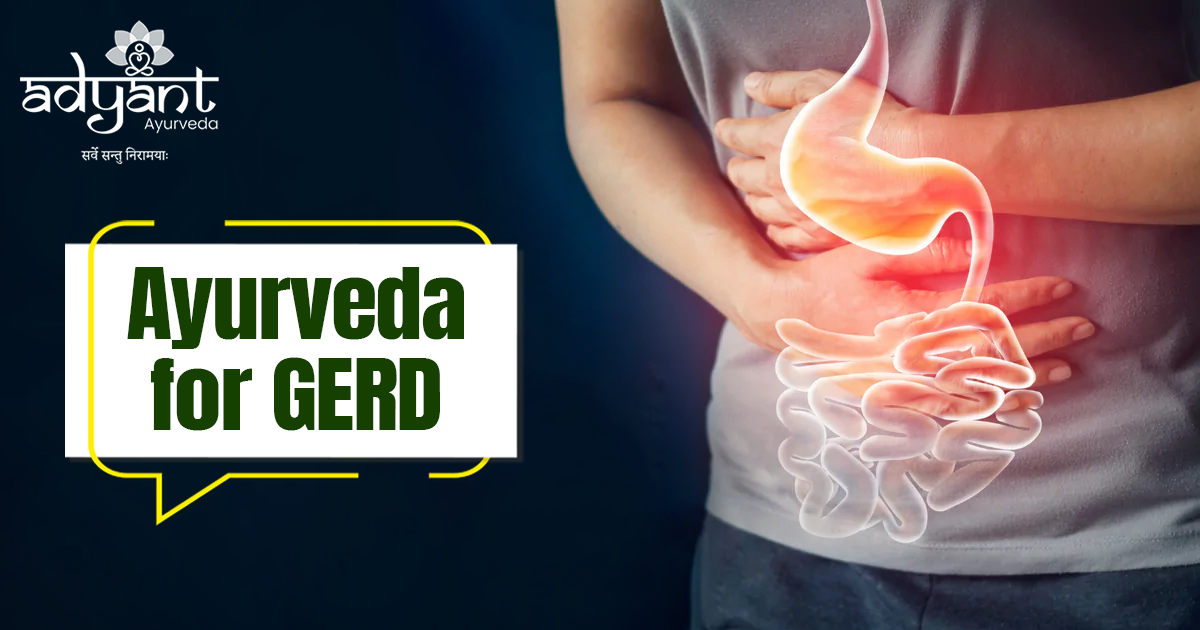
GERD (Gastroesophageal Reflux Disease) is one of the most common digestive disorders today. It can cause frequent heartburn, sour belching, throat irritation, and a constant burning sensation in the chest. Many people depend on antacids or acid-suppressing medicines for quick relief, but symptoms often return once the medication is stopped.
That’s where GERD treatment in Ayurveda becomes a powerful long-term approach. Ayurveda doesn’t just focus on suppressing acid. Instead, it works on correcting digestion, calming aggravated doshas, and strengthening the stomach and esophageal lining naturally.
In this blog, you’ll learn how Ayurveda works for GERD, which herbs and therapies help, the right diet to follow, and what is considered the best Ayurvedic medicine for GERD based on individual body type.
Table of Contents
ToggleWhat is GERD (Gastroesophageal Reflux Disease)?
GERD occurs when stomach contents (acid + partially digested food) flow back into the esophagus due to weakness or improper functioning of the Lower Esophageal Sphincter (LES). This causes irritation and inflammation of the food pipe.
Common GERD Symptoms
- Frequent heartburn (burning sensation in chest)
- Sour or bitter regurgitation
- Difficulty swallowing (dysphagia)
- Chest discomfort after meals
- Chronic cough or sore throat
- Hoarseness in voice
- Feeling of heaviness or nausea after eating
If you experience these symptoms regularly, choosing GERD treatment in Ayurveda can help manage the root cause and prevent recurrence.
Understanding the Root Cause of GERD: Ayurveda vs Conventional Treatment
Most conventional treatments focus on reducing stomach acid using antacids, PPIs, or H2 blockers. These may provide temporary symptom relief, but they often don’t correct the underlying digestive imbalance.
Ayurvedic Understanding of GERD
In Ayurveda, GERD is not always “excess acid.” In many cases:
Digestion becomes weak or irregular (Agni imbalance)
Food stays longer in the stomach (delayed gastric emptying)
Stress disrupts gut movement
Acid moves upward due to improper Vata movement (Urdhwagami gati)
That’s why GERD treatment in Ayurveda focuses on:
Improving digestion and metabolism (Agni)
Balancing Pitta and Vata
Strengthening the gut lining
Preventing reflux naturally over time
GERD in Ayurveda: Amlapitta Explained
Ayurveda correlates GERD with Amlapitta, which mainly involves aggravated Pitta dosha, often along with Vata and Kapha in chronic cases.
Types of Amlapitta (GERD) in Ayurveda
1) Urdhwagami Amlapitta (Upward-moving)
Burning sensation in chest and throat
Sour belching and nausea
Bitter taste in mouth
Acid reflux worsening at night
2) Adhogami Amlapitta (Downward-moving)
Indigestion and bloating
Loose stools or burning sensation in bowel movement
Heaviness after meals
Reduced appetite
This classification is important because GERD treatment in Ayurveda is customized depending on the direction of symptoms and dosha dominance.
Dosha Association in GERD (Clinical Ayurvedic View)
Even though GERD is often Pitta-dominant, many people show mixed patterns.
Pitta-Dominant GERD
Intense burning in chest and throat
Sour regurgitation
Heat intolerance
Irritability and inflammation
Learn more about how to balance Pitta Dosha
Vata-Associated GERD
Gas and bloating
Dryness and discomfort
Symptoms worsen with stress
Irregular appetite and meals
Learn more about how to balance Vata Dosha
Kapha-Associated GERD
Nausea and heaviness
Excessive salivation
Sluggish digestion
Symptoms worsen after overeating
This is why one “common acidity medicine” doesn’t work for everyone. Real relief comes with personalized Ayurvedic treatment for GERD.
Learn more about how to balance Kapha Dosha
Causes of GERD (Triggers You Should Know)
GERD usually develops due to LES weakness, but triggers worsen symptoms.
Common Causes
- Spicy, oily, fried foods
- Overeating and irregular meal timings
- Excess tea/coffee and carbonated drinks
- Stress and anxiety
- Smoking and alcohol
- Obesity and sedentary lifestyle
- Hiatal hernia
- Long-term NSAID use (painkillers)
Avoiding these triggers supports faster recovery through GERD treatment in Ayurveda.
GERD Treatment in Ayurveda: Remedies That Work Naturally
Ayurveda uses herbs, diet correction, and detox therapies to reduce reflux and heal digestion.
1. Ayurvedic Herbs for GERD Relief
These herbs are commonly used in Ayurvedic medicine for GERD, based on symptoms and constitution:
A. Shatavari (Asparagus racemosus)
Soothes stomach lining
Helps reduce burning and acidity
Supports mucosal healing
B. Yashtimadhu / Mulethi (Licorice Root)
Protects the esophagus
Helps reduce inflammation
Useful in reflux-related throat irritation
C. Amla (Indian Gooseberry)
Natural cooling agent
Supports digestion without aggravating Pitta
Helps in chronic acidity
D. Draksha (Raisins)
Cooling and nourishing
Reduces acid-related irritation
Helps in Pitta imbalance
E. Triphala
Supports gut health
Improves digestion and bowel regularity
Useful when GERD is linked with constipation
F. Guduchi (Tinospora cordifolia)
Pitta balancing
Supports immunity and inflammation reduction
G. Coriander Seeds
Cooling and digestive
Helps reduce burning sensation and bloating
2. Best Ayurvedic Medicine for GERD (Classical Formulations)
Many people search for the best Ayurvedic medicine for GERD, but the right formulation depends on dosha involvement and severity. Commonly prescribed Ayurvedic formulations include:
Avipattikar Churna (helps in acidity and reflux)
Kamadudha Ras (strong Pitta pacifier for burning sensation)
Praval Pishti (supports acid balance and cooling)
Sutshekhar Ras (helps in chronic acidity and nausea)
Sukumara Ghrita (soothes gut and supports Vata-Pitta balance)
Gandhak Rasayan (supports gut health and detoxification in select cases)
⚠️ Important: These should be taken only under a qualified Ayurvedic doctor’s supervision, especially Ras formulations.
3. Panchakarma Therapy for Chronic GERD
For recurring or long-standing symptoms, Panchakarma can be a highly effective part of GERD treatment in Ayurveda, especially when doshas are deeply aggravated.
Ayurvedic Panchakarma Therapies for GERD
Virechana (Therapeutic purgation): Best for chronic Pitta imbalance and Amlapitta
Takra Dhara (Buttermilk therapy): Calms acidity and improves gut stability
Ksheeravasthi (Medicated milk enema): Useful when Vata is involved with burning
Shirodhara: Helps manage stress-triggered reflux
Abhyanga: Improves circulation and supports digestion
Udwarthanam: Helps obesity-linked GERD by improving metabolism
Panchakarma is Corrective, Not Emergency Relief
A key thing to understand:
Panchakarma is ideal for chronic, recurrent GERD
It is avoided during acute flare-ups
Preparation and post-therapy diet are crucial for results
Ayurvedic Diet for GERD (Pathya & Apathya)
Diet is a major pillar of GERD treatment in Ayurveda. Ayurveda focuses on Pitta-pacifying foods that heal digestion and reduce reflux episodes.
Foods to Eat (Pathya)
Cooked vegetables: bottle gourd, ash gourd, zucchini, carrots
Sweet fruits: banana, papaya, pomegranate, melon
Whole grains: oats, barley, brown rice
Cooling supports: cow’s ghee, buttermilk (as advised)
Herbal teas: coriander, fennel, licorice tea
Foods to Avoid (Apathya)
Spicy, oily, deep-fried foods
Tomatoes, citrus fruits, vinegar
Coffee, alcohol, carbonated drinks
Processed and packaged foods
Late-night eating
Very cold water and ice creams
Additional Ayurvedic Dietary Guidelines
Eat small, frequent meals instead of heavy meals
Avoid incompatible food combinations (Viruddha Ahara)
Dinner should be at least 3 hours before sleep
Drink lukewarm water instead of cold water
These habits improve long-term results from Ayurvedic treatment for GERD.
Lifestyle Tips in Ayurveda for GERD Relief
Along with medicines, lifestyle correction plays a big role in healing reflux.
Helpful Lifestyle Changes
Sleep early and avoid late-night snacking
Avoid lying down immediately after eating
Reduce screen time after dinner
Practice light walking after meals
Manage stress through pranayama and meditation
Avoid tight clothing around the abdomen
When these changes are followed consistently, GERD treatment in Ayurveda becomes far more effective.
Scientific Validation of Ayurveda for GERD
Ayurveda is not only based on classical texts but is also supported by modern research in many areas. Studies have highlighted benefits of herbs like Yashtimadhu and formulations supporting digestion and mucosal healing.
That said, the best results come when Ayurvedic treatment is customized and monitored clinically.
Case Studies and Patient Outcomes (Adyant Ayurveda)
Case Study 1: Relief from Chronic GERD
A 45-year-old patient suffering from GERD for 5 years showed significant improvement after a 30-day Ayurvedic treatment plan at Adyant Ayurveda. The protocol included dietary correction, Pitta pacifying medicines, and supportive therapies. The patient experienced complete relief from acid reflux and heartburn.
Case Study 2: Panchakarma Success
A 38-year-old woman with severe reflux symptoms underwent Ayurvedic therapies including Takra Dhara and gut-soothing treatment support. She reported nearly 80% improvement within a month along with better digestion and reduced acidity episodes.
Results vary depending on constitution, severity, and adherence to the treatment plan.
Why Choose GERD Treatment in Ayurveda at Adyant Ayurveda?
Unlike conventional approaches that often focus only on symptom suppression, GERD treatment in Ayurveda aims to:
Correct digestion (Agni)
Balance Pitta, Vata, and Kapha
Heal the gut lining
Prevent recurrence naturally
Improve overall digestive health long-term
At Adyant Ayurveda, we offer personalized GERD treatment plans including:
Ayurvedic medicines based on dosha analysis
Panchakarma therapies for chronic cases
Customized diet and lifestyle guidance
Long-term follow-up and preventive care
Book Your Consultation for Ayurvedic Treatment for GERD
If you’re struggling with acidity, heartburn, or reflux, consult our doctors for a customized plan.
📞 Call: 9972541009
📍 Visit our Bangalore branches: Jayanagar, Indiranagar, Kalyan Nagar, Bannerghatta Road, Rajarajeshwari Nagar
Conclusion: Ayurveda for GERD Can Offer Long-Term Relief
GERD can feel frustrating, especially when symptoms keep returning. The good news is, GERD treatment in Ayurveda offers a holistic, root-cause-based solution through diet correction, herbal support, Panchakarma therapies, and lifestyle improvements.
With the right Ayurvedic guidance, you can reduce reflux episodes, strengthen digestion, and restore comfort naturally.
Related Articles
Ayurvedic Treatment for Gut Health: Restore Digestion Naturally
Panchakarma for Detoxification: The Ultimate Cleansing Therapy
Medically Reviewed By
Dr. Sumana, BAMS, MD
Consultant Ayurvedic Doctor – Adyant Ayurveda
This content has been medically reviewed to ensure accuracy, safety, and alignment with classical Ayurvedic principles and contemporary clinical understanding. Treatment outcomes may vary depending on individual constitution, disease severity, and adherence to prescribed diet and lifestyle guidelines.
Medical Disclaimer: This article is intended for educational and informational purposes only and does not substitute professional medical advice. Ayurvedic medicines and Panchakarma therapies should be taken only under the supervision of a qualified Ayurvedic physician. Individuals with severe, persistent, or alarming symptoms should seek immediate medical evaluation.
Last Updated on Jan-2026