

Table of Contents
TogglePCOD Ayurvedic Treatment: Medicine, Remedies, Diet and Doctors
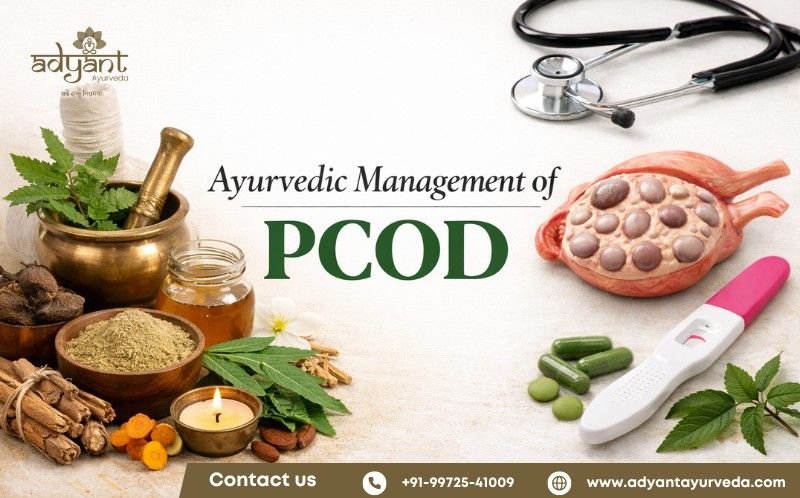
Ayurvedic treatment for PCOD focuses on correcting the root imbalance rather than just managing symptoms. When you look at PCOD ayurvedic treatment, it combines herbal support, lifestyle correction, and a personalised ayurvedic diet for PCOD to restore hormonal balance naturally. Instead of short-term fixes, Ayurveda works on improving metabolism, digestion, and reproductive health together.
Polycystic Ovarian Disease (PCOD) has become increasingly common among women of reproductive age. It usually shows up as irregular periods, weight gain, acne, and persistent hormonal fluctuations. From a medical standpoint, PCOD is linked to excess androgen levels, insulin resistance, and disrupted ovarian function, where multiple immature follicles form in the ovaries instead of a healthy ovulation cycle.
What this really means is the body’s internal rhythm slows down. Metabolism becomes inefficient, hormonal signals go off track, and the ovaries stop functioning in a balanced way. Over time, this leads to irregular ovulation, menstrual disturbances, and visible symptoms like weight changes and skin issues.
It’s also important to understand the difference between PCOD and PCOS. PCOD is generally considered a milder, more manageable condition focused mainly on ovarian dysfunction. PCOS, on the other hand, is a deeper endocrine disorder that involves inflammation, metabolic complications, and long-term health risks. Knowing this difference helps in choosing the right line of treatment.
Here’s where Ayurveda stands apart. Instead of chasing symptoms, it looks at the bigger picture. Using ayurvedic medicine for PCOD, along with diet and lifestyle changes, the goal is to restore balance in the body’s systems. The approach is simple: fix digestion, regulate hormones, and support natural cycles so the body can function the way it’s meant to.
Read Also – Ayurvedic Treatment for PCOS
Diagnosis and Clinical Evaluation
Diagnosis of PCOD typically involves a combination of clinical, biochemical, and imaging findings.
Common diagnostic approaches include:
- Ultrasound imaging showing multiple ovarian follicles
- Hormonal evaluation (including androgen levels and LH/FSH ratio)
- Assessment of menstrual history and metabolic parameters
From an Ayurvedic perspective, diagnosis involves Rogi-Roga Pariksha, including evaluation of:
- Dosha imbalance
- Digestive strength (Agni)
- Presence of Ama
- Menstrual and metabolic patterns
An integrative assessment ensures accurate diagnosis and personalized treatment planning.
Read Also – Ayurvedic Doshas
Integrative Understanding: Bridging Modern Science and Ayurveda
From a contemporary medical perspective, PCOD involves:
- Insulin resistance
- Hormonal imbalance (hyperandrogenism)
- Ovarian dysfunction
Ayurveda correlates this condition with:
- Kapha and Vata dosha imbalance
- Impaired digestive fire (Agni)
- Accumulation of metabolic toxins (Ama)
- Obstruction of bodily channels (Srotorodha)
This integrative understanding highlights that PCOD is not merely a gynecological issue but a multi-system disorder involving metabolism, endocrine function, and lifestyle factors.
Ayurvedic Understanding of PCOD Pathogenesis
In Ayurvedic physiology, healthy reproductive function depends on balanced doshas, efficient metabolism, and unobstructed channels. In PCOD:
- Kapha Dosha becomes aggravated, leading to heaviness, cyst formation, and sluggish metabolism
- Vata Dosha gets vitiated, disrupting ovulation and menstrual regularity
- Mandagni (low digestive fire) results in improper digestion and toxin formation
- Ama accumulation blocks channels and interferes with hormonal signaling
Thus, PCOD is a manifestation of systemic imbalance rather than isolated ovarian pathology.
Early Warning Signs to Watch
Recognizing early symptoms allows timely intervention:
- Irregular or delayed menstrual cycles
- Unexplained weight gain (especially abdominal)
- Persistent acne or oily skin
- Hair thinning or unwanted facial hair
- Fatigue, cravings, or metabolic sluggishness
Early-stage management often yields better outcomes with Ayurvedic treatment.
Read Also – Ayurvedic Treatment For Irregular Periods: Causes, Symptoms, Therapies
Ayurvedic Diet for PCOD (Ahara Chikitsa)
Ayurvedic Diet for PCOD plays a foundational role in restoring metabolic balance. Ayurvedic treatment for PCOD emphasizes a Kapha-pacifying and Agni-enhancing diet.
A diet rich in:
- Whole grains such as millets and oats
- Fresh seasonal fruits
- Plant-based proteins like lentils
- Moderate healthy fats
helps support metabolic correction.
The inclusion of spices such as turmeric, ginger, and cinnamon aids digestion and reduces inflammation.
Foods to limit include:
- Refined sugars and processed foods
- Excess dairy
- Fried and oily foods
- Cold and heavy meals
In clinical Ayurvedic practice, it is commonly observed that patients who consistently follow dietary correction along with lifestyle modification show more sustainable improvement in menstrual regularity and metabolic balance.
PCOD Ayurvedic Remedies to Balance Hormones
PCOD Ayurvedic Remedies focus on correcting hormonal imbalance at the root rather than just managing symptoms. In Ayurveda, PCOD (Polycystic Ovarian Disease) is often linked to an imbalance in Kapha and Vata dosha, along with weakened digestion (Agni) and toxin buildup (Ama). The right combination of herbs, diet, and lifestyle can help regulate periods, improve metabolism, and support natural ovulation.
Let’s break down the most effective PCOD Ayurvedic remedies in a simple, practical way:
1. Ashoka (Saraca indica)
A well-known herb for female reproductive health. It helps regulate menstrual cycles, reduces excessive bleeding, and supports uterine strength.
2. Shatavari
Acts as a natural hormone balancer. It nourishes the reproductive system, improves ovulation, and helps manage irregular periods.
3. Triphala
A gentle detox formula made of three fruits. It helps remove toxins (Ama), improves digestion, and supports weight management—key factors in PCOD.
4. Cinnamon (Dalchini)
Improves insulin sensitivity. Since many PCOD cases are linked to insulin resistance, cinnamon helps control blood sugar levels naturally.
5. Fenugreek Seeds (Methi)
Supports metabolism and hormone balance. Soaked methi seeds can help reduce insulin resistance and aid in weight control.
6. Aloe Vera Juice
Known for its detoxifying properties. It helps improve liver function, which plays a major role in hormonal balance.
7. Turmeric (Haldi)
Powerful anti-inflammatory and antioxidant. It helps reduce inflammation, supports metabolism, and improves insulin function.
8. Guduchi (Giloy)
Boosts immunity and reduces toxin buildup. It helps balance all three doshas and supports overall hormonal health.
9. Panchakarma Detox
A deeper Ayurvedic cleansing process. Therapies like Virechana and Basti help eliminate toxins, reset metabolism, and restore hormonal balance.
10. Warm Water + Lemon Routine
Simple but effective daily habit. It improves digestion, reduces toxin buildup, and supports weight management.
PCOD isn’t just a hormonal issue—it’s a metabolic and lifestyle condition. These PCOD Ayurvedic remedies work best when combined with a proper diet, regular movement, and stress management If symptoms are severe or long-standing, it’s better to follow a personalized Ayurvedic treatment plan instead of relying only on home remedies.
Individualized Ayurvedic Treatment Approach for PCOD
Ayurvedic treatment is highly personalized and varies based on the individual’s constitution:
- Kapha-dominant PCOD → Focus on weight management, metabolism, and detoxification
- Vata-dominant PCOD → Focus on cycle regulation and nervous system balance
- Pitta involvement → Focus on reducing inflammation and hormonal sensitivity
In clinical practice, treatment protocols are designed based on dosha predominance, disease severity, and patient strength (Bala).
Detoxification Therapies (Shodhana Chikitsa) for PCOD
In moderate to severe cases, Panchakarma therapies are recommended for deep detoxification.
- Vamana eliminates excess Kapha
- Virechana clears Pitta toxins and supports liver function
- Basti balances Vata and regulates reproductive health
These therapies help remove toxins, clear channel obstruction, and restore physiological balance.
⚠️ Important Consideration
Panchakarma is not suitable for everyone and should be avoided in:
- Pregnancy
- Severe weakness or anemia
- Acute illness
A proper Ayurvedic assessment is essential before undergoing these therapies.
Read Also – Panchakarma Treatment for PCOD
Lifestyle and Behavioral Modifications (Vihara Chikitsa)
Lifestyle plays a crucial role in PCOD progression and management.
Regular physical activity such as yoga, walking, and strength-based exercises improves insulin sensitivity and metabolic health. Yogic practices like Baddha Konasana and Surya Namaskar support reproductive function.
Stress management is equally important. Chronic stress elevates cortisol, worsening hormonal imbalance. Practices such as meditation, pranayama (Nadi Shodhana, Bhramari), and mindfulness help regulate the neuroendocrine system.
Adequate sleep (7–9 hours) is essential for hormonal regulation and metabolic stability.
PCOD and Fertility
PCOD can affect ovulation and fertility due to hormonal imbalance and irregular cycles. However, with proper and consistent management, many individuals are able to conceive successfully.
Ayurveda aims to support ovulatory function and reproductive health through systemic balance by:
- Regulating menstrual cycles
- Enhancing reproductive tissue quality (Artava Dhatu)
- Reducing stress-related hormonal disruption
It is often used as a supportive approach in integrative fertility care.
Read Also – Best Ayurvedic Treatment for Infertility
Who Can Benefit from Ayurvedic Treatment?
Ayurvedic management is particularly beneficial for:
- Early-stage PCOD
- Individuals seeking a natural and holistic approach to support hormonal balance
- Patients with metabolic issues like weight gain or poor digestion
- Those looking for long-term, sustainable solutions
When to Seek Medical Attention
Immediate medical consultation is necessary if:
- Menstruation is absent for more than 3–6 months
- There is excessive or prolonged bleeding
- Severe pelvic pain is present
- There are signs of metabolic disorders such as diabetes
Ayurveda can complement care, but timely diagnosis is critical.
Common Misconceptions About PCOD
- PCOD is not always a permanent condition and can be effectively managed
- Not all patients require lifelong medication
- Weight gain is a contributing factor but not the sole cause
- Hormonal imbalance is often linked to metabolic dysfunction rather than only ovarian issues
Understanding these aspects helps patients make informed decisions about their treatment.
Integrative Ayurvedic Perspective
A classical Ayurvedic principle states:
“Rogah Sarve Api Mandagnau” — All diseases originate from impaired digestion.
This aligns with modern understanding, where metabolic dysfunction is central to PCOD. By correcting Agni, Ayurveda addresses both digestive and hormonal imbalances.
Clinical Considerations and Prognosis
PCOD is a chronic condition with potential long-term risks, including:
- Infertility
- Type 2 diabetes
- Metabolic syndrome
- Cardiovascular disorders
With consistent Ayurvedic management, patients may experience:
- Improved menstrual regularity
- Better metabolic function
- Weight stabilization
- Reduction in symptoms like acne and fatigue
Expected Timeline of Results
- Initial improvements: 4–6 weeks
- Cycle regulation: 2–4 months
- Metabolic balance: 3–6 months or longer
Individual response to treatment may vary depending on duration, severity, lifestyle adherence, and overall health status.
Preventive Ayurvedic Approach
Ayurveda emphasizes prevention through:
- Maintaining strong digestion (Agni)
- Balanced, seasonal diet
- Regular physical activity
- Stress management
- Periodic detoxification when indicated
This aligns with the principle:
“Swasthasya Swasthya Rakshanam” — Preservation of health in the healthy.
Medical Disclaimer
This content is intended for educational purposes only and should not be considered a substitute for professional medical advice, diagnosis, or treatment.
This approach should be considered complementary and not a replacement for necessary medical treatment.
PCOD requires proper evaluation, including hormonal assessment and clinical diagnosis. Ayurvedic treatments, including herbal medicines and Panchakarma, should only be undertaken under the supervision of a qualified practitioner.
If you are experiencing severe or persistent symptoms, consult a licensed healthcare provider promptly.
Read Other Related Blogs –
Ayurvedic Treatment for Hormonal Imbalance
Ayurvedic Treatment For Irregular Periods
Author: Dr. Sumana Patwardhan, MD (Ayurveda)
Consultant – Kayachikitsa & Panchakarma
Specializes in hormonal disorders, metabolic conditions, and women’s reproductive health with an integrative, evidence-based Ayurvedic approach.
Updated on 23 March -2026
FAQs - Ayurvedic Treatment for PCOD
Ayurveda focuses on balancing hormones and correcting the root cause of PCOD rather than just managing symptoms. With consistent treatment, diet changes, and lifestyle correction, many women experience long-term relief. However, results vary depending on severity, body type, and how well the plan is followed.
Ayurvedic treatment for PCOD includes herbal medicines, Panchakarma therapies, and dietary changes. It works by improving metabolism, balancing doshas (especially Kapha and Vata), and regulating menstrual cycles. Detoxification therapies help remove toxins, which play a key role in hormonal imbalance.
Common Ayurvedic herbs for PCOD include Ashoka, Shatavari, Lodhra, and Guduchi. These herbs help regulate hormones, improve ovarian function, and reduce symptoms like irregular periods and acne. They are usually prescribed based on individual body constitution for better effectiveness and safety.
Ayurvedic treatment for PCOD is gradual and holistic. Most women start noticing improvements in 2–3 months, but significant results may take 4–6 months. The timeline depends on factors like lifestyle, diet, stress levels, and how consistently the treatment plan is followed.
Yes, Panchakarma therapies like Virechana and Basti are often recommended for PCOD. These treatments detoxify the body, balance hormones, and improve reproductive health. They also enhance the effectiveness of herbal medicines by cleansing the system and restoring internal balance. You can also our blog on panchakarma treatment for pcod to clear your all doubts related to it.
Ayurveda can help regulate menstrual cycles by addressing hormonal imbalance and improving uterine health. Herbal formulations and therapies support natural cycle regulation over time. Along with treatment, maintaining a healthy diet and reducing stress plays an important role in achieving regular periods.
An Ayurvedic PCOD diet focuses on light, warm, and easily digestible foods. It includes whole grains, fresh vegetables, and herbal teas while avoiding processed foods, sugar, and dairy excess. This helps improve digestion, reduce toxin buildup, and support hormonal balance naturally.
Ayurvedic treatment is generally safe when taken under the guidance of a qualified practitioner. It uses natural herbs and therapies tailored to individual needs. Self-medication should be avoided, as incorrect combinations or dosages may reduce effectiveness or cause unwanted side effects.
Yes, Ayurveda helps manage PCOD-related weight gain by improving metabolism and digestion. Herbal medicines and detox therapies support fat metabolism, while dietary and lifestyle changes promote sustainable weight loss. This, in turn, helps improve hormonal balance and reduce PCOD symptoms.
Ayurveda aims to enhance fertility by balancing hormones, improving ovulation, and strengthening reproductive health. Treatments focus on cleansing toxins and nourishing the body. Many women experience improved chances of conception when Ayurvedic therapies are combined with proper diet and stress management.
PCOS Patient Testimonials At Adyant Ayurveda
SPECIALITIES
Archives
- April 2026
- March 2026
- February 2026
- January 2026
- December 2025
- November 2025
- September 2025
- August 2025
- July 2025
- June 2025
- May 2025
- April 2025
- March 2025
- February 2025
- January 2025
- December 2024
- November 2024
- October 2024
- September 2024
- August 2024
- July 2024
- June 2024
- May 2024
- April 2024
- March 2024
- February 2024
- January 2024
- December 2023
- November 2023
- October 2023
- September 2023
- July 2023
- June 2023
- May 2023
- March 2023
- February 2023
- November 2022
- October 2022
- August 2021
- April 2021