


Table of Contents
ToggleLast Updated: March 2026
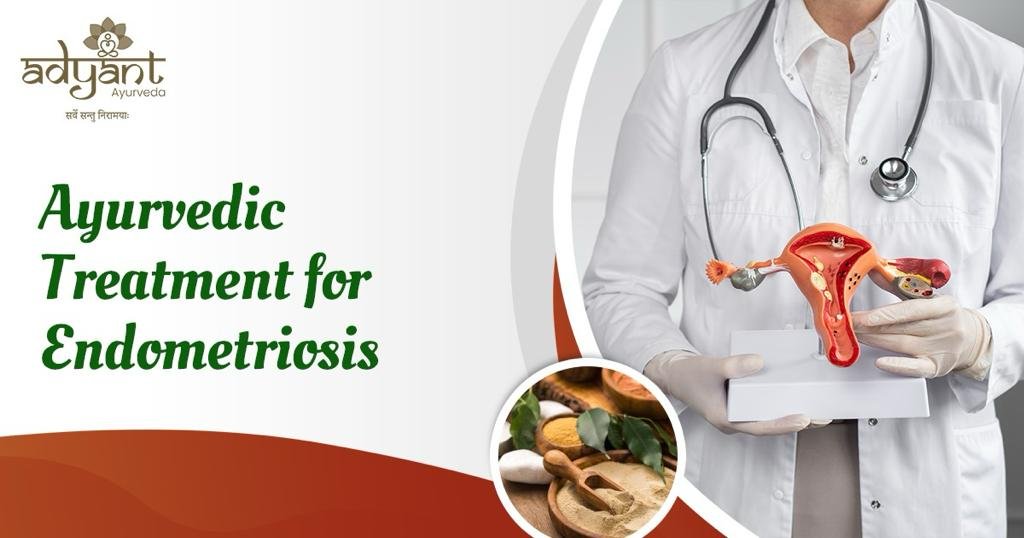
Endometriosis treatment in Ayurveda focuses on reducing inflammation, balancing hormones, and improving pelvic circulation through Panchakarma therapies, herbal medicine, and lifestyle correction. It helps manage pain, slow disease progression, and support reproductive health under medical supervision.
Endometriosis treatment in Ayurveda works by correcting the root imbalance that causes the condition. In Ayurvedic understanding, this disorder is linked to aggravated Vata and Pitta dosha, along with impaired functioning of Apana Vata. Treatment focuses on reducing inflammation, regulating hormonal activity, clearing pelvic congestion, and improving reproductive health. Panchakarma therapies such as Virechana treatment (Ayurvedic detox for hormonal balance) and Basti Treatment (primary therapy for Vata imbalance and pelvic pain) play a key role, while Uttar Basti (specialized uterine therapy) supports local healing. These therapies are often performed as part of structured Panchakarma programs under medical supervision.
Ayurvedic treatment is often considered a natural approach for managing endometriosis pain, supporting hormonal imbalance treatment, and improving reproductive health without long-term dependency on medications.
You may also like – Ayurvedic Doshas
Key Takeaway
Endometriosis is a chronic inflammatory condition that requires long-term management. Ayurvedic treatment focuses on reducing inflammation, balancing hormones, and improving pelvic health rather than only suppressing symptoms.
What is Endometriosis?
Endometriosis is a condition where tissue similar to the inner lining of the uterus grows outside the uterus. This abnormal tissue may develop on the ovaries, fallopian tubes, pelvic lining, or nearby organs. It behaves like normal uterine lining by thickening and bleeding during menstruation. However, since this blood cannot exit the body, it leads to inflammation, pain, and scar tissue formation.
Endometriosis affects approximately 1 in 10 women of reproductive age globally, making it one of the most common yet underdiagnosed gynecological conditions.
Diagnosis is often delayed by 5–7 years due to symptom overlap, making early awareness and timely treatment important.
How Effective is Ayurvedic Treatment for Endometriosis?
Ayurvedic management of Endometriosis works at multiple levels:
✔ Reduces chronic pelvic inflammation
✔ Helps regulate estrogen dominance naturally
✔ Improves Apana Vata and pelvic circulation
✔ Supports reduction in cysts and adhesions
✔ Enhances fertility and implantation environment
Read also – Ayurvedic Treatment for Infertility
Why Many Women Prefer Ayurveda for Endometriosis
• Avoids long-term hormonal dependency
• Focuses on root cause rather than symptom suppression
• Lower recurrence risk with lifestyle correction
• Supports fertility naturally
• Improves overall health, not just disease
Expected Results Timeline
• 4–6 weeks: Reduction in pain, bloating, and discomfort
• 2–3 months: Improvement in menstrual regularity
• 3–6 months: Better hormonal balance and reduced recurrence risk
Results vary depending on disease stage, severity, and consistency of treatment.
Read Also – Ayurvedic Treatment for Hormonal Imbalance
Treatment Outcome Transparency
Ayurvedic treatment for Endometriosis focuses on long-term management rather than an instant cure. Clinical outcomes vary based on disease stage, individual constitution, and treatment adherence.
While many patients experience symptom relief and improved quality of life, results cannot be guaranteed and should be evaluated under medical supervision.
Clinical Practice Insight
In clinical Ayurvedic practice, treatment plans are individualized based on Prakriti (body constitution), disease stage, and symptom severity. Patients with early-stage endometriosis often respond faster, while advanced cases require longer and more integrative management.
Clinical Insight & Evidence-Based Perspective
Emerging integrative research indicates that chronic inflammatory conditions like Endometriosis respond to therapies targeting inflammation, oxidative stress, and hormonal imbalance.
Ayurvedic interventions support this by:
✔ Reducing inflammatory mediators
✔ Supporting liver detoxification pathways
✔ Modulating hormonal metabolism
✔ Improving immune response
Integrative Approach in Modern Care
Globally, there is increasing acceptance of integrative approaches combining conventional gynecology with traditional systems like Ayurveda for chronic inflammatory conditions. This approach focuses on both symptom management and long-term disease control.
Diagnosis of Endometriosis
Diagnosis of Endometriosis typically involves:
• Clinical evaluation of symptoms and menstrual history
• Pelvic examination
• Ultrasound for ovarian cysts (endometriomas)
• MRI for deep infiltrating disease
• Laparoscopy (gold standard for confirmation)
Early diagnosis helps prevent disease progression and improves treatment outcomes.
Why Endometriosis Pain Persists
Chronic inflammation, nerve sensitization, and hormonal imbalance contribute to persistent pelvic pain. This is why long-term systemic management is required rather than short-term symptom suppression.
Can Endometriosis Be Managed Naturally?
Yes, under proper medical supervision, Ayurvedic treatment can help manage endometriosis by reducing inflammation, balancing hormones, and improving pelvic health.
Endometriosis Causes
• Retrograde menstruation
• Hormonal imbalance (estrogen dominance)
• Immune dysfunction
• Genetic predisposition
• Chronic inflammation and oxidative stress
• Environmental toxins
Related Ayurvedic Treatments for Women’s Health
How Endometriosis Develops – Modern Medical Understanding
• Ectopic implantation of endometrial cells
• Estrogen-driven tissue growth
• Immune failure to clear abnormal cells
• Chronic inflammatory cytokine activity
• Oxidative stress damage
Clinical Symptoms
• Severe menstrual cramps
• Chronic pelvic pain
• Pain during intercourse
• Heavy or irregular bleeding
• Digestive disturbances
• Fatigue
• Infertility
Severity of symptoms does not always match disease stage.
Is Endometriosis a Lifelong Condition?
Endometriosis is a chronic condition, but its symptoms and progression can be effectively managed with the right treatment approach.
Ayurvedic Treatment for Endometriosis
Ayurvedic treatment for endometriosis focuses on correcting the root cause by balancing doshas, reducing inflammation, improving pelvic circulation, and supporting hormonal regulation. Panchakarma therapies play a central role in detoxification, pain management, and long-term disease control.
Read Also – Types of Panchakarma Treatment and Which One is Right for You?
✔ Virechana Therapy (Therapeutic Purgation)
Virechana is a classical Panchakarma detox therapy primarily used to eliminate aggravated Pitta dosha, which is responsible for inflammation and excessive heat in the body.
How it helps in Endometriosis:
• Reduces chronic pelvic inflammation and burning pain
• Supports liver function, which plays a key role in hormone metabolism
• Helps regulate estrogen dominance (a major factor in endometriosis progression)
• Clears accumulated toxins (Ama) contributing to inflammatory processes
• Improves digestion (Agni), preventing further toxin formation
By reducing Pitta and improving metabolic pathways, Virechana helps control the inflammatory environment associated with endometriosis.
✔ Basti Therapy (Medicated Enema – Primary Vata Treatment)
Basti is considered the most important therapy for balancing Vata dosha, especially Apana Vata, which governs reproductive health and pelvic functions.
How it helps in Endometriosis:
• Regulates Apana Vata, improving menstrual flow and reducing pain
• Relieves chronic pelvic pain, cramps, and lower abdominal discomfort
• Improves pelvic circulation, reducing congestion and stagnation
• Helps in reducing adhesions and fibrosis over time
• Supports nervous system calming, reducing pain sensitivity
Medicated oils and decoctions used in Basti therapy nourish tissues, reduce dryness, and improve functional balance in the pelvic region.
✔ Uttar Basti(Specialized Uterine Therapy)
Uttar Basti is a highly specialized Ayurvedic procedure in which medicated oils or decoctions are administered directly into the uterine or vaginal route under strict medical supervision.
How it helps in Endometriosis:
• Provides targeted action on the uterus and pelvic organs
• Supports the healing of endometrial tissue and reduces local inflammation
• Helps in managing cysts (endometriomas) and tissue overgrowth
• Improves uterine receptivity and fertility potential
• Regulates menstrual cycles and reduces abnormal bleeding
This therapy is particularly beneficial in reproductive disorders and is performed only by experienced Ayurvedic physicians.
Combined Therapeutic Effect
When these therapies are used in a structured and personalized Panchakarma protocol:
✔ Inflammation is reduced at a systemic and local level
✔ Hormonal balance improves naturally
✔ Pelvic congestion and stagnation decrease
✔ Pain intensity and frequency reduce significantly
✔ Disease progression can be slowed
✔ Fertility outcomes may improve
These therapies should always be performed under qualified Ayurvedic medical supervision. Self-treatment or unmonitored procedures are not recommended.
Ayurvedic Medicines for Endometriosis
Common Ayurvedic formulations used in clinical practice include:
• Shatavari – supports hormonal balance and fertility
• Ashoka – strengthens uterine health
• Kanchanar Guggulu – helps reduce cysts and growth
• Manjistha – improves blood purification
• Dashamoola – reduces inflammation and pain
• Triphala – supports detoxification and gut health
• Ashwagandha – helps manage stress and hormonal imbalance
Medicines should only be taken under qualified Ayurvedic supervision.
Ayurvedic Diet for Endometriosis
Diet plays a crucial role in managing inflammation, hormonal balance, and disease progression in endometriosis.
Recommended Diet
• Warm, freshly cooked meals
• Anti-inflammatory spices (turmeric, ginger, cumin)
• Green leafy vegetables
• Whole grains (rice, millet)
• Healthy fats (ghee in moderation)
• Easily digestible foods
Foods to Avoid
• Processed and packaged foods
• Excess sugar and refined carbs
• Cold and refrigerated foods
• Deep-fried and junk foods
• Excess caffeine
A proper Ayurvedic diet helps reduce Ama (toxins), supports digestion (Agni), and improves hormonal metabolism.
Read Also – Ayurvedic Treatment to Improve Digestion Fire
Lifestyle Modifications for Endometriosis
Lifestyle correction is essential for long-term disease control and prevention of recurrence.
Recommended Practices
• Abhyanga (oil massage) – improves circulation and reduces Vata
• Yoga – supports pelvic flexibility and pain reduction
• Pranayama – reduces stress and hormonal imbalance
• Meditation – lowers inflammation triggers
• Proper sleep – supports endocrine function
Avoid
• Sedentary lifestyle
• Chronic stress
• Irregular eating and sleeping habits
Limitations of Ayurvedic Treatment
Ayurveda is highly effective in early to moderate stages. However:
• Advanced disease may require surgery
• Large cysts need medical evaluation
• Acute complications need immediate care
Ayurvedic treatment should not delay emergency or surgical intervention when required.
Safety & Medical Supervision
• Treatments must be performed under qualified Ayurvedic doctors
• Self-medication with herbs is not recommended
• Panchakarma therapies require clinical supervision
• Always consult a gynecologist for diagnosis confirmation
What to Expect During Ayurvedic Treatment
• Step 1: Consultation and Prakriti assessment
• Step 2: Diagnosis and treatment planning
• Step 3: Panchakarma (if required)
• Step 4: Herbal medicines
• Step 5: Diet & lifestyle correction
• Step 6: Follow-up monitoring
Treatment duration typically ranges from 2 to 6 months, depending on severity.
Endometriosis Care at Adyant Ayurveda – Bangalore, India
Adyant Ayurveda is a specialized center for Ayurvedic gynecological care in Bangalore. Treatment plans are designed based on clinical assessment and may be integrated with modern medical care when required.
Treatment includes:
✔ Personalized diagnosis
✔ Panchakarma detox
✔ Herbal treatment
✔ Diet & lifestyle correction
✔ Fertility-focused care
📍 Bangalore
📞 9972541009
Who Should Consider Ayurvedic Treatment?
• Women with early to moderate endometriosis
• Patients seeking non-hormonal treatment
• Chronic pain cases not responding to medication
• Women planning pregnancy
• Long-term disease management seekers
When to Seek Immediate Medical Care
• Severe or sudden pelvic pain
• Heavy uncontrolled bleeding
• Large ovarian cysts
• Suspected complications
In such cases, immediate gynecological evaluation is necessary.
How to Prevent Recurrence of Endometriosis
• Follow an anti-inflammatory diet
• Maintain hormonal balance
• Manage stress effectively
• Avoid irregular routines
• Regular follow-ups with doctor
Conclusion
Endometriosis is a complex chronic condition requiring a comprehensive and individualized treatment approach. Ayurveda offers a holistic pathway focusing on inflammation control, hormonal balance, and long-term health improvement.
When practiced under expert supervision and combined with appropriate medical care when required, it can significantly improve quality of life and disease management outcomes.
Medically Reviewed Content
This article on Endometriosis treatment in Ayurveda is authored and medically reviewed by qualified Ayurvedic experts:
Author: Dr. Shree Lakshmi, BAMS
Senior Ayurvedic Physician, Adyant Ayurveda
Medical Reviewer: Dr. Sumana Patvardhan, MD (Ayurveda)
Consultant Ayurvedic Physician, Adyant Ayurveda
This content is based on classical Ayurvedic texts along with modern clinical understanding to ensure safe, reliable, and evidence-informed guidance.
Medical Disclaimer
This content is for educational purposes only. Endometriosis requires proper medical diagnosis and supervision. Ayurvedic treatments should only be taken under qualified professionals. In severe cases, immediate conventional medical care may be necessary.
FAQs on Ayurvedic Treatment for Endometriosis
What exactly causes endometriosis to keep progressing?
Chronic inflammation, estrogen dominance, immune dysfunction, oxidative stress, and fibrosis create a self-sustaining disease loop unless corrected systemically.
Is endometriosis curable permanently?
There is no single permanent cure, but integrative management can place the disease into long-term remission with major symptom relief.
Can young girls develop endometriosis?
Yes — it can begin soon after the first menstruation.
Does pregnancy cure endometriosis?
Pregnancy may temporarily suppress symptoms, but it does not cure the disease.
Is a hysterectomy a solution?
Not always. Endometriosis exists outside the uterus, so symptoms may persist.
Can Ayurvedic therapy shrink cysts?
Many patients show cyst reduction and inflammation control with proper protocols.
How long should treatment continue?
Typically, 3–12 months, depending on severity and response.
Can stress worsen symptoms?
Yes. Stress hormones directly increase inflammation and pain sensitivity.
Is hormonal medication harmful long-term?
Long-term use may have side effects and does not address the root inflammation.
When should I seek urgent care?
• Sudden severe pain
• Heavy bleeding
• Fever
• Bowel or urinary obstruction symptoms
Research-Based References on Endometriosis
Oxidative stress & disease progression (PubMed)
https://pubmed.ncbi.nlm.nih.gov/40052588/Inflammation and fertility impact (PubMed)
https://pubmed.ncbi.nlm.nih.gov/39229427/Oxidative stress severity correlation (PubMed)
https://pubmed.ncbi.nlm.nih.gov/31007466/Systematic review on oxidative stress (PubMed)
https://pubmed.ncbi.nlm.nih.gov/29057034/Endometrioma & infertility oxidative damage (Nature Scientific Reports)
https://www.nature.com/articles/s41598-025-20319-9Ayurvedic perspective & clinical relevance
https://jaims.in/jaims/article/view/219Documented Ayurvedic management case study
https://ijapr.in/index.php/ijapr/article/view/3805
Educational Disclaimer: This article is for educational purposes only and does not replace medical advice. Treatment results may vary. Please consult a qualified Ayurvedic doctor or healthcare professional before starting any treatment.
Last Updated: 16 February 2026
Content Update Policy
Our articles are reviewed and refreshed regularly to reflect the latest information. Our experts continuously monitor developments in the health and wellness field to ensure the content remains accurate and up to date.
Author: Dr. Shree Lakshmi, BAMS
Senior Ayurvedic Physician, Adyant Ayurveda
Medical Reviewer: Dr. Sumana Patvardhan, MD (Ayurveda)
Consultant Ayurvedic Physician, Adyant Ayurveda