


Ayurvedic Treatment for ENT: ENT stands for Ear, Nose, and Throat, which is a branch of medicine that focuses on diagnosing and treating conditions related to these areas. It’s also called Otolaryngology.
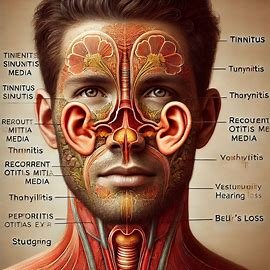
An ENT doctor is a specialist who helps with problems like:
- Ear issues: hearing loss, ear infections, ringing in the ears (tinnitus), or balance problems.
- Nose problems: allergies, sinus infections, breathing issues, or a deviated septum.
- Throat conditions: sore throats, voice problems, or difficulty swallowing.
For free consultation with top ayurvedic doctors download our app from play store “AyurCare“
Why Ayurveda for ENT Treatment
Are you tired of recurring ear, nose, and throat (ENT) issues that seem to defy conventional treatments Imagine finding relief through a holistic approach perfected over thousands of years. Welcome to the world of Ayurvedic treatment for ENT disorders—a natural, time-tested solution that addresses not just symptoms but your overall well-being.
In today’s fast-paced world, ENT problems can significantly impact our quality of life. From chronic sinusitis to persistent throat infections, these issues can leave us feeling frustrated and drained. ENT Ayurvedic Treatment offers a unique perspective on ENT health that harmonizes the body’s natural healing processes, tackling these disorders at their root.
In this comprehensive guide, we’ll explore how Ayurveda diagnoses and treats ENT disorders, delve into powerful herbal remedies, home remedies and uncover the lifestyle changes that can transform your ENT health. Whether you’re new to Ayurveda or looking to integrate it with modern treatments, join us on a journey to lasting wellness for your ears, nose, and throat.
Understanding Ayurveda and ENT Disorders
Defining Ayurveda and Its Principles
Ayurveda, meaning “science of life” in Sanskrit, is a holistic healing system originating in India. Its core principles focus on achieving balance among mind, body, and spirit. Ayurveda emphasizes prevention and personalized treatments tailored to an individual’s unique constitution or dosha.
Learn more about all 3 Ayurveda Doshas
Common ENT Disorders and Their Ayurvedic Perspective
From an Ayurvedic viewpoint, ENT disorders often stem from imbalances in the doshas, particularly Kapha and Vata. Here are some common ENT issues with their Ayurvedic interpretations:
| ENT Disorder | Ayurvedic Perspective |
|---|---|
| Tinnitus | Vata disturbance |
| Recurrent Sinusitis | Kapha imbalance |
| Acute Otitis Media | Pitta and Kapha aggravation |
| Pharyngitis | Pitta aggravation |
| Tonsillitis | Pitta and Kapha imbalance |
| Hypothyroidism | Kapha imbalance |
| Hyperthyroidism | Pitta disturbance |
| Rhinitis | Kapha imbalance |
| Dysphagia | Vata imbalance |
| Meniere’s Disease | Vata disturbance |
The Role of Doshas in ENT Ayurvedic Treatment
Ayurveda recognizes three primary doshas that influence ENT health:
- Vata: Governs movement and circulation in the ear, nose, and throat.
- Pitta: Regulates metabolism and inflammation in ENT tissues.
- Kapha: Maintains structure and lubrication of ENT organs.
Balancing these doshas is essential for maintaining optimal ENT health. Ayurvedic treatments aim to restore this balance through herbal remedies, dietary adjustments, and lifestyle modifications
Ayurvedic Diagnosis of ENT Disorders
Pulse Diagnosis (Nadi Pariksha)
Nadi Pariksha is a fundamental diagnostic technique in Ayurveda. By feeling the pulse, practitioners assess dosha imbalances and overall health. For ENT issues, they focus on the qualities of Vata and Kapha, often implicated in these conditions.
Tongue Examination (Jihva Pariksha)
The tongue’s appearance offers insights into internal imbalances:
- A pale, swollen tongue indicates Kapha imbalance.
- A dry, cracked tongue suggests Vata disturbance.
- A red, inflamed tongue points to Pitta issues.
Physical Examination Techniques
Ayurvedic practitioners use physical examinations to assess ENT health:
- Inspection: Identifies visible abnormalities.
- Palpation: Detects swelling or tenderness.
- Breath Odor Assessment: Evaluates internal imbalances.
- Voice Evaluation: Determines respiratory and vocal cord health.
Identifying Dosha Imbalances for ENT Ayurvedic Treatment
Each dosha corresponds to specific ENT disorders:
- Vata: Tinnitus, vertigo, dry sinuses.
- Pitta: Infections, inflammation, allergies.
- Kapha: Congestion, mucus buildup, sinus blockages.
Ayurvedic Remedies for ENT | Ayurvedic Medicines for ENT
Powerful Herbs for Ear Infections
Ayurveda offers potent herbs to combat ear infections naturally:
| Herb | Benefits | Usage |
| Garlic | Antimicrobial | Garlic oil drops |
| Mullein | Reduces inflammation | Mullein oil drops |
| Holy Basil | Boosts immunity | Tea or oil infusion |
Natural Solutions for Sinus Problems
Ayurvedic remedies for sinus issues focus on clearing congestion and reducing inflammation:
- Neti Pot: Saline solution irrigation.
- Steam Inhalation: With eucalyptus or tulsi oil.
- Ginger and Turmeric Tea: Anti-inflammatory benefits.
Ayurvedic Treatments for Throat Issues
Effective solutions for throat problems include:
| Herb | Benefit |
| Licorice Root | Soothes sore throats |
| Slippery Elm | Protects throat lining |
| Marshmallow Root | Relieves irritation |
Herbs to Boost Overall ENT Immunity
To strengthen immunity against ENT disorders, consider:
- Ashwagandha
- Amla (Indian Gooseberry)
- Guduchi
Ayurvedic Therapies Used in ENT Ayurvedic Treatment
Nasya: Nasal Administration of Herbal Oils
Nasya involves applying medicated oils or powders through the nasal passages. Benefits include:
- Clearing nasal congestion.
- Reducing sinus pressure.
- Enhancing sensory perception.
Common oils used in Nasya Therapy:
| Oil | Benefits |
| Anu Tailam | Treats sinusitis and allergies |
| Shadbindu Tailam | Relieves headaches |
| Brahmi Oil | Improves mental clarity |
Karna Purana: Ear Cleansing and Nourishment
Karna Purana involves filling the ear canal with warm, medicated oil. It is beneficial for:
- Relieving ear pain.
- Treating tinnitus.
- Improving hearing.
Shirodhara: Head and Forehead Oil Therapy
Shirodhara is a relaxing therapy where warm oil is poured continuously on the forehead. Benefits include:
- Reducing stress and anxiety.
- Alleviating headaches.
- Improving sleep quality.
Dietary Recommendations for ENT Ayurvedic Treatment
Foods to Balance Vata Dosha
- Warm grains (rice, oats).
- Root vegetables (sweet potatoes).
- Nuts and seeds (almonds, sesame seeds).
Pitta-Pacifying Diet
- Cooling fruits (melons, pears).
- Leafy greens (spinach, kale).
- Whole grains (barley, quinoa).
Kapha-Reducing Foods
- Pungent spices (ginger, turmeric).
- Light fruits (apples, pomegranates).
- Astringent vegetables (Brussels sprouts).
General Guidelines
- Eat warm, freshly cooked meals.
- Avoid cold drinks and foods.
- Stay hydrated with warm water.
Lifestyle Changes to Support ENT Health
Daily Routines (Dinacharya)
Incorporate these Ayurvedic practices:
| Practice | Benefit |
| Jala Neti | Clears nasal passages |
| Oil Pulling | Improves oral health |
| Tongue Scraping | Removes toxins |
| Steam Inhalation | Relieves congestion |
Yoga Poses for ENT Disorders
- Halasana (Plow Pose)
- Sarvangasana (Shoulder Stand)
- Matsyasana (Fish Pose)
- Simhasana (Lion Pose)
Breathing Exercises (Pranayama)
- Anulom Vilom: Alternate nostril breathing.
- Bhramari: Humming bee breath.
- Kapalbhati: Skull-shining breath.
Integrating Ayurveda with Modern ENT Treatments
Ayurveda complements modern treatments by addressing root causes and promoting holistic wellness. While conventional medicine targets symptoms, Ayurveda focuses on restoring balance. Together, they can provide comprehensive care for ENT disorders.
Best ENT Ayurvedic Doctor Near Me in Bangalore
Ayurvedic ENT Specialist in Bangalore: Dr. Vidhyasri R. | Shalakya Tantra Consultant
Dr. Vidhyasri R. is a highly skilled and compassionate Ayurvedic physician specializing in Shalakya Tantra, the branch of Ayurveda dedicated to the treatment of the eyes, ears, nose, throat, and head. Combining ancient Ayurvedic principles with modern healthcare insights, Dr. Vidhyasri provides personalized treatments that promote holistic healing and preserve sensory health.
Meet our best ayurvedic doctors in Bangalore
Core Competencies
Shalakya Tantra Expertise
Dr. Vidhyasri excels in treating a wide range of conditions related to sensory organs, offering effective solutions tailored to individual needs through Ayurvedic methodologies.
Specialized Ayurvedic ENT Treatments
- Netra Chikitsa (Eye Care)
- Management of eye disorders such as conjunctivitis, dry eyes, cataracts, and myopia through natural remedies and therapies.
- Karna Chikitsa (Ear Care)
- Treatment for conditions like tinnitus, hearing loss, and ear infections using Ayurvedic techniques.
- Nasya Therapy (Nasal Care)
- Holistic approach to managing sinusitis, nasal polyps, migraines, and allergies through therapeutic nasal administration.
- Mukha and Kantha Roga Chikitsa (Throat Care)
- Effective treatments for throat disorders, including tonsillitis, voice-related issues, and oral hygiene enhancement.
- Head and Neck Disorders
- Ayurvedic solutions for migraines, headaches, and cervical spondylosis that promote long-lasting relief.
- Management of Chronic Conditions
- Preserving and enhancing sensory organ functionality through integrative Ayurvedic therapies.
Ayurvedic Treatment for ENT: Conclusion
With its holistic approach, Ayurveda offers a profound pathway to lasting relief for ENT disorders. By addressing root causes, promoting balance, and incorporating natural remedies, Ayurveda paves the way for vibrant health and well-being. Whether you’re managing chronic sinusitis, tinnitus, or thyroid issues, Ayurvedic therapies can transform your ENT health naturally.