


Table of Contents
ToggleAuthored by: Dr. Preethi J, BAMS – Ayurvedic Physician with 24+ years of experience in Skin Care & Panchakarma
Reviewed & Updated: March 2026
Introduction to Acne and Ayurvedic Treatment
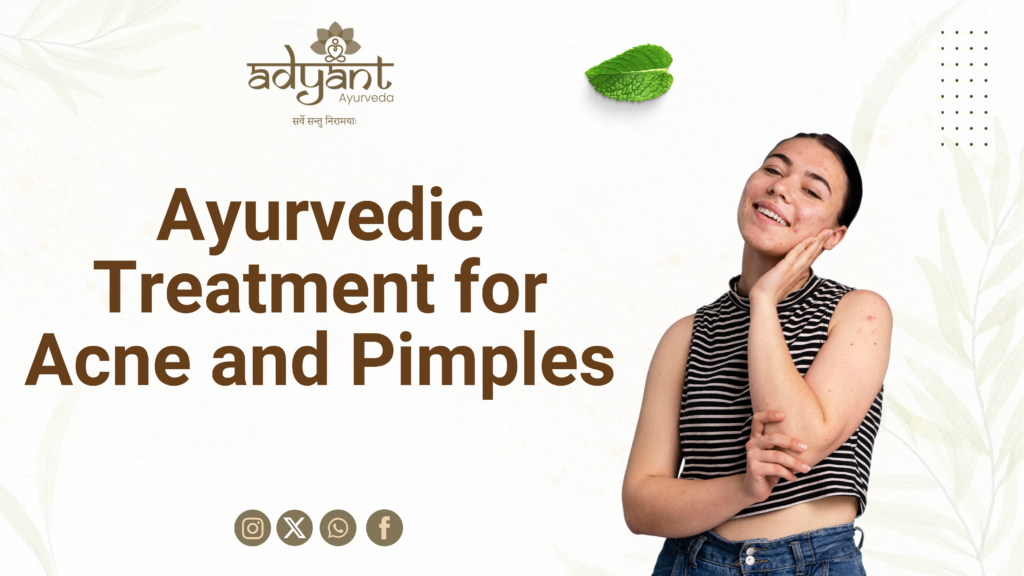
Acne (Acne vulgaris) is one of the most common skin concerns seen in both adolescents and adults. In clinical practice, it is not just a cosmetic issue—it often reflects deeper internal imbalances.
Medically, acne develops when hair follicles become blocked due to excess oil (sebum), dead skin cells, and bacterial growth. This leads to blackheads, whiteheads, inflamed pimples, and in some cases, painful cysts.
While modern treatments can suppress symptoms temporarily, recurrence is common when underlying causes such as hormonal imbalance, digestive disturbances, and chronic inflammation are not addressed.
From an Ayurvedic perspective, acne is not merely a skin disorder. It is considered a manifestation of internal imbalance involving aggravated Pitta and Kapha doshas, impaired digestion (Agni), toxin accumulation (Ama), and vitiation of blood tissue (Rakta Dushti).
Because of this, Ayurvedic treatment for acne focuses on correcting the root cause rather than only treating visible symptoms—leading to more sustainable and long-term results.
What is the Fastest Ayurvedic Way to Control Acne?
Patients often ask how quickly results can be seen.
In Ayurveda, faster results are usually observed when internal correction and external care are combined. This includes improving digestion, following a strict diet, and using appropriate herbal medicines along with simple topical applications.
However, it is important to understand that “fast” in Ayurveda does not mean suppressing symptoms overnight. Instead, it focuses on stabilizing the system so that breakouts reduce naturally and sustainably.
What is Acne?
Acne is a condition in which pores become clogged with oil, dead skin, and bacteria. This blockage leads to inflammation and visible lesions on the skin.
Clinically, acne may appear as:
- Whiteheads and blackheads
- Red inflamed pimples
- Pus-filled lesions (pustules)
- Deep nodules and cysts
- Oily and congested skin
Conditions That May Look Like Acne
Not all facial breakouts are acne. In practice, some patients present with similar-looking conditions such as:
- Rosacea
- Folliculitis
- Fungal acne (Malassezia)
- Allergic reactions
Each of these requires a different line of treatment. Proper diagnosis is essential before starting any therapy.
Read Also – Ayurvedic Treatment for Fungal Infections
Causes of Acne
Modern Medical Understanding
- Hormonal imbalance (especially during puberty or PCOS)
- Excess sebum production
- Bacterial growth
- Poor diet and gut health
- Stress and sleep disturbances
Read Also – Ayurvedic Treatment for PCOS
Ayurvedic Causes (Hetu)
- Excess intake of spicy, oily, and fermented foods
- Heavy and greasy diet increasing Kapha
- Weak digestion leading to toxin formation (Ama)
- Blood impurities (Rakta Dushti)
- Sedentary lifestyle and stress
This is why Ayurvedic acne treatment focuses on root correction, not just surface-level relief.
Types of Acne Based on Severity
In clinical practice, treatment is always guided by severity:
- Mild acne: Occasional blackheads and small pimples
- Moderate acne: Frequent inflamed lesions and pustules
- Severe acne: Nodules, cysts, and risk of scarring
This classification helps determine whether simple treatment is enough or deeper detoxification is required.
Ayurvedic Understanding of Acne (Yuvanpidika / Mukhdushika)
Classical Ayurvedic texts describe acne as Yuvanpidika or Mukhdushika. It develops due to vitiation of Pitta dosha and Kapha dosha along with Rakta Dushti, leading to blockage of skin channels (Srotorodha).
This results in inflammation, pus formation, and repeated eruptions.
Best Ayurvedic Treatment Approach for Acne or Pimples
In day-to-day clinical practice, Ayurvedic treatment for acne follows a structured approach rather than a single remedy.
- Correcting Pitta and Kapha imbalance
- Improving digestion and metabolism (Agni)
- Detoxifying accumulated toxins (Ama)
- Purifying blood (Rakta Shodhana)
- Supporting skin healing with herbal formulations
In moderate to severe cases, Panchakarma therapies such as Virechana (therapeutic purgation) may be advised to accelerate detoxification and reduce inflammation.
This approach works gradually but addresses the condition at its root, which is why recurrence reduces over time.
1. Panchakarma for Acne Treatment (Detoxification)
For moderate to severe acne, detox therapies are recommended:
- Virechana for Pitta imbalance
- Vamana for Kapha dominance
- Raktamokshana in severe cases
These are performed only under medical supervision.
2. Ayurvedic Medicines for Acne
Commonly used herbs in Ayurvedic acne treatment include:
- Manjistha – supports blood purification and skin clarity
- Neem – antibacterial and detoxifying
- Triphala – improves digestion and elimination
- Yashtimadhu – reduces inflammation and pigmentation
- Tulsi – supports immunity
Classical formulations like Kaishora Guggulu and Arogyavardhini Vati are often prescribed based on individual assessment.
Read Also – Ayurvedic Treatment for Pigmentation
Scientific Perspective
Modern research supports the role of inflammation and bacterial activity in acne. Many Ayurvedic herbs traditionally used for skin disorders have shown anti-inflammatory and antimicrobial properties in preliminary studies.
However, Ayurveda differs in its approach by emphasizing individualized treatment based on body constitution, which is crucial for long-term effectiveness.
Read Also – Ayurvedic Skin Care Treatment
Ayurvedic Home Remedies for Pimples
You can support treatment with:
- Neem and turmeric paste
- Aloe vera gel
- Sandalwood-based applications
- Fenugreek paste
A patch test is always recommended.
Risks of Self-Treatment
In clinical experience, overuse of home remedies or mixing multiple treatments often worsens the condition.
This can lead to:
- Skin irritation
- Increased pigmentation
- Delayed healing
A guided and structured approach is always safer.
Diet for Acne in Ayurveda (Pathya)
Diet plays a major role in acne management.
Recommended:
- Cooling foods like cucumber and coconut water
- Fresh fruits such as pomegranate
- Adequate hydration
To Avoid:
- Spicy, oily, and fried foods
- Excess sugar and dairy
- Processed foods
Lifestyle Tips to Reduce Acne
- Maintain regular sleep
- Practice stress management (yoga, pranayama)
- Avoid frequent touching or squeezing pimples
- Follow a simple and consistent skincare routine
How Long Does Ayurvedic Treatment Take?
- Mild acne: 3–4 weeks
- Moderate acne: 6–8 weeks
- Severe acne: 2–3 months
Factors Affecting Results:
- Individual constitution
- Severity of acne
- Hormonal imbalance
- Diet and consistency
Risks of Ignoring Acne
- Acne scars
- Dark spots (hyperpigmentation)
- Recurrent infections
- Emotional stress
Read Also – Ayurvedic Treatment for Hyperpigmentation
When Should You Consult a Doctor?
- Severe or painful acne
- Hormonal acne (PCOS-related)
- No improvement after 4–6 weeks
- Scarring or cystic acne
Cost of Ayurvedic Acne Treatment in Bangalore
In cities like Bangalore, Ayurvedic acne treatment is widely available with personalized care.
Typical costs include:
- Consultation: ₹500
- Medicines: ₹1,500–₹2,500/month
- Panchakarma: ₹10,000–₹15,000
Why Choose Ayurvedic Treatment for Acne?
Unlike symptom-based treatments, Ayurvedic treatment for acne focuses on:
- Addressing internal causes
- Improving digestion and metabolism
- Preventing recurrence
- Enhancing overall skin health
Ideal for chronic and hormonal acne.
Book Your Consultation
Get a personalized Ayurvedic acne treatment plan based on your body type and condition.
📲 Call: 9972541009
📩 Request a Call Back
About the Author
Dr. Preethi J is an experienced Ayurvedic physician with over 24 years of clinical practice in dermatology and Panchakarma. She has treated a wide range of acne cases, including hormonal and chronic conditions, using classical Ayurvedic principles.
Conclusion – Ayurvedic Treatment for Acne
Acne is often a reflection of internal imbalance rather than just a skin problem. Ayurvedic treatment focuses on correcting digestion, detoxifying the body, and restoring balance.
With consistency and proper guidance, it is possible to achieve long-term improvement and healthier skin.
Read Related Blogs
Ayurvedic Treatment for Hormonal Acne & Polycystic Ovarian Disease
Atopic Dermatitis Ayurvedic Treatment
Ayurvedic Treatment for Seborrheic Dermatitis
Panchakarma Therapy for Deep Detoxification and Skin Health
Ayurvedic treatment for hormonal imbalance
FAQs – Ayurvedic Acne Treatment
Can Ayurveda completely cure acne?
Yes, Ayurveda treats the root causes, which helps achieve long-term results when followed properly.
How long does it take to see results?
Improvements are often visible within 2–4 weeks. Chronic cases may need 2–3 months or longer.
Are Ayurvedic remedies safe?
Yes. They’re natural, but it’s important to consult a practitioner for personalized guidance.
Can I combine Ayurvedic remedies with allopathic medicines?
Yes, but under medical supervision to avoid interactions.
Is it suitable for all skin types?
Absolutely. Ayurveda tailors treatments based on your unique dosha and skin profile.
Medical Disclaimer
This content is for educational purposes only. Treatment should always be personalized based on individual condition and medical history. Consult a qualified Ayurvedic practitioner before starting any treatment.