



Table of Contents
ToggleWhy do hives keep coming back?
In my 28+ years as an Ayurvedic doctor, hives (urticaria) is one of the most common skin problems patients bring to me. Most of them have already tried antihistamine tablets for months — sometimes years. The itching stops for a while, but the red, raised patches keep coming back.
Many patients feel frustrated. Some have simply been told “avoid spicy food” or “avoid cold” — but nobody has explained why their body is reacting this way.
Here is what I have learned after treating hundreds of such patients: hives are not just a skin problem. The skin is just showing what is going wrong deeper inside the body, mainly in the digestive system and the immune system.
Ayurveda does not just stop the itching. It tries to fix the root cause so the hives stop coming back.
What does Ayurveda call hives?
In Ayurveda, hives are called Sheetapitta. The word comes from two Sanskrit words — Sheeta (cold) and Pitta (heat or inflammation). This name describes what happens: the body reacts to cold or other triggers with an internal heat response that shows up on the skin.
Simply put, your body is overreacting to something, your immune system fires up, and your skin pays the price.
When swelling is the main symptom and patches are pale and persistent, Ayurveda calls it Udarda — a Kapha-dominant type of the same condition.
Common symptoms my patients come with:
- Sudden, intense itching — often worse at night
- Red or pale raised patches that appear and disappear
- Burning feeling along with the itch
- Flare-ups that come and go with no clear reason
- Digestive problems like bloating, acidity, or poor appetite
Why does this happen? The real cause, according to Ayurveda
Your digestion is weak
The first thing I check in every urticaria patient is their digestion. Almost all of them have a weak digestive fire — what Ayurveda calls Agni.
When digestion is weak, food is not properly broken down. This creates a toxic residue called Ama — think of it like undigested waste that builds up inside the body.
How do you know if your digestion is weak? Common signs are bloating after meals, a white coating on the tongue in the morning, low appetite, and a feeling of heaviness in the stomach.
These toxins enter the blood
Once Ama builds up, it does not stay in one place. It enters the blood and plasma and starts circulating through the body. When this toxin-loaded blood reaches the skin, it triggers an allergic reaction — and that is what you see as hives.
This is why I always tell my patients: “We need to clean the system first. Until we do, the skin will keep reacting.”
Your body type matters — three patterns of hives
Not everyone gets hives the same way. In Ayurveda, we look at which of the three body energies — Vata, Pitta, or Kapha — is most disturbed. This tells us exactly which treatment to use.
Vata type — very intense itching, dry skin, patches that are unpredictable and irregular. Often gets worse in cold or dry weather. These patients are usually anxious or stressed.
Pitta type — red, hot, burning patches. Triggered by spicy food, alcohol, heat, or emotional stress. This is the most uncomfortable type and tends to flare up quickly.
Kapha type (Udarda) — pale, puffy, persistent patches. The patient feels heavy and sluggish. This type is the slowest to heal but responds well to proper cleansing treatment.
Getting this body-type diagnosis right is the most important step — because the treatment is completely different for each type.
What triggers hives? Things I see again and again
After 28+ years of treating urticaria patients, these are the most common triggers I identify:
- Eating curd (yoghurt) at night or in large amounts
- Mixing fish and dairy in the same meal
- Too much spicy, sour, or fried food
- Packaged and processed food
- Eating at irregular times or skipping meals
- Poor sleep
- Stress and anxiety
- Sudden change in weather — especially cold exposure
- Alcohol
Removing these triggers is always the first step of treatment. Without this, no medicine will work for long.
How I treat urticaria — three clear steps
Step 1 — Stop what is causing it (Nidana Parivarjana)
Before I prescribe a single medicine, I sit with the patient and go through their diet, daily routine, and lifestyle. We identify and remove the triggers. This step is not optional. In my experience, patients who skip this and jump straight to medicines either do not get better or they do for a while, then relapse.
Step 2 — Clean the system (Shodhana — Detoxification)
For patients with chronic or severe hives, we need to flush out the accumulated toxins from inside the body. This is called Shodhana in Ayurveda. Herbs alone cannot fully do this — a proper cleansing therapy is needed.
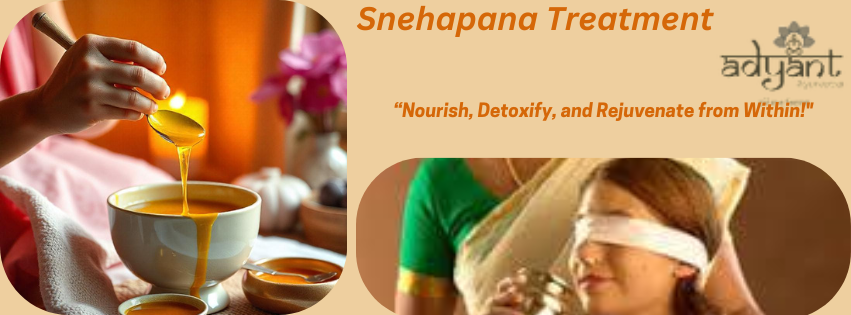
Virechana (controlled purgation) is the most effective therapy for Pitta-type hives. It involves taking medicated ghee (Snehapana) for a few days to loosen the toxins, followed by a controlled cleansing process. Most of my patients feel significantly lighter and see far fewer flare-ups after completing this properly.
Vamana (therapeutic emesis) is used only for Kapha-type patients where swelling is prominent, and symptoms are stubborn. It is not for everyone.
Basti (medicated enema) is the best option for Vata-type patients — especially those with severe itching, dry skin, and a lot of stress involvement. It helps calm the nervous system and stabilise Vata from its source in the colon.
Important: None of these therapies should be done at home or without a qualified Ayurvedic doctor. They are not suitable during pregnancy, for very elderly patients, or for young children without specialist guidance.
Step 3 — Herbal medicines to heal from within (Shamana)
Along with or after detoxification, I prescribe specific herbs based on the patient’s body type and symptoms. I rarely use just one herb — combinations work much better:
- Neem + Manjistha — for blood purification; reduces skin reactions from within
- Guduchi (Tinospora cordifolia) — to calm an overreactive immune system; excellent for chronic recurring hives
- Haridra (turmeric) — for burning, inflammation, and itching; well-researched anti-inflammatory herb whose active compound curcumin has documented clinical benefits
- Triphala — to repair the gut over time and restore proper digestion; addresses the Agni impairment at the root of the condition
Commonly prescribed Ayurvedic formulations
Depending on the case, I may prescribe one or more of these classical Ayurvedic medicines: Haridra Khanda, Mahamanjishthadi Kwath, Guduchi preparations, Arogyavardhini Vati, Avipattikar Churna, or Triphala.
The right dose always depends on your body weight, digestive strength, and how severe your condition is. Please do not self-medicate — the same formula that helps a Pitta-type patient can actually worsen a Vata-type patient.
What to eat and what to avoid
Diet is not a side note in Ayurveda — it is medicine. I tell every patient: “If the diet is not right, tablets will only give you temporary relief.”
Eat these: Freshly cooked warm meals, moong dal (split green gram), old rice or basmati, bitter vegetables like bitter gourd (karela), warm water throughout the day, and lightly spiced food that is easy to digest.
Avoid these: curd, especially at night; fermented foods; deep-fried foods; heavily spiced foods; packaged and processed snacks; cold drinks; ice cream; alcohol; and fish combined with dairy.
Many of my patients see a significant improvement in itching and flare-up frequency just by changing their diet — before any medicine is even started. Diet is that powerful, and it is often underappreciated.
Simple home remedies for mild symptoms
These are helpful for mild or occasional hives while the main treatment plan is being established. They are supportive measures — not a replacement for proper treatment if your symptoms are chronic or severe:
- A warm glass of turmeric milk at bedtime
- Coriander seed water — soak one teaspoon of seeds overnight, drink the water in the morning
- Neem water — helpful for a short time; do not use for long periods without guidance from your doctor
- Sandalwood paste applied directly on itchy patches for quick, cooling relief
How long does treatment take? What can you expect?
Based on 20+ years of treating urticaria patients, here is what my compliant patients typically experience:
2 to 3 weeks — itching becomes less intense and less frequent. 4 to 6 weeks — flare-ups start reducing noticeably. 2 to 3 months — significant improvement in most patients. Some achieve complete remission.
Long-standing chronic cases take longer — but they do respond well when the patient is consistent. The single biggest predictor of how fast and how well someone recovers is not the severity of their condition — it is how sincerely they follow the diet.
When should you consider Ayurvedic treatment?
Ayurvedic treatment is worth exploring if:
- Your hives keep coming back, even with antihistamines
- You have been taking antihistamine tablets for more than 6 weeks
- Your condition has lasted more than 3 months (chronic urticaria)
- You want to find and fix the root cause rather than manage symptoms
- You prefer a natural, holistic approach to healing
Ayurveda can also work alongside conventional medicine. This is a conversation worth having openly with both your doctors.
Important: When to go to the emergency department immediately
If you notice swelling of the lips, tongue, or throat, difficulty breathing or swallowing, or sudden dizziness, go to the nearest emergency room immediately. This is called anaphylaxis, and it is life-threatening. Do not try home remedies. Do not wait. Get conventional emergency treatment right away. Ayurvedic medicine is not appropriate as a first response to anaphylaxis.
References
- Charaka Samhita, Chikitsasthana, Chapter 7 — Sheetapitta-Udarda-Kotha Chikitsa (classical textual basis for urticaria management in Ayurveda)
- Management of chronic spontaneous urticaria using Ayurveda purification therapy — PubMed, PMID 38819189
- Chandran V, et al. — Curcumin as an anti-inflammatory agent: a review of clinical evidence. Journal of Clinical Immunology, 2021
Medical disclaimer: This article is written for educational purposes by Dr. Shreelakshmi, BAMS, Lead Ayurvedic Physician at Adyant Ayurveda, Bangalore, with 28+ years of clinical experience. It is not a substitute for personal medical advice. Always consult a qualified Ayurvedic doctor before starting any treatment. Individual results vary based on constitution, condition severity, and treatment compliance.
Last reviewed: April 2026
Patient Feedback After Ayurvedic Treatment for Urticaria at Adyant Ayurveda
Lisha – Urticaria Patient
FAQ on Ayurvedic Treatment for Urticaria
How does Ayurveda treat urticaria (hives) permanently?
Ayurveda treats urticaria by identifying the root cause—primarily Pitta and Kapha dosha imbalances. Personalized treatments, including herbal medicines, Panchakarma detox therapies (Virechana, Vamana), dietary adjustments, and lifestyle changes, work together to restore balance. Long-term relief is achieved by removing toxins (Ama), strengthening digestion (Agni), and supporting the immune system.
Which Ayurvedic medicines are best for treating urticaria?
Some commonly prescribed Ayurvedic medicines for urticaria include:
Triphala Churna
Gandhaka Rasayana
Neem Powder/Capsules
Manjistha
Guduchi
Haridra (Turmeric)
The exact choice depends on your individual constitution (Prakriti) and dosha imbalance. Consultation with an Ayurvedic doctor is important for a personalized treatment plan.
Can urticaria be treated at home with Ayurvedic remedies?
Yes, mild cases of urticaria can be managed at home using Ayurvedic remedies such as:
Aloe Vera gel application
Cool compresses
Oatmeal baths
Triphala or Neem formulations (under expert guidance)
However, for long-term management or severe cases, it is recommended to consult an Ayurvedic practitioner for a tailored plan.
Is Panchakarma effective for urticaria treatment in Ayurveda?
Absolutely. Panchakarma therapies like Virechana (therapeutic purgation), Vamana (emesis), and Raktamokshana (bloodletting) help remove accumulated doshas and toxins that trigger urticaria. These treatments not only provide symptomatic relief but also help in long-term prevention by restoring body balance.
Are Ayurvedic herbs for urticaria safe?
Ayurvedic herbs like Triphala, Neem, Guduchi, and Haridra are generally safe when prescribed by a qualified Ayurvedic doctor. Proper dosage and combination are key to minimizing side effects. Self-medication is not recommended as it can lead to complications or ineffective treatment.
How long does Ayurvedic treatment for urticaria take to show results?
Results vary depending on the severity and individual constitution. Typically:
Initial improvement in symptoms may be seen in 1–2 weeks
Significant improvement often occurs in 3–6 weeks
Long-term balance and prevention require sustained treatment over 3–6 months
Can Ayurvedic treatment prevent urticaria flare-ups?
Yes, by addressing the root cause (dosha imbalance), detoxifying the body, improving digestion, and advising a balanced diet and lifestyle, Ayurveda helps prevent recurring flare-ups. Regular follow-ups and seasonal detoxification are recommended for sustained relief.
How can I consult an Ayurvedic doctor for urticaria treatment?
You can book a consultation with expert Ayurvedic doctors at Adyant Ayurveda by: Calling +91 9972541009
 Visiting adyantayurveda.com
 Downloading the “AyurCare” App for free online consultation.
References
- Ayurveda Panchakarma treatment success in chronic urticaria – https://pmc.ncbi.nlm.nih.gov/articles/PMC8904594/
- Asian herbal medicine and chronic urticaria review – https://pubmed.ncbi.nlm.nih.gov/36094856/
- Management of chronic spontaneous urticaria using Ayurveda purification therapy. – https://pubmed.ncbi.nlm.nih.gov/38819189/
Educational Disclaimer: This article is for educational purposes only and does not replace medical advice. Treatment results may vary. Please consult a qualified Ayurvedic doctor or healthcare professional before starting any treatment.
Last Updated: 4 March 2026
Content Update Policy
Our articles are reviewed and refreshed regularly to reflect the latest information. Our experts continuously monitor developments in the health and wellness field to ensure the content remains accurate and up to date.
Author: Dr. Shree Lakshmi, BAMS
Senior Ayurvedic Physician, Adyant Ayurveda
Medical Reviewer: Dr. Sumana Patvardhan, MD (Ayurveda)
Consultant Ayurvedic Physician, Adyant Ayurveda