


Table of Contents
ToggleLast Updated: April 2026
What is Uttara Basti?
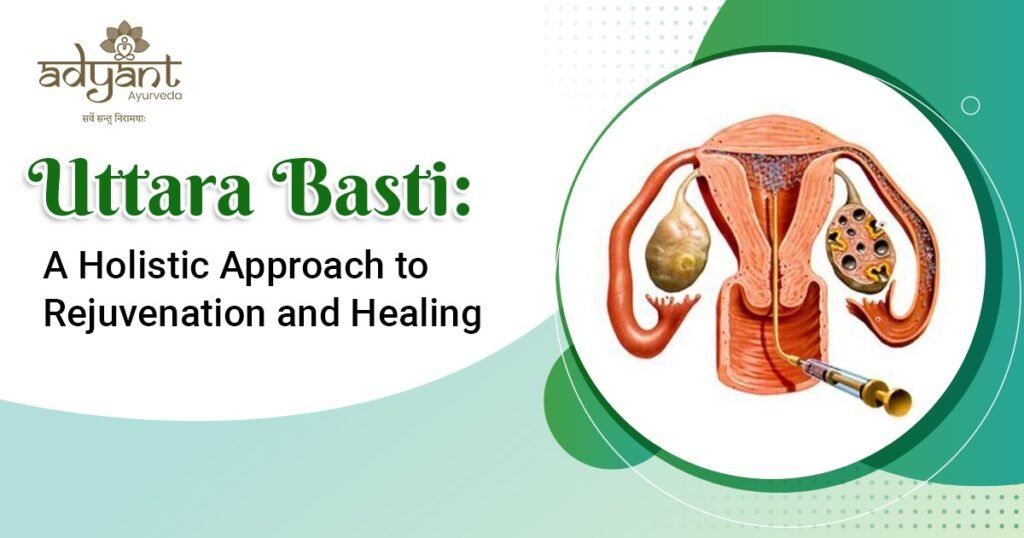
Uttara Basti is a specialized Ayurvedic Panchakarma therapy in which medicated oils or ghee are administered through the vaginal or urethral route to support reproductive and urinary health. It is widely used in conditions such as infertility, PCOS, menstrual disorders, and urinary tract issues under medical supervision.
Quick Overview of Uttara Basti
- Therapy Type: Ayurvedic Panchakarma treatment
- Common Uses: Infertility, PCOS, menstrual disorders, UTIs
- Procedure Duration: 20–30 minutes
- Sessions Required: 3–6 sessions per cycle
- Method: Medicated oil or ghee via vaginal or urethral route
- Supervision: Qualified Ayurvedic doctor required
This therapy is increasingly being explored as a natural and holistic approach for managing women’s health conditions without invasive procedures.
Medical Disclaimer
This content is for educational purposes only. Uttara Basti should only be performed under the supervision of a qualified Ayurvedic physician. Treatment outcomes may vary depending on individual health conditions.
What is Uttara Basti in Ayurveda?
Uttara Basti (also known as Uttar Basti or Uttara Vasti) is an advanced Panchakarma therapy described in classical Ayurvedic texts for managing disorders of the female reproductive and urinary systems. It primarily targets imbalances in Vata dosha, which is often associated with infertility, irregular menstruation, and pelvic disorders.
This therapy is often included in Ayurvedic fertility treatment protocols and is considered part of Panchakarma therapy for women’s health.
The therapy involves the careful and sterile administration of medicated oils or ghee into the uterus or urinary tract, aiming to nourish tissues and restore functional balance.
How Uttara Basti Works
Uttara Basti works through a combination of localized and systemic effects:
- Improves blood circulation in reproductive organs
- Supports the reduction of inflammation in pelvic tissues
- May help in softening adhesions and improving tubal function
- Nourishes the endometrial lining
- Supports hormonal balance through Ayurvedic systemic action
These effects help create a supportive environment for reproductive health and overall well-being.
In Ayurveda, this therapy is believed to help balance Vata dosha, which plays a crucial role in reproductive function and pelvic health.
Read more – How to balance vata dosha
Indications of Uttara Basti
Uttara Basti is traditionally used as part of a broader Ayurvedic treatment plan in conditions such as:
- Female infertility (primary and secondary)
- Irregular menstrual cycles (Amenorrhea, Oligomenorrhea)
- Polycystic Ovary Syndrome (PCOS/PCOD)
- Recurrent urinary tract infections (UTIs)
- Blocked fallopian tubes (supportive therapy)
- Endometriosis (symptom management support)
- Uterine fibroids (non-surgical supportive care)
- Pelvic Inflammatory Disease (PID)
- Vaginal dryness and infections
- Menopause-related symptoms
Contraindications of Uttara Basti
Uttara Basti may not be suitable in certain conditions, including:
- Pregnancy or suspected pregnancy
- During menstruation
- Active pelvic or genital infections
- Severe urinary tract infections
- Unexplained vaginal bleeding
- Recent pelvic surgeries or trauma
- Severe cervical or vaginal inflammation
A detailed medical consultation is essential before undergoing this therapy.
Individuals with severe symptoms, acute infections, or suspected structural abnormalities should seek immediate medical evaluation before considering Ayurvedic therapies.
Pre-Procedure Preparation for Uttara Basti
In classical Ayurvedic practice, Uttara Basti is usually performed after preparing the body through specific detoxification and cleansing therapies. These preparatory steps help enhance the effectiveness and safety of the procedure.
Virechana (Therapeutic Purgation)
Virechana is a detoxification therapy used to eliminate excess Pitta dosha from the body. It helps cleanse the gastrointestinal tract and improve metabolic function, creating a suitable internal environment for further treatments.
Yoga Basti (Medicated Enema Therapy)
Yoga Basti is a structured course of medicated enemas that helps balance Vata dosha, which plays a key role in reproductive and pelvic health. This therapy supports the proper functioning of the reproductive system and enhances the absorption of Uttara Basti.
Importance of Pre-Procedure Therapies
- Helps detoxify and prepare the body
- Improves treatment effectiveness
- Enhances absorption of medicated oils or ghee
- Reduces the risk of complications
These preparatory therapies are recommended based on individual assessment and may not be required in all cases.
Uttara Basti Procedure (Step-by-Step)
Pre-Treatment (Purva Karma – includes preparatory therapies such as Virechana and Yoga Basti when indicated)
- Virechana (detoxification therapy)
- Yoga Basti (medicated enema therapy)
- Clinical assessment and personalized treatment planning
Main Procedure (Pradhana Karma)
- Patient is positioned comfortably
- A sterile catheter is used for administration
- Warm medicated oil or ghee is gently introduced
- Procedure duration typically ranges from 20 to 30 minutes
Post-Treatment Care (Paschat Karma)
- Short rest period after the procedure
- Dietary and lifestyle guidelines are advised
- Temporary avoidance of strenuous activity
The procedure is generally well-tolerated and causes minimal discomfort when performed by trained professionals under proper clinical conditions.
Duration and Number of Sessions
The number of Uttara Basti sessions varies depending on the condition and individual health status.
- Typically performed in 3 to 6 sessions per cycle
- May be repeated across multiple cycles in chronic conditions
- Treatment plans are personalized based on diagnosis and response
In some cases, preparatory therapies like Virechana and Yoga Basti may extend the overall treatment duration.
Benefits of Uttara Basti
Reproductive Health Support
- Helps regulate menstrual cycles
- Supports uterine health and endometrial nourishment
- May support Uttara Basti for infertility as part of a comprehensive treatment plan
Hormonal Balance
- Supports management of hormonal imbalances
- May help reduce symptoms associated with Ayurvedic treatment for PCOS
Urinary System Support
- May help reduce the recurrence of urinary infections
- Supports bladder function
Anti-inflammatory & Healing Support
- Helps reduce pelvic inflammation
- Supports tissue healing and regeneration
Emotional and Mental Well-being
- Promotes relaxation and stress reduction
- Supports overall mind-body balance
Benefits vs Limitations of Uttara Basti
Uttara Basti may offer supportive benefits in improving reproductive and urinary health when performed as part of a structured Ayurvedic treatment plan. It is often considered in early-stage or functional disorders.
However, it is important to understand that:
- Results may vary depending on individual health conditions
- It may not be effective in advanced structural abnormalities
- It should not replace emergency or necessary surgical medical care
- A personalized treatment plan is essential for the best outcomes
Risks and Safety Considerations
Uttara Basti is generally considered safe when performed by qualified professionals under sterile conditions. However:
- Improper administration may increase the risk of infection
- It should never be self-administered
- Clinical hygiene and expertise are essential
Possible Side Effects
When performed under proper medical supervision, Uttara Basti is generally safe. However, in rare cases:
- Mild discomfort during or after the procedure
- Temporary irritation
- Risk of infection if hygiene protocols are not followed
These risks are minimized when the therapy is performed by qualified professionals in a clinical setting.
Safety and Hygiene Protocols
To ensure safety and effectiveness, Uttara Basti should be performed under strict clinical protocols:
- Use of sterile, medical-grade instruments
- Procedure performed by trained Ayurvedic professionals
- Maintenance of hygiene and infection control standards
- Individual assessment before treatment planning
Proper clinical setup significantly reduces risks and improves treatment outcomes. Following standardized clinical protocols ensures both safety and effectiveness of the therapy.
Who Should Consider Uttara Basti?
This therapy may be considered for individuals who:
- Are you trying to conceive naturally
- Experience chronic menstrual irregularities
- Have hormonal imbalances such as PCOS
- Prefer non-surgical supportive approaches
- Experience recurrent urinary concerns
A personalized consultation is required to determine suitability.
You may also like – Ayurvedic Treatment for Irregular Periods
Uttara Basti vs Modern Treatment Approaches
Uttara Basti is a traditional Ayurvedic therapy that focuses on restoring internal balance and supporting natural healing processes. In contrast, modern medical treatments for conditions like PCOS, infertility, or fibroids may include hormonal medications, antibiotics, or surgical procedures.
The choice between Ayurvedic and modern treatments depends on factors such as diagnosis, severity of the condition, and patient preference. In some cases, an integrative approach combining both systems under medical supervision may provide better outcomes.
Uttara Basti Cost in India
The cost of Uttara Basti generally ranges between:
₹2000 to ₹2500 per session
The overall treatment cost may vary depending on:
- Number of sessions required
- Pre-treatment procedures
- Individual health condition
Uttara Basti is available at specialized Ayurvedic centers across India, particularly in cities such as Bangalore, Kerala, and Pune.
Expected Results and Timeline
The results of Uttara Basti may vary based on individual health conditions and treatment consistency.
- Initial improvements may be observed within a few sessions
- Hormonal balance and reproductive health may require multiple treatment cycles
- Outcomes depend on age, lifestyle, and severity of the condition
- Following dietary and lifestyle recommendations is essential for optimal results
Conditions related to functional imbalance may respond better compared to advanced structural disorders.
Post-Treatment Lifestyle Guidelines
Diet
- Prefer warm, freshly prepared meals
- Avoid processed, oily, and excessively spicy foods
Hydration
- Drink warm water
- Avoid cold beverages
Physical Activity
- Rest after the procedure
- Avoid heavy exercise for 1–2 days
Hygiene
- Maintain proper genital hygiene
- Avoid chemical-based products temporarily
Scientific & Classical References
- Charaka Samhita – Chikitsa Sthana (Basti therapy principles)
- Sushruta Samhita – Uttara Basti descriptions
- Contemporary Ayurvedic clinical practice guidelines in gynecology
Clinical Perspective & Evidence
While Uttara Basti is described in classical Ayurvedic texts such as Charaka Samhita and Sushruta Samhita, modern scientific research on this therapy is still evolving. Some Ayurvedic clinical practices report supportive outcomes in managing conditions like infertility, PCOS, and menstrual disorders when used as part of a comprehensive treatment plan.
However, large-scale clinical validation is limited, and outcomes may vary. Patients are advised to undergo proper medical diagnosis and consult qualified professionals before choosing this therapy.
Clinical outcomes may vary depending on practitioner expertise, treatment protocol, and patient adherence to dietary and lifestyle recommendations.
In traditional Ayurvedic protocols, pre-procedure therapies such as Virechana Treatment and Yoga Basti are often recommended to improve treatment outcomes and ensure proper dosha balance before administering Uttara Basti.
Read more – Ayurvedic Virechana Treatment
About the Medical Experts
Author:
Dr. Shree Lakshmi, BAMS
Senior Ayurvedic Physician – Women’s Health & Panchakarma
Experience: 28+ years
Specialization: Ayurvedic gynecology, infertility management, and Panchakarma therapies
Clinical Experience: Treated thousands of patients with reproductive health concerns, including PCOS and menstrual disorders
Medical Reviewer:
Dr. Sumana Patvardhan, BAMS
Ayurvedic Specialist – Women’s Health
Experience: 24+ years
Expertise: Holistic management of hormonal imbalance and chronic gynecological conditions
Both experts have extensive clinical experience in Panchakarma therapies and women’s reproductive health management.
Conclusion
Uttara Basti is a specialized Ayurvedic therapy designed to support women’s reproductive and urinary health through a holistic approach. As part of Panchakarma therapy for women’s health, it may offer supportive benefits in managing conditions like PCOS, infertility, and menstrual disorders.
For optimal safety and effectiveness, always consult a qualified Ayurvedic practitioner before undergoing treatment.
What is Uttara Basti?
It’s an Ayurvedic therapy where medicated oils or ghee are introduced into the vaginal or urethral canal to treat reproductive and urinary issues.
What conditions can it treat?
Infertility, PCOS, menstrual disorders, UTIs, blocked tubes, endometriosis, and fibroids.
Is the procedure painful?
No, it’s gentle and safe when done by trained professionals. Slight discomfort may occur initially.
How many sessions are needed?
Usually 3 to 7 sessions, depending on your condition and doctor’s advice.
Can it help with infertility?
Yes, it improves uterine health, regulates hormones, and enhances fertility.
Any side effects?
Minimal if done properly. Slight irritation or spotting may happen in rare cases.
What is the cost?
INR 2000 – INR 2500 per session. Additional charges may apply for preparatory therapies.
Can it be done during periods or pregnancy?
No. It’s avoided during menstruation and pregnancy.
What precautions should I take?
Come on an empty stomach, maintain hygiene, and follow post-care advice like rest and avoiding intercourse.
Where can I get it done?
At Adyant Ayurveda branches in Bangalore – Jayanagar, Indiranagar, Kalyan Nagar, and Rajarajeshwari Nagar.